

Most people don’t realize their favorite sweater or pair of jeans could last 10 years-or even longer-if they were washed, stored, and handled the right way. Instead, we toss things after a few seasons because they’ve pilled, stretched, or lost their shape. But it’s not the fabric’s fault. It’s how we treat it. The truth is, fabric care isn’t about luxury-it’s about common sense. And it’s one of the easiest ways to cut down on waste, save money, and keep your wardrobe looking sharp without buying new stuff every month.
Washing Less Is Washing Better
You don’t need to wash your clothes after every wear. That’s a myth pushed by detergent companies and fast fashion brands. Jeans? Wear them five to seven times before washing. Sweaters? Air them out overnight and spot-clean stains. T-shirts? If you didn’t sweat through them or get them dirty, skip the wash.Every wash cycle wears fabric down. Heat, friction, and chemicals break down fibers. A 2023 study by the Textile Exchange found that washing a cotton t-shirt 20 times reduces its strength by nearly 30%. That’s not normal wear-that’s accelerated aging. Cold water, gentle cycles, and full loads cut damage by half. Use a mesh laundry bag for delicate items like silk blouses or lace lingerie. It stops them from getting tangled and stretched against zippers or buttons.
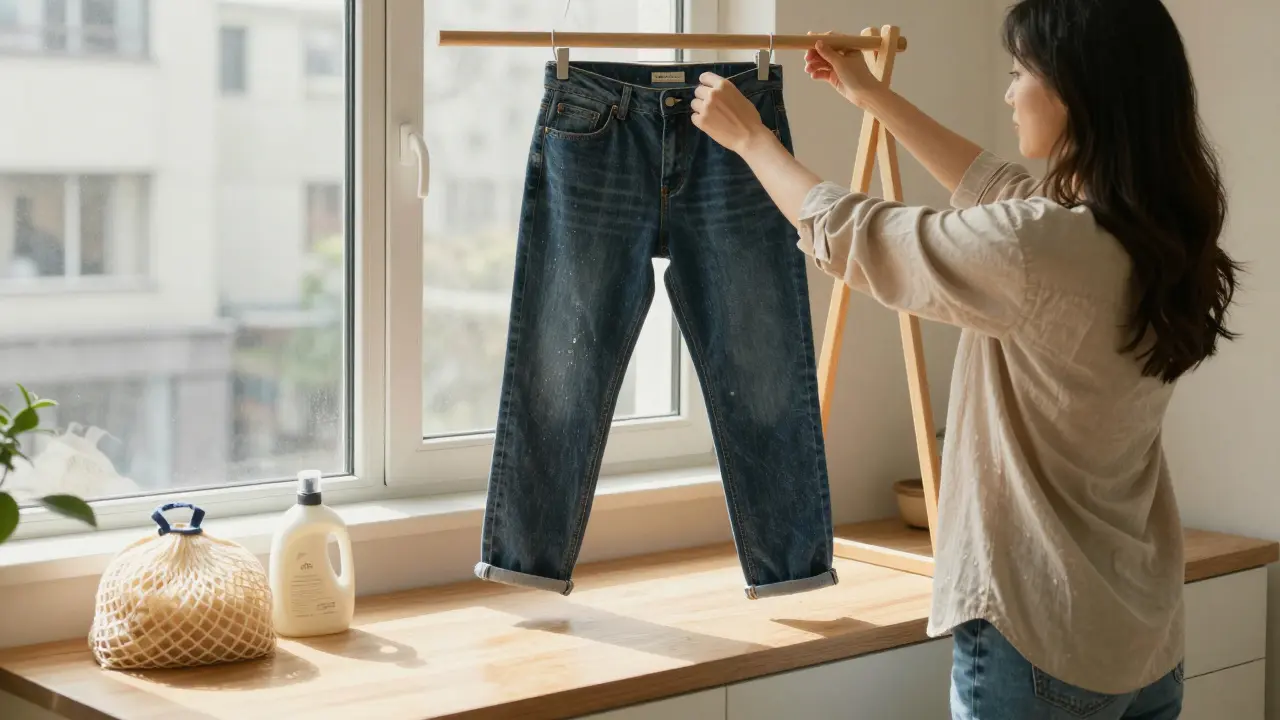
And skip the dryer unless you absolutely have to. Heat shrinks wool, weakens elastic, and fades colors. Hang dry everything you can. Even if you live in a rainy city like Seattle, use a drying rack by a window. The air moves, the sun helps disinfect, and your clothes last longer. If you must use a dryer, choose low heat and remove clothes while they’re still slightly damp. Then lay them flat to finish drying.
Know Your Fabric, Know Your Care
Not all fabrics behave the same. Treating synthetic blends like natural fibers is a recipe for disaster. Here’s what actually works:- Cotton: Wash cold, tumble dry low or air dry. Avoid bleach-it yellows white cotton over time.
- Wool: Hand wash with wool-specific detergent or use a gentle machine cycle. Never wring. Lay flat on a towel to dry. Store folded, not hung, to prevent shoulder bumps.
- Silk: Always hand wash in lukewarm water with a pH-neutral soap. Rinse well. Never twist or wring. Dry in shade. Iron on low heat with a cloth between iron and fabric.
- Lyocell (TENCEL™), Rayon, Viscose: These are delicate when wet. Wash gently, avoid soaking, and never twist. Hang to dry away from direct sunlight.
- Polyester, Nylon, Spandex: Wash in cold water. Avoid high heat. Spandex loses elasticity fast under heat and chlorine. Don’t mix with bleach.
Check labels, yes-but also learn the feel of your clothes. If a fabric feels stiff after washing, you’ve used too much detergent. If it smells sour, it’s not rinsed well. If it’s shrinking, you used hot water. These are clues, not just inconveniences.
Storage That Doesn’t Ruin Your Clothes
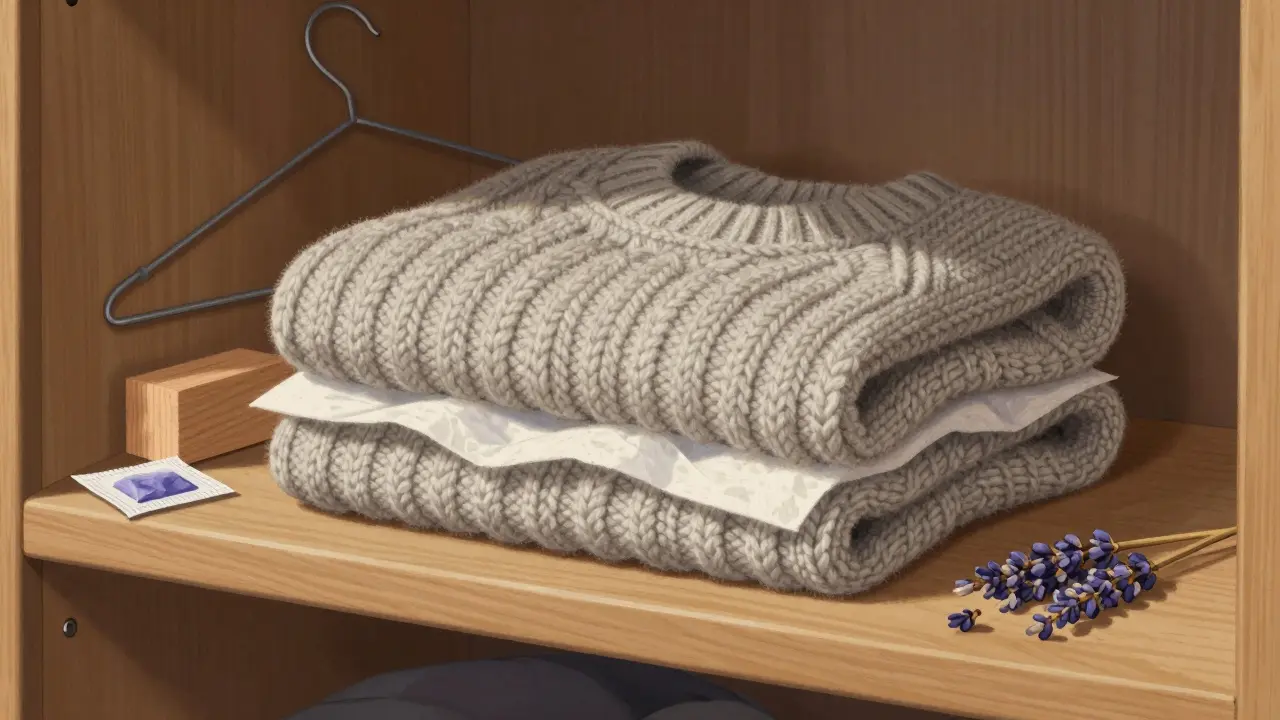
Storing clothes the wrong way is like leaving them out in the rain. You won’t see damage right away, but over months, it adds up.Don’t hang heavy sweaters. The weight pulls the shoulders out of shape. Fold them neatly and stack them in drawers or on open shelves. Use acid-free tissue paper between folds to prevent creases and yellowing. For wool coats or blazers, use wide, padded hangers. Thin wire hangers dig in and warp the shape.
Moisture is the silent killer. In humid climates like Seattle, mold and mildew grow fast. Keep clothes dry. Use silica gel packs in drawers or storage bins. Cedar blocks or lavender sachets help repel moths without chemicals. Avoid plastic bins-they trap moisture and cause yellowing. Opt for breathable cotton storage bags instead.
Seasonal rotation matters. Don’t shove winter coats into the back of the closet and forget them. Take them out once a year, air them, check for stains or moth holes, then store them clean. Dirty clothes attract pests. Even a single food stain can turn into a moth nest.
Mending Is Not Old-Fashioned-It’s Smart
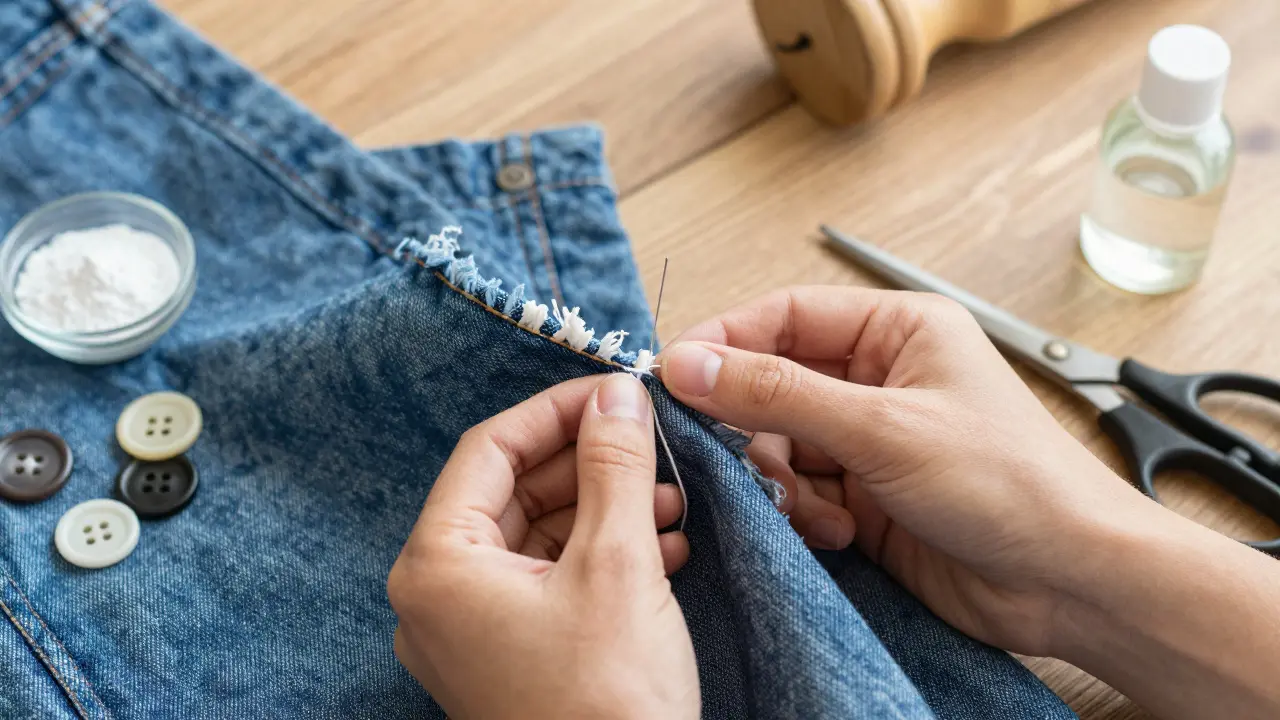
A small hole, a loose button, a frayed hem-these aren’t reasons to throw something away. They’re signals to fix it.Learn basic hand-sewing. It takes 10 minutes to sew on a button or patch a seam. YouTube has free tutorials. Or find a local tailor. Many small shops charge $5 to $10 to fix a hem or replace a zipper. That’s less than a coffee. And it extends the life of a garment by years.
For knits, use a needle and thread to catch loose stitches before they unravel. For jeans, reinforce stress points like pockets and seams with a patch on the inside. Denim is durable-but the stitching isn’t. A little reinforcement can double its life.
Don’t ignore stains. Treat them fast. Blot, don’t rub. Use baking soda and water for sweat stains. White vinegar for deodorant marks. Dish soap for grease. The longer you wait, the harder it becomes. And never use hot water on protein stains like blood or milk-it sets them.
What to Do When Clothes Are Beyond Repair
Sometimes, even the best care can’t save something. A sweater with moth holes, a dress with faded color, a pair of shoes with worn soles. What then?Donate only if the item is clean and intact. Torn, stained, or smelly clothes clog donation centers and end up in landfills. Instead, look for textile recycling programs. Companies like TerraCycle and local initiatives in Seattle accept worn-out fabrics and turn them into insulation, stuffing, or new yarn.
Upcycle what you can. Turn old T-shirts into cleaning rags. Cut jeans into shorts. Use fabric scraps for quilts or patchwork. Even the tiniest piece of wool can be felted into a coaster or ornament. It’s not just practical-it’s satisfying.
The Real Cost of Cheap Clothes
Fast fashion thrives on disposability. A $10 shirt might seem like a bargain. But if you wash it 10 times and it falls apart, you’ve spent $1 per wear. A $100 wool coat, washed properly and worn for 10 years, costs $1 per wear. Same price. But one looks good. One ends up in a landfill.When you care for your clothes, you’re not just saving money. You’re reducing water use, cutting microplastic pollution, and avoiding the carbon footprint of producing new items. Every time you choose to mend, air dry, or store properly, you’re voting against waste.
Start Small. Build the Habit.
You don’t need to overhaul your whole routine overnight. Pick one thing to change this week:- Wash one load in cold water instead of hot.
- Hang dry your next pair of jeans.
- Fix one loose button.
- Declutter your closet and remove items you haven’t worn in a year.
Small steps add up. Your clothes will thank you. So will your wallet. And the planet.
How often should I wash my clothes to extend their lifespan?
You don’t need to wash clothes after every wear. Jeans and outerwear can go 5-7 wears between washes. T-shirts and undergarments should be washed after each use. Sweaters and knitwear benefit from airing out between wears. Always check the fabric type-delicate materials like silk and wool need even less washing.
Is it better to air dry or use a dryer?
Air drying is always better for fabric longevity. Dryers cause shrinkage, fade colors, and weaken elastic fibers. Even if you live in a rainy climate, use a drying rack near a window or in a well-ventilated room. If you must use a dryer, choose low heat and remove clothes while still slightly damp to finish drying flat.
Can I store clothes in plastic bins?
Avoid plastic bins for long-term storage-they trap moisture and can cause yellowing, mildew, or fabric breakdown. Use breathable cotton storage bags instead. If you must use plastic, include silica gel packs to absorb humidity and make sure clothes are completely dry before storing.
What’s the best way to store wool sweaters?
Fold wool sweaters neatly and store them flat in drawers or on shelves. Never hang them-this stretches the shoulders and distorts the shape. Place cedar blocks or lavender sachets nearby to repel moths. Avoid plastic bags; use cotton storage bags or breathable containers.
How do I remove stains without damaging the fabric?
Blot, don’t rub. Use baking soda and water for sweat stains, white vinegar for deodorant marks, and a drop of dish soap for grease. Always test on a hidden seam first. Never use hot water on protein stains like blood or milk-it sets them. Treat stains as soon as possible for the best results.
What should I do with clothes that are too worn to wear?
Don’t throw them in the trash. Look for textile recycling programs-many cities, including Seattle, have drop-off locations that turn old fabrics into insulation or new fibers. Upcycle them into cleaning rags, quilts, or patches. Even worn-out denim can be turned into coasters or bags.


Write a comment