

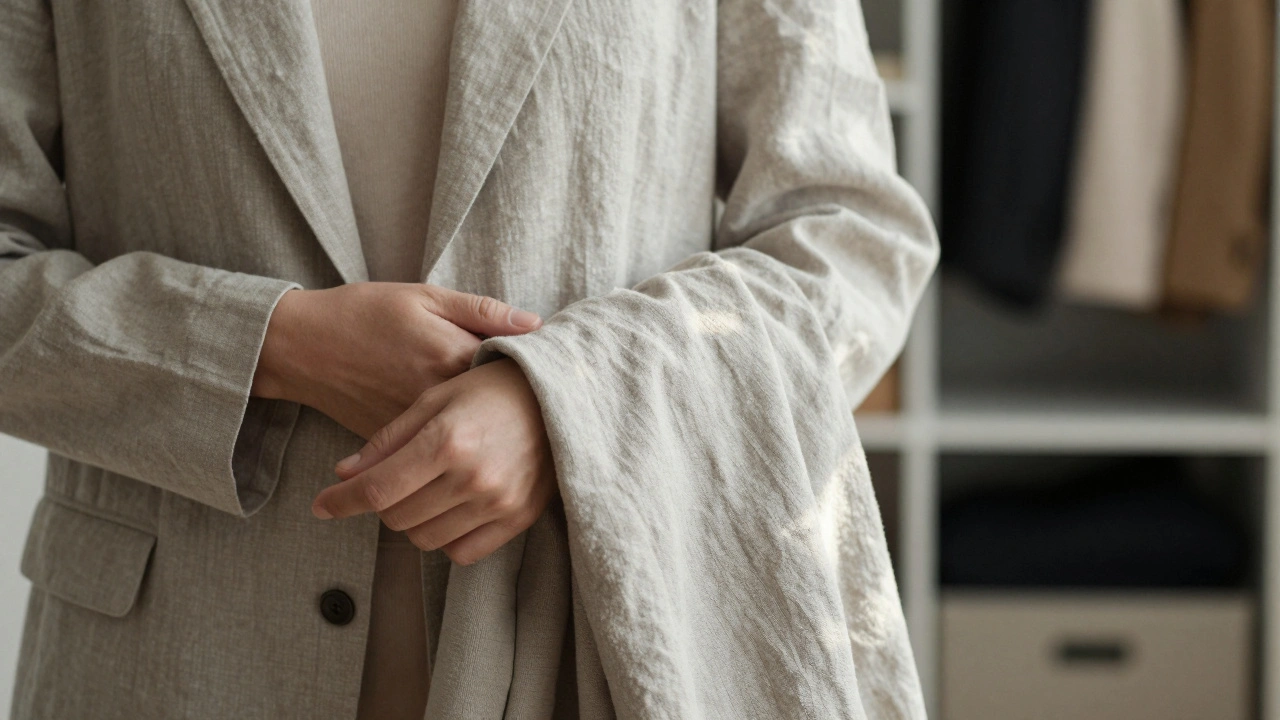
Ever bought a shirt that looked perfect in the store, only to feel completely off when you wore it? You’re not alone. Most people don’t realize that the problem isn’t the cut or the color-it’s the fabric. The material against your skin, how it drapes, how it moves with you-it all shapes how you feel and how others see you. Your personal style isn’t just about what you wear. It’s about what you feel like when you wear it. And that starts with the fabric.
Why Fabric Matters More Than You Think
Think of fabric as the silent language of your outfit. A crisp cotton shirt says one thing. A slouchy linen blouse says something totally different. Wool coats carry weight and authority. Silk whispers luxury. Denim screams casual confidence. These aren’t just aesthetics-they’re signals. People notice them, even if they can’t explain why.
A 2024 study from the Fashion Institute of Technology found that 78% of people who felt confident in their outfits attributed it to how the fabric felt, not how it looked. That’s not a coincidence. Your brain connects texture with comfort, control, and even mood. If a fabric itches, you fidget. If it clings too tight, you feel exposed. If it flows just right, you walk taller.
This is why choosing fabrics based on your personal style isn’t a luxury-it’s a necessity. You don’t need to own 50 pieces. You need five that feel like you.
Matching Fabric to Your Aesthetic
What’s your style? Not what you think you should wear. What actually makes you feel like yourself?
If you lean toward minimalist, clean lines and neutral tones, you probably respond best to natural fibers with subtle texture. Think heavyweight cotton, brushed wool, or raw silk. These materials don’t shout. They settle. They age gracefully. A linen blend blazer doesn’t need embellishment. It speaks through its structure and softness.
For the romantic or boho aesthetic-flowing dresses, layered skirts, earthy tones-go for fabrics that move. Chiffon, rayon, and lightweight cotton voile drape like water. They catch the light and shift with your body. These fabrics don’t fight gravity. They dance with it. That’s why they feel so free.
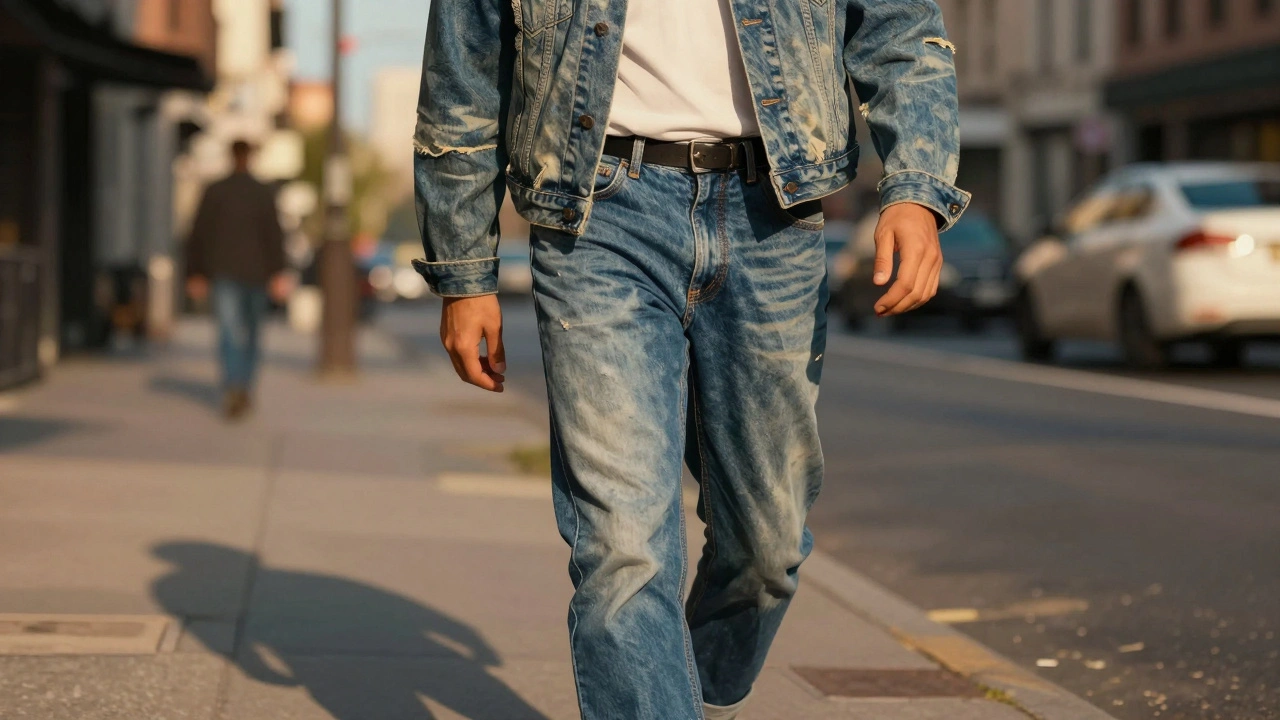
Urban streetwear? It’s all about durability and attitude. Denim, twill, and recycled polyester blends hold their shape and survive daily wear. They’re meant to be lived in. A well-worn denim jacket becomes part of your identity. The frayed edges, the faded patches-they tell your story better than any logo ever could.
And if your vibe is modern, architectural, or high-fashion? Look for structured fabrics. Piqué, bouclé, and technical blends with a bit of stretch give you shape without stiffness. These materials hold sharp lines but still breathe. They’re engineered for impact, not just comfort.
The Texture Test: How to Know What Feels Right
Here’s a simple trick: before you buy anything, touch it like you’re testing a pet. Not just with your fingers. Run your hand over it slowly. Press it. Let it bounce back. Hold it up to the light. Drape it over your arm. Ask yourself: does this feel like something I’d want to live in for hours?
Some fabrics feel great at first but turn annoying fast. Synthetic blends like polyester can feel smooth in the store, but they trap heat and cling uncomfortably. A cotton-polyester mix might look fine, but after an hour, it starts to feel sticky. That’s not style-that’s discomfort disguised as fashion.
Real wool? It can be itchy, but not always. Merino wool is fine-gauge and soft enough for next-to-skin wear. It regulates temperature, wicks moisture, and doesn’t smell after a full day. That’s why it’s the go-to for people who wear the same coat for months.
And linen? It wrinkles. But that’s the point. It’s supposed to. It looks lived-in, relaxed, real. Trying to iron the life out of linen defeats its entire purpose. Embrace the texture. Let it crease. That’s where character lives.
Seasonal Fabric Rules That Actually Work
You don’t need to follow fashion calendars. You need to follow your body.
Summer isn’t about light colors-it’s about breathability. Skip the heavy synthetics. Stick to cotton, linen, TENCEL™, and bamboo. These materials let air move and sweat evaporate. A cotton tee in 90-degree heat should feel like a cool breeze. If it doesn’t, it’s the wrong fabric.
Winter isn’t just about layering. It’s about insulation without bulk. Wool, cashmere, and fleece-lined cotton are your allies. Avoid puffy nylon jackets unless you’re hiking. They trap heat unevenly and make you sweat in one spot while you’re cold in another. A well-fitted wool coat with a silk lining? That’s winter elegance. It keeps you warm without making you look like a marshmallow.
Shoulder seasons-spring and fall-are where most people get it wrong. They wear summer fabrics when it’s chilly, or winter fabrics when it’s mild. That’s why you see people shivering in oversized sweaters in April. The answer? Medium-weight fabrics. Cotton flannel, chambray, lightweight wool blends. They’re versatile. They transition. They adapt.
What to Avoid (Even If It’s Trending)
Not all trendy fabrics are worth the investment. Here’s what to skip:
- Glittery or metallic synthetics-they scratch, peel, and look cheap after one wash.
- Thin, stretchy polyester-it loses shape fast, pills easily, and doesn’t breathe.
- Viscose that’s not TENCEL™-it shrinks, wrinkles, and feels soggy when wet.
- Heavy faux fur-it’s hot, stiff, and often made from plastic fibers that shed microplastics.
These materials might look good in a photo. But in real life? They feel like compromises. And you’ll notice. You’ll notice when you’re sweating in a glitter top. You’ll notice when your pants bag out after three wears. You’ll notice when you avoid wearing something because it just doesn’t feel right.
Building a Fabric-First Wardrobe
You don’t need a closet full of clothes. You need a few pieces made from fabrics that match your life.
Start with these five:
- A well-cut cotton shirt-100% organic, medium weight, slightly relaxed fit.
- A wool-blend coat-70% wool, 30% nylon for structure and durability.
- A pair of raw denim jeans-no stretch, heavy weight, will mold to your body over time.
- A linen-blend dress or trousers-breathable, drapey, wrinkles beautifully.
- A merino wool sweater-thin enough to layer, warm enough to wear alone.
That’s it. Five pieces. All natural. All durable. All chosen because they feel like you. You can mix and match them endlessly. You’ll wear them for years. And you’ll never feel like you’re wearing a costume.
Where to Find Quality Fabrics
You don’t need to shop at luxury boutiques. You just need to know what to look for.
Check the label. If it says “100% cotton” or “100% wool,” that’s a good start. If it says “polyester blend” without listing percentages, walk away. The higher the percentage of natural fiber, the better.
Look for brands that list fabric origins. Companies like Eileen Fisher, Uniqlo’s U line, or local artisans who source organic cotton or deadstock wool are worth supporting. You’re not just buying clothes-you’re investing in materials that last.
Thrift stores and vintage shops are goldmines for high-quality fabrics. A 1990s wool coat or a 1970s silk blouse often has better construction and material than anything made today. The fabrics were built to last. They’re not designed for one season.
Your Style Is in the Details
Personal style isn’t about following rules. It’s about listening to your body. The right fabric doesn’t just look good. It feels like an extension of you. It lets you move without thinking. It doesn’t demand attention-it earns it.
When you choose fabric based on how it feels, not just how it looks, you stop chasing trends. You start building a wardrobe that reflects who you are. Not who you think you should be.
Try this: next time you shop, hold the fabric. Close your eyes. Imagine wearing it tomorrow. Will it make you feel calm? Confident? Free? If the answer isn’t clear, leave it. There will be another piece. But this one? It’s not yours.
How do I know if a fabric is high quality?
High-quality fabric feels substantial but not heavy, has a smooth but natural texture, and doesn’t pill or stretch out after a few wears. Check the fiber content-natural fibers like cotton, wool, linen, and silk are usually more durable than synthetics. Look for tight weaves and even stitching. If the label says "100%" of a natural fiber, that’s a good sign. Avoid vague terms like "polyester blend" without percentages.
Is synthetic fabric always bad for personal style?
Not always, but they’re rarely the best choice for building a personal aesthetic. Synthetics like polyester and nylon can feel uncomfortable over time-they trap heat, don’t breathe, and tend to look shiny or cheap after washing. However, modern technical blends like TENCEL™, recycled polyester, or spandex in small amounts (under 10%) can add useful stretch or durability without sacrificing comfort. The key is balance: natural fibers should dominate.
Why does my wool sweater itch sometimes?
Itching usually comes from coarse wool fibers, like those from standard sheep breeds. Merino wool, on the other hand, has much finer fibers that are soft enough to wear next to skin. If your wool sweater itches, try layering it over a thin cotton tee. Or look for blends with silk or cashmere-they smooth out the texture. The itch isn’t a flaw in you-it’s a sign the wool isn’t suited for direct contact.
Can I mix different fabric textures in one outfit?
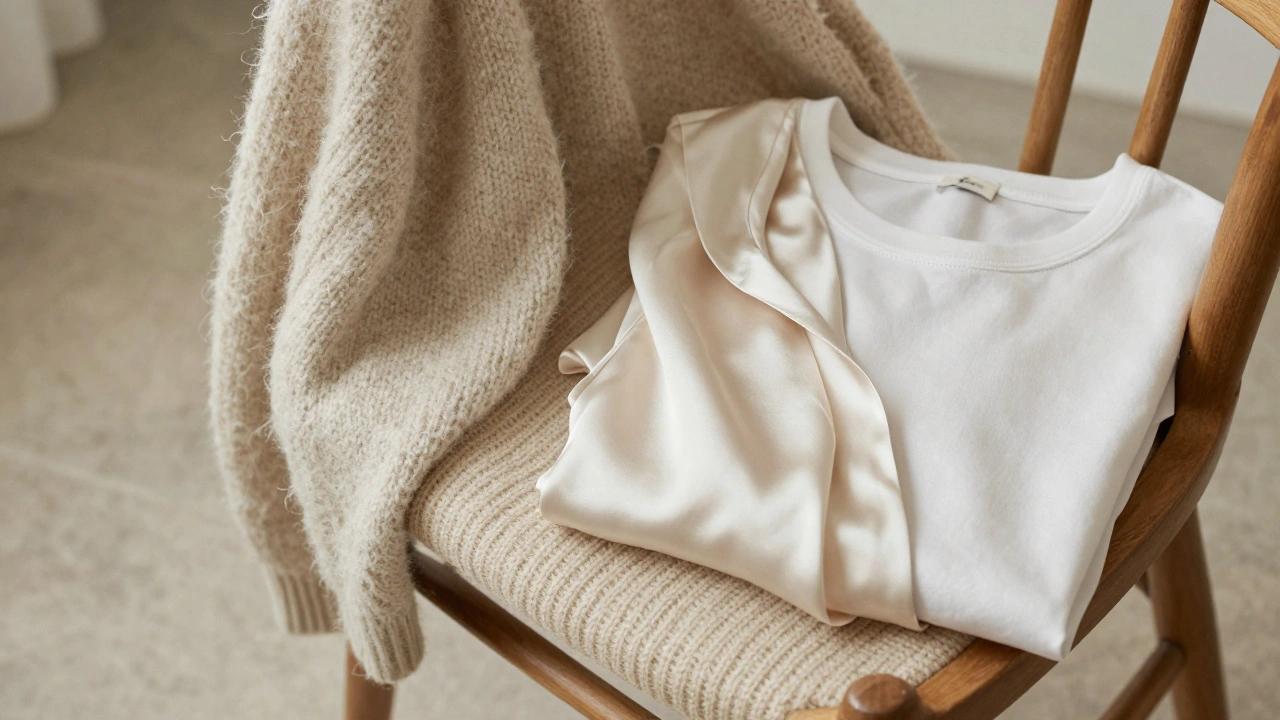
Absolutely-and you should. Mixing textures is what makes outfits interesting. Pair a smooth silk blouse with rough denim. Layer a chunky knit over a fine cotton tee. The contrast adds depth and dimension. The trick is balance: don’t combine two overly busy textures. One bold texture, one smooth one, works best. It’s about contrast, not chaos.
How do I care for natural fabrics so they last?
Wash natural fibers in cold water with gentle detergent. Air dry flat whenever possible-heat from dryers damages fibers over time. Wool and cashmere should be hand-washed or dry-cleaned only if the label says so. Linen can handle machine washing but will wrinkle-embrace it. Cotton holds up well to regular washing but fades in sunlight, so store it out of direct light. Proper care turns a $50 shirt into a 10-year staple.