

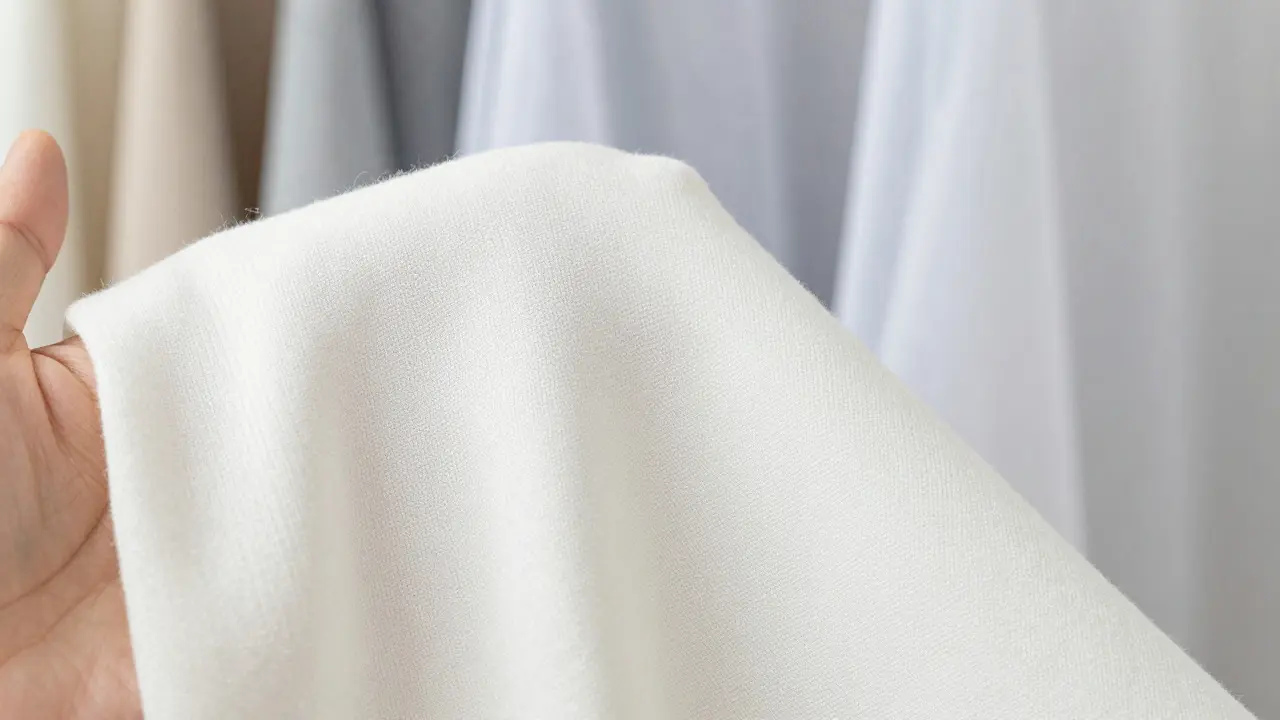
Buying a cheap shirt that falls apart after three washes is the fastest way to ruin a capsule wardrobe. You end up with a closet full of items that look good on hangers but fail in real life. If you want your clothes to last five years or more, you need to stop looking at trends and start looking at fibers. The right material doesn't just look better; it holds its shape, resists pilling, and works with other pieces without adding bulk. This guide breaks down exactly which fabrics survive daily wear and how to choose them so your outfit combinations actually work.
Why Fabric Choice Matters More Than Design
Most people judge a garment by its cut or color first. But in a small, curated closet, every piece has to do heavy lifting. A single white tee needs to pair with jeans, blazers, and dresses. If that tee stretches out at the shoulders or turns gray under the arms after a month, your whole system collapses. Durability isn't just about saving money; it's about reliability. When you know your base layers are solid, you can mix and match with confidence because you aren't worried about visible wear-and-tear.
Fabric quality directly impacts how well items layer. Thin, flimsy materials add texture and bulk when stacked. Heavy, stiff fabrics don't drape well over other clothes. The goal is finding the middle ground: materials that are substantial enough to hold their structure but flexible enough to move with your body. This balance is what separates a functional wardrobe from a box of mismatched parts.
The Core Fibers: Natural vs. Synthetic
Not all fibers are created equal. For a capsule wardrobe, you generally want to stick to natural fibers or high-quality blends. Here’s how the main contenders stack up:
- Cotton: The workhorse of casual wear. Look for organic cotton or long-staple varieties like Pima or Supima. Short-staple cotton pills quickly and feels rough. Long-staple cotton is softer, stronger, and lasts longer. It breathes well but wrinkles easily.
- Merino Wool: Often misunderstood as scratchy, fine-gauge merino is temperature-regulating and odor-resistant. It’s perfect for travel and layering because it’s thin yet warm. Unlike regular wool, it doesn’t itch if the micron count is low (17.5 microns or less).
- Linen: Breathable and strong, but it wrinkles aggressively. In a capsule context, linen is best for summer-only pieces. It softens with each wash, becoming more comfortable over time. Just accept the rumpled look as part of its charm.
- Silk: Luxurious and smooth, but fragile. Silk requires careful hand-washing and protects against light. It’s great for blouses and scarves but not ideal for high-contact areas like pockets or cuffs unless lined.
- Polyester & Nylon: Usually avoided in premium capsules due to poor breathability and microplastic shedding. However, modern technical synthetics are improving. Use them only for outer shells or activewear where durability and water resistance outweigh comfort.
Building Layers: The Mechanics of Fit and Function
Layering is an art form, but physics plays a big role. To layer well, you need to understand weight and drape. A common mistake is stacking multiple thick fabrics, which creates a bulky silhouette. Instead, think in terms of thermal efficiency per ounce of weight.
- Base Layer: This touches your skin. It must be moisture-wicking and smooth. Fine-gauge merino or high-thread-count cotton works here. Avoid rough seams that rub against sensitive skin.
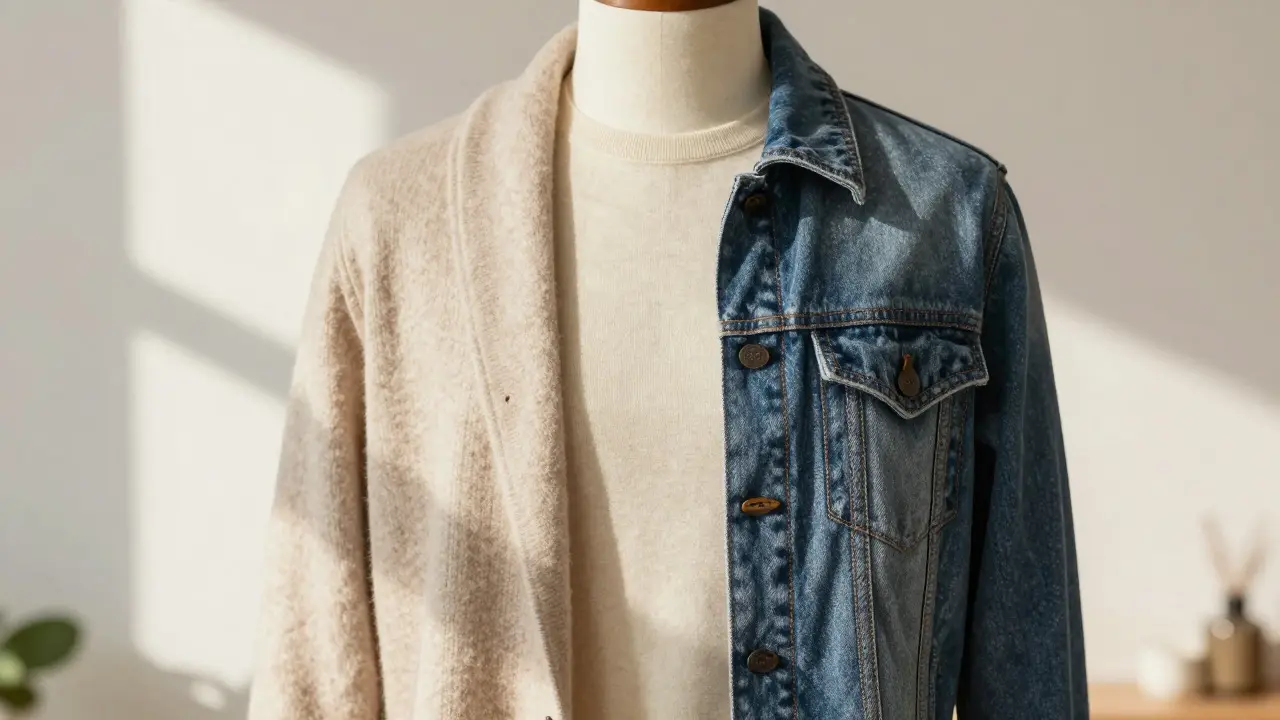
- Mid Layer: This provides insulation. Cardigans, fleece, or lightweight sweaters fit here. The key is stretch. A mid-layer should expand slightly over the base layer without pulling tight across the chest or back.
- Outer Layer: This blocks wind and rain. Denim jackets, trench coats, or structured blazers serve this purpose. These fabrics are usually heavier and stiffer, providing the final shape to the outfit.
When selecting these pieces, check the fabric composition tag. A "cotton-poly blend" might seem practical, but if the poly content is high, the shirt won't breathe. Aim for at least 60-70% natural fiber in everyday layers to ensure airflow.
Identifying High-Quality Fabrics: What to Look For
You don't need a textile degree to spot a good fabric. There are simple tactile and visual cues that tell you if a garment will last.
| Feature | Low Quality Sign | High Quality Sign |
|---|---|---|
| Thread Count/Density | See-through, loose weave | Dense, opaque, tight weave |
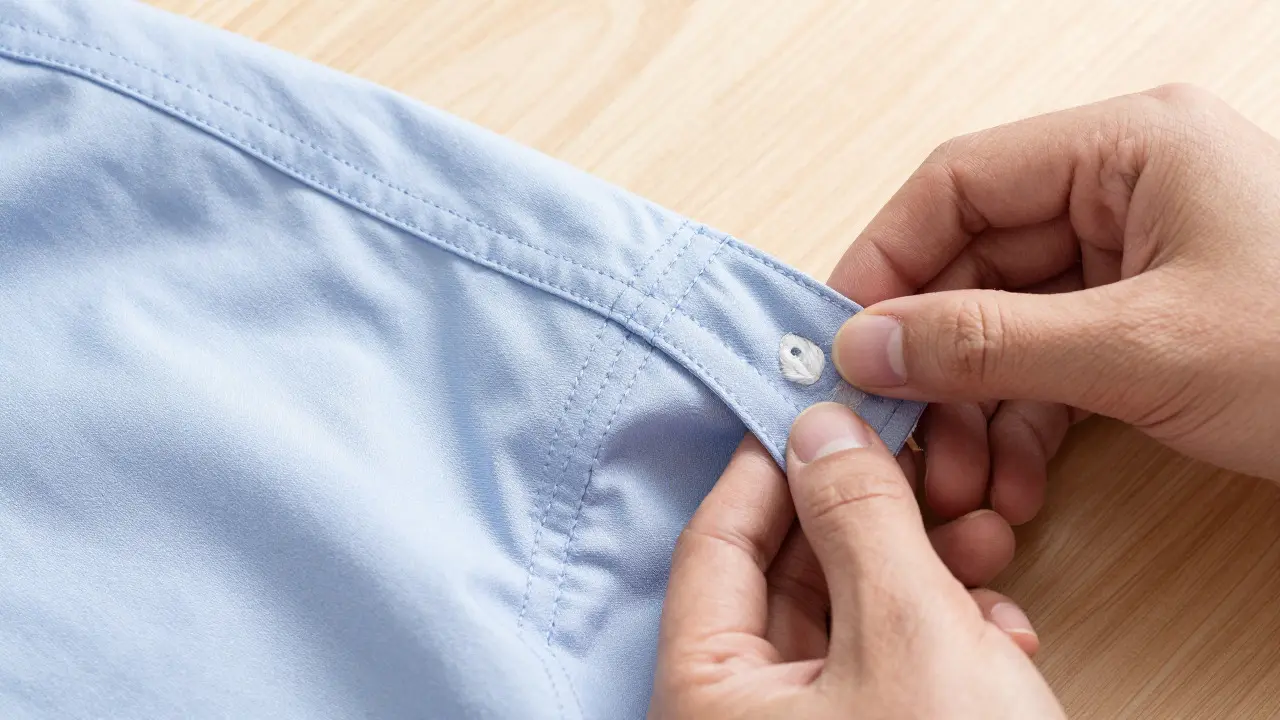
| Seams | Single stitch, uneven spacing | Double stitching, reinforced stress points |
| Buttons/Zippers | Plastic, loose, cheap metal | Horn, mother-of-pearl, YKK zippers |
| Hand Feel | Rough, scratchy, plasticky | Soft, smooth, substantial weight |
Pay special attention to the seams. In a capsule wardrobe, you’re wearing these items repeatedly. Single-stitched seams unravel faster than double-stitched ones. Check the collar and cuffs too; these areas take the most friction. If the fabric there looks thinner or stretched, the rest of the garment likely suffers from poor construction.
Care Instructions That Extend Lifespan
Even the best fabric fails if you treat it poorly. Heat is the enemy of natural fibers. Tumble drying kills elasticity and causes shrinkage. For most capsule pieces, air drying is non-negotiable. Hang knits flat to prevent stretching, and button shirts before hanging to keep the front placket straight.
Wash less often than you think. Cotton and wool have natural oils that repel dirt. Spot clean when possible. When you do wash, use cold water and gentle detergents. Hot water sets stains and fades colors faster. For silk and delicate wools, consider professional cleaning once or twice a year rather than frequent home washing. This approach keeps the fibers intact and maintains the original shape of the garment.
Common Mistakes to Avoid
Many people fall into traps that undermine their capsule efforts. One major error is buying "fast fashion" basics expecting them to last. While they may look identical to higher-end versions initially, the fiber quality differs significantly. Another mistake is ignoring seasonality. Buying heavy winter wool in July means it sits unused for half the year, taking up space and losing shape. Stick to versatile, mid-weight fabrics that transition between seasons.
Finally, don't neglect the fit. Even the highest quality linen shirt will look sloppy if it’s too baggy. Tailoring is a cheap investment that maximizes the value of expensive fabrics. A tailored hem or tapered sleeve makes a standard piece look custom-made, ensuring it fits perfectly within your limited rotation.
Frequently Asked Questions
What is the most durable fabric for a capsule wardrobe?
Long-staple cotton and merino wool are generally considered the most durable natural fibers. They resist pilling, hold their shape well, and improve in comfort over time. Linen is also extremely strong but wrinkles heavily.
Can I layer synthetic fabrics without feeling hot?
It depends on the type. Modern performance synthetics wick sweat well but can trap heat if layered incorrectly. For maximum comfort, limit synthetics to one layer (usually the base) and pair them with breathable natural fibers above.
How many washes should a good shirt last?
A high-quality cotton or wool shirt should maintain its appearance and structural integrity for 50 to 100+ washes if cared for properly. Lower quality fast-fashion items often degrade visibly after 10 to 20 washes.
Is linen worth the effort for a minimalist closet?
Yes, if you live in a warm climate or enjoy a relaxed aesthetic. Linen is highly breathable and gets softer with age. However, if you prefer crisp, wrinkle-free looks, it may frustrate you more than it helps.
What thread count should I look for in cotton sheets and shirts?
For shirts, thread count matters less than fiber length. Look for "long-staple" or "combed" cotton. For bedding, 300-400 thread count is the sweet spot for durability and softness without being overly heavy.