

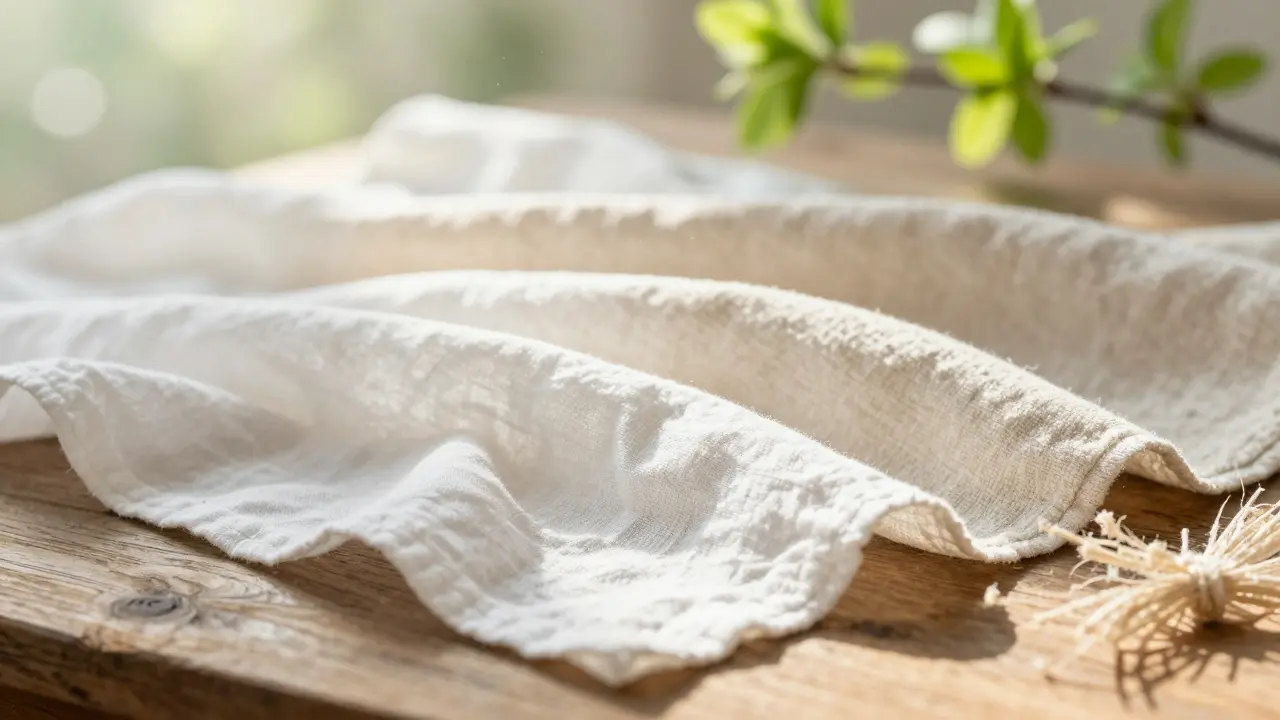
There is nothing worse than wearing a wool coat in July or a thin cotton shirt in January. It’s not just about looking silly; it’s about physical discomfort that ruins your day. Your skin gets hot, sweaty, cold, or clammy because the material you chose doesn’t match the weather outside. Most people pick clothes based on color or trend, but the real secret to comfort lies in the fabric itself.
Fabric selection isn't rocket science, but it does require understanding how different materials interact with heat, moisture, and air. When you know which textile works best for each season, you stop guessing and start dressing smartly. This guide breaks down exactly what to wear when, so you can stay comfortable all year round without sacrificing style.
The Science of Breathability and Comfort
Before diving into specific seasons, we need to understand why some fabrics feel good and others don’t. The two main factors are breathability and moisture management. Breathability refers to how well air can pass through the fabric. If air can move, your body temperature stays regulated. Moisture management is about how the fabric handles sweat. Does it trap it against your skin, making you feel sticky? Or does it wick it away and let it evaporate?
Natural fibers like Cotton is a soft, breathable natural fiber derived from the cotton plant are generally great at breathing but can hold onto moisture if you sweat heavily. Synthetic fibers like polyester are excellent at wicking moisture but often trap heat, creating a greenhouse effect. Blends try to offer the best of both worlds, but they rarely succeed perfectly. Knowing this helps you make better choices when shopping.
Spring Fabrics: Handling Unpredictable Weather
Spring is tricky. One day it’s sunny and warm, the next it’s raining and chilly. You need fabrics that are versatile enough to handle temperature swings. Heavy wools are too hot, but sheer synthetics might not block the wind. The sweet spot lies in mid-weight natural fibers and light blends.
- Linen-Cotton Blends: Pure linen can be wrinkly and cool, while pure cotton is soft but sometimes too warm. A blend gives you the structure of linen with the comfort of cotton. It breathes well during sunny afternoons but provides enough coverage for breezy mornings.
- Lightweight Wool (Tweed or Melton): Don’t throw away your wool just yet. Lighter wool weaves, like tweed, are perfect for early spring. They trap a little warmth but still allow air circulation. A lightweight wool blazer is a staple for New York spring days.
- Ramie: This plant-based fiber is stronger than cotton and dries faster. It has a slightly crisp texture that holds its shape well, making it ideal for shirts and trousers that need to look polished despite the humidity.
Avoid heavy denim or thick corduroy unless you live in a particularly cold climate. Instead, opt for lighter weights of these sturdy fabrics. Layering is key here. Wear a breathable base layer made of modal or bamboo, which adds softness and slight insulation without bulk.
Summer Fabrics: Staying Cool in the Heat
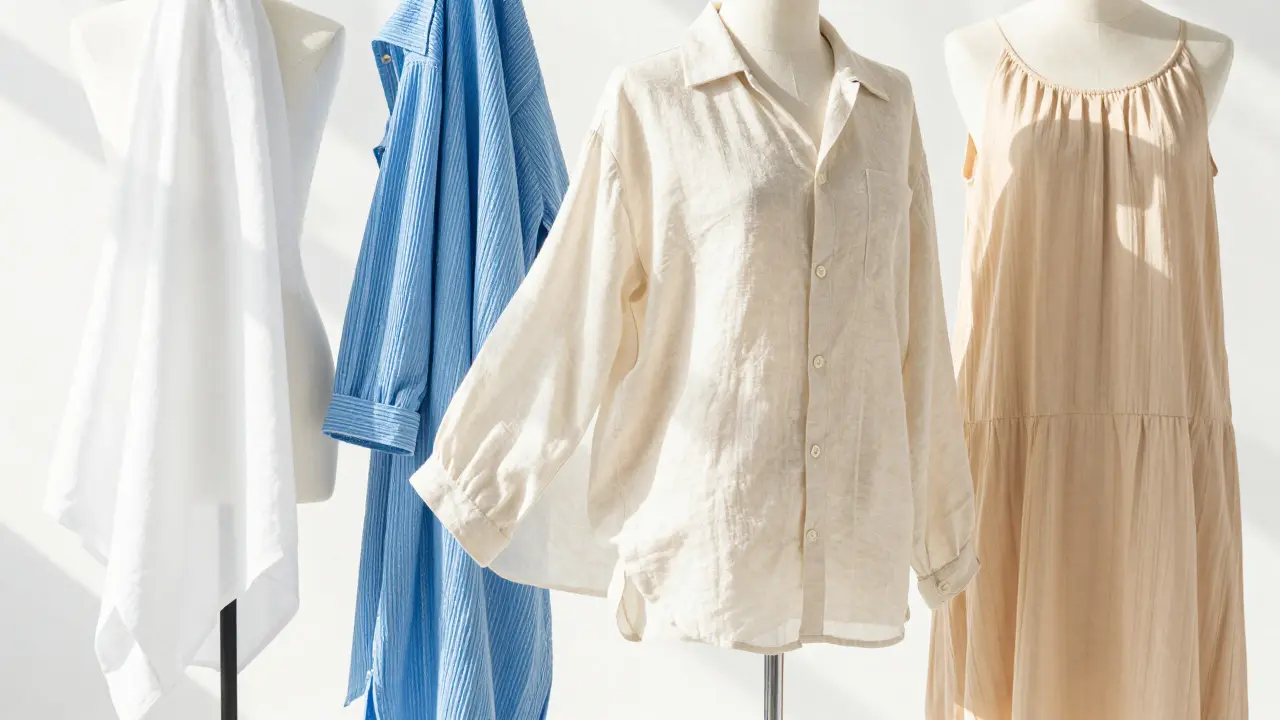
When temperatures rise, your goal shifts entirely to cooling down. You want fabrics that reflect sunlight, allow maximum airflow, and dry quickly if you get caught in a summer shower or break a sweat. Tight weaves and synthetic materials are your enemies in July and August.
| Fabric | Breathability | Moisture Wicking | Best For |
|---|---|---|---|
| Linen | Excellent | Good | Suits, dresses, loose shirts |
| Seersucker | Very Good | Moderate | Business casual, preppy styles |
| Viscose/Rayon | Good | Poor (holds water) | Flowy dresses, blouses |
| Bamboo Viscose | Excellent | Excellent | Underwear, activewear, t-shirts |
Linen is a textile made from the fibers of the flax plant, known for its high breathability and quick-drying properties is the king of summer fabrics. Its loose weave allows air to circulate freely around your skin. Yes, it wrinkles easily, but that’s part of its charm. Embrace the crinkles. Another underrated option is seersucker. The puckered texture keeps the fabric off your skin, creating tiny air gaps that help you stay cool. It’s also wrinkle-resistant, which is a huge plus for travel.
If you work out or live in a humid city like Miami or New Orleans, look for bamboo viscose or Tencel. These semi-synthetic fabrics are incredibly soft and have natural antibacterial properties, meaning they smell less even after a long day. Avoid polyester blends in direct sunlight; they will trap heat and make you feel like you’re wearing a plastic bag.
Fall Fabrics: Insulation Without Bulk
As the leaves change, the air gets crisp. You need fabrics that provide warmth but aren’t as heavy as winter gear. This is the season for texture and weight. You want materials that trap body heat effectively while still allowing some movement and breathability.
- Corduroy: The ridges in corduroy create pockets of air that insulate your body. It’s durable, stylish, and perfect for pants and jackets. Look for medium-wale corduroy for a balanced look.
- Flannel: Brushed cotton or wool flannel traps heat close to the skin. It’s cozy for shirts and light jackets. Cotton flannel is easier to care for, while wool flannel offers superior warmth.
- Heavyweight Denim: Unlike the light denim of spring, fall calls for thicker denim. It blocks wind and provides a solid barrier against the chill. Pair it with a fleece-lined interior if you run cold.
- Leather and Suede: These materials are windproof and add significant warmth. A leather jacket is a classic fall staple because it protects against gusts while looking sharp.
Layering becomes more important now. Start with a merino wool base layer, which is thinner than regular wool but warmer. Add a flannel shirt, then a corduroy or leather outer layer. This combination allows you to adjust to indoor heating and outdoor chill seamlessly.
Winter Fabrics: Maximum Warmth and Protection
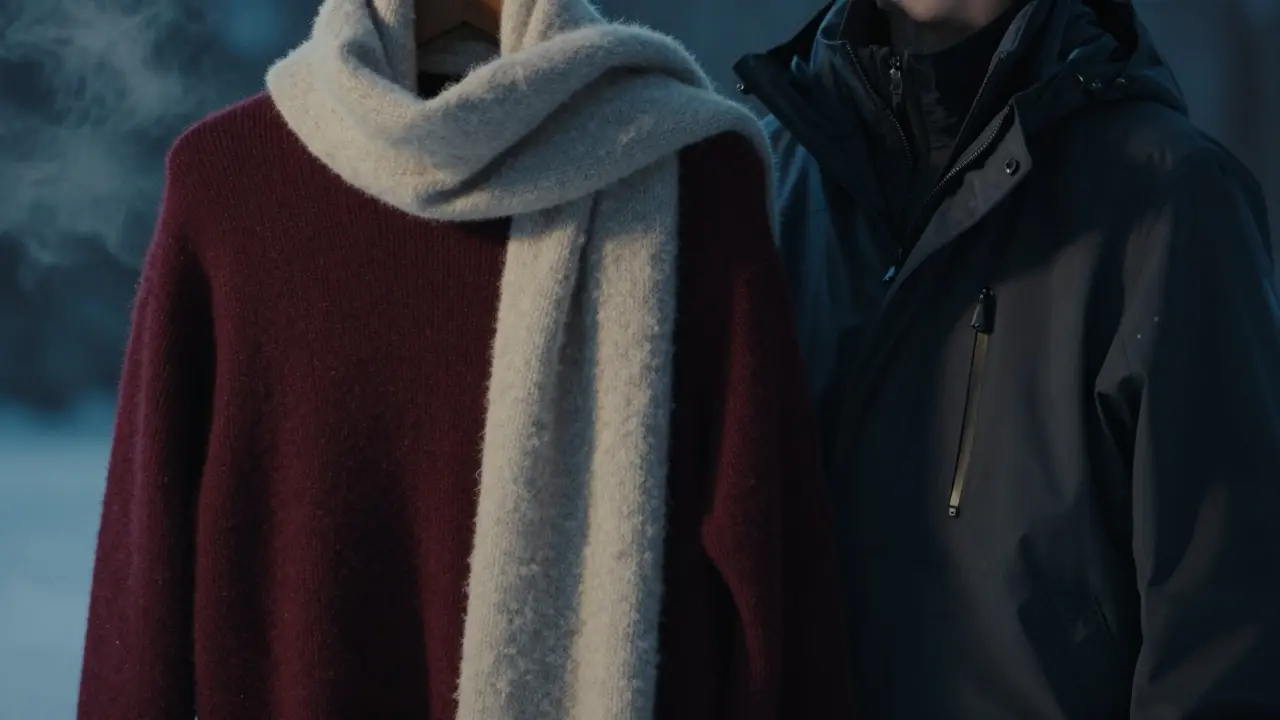
Winter demands serious insulation. The goal is to keep heat in and cold air out. Fabrics need to be dense, heavy, and capable of retaining warmth even when damp. In cities like New York, where wind chill is a major factor, windproof properties are essential.
Merino Wool is a fine wool obtained from Merino sheep, prized for its softness, warmth, and odor resistance is arguably the best winter fabric available. It regulates temperature better than any other natural fiber. Even if it gets wet, it retains heat. Plus, it resists odors, so you can wear the same sweater for days without washing it. Cashmere is another top contender. It’s lighter than wool but twice as warm. However, it’s delicate and expensive, so reserve it for special occasions or high-end layering.
For outerwear, look for technical fabrics with Gore-Tex or similar membranes. These materials are waterproof and windproof while remaining breathable. Underneath, avoid cotton. Cotton absorbs moisture and loses its insulating properties when wet, which can lead to hypothermia in extreme conditions. Stick to synthetics like polyester fleece or natural fibers like wool for base layers.
Shearling and faux fur are excellent for lining coats and hats. They provide immediate warmth against the skin. Remember, thickness matters in winter. A thick knit sweater will always outperform a thin one, regardless of the material. Combine these heavy fabrics with thermal underwear for maximum protection against freezing temperatures.
Sustainable Choices Across Seasons
Choosing fabrics isn’t just about comfort; it’s also about impact. Many conventional fabrics have a high environmental cost. Cotton uses massive amounts of water, and polyester sheds microplastics into our oceans. Fortunately, there are sustainable alternatives that perform well across all seasons.
Hemp is a fantastic year-round option. It requires less water than cotton, grows quickly, and produces a durable, breathable fabric. It’s great for spring and summer shirts but can be woven thicker for fall jackets. Organic cotton is another step up from conventional cotton, using fewer pesticides and less water. For winter, recycled wool and cashmere reduce waste by repurposing existing fibers instead of raising new animals.
Tencel (Lyocell) is made from wood pulp in a closed-loop process that recycles solvents. It’s soft, breathable, and biodegradable, making it suitable for all seasons depending on the weave. By choosing these materials, you support a healthier planet without sacrificing comfort or style. Check labels for certifications like GOTS (Global Organic Textile Standard) or OEKO-TEX to ensure the fabrics meet strict environmental and safety standards.
What is the most breathable fabric for summer?
Linen is widely considered the most breathable fabric due to its loose weave and hollow fibers, which allow air to circulate freely and heat to escape quickly.
Is cotton good for winter clothing?
Cotton is not ideal for winter, especially as a base layer. It absorbs moisture and loses insulation when wet. Wool or synthetic thermals are much safer and warmer options for cold weather.
How do I choose fabrics for unpredictable spring weather?
Opt for versatile mid-weight fabrics like linen-cotton blends or lightweight wool. These materials handle temperature changes well and can be layered easily as the day progresses.
What fabric is best for humid climates?
Bamboo viscose and Tencel are excellent for humid climates because they wick moisture away from the skin and dry quickly, preventing that sticky, uncomfortable feeling.
Are synthetic fabrics ever good for winter?
Yes, synthetic fabrics like polyester fleece and nylon are great for winter outerwear and base layers. They provide excellent wind resistance and retain warmth even when damp, unlike cotton.