

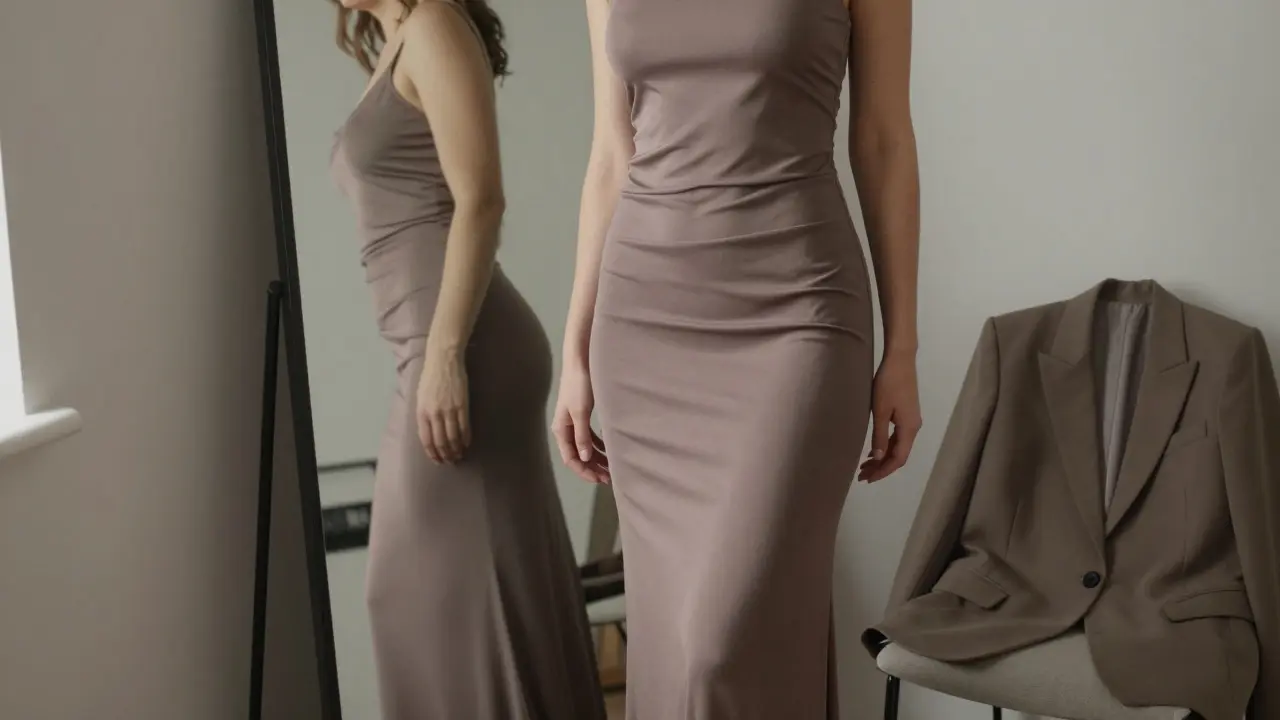
Have you ever put on a dress that looked perfect on the hanger, then felt like it swallowed you whole-or worse, made you look boxy? It’s not your body. It’s the fabric.
The way fabric moves-or doesn’t move-around your body has more impact on your silhouette than your size. Two people wearing the same cut in different materials can look like they belong to entirely different body types. That’s because fabric weight and structure don’t just drape; they sculpt.
Why Fabric Weight Matters More Than You Think
Fabric weight isn’t about thickness alone. It’s about how the material behaves under gravity. Light fabrics like chiffon or rayon cling, flow, and pool. Heavy ones like wool crepe or denim hold shape, resist movement, and create structure. Neither is better. But choosing the wrong one for your shape can undo everything else.
Take a pear-shaped body. Wide hips, narrower shoulders. A lightweight A-line skirt in silk georgette will float away from the hips, creating balance. But the same skirt in stiff twill? It sticks out like a tent, drawing attention exactly where you don’t want it.
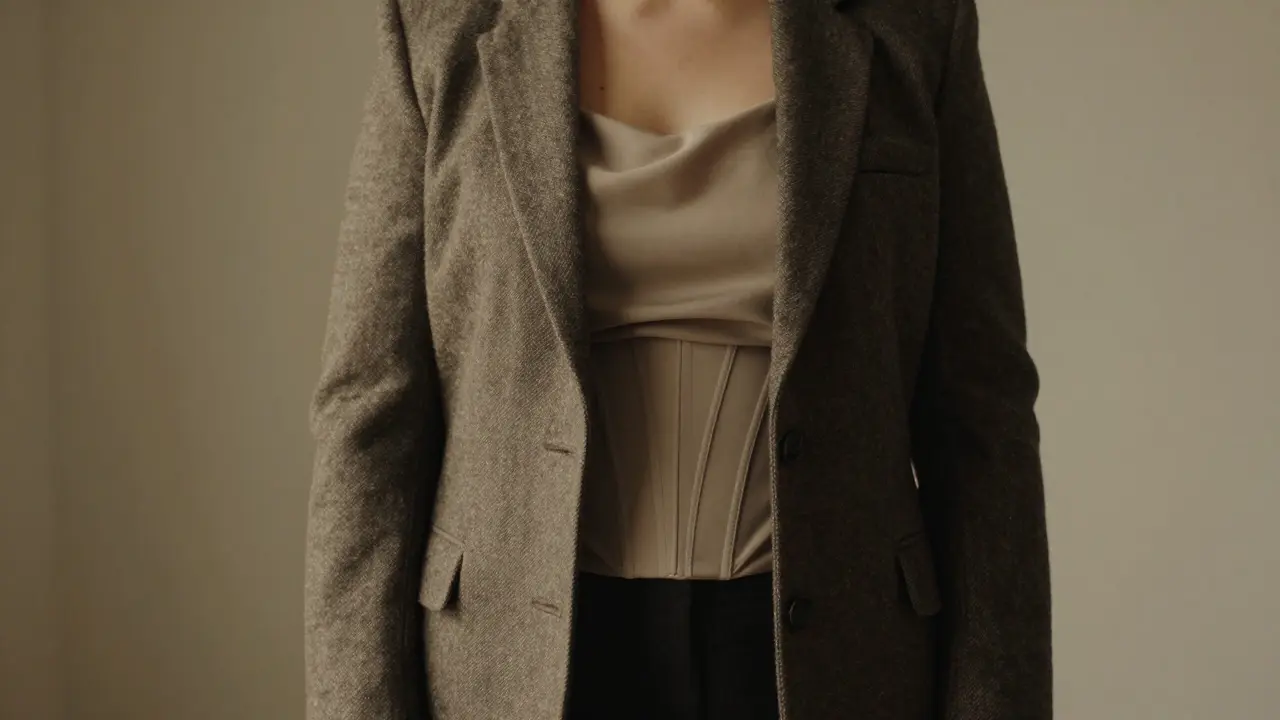
On the other hand, someone with an apple shape-broader midsection, slimmer legs-can use structured fabrics to define the waist and minimize bulk. A wool-blend blazer with internal boning doesn’t just look polished; it redirects the eye upward and creates an illusion of a narrower waist.
Structured Fabrics: The Architects of Shape
Structured fabrics are the backbone of tailored clothing. They include wool gabardine, bouclé, heavy cotton poplin, canvas, and even some synthetic blends with resin finishes. These materials don’t bend easily. They hold their form. That’s why they’re used in blazers, pencil skirts, corseted bodices, and tailored trousers.
These fabrics work best when you want to create definition. If you have a rectangular shape-minimal curves-structured pieces add curves where nature didn’t. A structured peplum top over straight-leg pants gives the illusion of a waist. A high-waisted wool pencil skirt adds volume where you need it, without adding bulk.
But here’s the catch: structured fabrics can amplify problem areas if used poorly. A heavy fabric draped over the upper back? It’ll make you look broader. A stiff skirt that doesn’t flare? It’ll cling to hips and thighs, making them look larger. The key isn’t to avoid structure-it’s to place it strategically.
Fluid Fabrics: The Sculptors of Flow
Fluid fabrics move with you. They’re soft, lightweight, and responsive. Think silk charmeuse, viscose rayon, cupro, modal, and thin linen. These materials follow the body’s contours, pooling slightly at the ankles or fluttering as you walk.
Fluid fabrics are magic for hourglass figures. A wrap dress in silk crepe clings gently to the bust and hips, then flows out from the waist-accentuating curves without squeezing. For petite frames, fluid fabrics create length. A floor-length viscose maxi dress doesn’t add bulk; it draws the eye down, making you look taller.
But fluid fabrics aren’t a cure-all. If you have a fuller bust or hips, a completely unstructured top in thin fabric can cling too tightly, revealing every curve-even the ones you’d rather soften. That’s why layering matters. A fluid top under a structured cardigan? That’s a game-changer. The structure controls, the fluidity flows.
Matching Fabric to Body Shape: A Simple Guide
There’s no one-size-fits-all rule. But there are patterns that work. Here’s how to match fabric weight to your shape:
- Pear shape (wider hips): Choose structured tops (blazers, ruffled shoulders) to balance the lower half. Pair with fluid skirts or pants that skim the hips-avoid stiff A-lines.
- Apple shape (broad midsection): Use structured fabrics at the waist (belts, corseted details) to define shape. Avoid stiff fabrics around the belly. Opt for fluid fabrics that drape softly over the midsection.
- Hourglass shape (balanced bust and hips): You can wear almost anything. But fluid fabrics enhance curves naturally. Structured pieces add polish. Avoid overly loose fabrics-they hide your shape.
- Rectangular shape (straight silhouette): Use structured pieces to create curves. Peplums, padded shoulders, and tailored jackets add dimension. Avoid all-fluid outfits-they make you look shapeless.
- Petite frame: Stick to lightweight fabrics. Heavy materials overwhelm. Fluid fabrics create vertical lines. Avoid bulky weaves or stiff collars that cut your height.
- Tall frame: You can handle heavier fabrics. Use them to add presence. Structured coats, wide-leg trousers in wool-these make you look grounded, not stretched.
The Fabric Test: How to Know What Works
Before you buy, do this simple test: hold the fabric up to your body. Not the garment. The raw fabric.
Does it cling? That’s fluid. Does it stand away? That’s structured.
Now, drape it over your hip. Does it fall naturally, or does it puff out? If it puffs, it’s too stiff for your shape. If it disappears into your curves, it’s probably a good match.
Try the same with your waist. If the fabric pulls or wrinkles when you sit, it’s too tight or too heavy. If it just flows, you’re on the right track.
Another trick: look at how the garment looks when you’re not standing perfectly still. Walk. Sit. Twist. If the fabric moves with you, it’s working. If it fights you, it’s working against you.
Real-World Examples: What Works in Practice
Take a woman with a pear shape who loves maxi dresses. She used to buy flowy ones in lightweight cotton. They pooled around her hips, making her legs look shorter. Then she switched to a mid-weight cupro dress with a V-neck and subtle A-line cut. The fabric still flowed, but it had enough body to lift slightly off the hips. Instant balance.
Or a man with an apple shape who hates how his shirts bunch. He started choosing shirts in medium-weight cotton poplin with a slight stretch and a slightly longer tail. The fabric held its shape without stiffness. No bunching. No bulging. Just clean lines.
Even denim behaves differently. Skinny jeans in 100% cotton stretch cling and highlight. But wide-leg jeans in medium-weight denim with a bit of structure? They create a clean line from waist to ankle, making legs look longer and more defined.
Common Mistakes and How to Fix Them
People make the same errors over and over:
- Wearing stiff fabrics over curves → Replace with fluid fabrics that drape softly.
- Choosing only flowy fabrics to hide shape → Add one structured piece (belt, blazer, collar) to create definition.
- Ignoring fabric movement → Always test how it looks when you move. Static photos lie.
- Thinking ‘light = better’ → Light fabrics can cling too much. Medium weight often strikes the perfect balance.
The goal isn’t to hide your body. It’s to work with it. Fabric is the silent partner in your outfit. Choose wisely, and it’ll make you look taller, slimmer, more balanced-even if you’re wearing the same size as yesterday.
Final Thought: It’s Not About Size. It’s About Structure.
Body shape isn’t a problem to fix. It’s a canvas. Fabric is your brush. Structured materials give you edges. Fluid ones give you motion. The best outfits combine both.
Next time you’re shopping, don’t just ask: ‘Does this fit?’ Ask: ‘Does this move with me-or against me?’
The answer will change everything.


Write a comment