

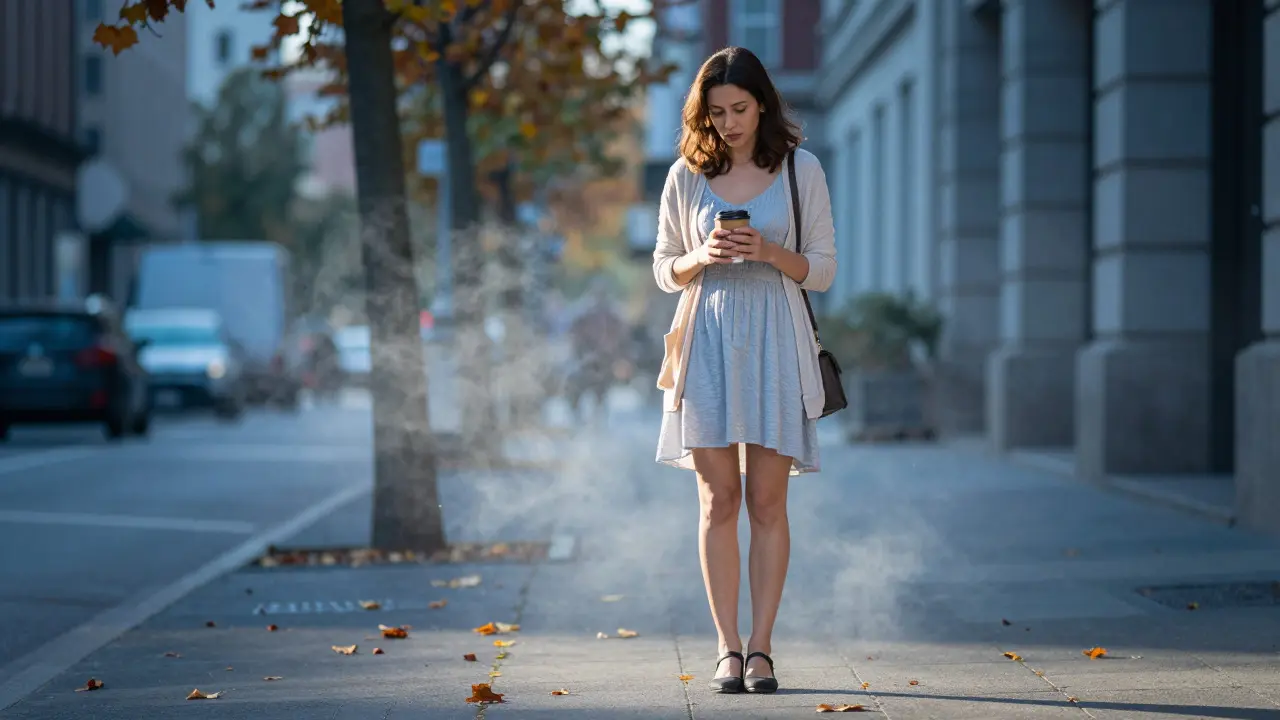
That specific moment in early September when the morning air bites just enough to make you regret wearing shorts, but the afternoon sun still begs for light fabrics? We’ve all been there. It’s the chaotic bridge between summer heat and true winter chill, often called the "shoulder season." Navigating this weather whiplash is less about buying a whole new closet and more about mastering the art of layering. If you treat your wardrobe as a modular system rather than a static collection, you can handle temperature swings from 70°F to 45°F without looking like you’re trying too hard or freezing on the subway.
The goal isn’t just warmth; it’s adaptability. You need outfits that work for an outdoor coffee run, a stuffy office environment, and an evening walk home. This requires understanding fabric weights, silhouette balancing, and the strategic use of transitional pieces that serve multiple purposes.
The Physics of Comfort: Why Layering Works
Before picking out clothes, understand why layering is scientifically superior to wearing one thick garment. Air is an insulator. When you wear multiple thin layers, you trap pockets of warm air between them. As your body heats up, you can remove a layer to release that heat. A single heavy coat does the opposite-it traps sweat and makes you clammy because you can’t easily adjust to micro-climates.
Think of your outfit in three distinct zones:
- The Base Layer: This touches your skin. It manages moisture. Cotton is comfortable but terrible here because it holds sweat and gets cold. Opt for merino wool, bamboo, or high-quality synthetic blends that wick moisture away while keeping you dry.
- The Mid-Layer: This is your insulation engine. Flannel shirts, lightweight sweaters, cardigans, and fleece vests belong here. This is the layer you add or remove most frequently.
- The Outer Layer: This protects against wind and rain. Trench coats, denim jackets, leather jackets, and structured blazers fit this role. They shield the inner layers so they don’t get damp or blown through.
By separating these functions, you gain control. If you’re hot, unzip the outer shell or shed the mid-layer. If you’re cold, button up and add a scarf. It’s a dynamic system that responds to your day.
Essential Transitional Pieces for Your Closet
You don’t need twenty new items. You need five versatile anchors that mix and match effortlessly. These are the pieces that define the fall aesthetic while remaining practical for daily life.
| Item | Material Recommendation | Function | Styling Tip |
|---|---|---|---|
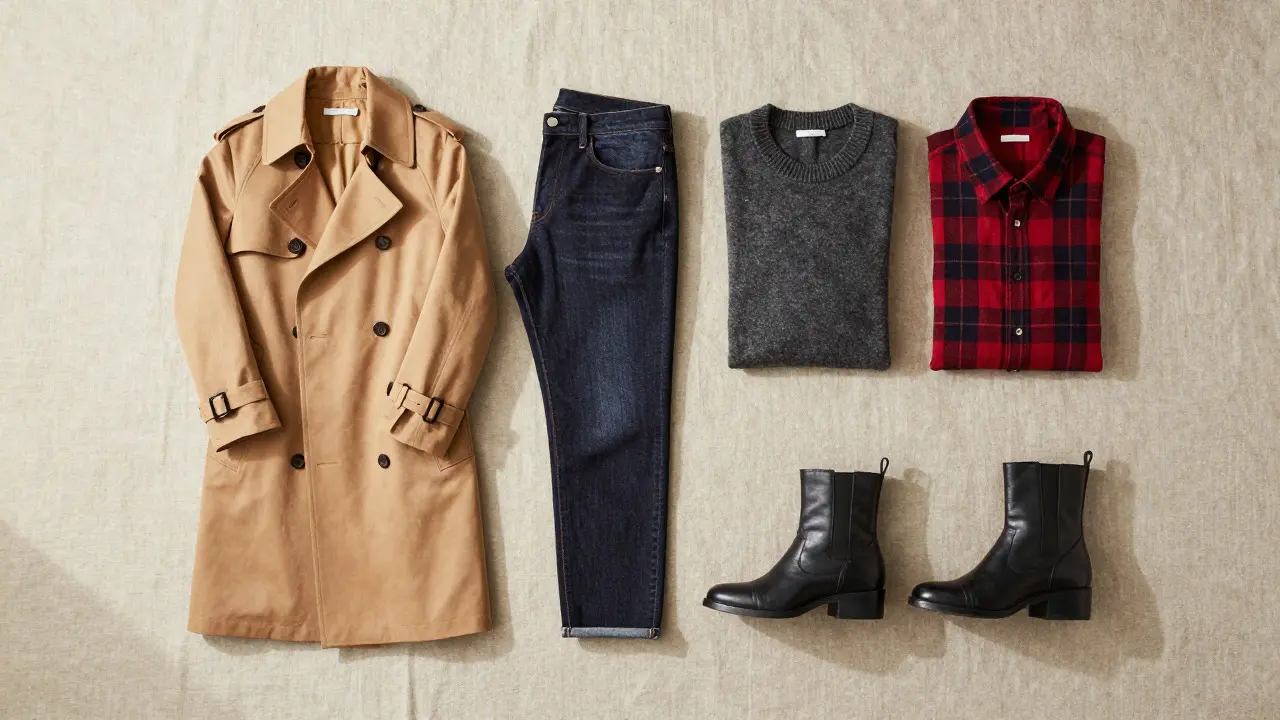
| Trench Coat | Cotton gabardine or recycled polyester | Wind/rain protection; adds structure | Wear open over dresses or tucked jeans |
| Denim Jacket | Medium-weight raw or washed denim | Casual outer layer; durable | Layer over hoodies or silk camisoles |
| Merino Wool Sweater | 100% Merino wool (160-200gsm) | Temperature regulation; odor resistant | Wear under blazers or alone with trousers |
| Flannel Shirt | Cotton or wool-blend flannel | Mid-layer insulation; texture contrast | Wear unbuttoned over tees or buttoned under coats |
| Leather Moto Jacket | Genuine leather or high-quality vegan alternative | Windbreaker; edgy aesthetic | Pairs with feminine skirts or casual jeans |
Notice how each piece serves a different texture and formality level. The trench coat is polished, the denim jacket is rugged, and the sweater is soft. Mixing these textures prevents your outfit from looking flat or boring, even if you’re wearing neutral colors.
Mastering Silhouette and Proportion
The biggest mistake people make during fall transitions is adding bulk everywhere. If you wear baggy jeans, a loose sweater, and an oversized coat, you risk looking swallowed by your clothes. The key is contrast. Balance volume with structure.
If your outer layer is oversized-like a big wool coat or a boxy blazer-keep your base layers fitted. Tuck your shirt into your pants. Wear slim-fit trousers or leggings underneath. This creates a clean line that elongates your frame. Conversely, if you’re wearing wide-leg trousers or a flowing midi skirt, opt for a cropped jacket or a fitted turtleneck. This defines your waist and keeps the look intentional rather than sloppy.
Pay attention to hemlines. In cooler weather, longer hems provide more coverage and warmth. Midi skirts and ankle-length pants are perfect. They allow room for thicker socks and boots without bunching up at the ankles. If you prefer shorts, pair them with knee-high boots and opaque tights to extend the leg line and retain heat.
Fabric Weight and Breathability
Not all fabrics are created equal when temperatures fluctuate. Heavy cottons like denim and corduroy are excellent for fall because they have natural thermal mass-they take time to heat up and cool down, providing stability. However, avoid heavy cotton for base layers, as mentioned earlier.
Wool is the king of transitional fabrics. Unlike synthetic fibers that can feel plastic-like, wool breathes. It absorbs moisture vapor from the air (up to 30% of its weight) without feeling wet. This means a wool sweater keeps you warm even if it gets slightly damp from humidity or light rain. Look for blends that include cashmere or alpaca for added softness and warmth without the itch factor.
Silk and satin also play a surprising role. A silk slip dress or a satin blouse can be worn alone in mild weather. When it gets colder, simply throw a chunky knit cardigan or a leather jacket over it. The contrast between the sleek, cool-to-the-touch silk and the warm, textured outer layer creates visual interest and functional versatility.
Accessories as Thermal Regulators
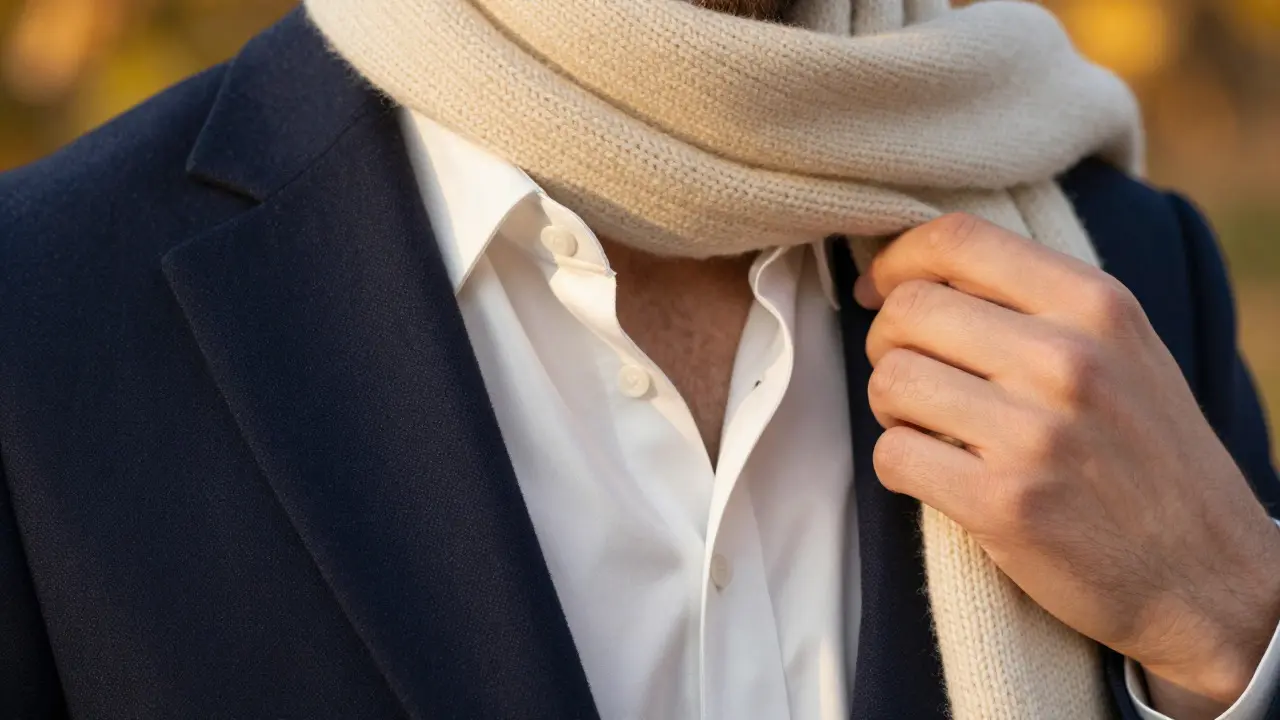
Accessories aren’t just decorative; they’re critical tools for managing temperature. A scarf is essentially a portable blanket for your neck, which is a major heat-loss area. A lightweight wool or cashmere scarf can replace a heavier coat in mild conditions.
Hats and gloves follow the same logic. A beanie made of merino wool provides significant warmth without bulk. Leather gloves protect your hands from wind while allowing dexterity for using phones or holding coffee cups. Avoid bulky mittens unless you’re heading into deep winter; they restrict movement and look out of place in urban settings.
Footwear is equally important. Swap sandals for loafers, ankle boots, or Chelsea boots. Suede and leather offer better insulation than canvas. If you live in a rainy city like New York, invest in waterproof treatments for your suede shoes. Waterlogged feet kill the vibe faster than any other discomfort.
Color Palettes for Autumn
While personal style dictates color choices, autumn naturally lends itself to richer, deeper hues. Think earth tones: olive green, mustard yellow, burnt orange, rust, navy, and charcoal. These colors absorb more light and visually feel warmer, which psychologically complements the cooling weather.
However, don’t shy away from neutrals. Black, white, gray, and beige remain staples. The trick is to introduce texture to keep neutrals from looking dull. A black wool coat paired with a black cashmere sweater and black jeans looks sophisticated only if the textures differ. The matte finish of the wool contrasts with the sheen of the cashmere and the roughness of the denim.
If you love bright colors, use them as accents. A red scarf, a yellow bag, or blue sneakers can pop against a muted background. This approach allows you to keep your core wardrobe timeless while expressing personality through smaller, interchangeable items.
Building a Capsule Approach
You don’t need a massive wardrobe to navigate fall. A capsule mindset focuses on quality over quantity. Aim for 10-15 core items that all mix and match. For example, if you buy a camel trench coat, ensure it goes with your black jeans, your gray sweater, and your white shirt. If it clashes with half your closet, it’s not a good investment.
Invest in tailoring. Off-the-rack clothes rarely fit perfectly. Spending $50 to hem pants or taper a jacket transforms a cheap item into a luxury-feeling piece. Well-fitted layers look expensive regardless of price tag. Poorly fitted layers look messy, no matter how much you paid.
Finally, care for your fabrics. Wool should be aired out, not washed frequently. Dry cleaning is harsh and breaks down fibers over time. Use cedar blocks instead of mothballs. Store kniters folded, not hung, to prevent stretching. Taking care of your clothes extends their life and ensures they perform well season after season.
What is the best material for a base layer in fall?
Merino wool is the gold standard for fall base layers. It regulates temperature effectively, wicks moisture away from the skin, and resists odors, meaning you can wear it multiple times before washing. Bamboo and high-quality synthetic blends are also good alternatives if you prefer non-wool options.
How do I layer without looking bulky?
Focus on thin, technical fabrics for base and mid-layers. Choose fitted silhouettes for inner layers and reserve volume for the outermost layer. Tucking in shirts and defining your waist helps maintain a streamlined appearance. Avoid combining multiple oversized items simultaneously.
Can I wear summer dresses in fall?
Absolutely. Pair lightweight summer dresses with opaque tights, knee-high boots, and a structured jacket or coat. Adding a scarf and gloves completes the look. This method extends the life of your summer wardrobe and reduces the need for immediate new purchases.
What shoes are best for transitional weather?
Ankle boots, Chelsea boots, and loafers are ideal. They provide more coverage and insulation than sandals but are lighter than heavy winter boots. Look for water-resistant materials like treated leather or suede to handle unexpected rain showers common in early fall.
How many layers should I wear?
Typically, two to three layers are sufficient for fall. A base layer for moisture management, a mid-layer for insulation, and an outer layer for protection. Adjust based on activity level and specific weather conditions. The ability to remove a layer is crucial for comfort in variable temperatures.