

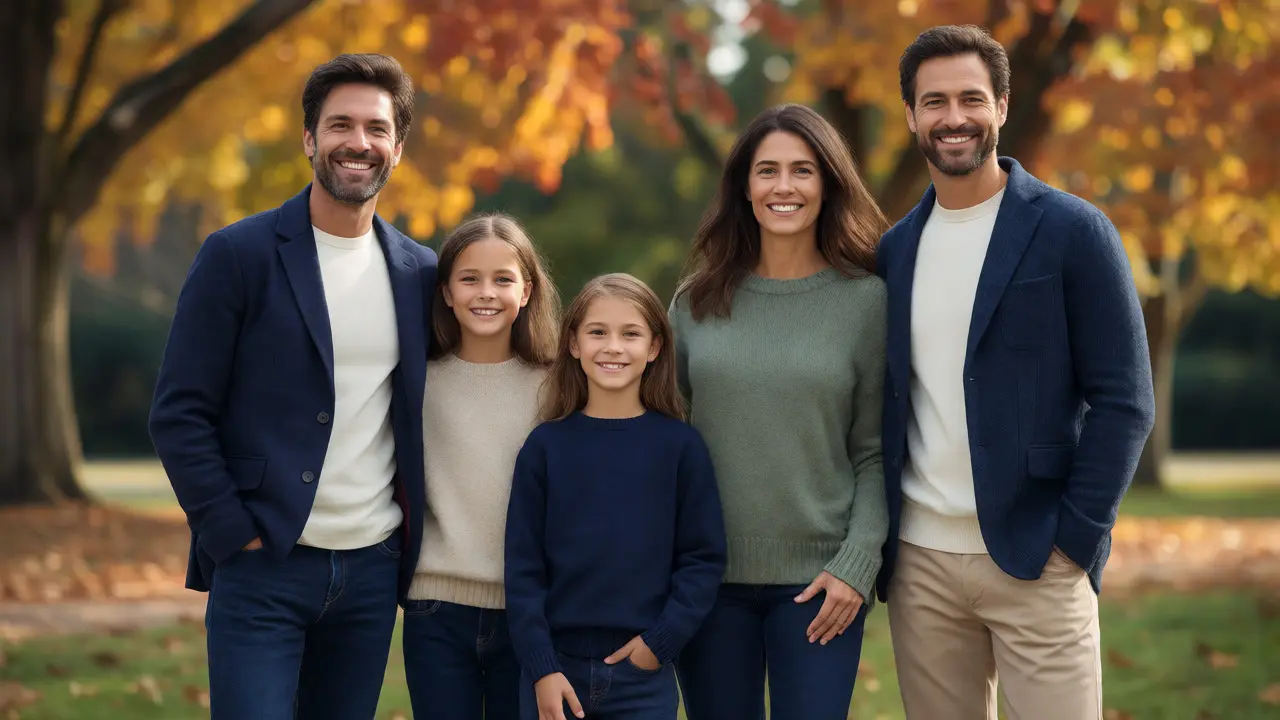
You’ve booked the photographer. You’ve picked the location-maybe it’s the crisp autumn air of Seattle’s Discovery Park or a cozy indoor studio. But now you’re staring at your closet, paralyzed by a single question: what on earth are we going to wear?
It’s not just about looking good in person; it’s about looking good through a lens. Cameras flatten images and can wash out colors if you aren’t careful. A mismatched outfit doesn’t just look messy-it distracts from the faces, which is what the photo is actually about. The goal isn’t to dress like clones, but to create visual harmony.
Why Coordination Beats Matching
There is a massive difference between "matching" and "coordinating," and most families get this wrong. Matching means everyone wears the exact same shirt-think identical red polos and khaki pants. It looks dated and stiff. Coordinating means everyone plays within the same color palette and style vibe, but with individual flair.
Think of your family as a team working toward one aesthetic goal. If Dad wears a navy blazer, Mom might wear a cream blouse, and the kids could wear soft blue sweaters. They aren’t wearing the same thing, but they belong together. This approach allows each person’s personality to shine while keeping the image cohesive.
Here is the golden rule: choose a base color (usually neutral), then add two accent colors. For example, a base of gray or beige, accented with burgundy and sage green. Everyone picks items that fit into this scheme. No one needs to wear every color, but no one should wear a neon orange shirt that screams for attention against a muted background.
Building Your Color Palette
Choosing colors is the hardest part, so let’s make it simple. Start with your location. Are you shooting outdoors in nature? Earth tones like olive, rust, mustard, and denim blue work beautifully because they complement trees and grass. Shooting in an urban setting with brick and concrete? Try deeper tones like charcoal, maroon, or forest green to pop against the gray backdrop.
Avoid pure white unless you want to look overexposed. Cameras struggle with bright whites, often blowing out details in lace or fabric textures. Instead, opt for off-white, ivory, or light gray. These softer neutrals reflect light gently and keep skin tones looking natural.
Also, steer clear of large logos and busy patterns. A giant brand logo on a t-shirt acts like a billboard in the photo, pulling focus away from eyes. Small, subtle patterns like thin stripes or tiny florals are fine, but avoid loud plaids or chaotic prints that clash when people stand next to each other.
Fabric Matters More Than Fit
You might think fit is everything, but texture is the secret weapon of great photography. Smooth fabrics like satin or shiny polyester can create harsh glare under studio lights or direct sunlight. On the flip side, matte fabrics absorb light and look richer. Think wool, cotton, linen, and cashmere.
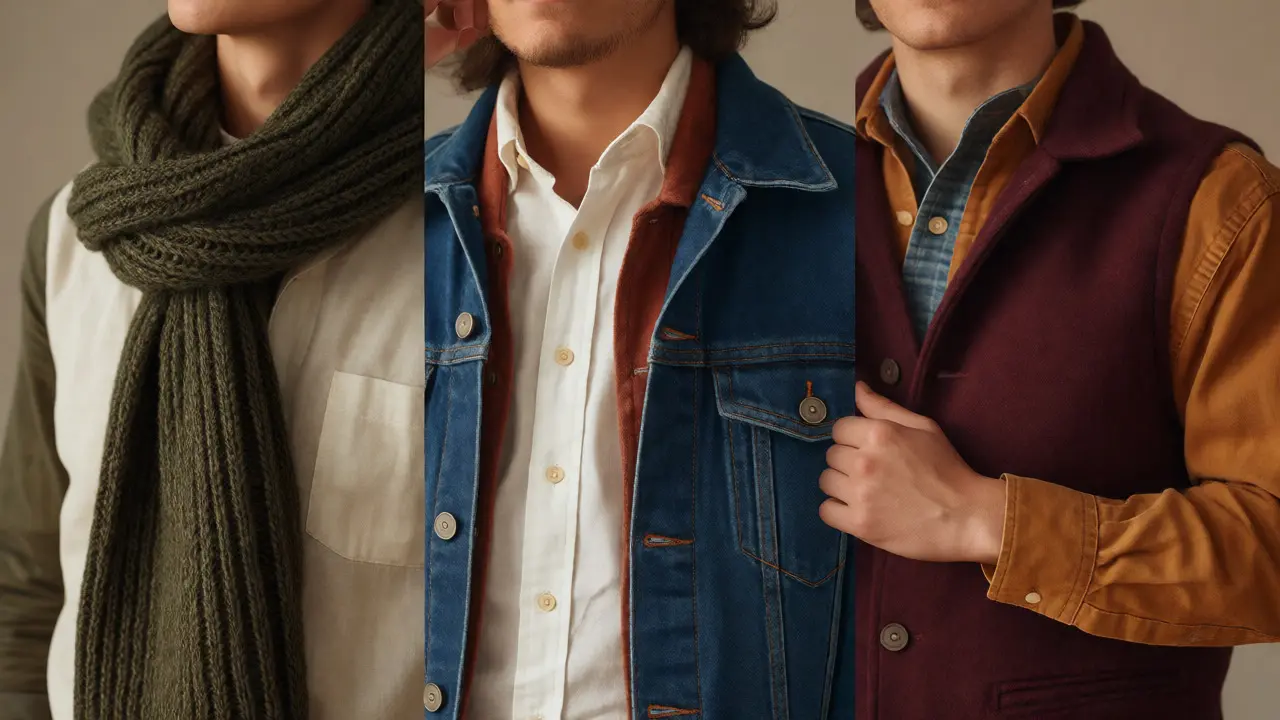
Layering adds depth. A simple sweater looks flat. Add a scarf, a vest, or a jacket, and suddenly the image has dimension. Layers also allow you to adjust for comfort. If the kids get too hot, they can shed a layer without breaking the color scheme. Just ensure the hidden layers don’t have conflicting colors peeking out unexpectedly.
| Fabric Type | Photographic Effect | Best Use Case |
|---|---|---|
| Wool/Knit | Adds texture and warmth; absorbs light well | Fall/Winter outdoor shoots |
| Linen/Cotton | Crisp, clean look; may wrinkle easily | Spring/Summer casual shoots |
| Satin/Silk | Reflective; can cause glare or highlights | Studio portraits with controlled lighting |
| Denim | Neutral, versatile; adds rugged texture | Any casual or rustic setting |
Dressing for Different Ages
Kids move. They run, jump, and sit on the ground. If you dress them in dry-clean-only silk, you’ll be stressed the entire shoot. Prioritize comfort and durability. For toddlers, elastic waistbands are your best friend. You do not want to be adjusting zippers or buttons every thirty seconds.
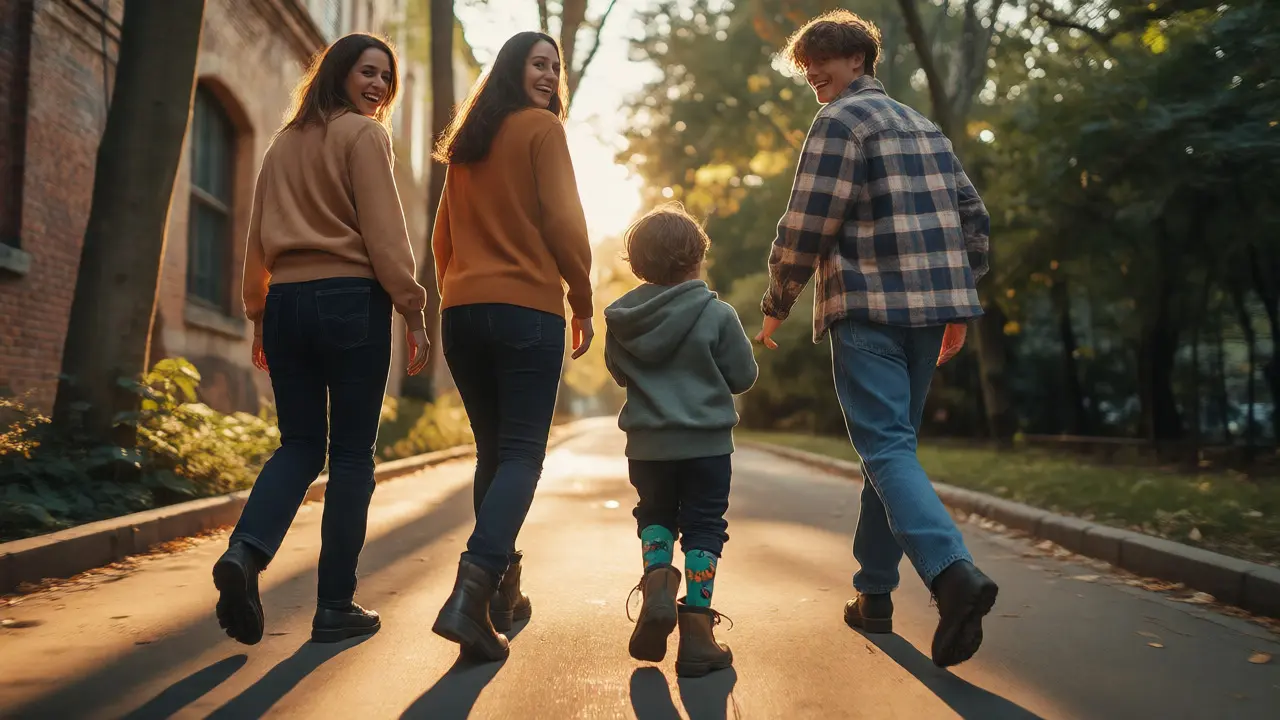
For teenagers, this is often the trickiest demographic. They hate looking "dressed up." Give them agency. Let them pick their own jeans or shoes, as long as they stick to the agreed-upon color palette. A teen in dark jeans and a solid-colored flannel shirt looks effortless and fits right in with a more formal parent outfit.
Babies and infants require special care. Avoid scratchy tags and tight collars. Soft onesies or simple rompers in neutral tones work best. If you want to include props, like a blanket, make sure the blanket complements the baby’s outfit rather than competing with it. A solid-colored blanket keeps the focus on the child’s face.
The Power of Accessories
Accessories are where you tie the look together. They add interest without requiring everyone to change their main outfit. Hats, scarves, belts, and jewelry can introduce your accent colors subtly.
Consider footwear carefully. Shoes are visible in full-body shots. Mismatched sneakers can ruin an otherwise polished look. Aim for consistency in style-if Dad wears boots, maybe Mom wears ankle boots, and the kids wear sturdy shoes in similar earth tones. Clean your shoes! Dirty soles show up clearly in high-resolution images.
Jewelry should be minimal. Large, dangling earrings can catch the light and create distracting sparkles. Simple studs or small hoops are safer. Watches are great for adding a touch of sophistication, especially for men.
Practical Checklist Before You Leave Home
Before you head out, do a final check. Iron or steam every single item. Wrinkles look ten times worse in photos than in real life. Bring a lint roller-pet hair and dust are inevitable. Pack safety pins and double-sided tape for quick fixes if a hem drops or a gap opens.
Check the weather forecast. Seattle autumns are unpredictable. Have a backup plan. If it rains, can you still shoot? Maybe you need umbrellas that match your palette (clear umbrellas are chic and unobtrusive). If it’s windy, avoid loose scarves that might fly into someone’s face.
Finally, take test photos. Put everyone in their chosen outfits and snap a few pictures with your phone. Look at them on a big screen. Do any colors clash? Does anyone look washed out? Adjust now, not after you’re standing in front of the camera.
Common Mistakes to Avoid
- Wearing all black: Unless it’s a specific artistic choice, all-black groups can look like a funeral procession. Black absorbs light and can make faces disappear.
- Ignoring the background: Don’t wear green if you’re shooting in a lush forest. You’ll blend right in. Contrast is key.
- Last-minute shopping: Buying new clothes days before the shoot leads to discomfort. Break in new shoes weeks in advance.
- Over-accessorizing: Too many accessories create visual noise. Less is more.
Final Thoughts on Confidence
The best accessory is confidence. If you feel uncomfortable or self-conscious, it shows in your posture and smile. Choose outfits that make you feel like yourself, just a slightly elevated version. When you feel good, you relax, and relaxed people photograph better.
Remember, these photos are for your family, not for a fashion magazine. Authenticity trumps perfection. If your kid insists on wearing his favorite dinosaur socks, let him. It adds character and tells a story about who you are. Coordination provides the framework; your personalities fill it with life.
Should the whole family wear the same color?
No, wearing the exact same color often looks uniform-like and dated. Instead, coordinate by choosing a complementary color palette. For example, if the theme is navy and grey, one person might wear a navy sweater, another a grey shirt, and another a navy-and-grey patterned scarf. This creates unity without rigidity.
What colors should I avoid for family photos?
Avoid neon colors, pure white, and large logos. Neon colors cast unnatural reflections onto skin tones. Pure white can blow out details due to camera exposure settings. Large logos distract from the subjects' faces. Busy patterns like loud plaids or floral prints can also clash with other family members' outfits.
How do I coordinate outfits for young children?
Prioritize comfort and ease of movement. Choose durable, washable fabrics and elastic waistbands. Stick to the family color palette but allow kids to pick styles they like, such as jeans with a solid-colored tee. Avoid restrictive clothing that causes fussiness during the shoot.
Is it okay to wear jeans for a family photoshoot?
Yes, jeans are excellent for casual or semi-formal shoots. Dark-wash or black jeans look cleaner and more polished than distressed or light-wash jeans. Pair them with nicer tops, sweaters, or blazers to elevate the look. Ensure everyone's jeans are consistent in style (e.g., everyone wears dark wash) to maintain cohesion.
What if our location is very colorful?
If the background is vibrant, such as a flower field or a graffiti wall, wear neutral, muted tones. Solid colors like beige, gray, navy, or pastels will help you stand out without clashing with the environment. Avoid wearing colors that match the dominant hue of the background, or you will blend in.


Write a comment