

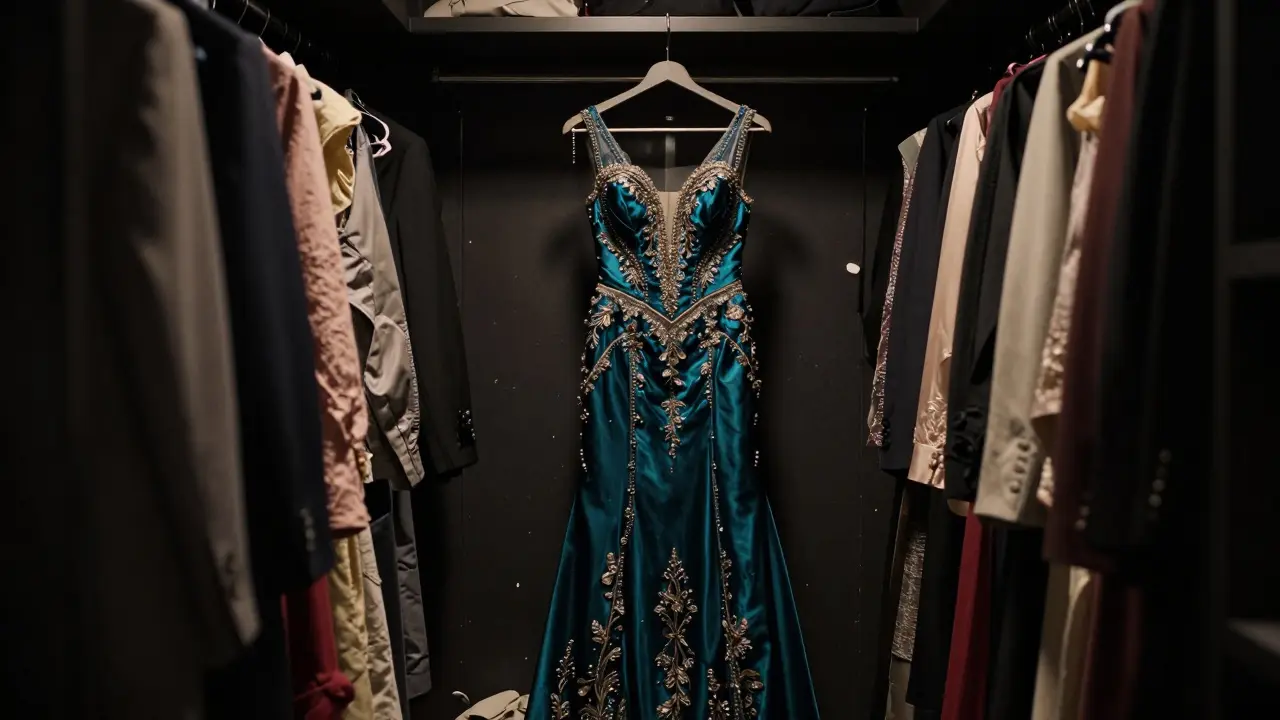
Quick Takeaways for Renters
- Cost Efficiency: Great for high-ticket items like tuxedos or couture gowns.
- Sustainability: Lowers the demand for fast fashion and reduces textile waste.
- Variety: Lets you experiment with brands you'd never buy.
- Risks: Potential for fit issues and the stress of returning items on time.
Why People are Swapping Ownership for Access
The shift toward circular fashion is less about being trendy and more about utility. Think about the logistics of a typical social calendar. You might have a black-tie gala in May, a beach wedding in July, and a corporate conference in September. Buying a specific outfit for each of these scenarios is expensive and creates clutter. By using a rental service, you're essentially paying for the experience of the outfit rather than the fabric itself.
For many, the draw is the prestige. Designer clothing from houses like Gucci or Prada can cost thousands. Renting these pieces for a fraction of the price allows people to access luxury fashion without needing a six-figure salary. It democratizes style, making high-end aesthetics available to anyone with a subscription or a one-time rental fee.

The Upside: Why Renting Wins
The most obvious win is the financial side. If you need a suit for a wedding, buying a mid-range one might cost you $500. Renting a premium version might cost $120. You look better, and you keep $380 in your pocket. Beyond the money, there's the "closet fatigue" factor. We've all felt the stress of a packed wardrobe where we still have "nothing to wear." Renting removes the physical clutter from your home.
From an environmental perspective, this is a huge win for sustainable fashion. The fashion industry is one of the biggest polluters globally, largely due to the "take-make-waste" model of fast fashion. When one dress is shared by twenty different people over its lifetime, the carbon footprint per wear drops drastically. It slows down the cycle of overproduction and keeps millions of tons of polyester and nylon out of landfills.
| Feature | Buying New | Rental Service |
|---|---|---|
| Upfront Cost | High (Full Price) | Low (Rental Fee) |
| Storage Needs | Requires Closet Space | Zero Space Needed |
| Environmental Impact | Higher Waste | Lower Waste (Shared Use) |
| Risk Level | Safe (You Own It) | Moderate (Damage/Fit Issues) |
| Variety | Limited by Budget | High (Frequent Swaps) |
The Downside: The Hidden Hassles
It's not all red carpets and roses. The biggest headache is the fit. No matter how detailed the size charts are, a rental might arrive and not quite sit right on your shoulders or waist. If you're renting for a Saturday event and the dress arrives on Thursday and doesn't fit, you're in a panic. Most services offer a backup size for a fee, but that adds to the cost.
Then there's the "rental anxiety." Have you ever worn a borrowed shirt and spent the whole night terrified of spilling red wine on it? Now imagine that feeling with a $2,000 gown. While most rental platforms include basic cleaning and accidental damage insurance, the mental load of being "extra careful" can take away from the enjoyment of the event.
Logistics can also be a pain. Returning an item involves packing it up and getting it to a shipping point. If you forget the return date, you'll see those "late fees" hit your credit card quickly. For some, the friction of shipping and receiving outweighs the benefit of a new look.
How to Choose the Right Service
Not all rental services are the same. Some focus on a subscription model where you get a set number of items per month-perfect for people who like to change their daily work wardrobe. Others are event-specific, focusing on one-off rentals for weddings or proms. To get the most out of these services, look for those that offer:
- Fit Guarantee: Services that allow free exchanges or provide a complementary backup size.
- Dry Cleaning Included: Never pay for the cleaning yourself; it should be part of the service fee.
- Curation: Some services use AI or stylists to suggest pieces based on your body type and preferences.
- Transparent Insurance: Make sure you know exactly what "normal wear and tear" means versus a "damage fee."
The Future of Your Closet
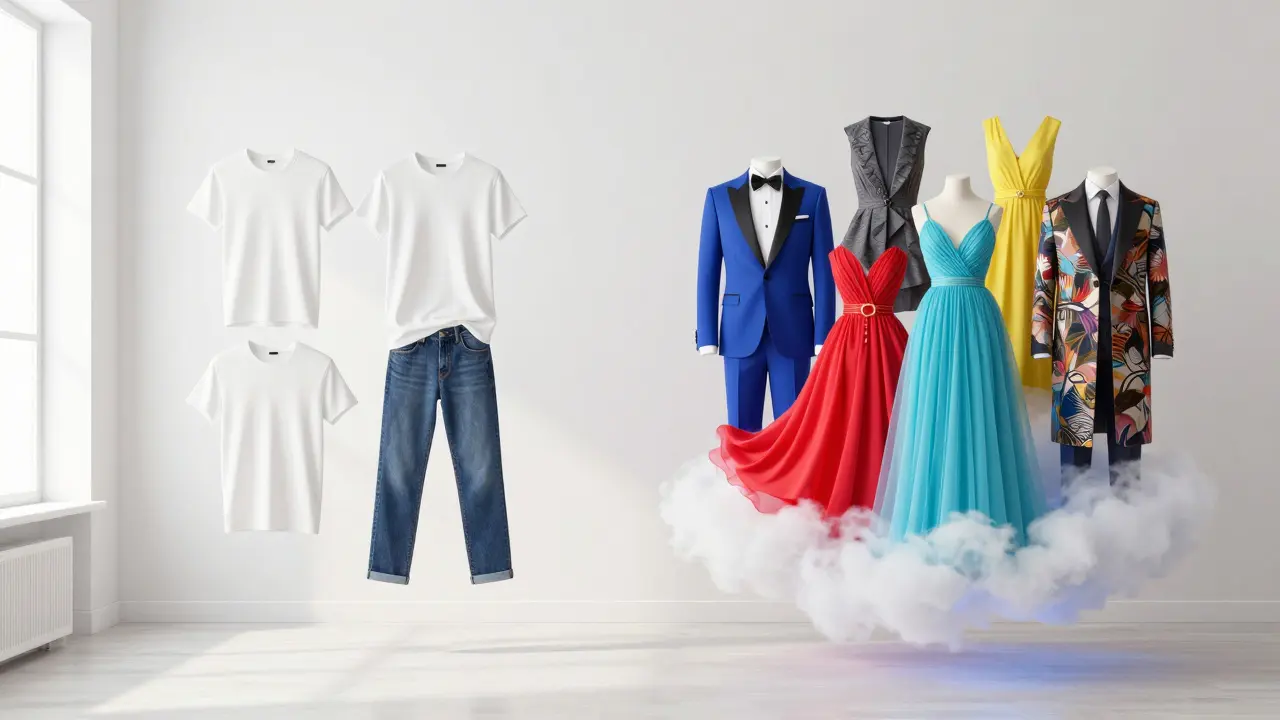
We're moving toward a world where we own the basics and rent the statements. You'll keep your favorite jeans and white tees, but your evening wear, seasonal coats, and trend-heavy pieces will live in a shared cloud of clothing. This approach mimics how we handle other services now-we don't buy DVDs anymore; we use streaming. We don't buy every book we read; we use libraries or e-books. Clothing is simply the next frontier of the sharing economy.
If you're on the fence, start small. Try renting one piece for your next big event. See if the convenience of not having to store and maintain the garment outweighs the stress of the return process. You'll likely find that the freedom of a lighter closet is more valuable than the ownership of a dress you'll only wear once every five years.
Is renting clothes actually more sustainable than buying?
Generally, yes. By sharing a single garment among multiple users, the total number of items produced is reduced. This lowers the demand for raw materials and prevents clothes from ending up in landfills. However, the sustainability gain is slightly offset by the carbon footprint of shipping items back and forth and the chemicals used in frequent industrial dry cleaning.
What happens if I accidentally stain a rental outfit?
Most reputable rental services include basic insurance in their pricing that covers common accidents like a small splash of wine or a minor pull in the fabric. However, major damages-like a large rip or a permanent ink stain-usually result in a fee or a requirement to pay the full replacement cost of the item. Always check the specific insurance policy before you head out.
How do I know if a rental piece will fit me?
Since you can't try these items on in a store, rely on detailed measurement guides rather than just "Small, Medium, Large." Look for services that list the actual measurements of the garment. Many high-end services also offer a "backup size" option, where you receive a second size for a small additional fee, ensuring you have something that works even if the primary choice doesn't fit.
Are rental services expensive in the long run?
It depends on your habits. For someone who loves variety and attends many events, renting is significantly cheaper than buying a new luxury outfit every time. However, for a daily wardrobe, a subscription can add up. The key is to use rentals for "high-impact, low-frequency" items while maintaining a high-quality capsule wardrobe for your daily needs.
Is it hygienic to wear rented clothes?
Professional rental services use industrial-grade dry cleaning and sanitization processes that are often more rigorous than what you would do at home. Each item is cleaned and inspected before being shipped to the next customer. If you have extremely sensitive skin, check if the service allows you to choose eco-friendly or non-toxic cleaning options.


Write a comment