

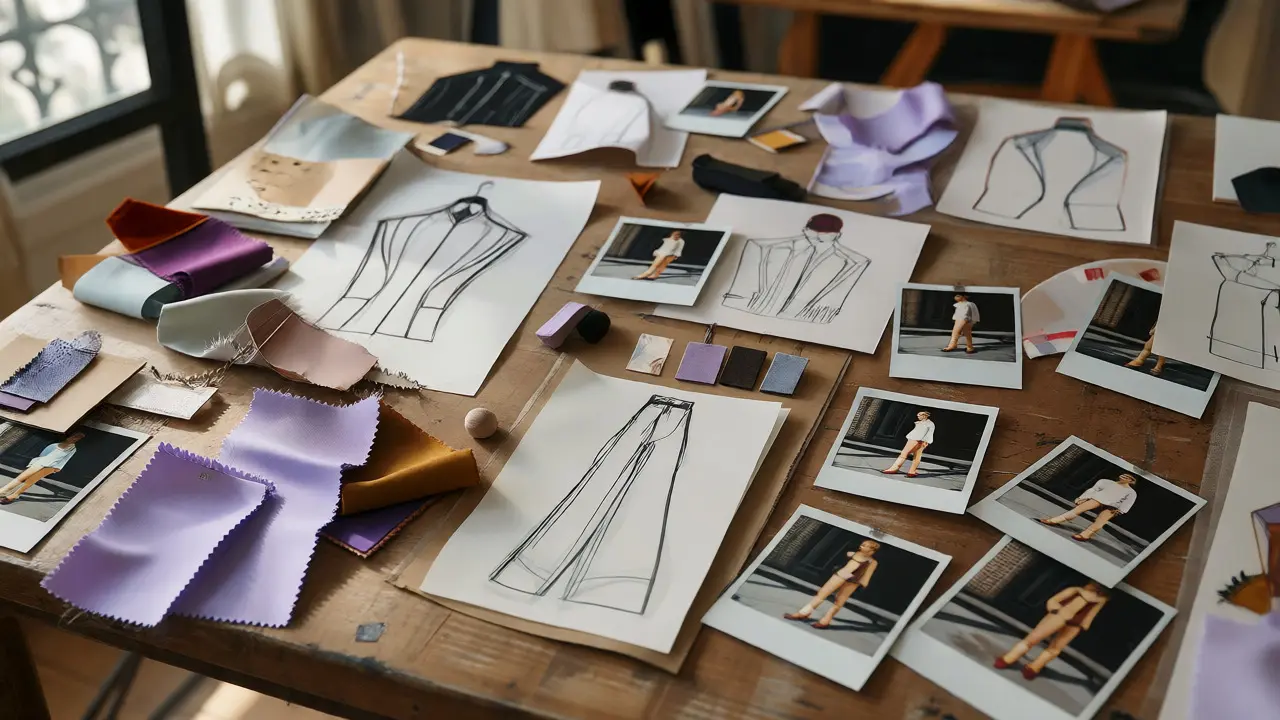
You’re standing in a store, staring at a pair of wide-leg trousers that look nothing like the skinny jeans you bought last year. You might think, "Who decided this?" The answer isn’t one person with a magic wand. It’s a messy, chaotic mix of designers trying to shock us, celebrities wanting to be seen, and regular people just trying to stay warm or look cool on Instagram. Fashion trends are not random accidents; they are the visible result of a complex feedback loop between high-end art and daily life.
Understanding how these trends start helps you stop feeling confused by what’s "in style." Instead of blindly buying whatever is new, you can see the pattern. Let’s break down exactly how a sketch on a piece of paper in Paris turns into the jacket everyone in Chicago is wearing six months later.
The Top-Down Myth vs. Reality
For decades, the story was simple: Designers create something new, magazines tell you it’s good, and you buy it. This is often called the "trickle-down" theory. While it still happens, it’s no longer the whole picture. Today, trends move in every direction. Sometimes they start on the runway and trickle down to H&M. Other times, they start on TikTok or in underground clubs and bubble up to luxury brands.
Runway collections serve as the initial spark. When a designer like Miuccia Prada or Demna Gvasalia shows a collection, they aren't just selling clothes; they are proposing an idea. Maybe it’s a specific color, like "digital lavender," or a silhouette, like oversized shoulders. These ideas are bold, sometimes impractical, and designed to get attention. But here’s the catch: most people don’t wear runway looks directly. They wear the diluted version. If the runway shows a coat made of plastic trash bags, the mass-market version will be a shiny nylon trench coat. The essence remains, but the practicality changes.
Culture plays a huge role here too. We live in an era where social media accelerates everything. A single viral video can make a niche aesthetic mainstream overnight. Remember when ballet flats were considered boring? Then suddenly, because a few influencers started pairing them with socks, they became a must-have. That wasn’t a designer decree; that was culture shifting its taste, and brands scrambling to keep up.
How Trend Forecasters Predict the Future
If you think trends appear out of nowhere, think again. There is an entire industry dedicated to predicting what we’ll want before we know we want it. Companies like WGSN and Fashion Snoops employ teams of sociologists, data analysts, and creative directors who travel the world looking for signals.
These forecasters look at macro-trends-big shifts in society. For example, if economic uncertainty rises, people often crave comfort and nostalgia. This leads to trends like "cozy knits" or retro styles from stable past eras. If technology feels overwhelming, people might seek out natural materials and earth tones. Forecasters analyze:
- Economic indicators and consumer confidence levels.
- Technological advancements (like the rise of AI or virtual reality).
- Social movements and political climates.
- Entertainment hits, such as major movies or TV series.
They compile this data into reports that brands use two years in advance. So, when you see a specific shade of green dominating stores in Spring 2026, it was likely chosen based on mood boards created in 2024. It’s less about guessing and more about reading the collective mood of society.
The Role of Fast Fashion in Accelerating Cycles
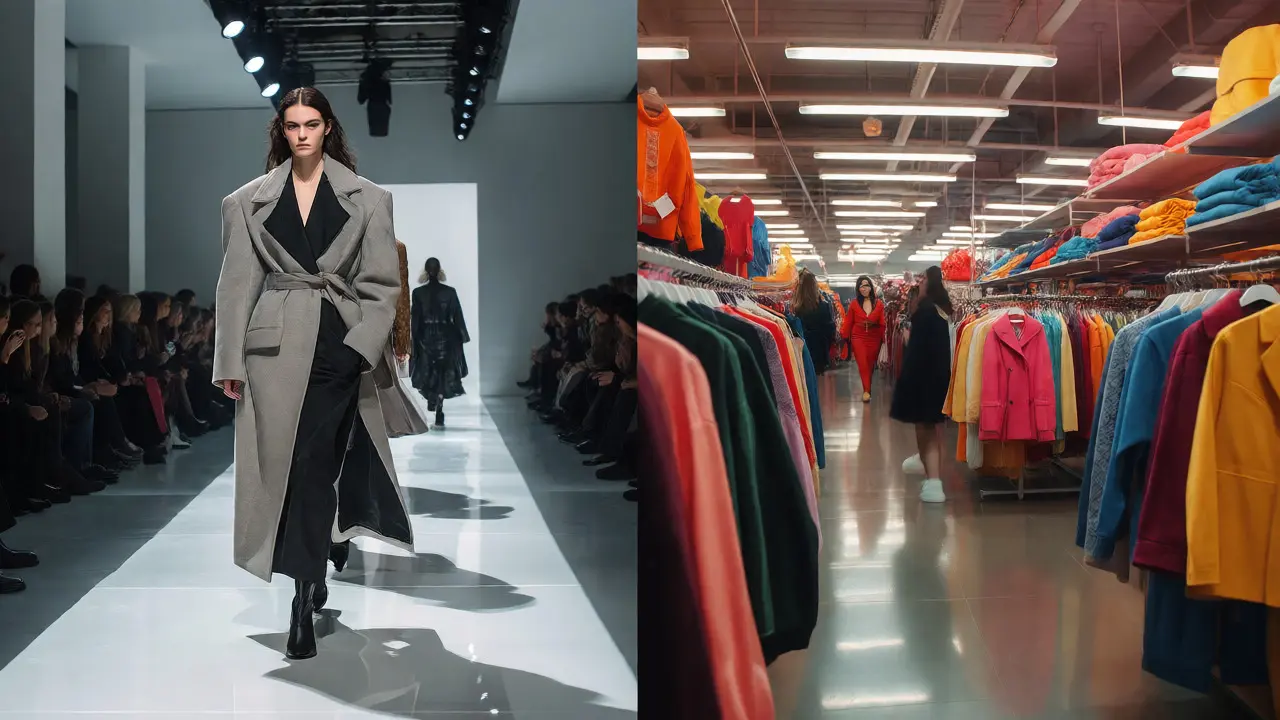
In the past, fashion moved slowly. Seasons changed four times a year. Now, thanks to fast fashion retailers like Zara, Shein, and H&M, the cycle has sped up dramatically. These companies have mastered the supply chain so they can spot a trend on the runway or social media and have a similar product in stores within weeks, not months.
This speed creates a phenomenon known as "micro-trends." Instead of one big trend lasting a year, you get dozens of small trends lasting only a few weeks. One week it’s "quiet luxury," the next it’s "mob wife aesthetic," then it’s "office siren." This constant churn keeps consumers engaged but also exhausted. You might feel pressure to constantly update your wardrobe to stay relevant, even though many of these micro-trends are superficial.
| Feature | Traditional Cycle | Modern Fast-Fashion Cycle |
|---|---|---|
| Speed to Market | 6-9 months | 2-4 weeks |
| Trend Duration | 1-2 years | Weeks to months |
| Primary Driver | Designer Innovation | Social Media Virality |
| Consumer Behavior | Investment Buying | Impulse Buying |
The downside? Quality often suffers. To hit those tight deadlines, manufacturers cut corners. Fabrics become thinner, stitching becomes looser. You end up with a closet full of cheap items that fall apart after three washes. Recognizing this dynamic helps you decide when to save and when to splurge.
Cultural Moments That Define Eras
Sometimes, a trend isn’t driven by a brand or a forecaster, but by a specific cultural moment. Think about how the pandemic changed our wardrobes. Suddenly, sweatpants weren’t just for lounging; they were acceptable attire for Zoom meetings. Brands responded by creating "elevated loungewear"-clothes that looked professional but felt comfortable.
Movies and music also drive trends. When the show "Euphoria" aired, glitter eye makeup and rhinestone face gems exploded in popularity. When Taylor Swift released her "Midnights" album, sequins and retro glam came back into style. These pop culture references give people a shared visual language. Wearing a certain item becomes a way to signal belonging to a group or fandom.
Subcultures play a critical role here too. Streetwear, skate culture, and hip-hop have heavily influenced high fashion. Hoodies, sneakers, and baseball caps were once strictly casual or athletic wear. Now, they appear in luxury boutiques priced at hundreds of dollars. This blending of high and low culture makes fashion more accessible but also blurs the lines of what is considered "proper" dress.
How to Navigate Trends Without Losing Your Mind
So, how do you handle all this noise? Do you chase every new aesthetic? Probably not. The key is to distinguish between fads and classics. Fads burn bright and die fast. Classics endure because they solve a problem or flatter the human form consistently.
Here is a simple checklist to help you filter trends:
- Does it fit your lifestyle? If you work in an office, a neon mesh top might be fun for weekends but useless for Monday mornings.
- Is it versatile? Can you wear this item with at least three other things you already own? If not, it’s likely a one-time purchase.
- Do you genuinely like it? Ignore the hype. If you hate the silhouette, you won’t wear it, no matter how popular it is.
- Check the quality. Look at the seams and fabric content. If it feels cheap, consider renting it or buying secondhand instead of contributing to landfill waste.
Remember, personal style is more important than being trendy. A well-curated capsule wardrobe with timeless pieces allows you to add one or two trendy accessories each season without overhauling your entire closet. This approach saves money and reduces decision fatigue.
The Future of Fashion Trends
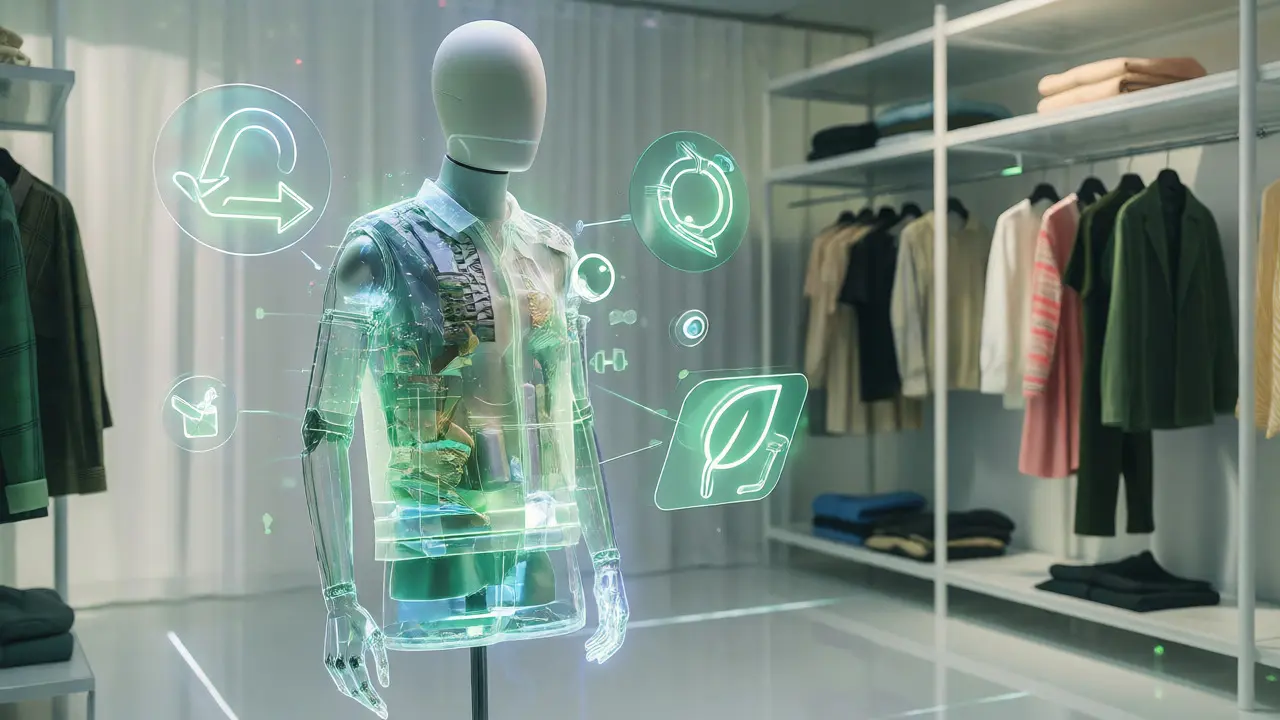
As we look toward 2027 and beyond, sustainability is becoming the biggest driver of change. Consumers are increasingly aware of the environmental cost of fast fashion. This is leading to a rise in circular fashion-buying used, repairing clothes, and renting outfits. Digital fashion is also emerging, where people buy digital-only clothing for their avatars or social media photos.
AI is entering the design process, helping brands predict demand more accurately and reduce overproduction. We might see fewer wasted garments sitting in warehouses. However, the core human desire to express identity through clothing won’t disappear. Trends will continue to evolve, reflecting our hopes, fears, and dreams. The best strategy is to stay informed but remain selective. Use trends as tools to refresh your look, not as rules to live by.
What is the difference between a fad and a trend?
A fad is a short-lived excitement around a specific item or style that fades quickly, often within weeks or months. A trend is a broader shift in style that lasts for seasons or years and reflects deeper cultural or societal changes. For example, bell-bottom jeans are a trend that comes and goes cyclically, while a specific viral dance challenge outfit is a fad.
How long does it take for runway trends to reach stores?
Traditionally, it took 6 to 9 months for designs to go from the runway to retail shelves. With fast fashion, this timeline has shrunk to as little as 2 to 4 weeks. Luxury brands still adhere to the traditional schedule, while mass-market retailers rush to replicate popular elements immediately.
Do influencers really create fashion trends?
Yes, influencers play a massive role in modern fashion. They act as intermediaries between brands and consumers. By showcasing products in relatable contexts, they can validate a trend and encourage adoption among their followers. However, they usually amplify existing ideas rather than inventing entirely new concepts from scratch.
Why do fashion trends repeat themselves?
Fashion tends to operate on a 20-to-30-year cycle. This repetition occurs due to nostalgia. As a generation grows up and gains purchasing power, they often romanticize the era of their youth. Additionally, designers frequently look to the archives for inspiration, reinterpreting classic silhouettes for contemporary tastes.
Is sustainable fashion a passing trend?
Sustainable fashion appears to be a structural shift rather than a temporary trend. Driven by climate awareness and regulatory pressures, the industry is moving toward eco-friendly materials, ethical labor practices, and circular business models. This fundamental change is expected to persist as consumer values prioritize longevity and responsibility.


Write a comment