

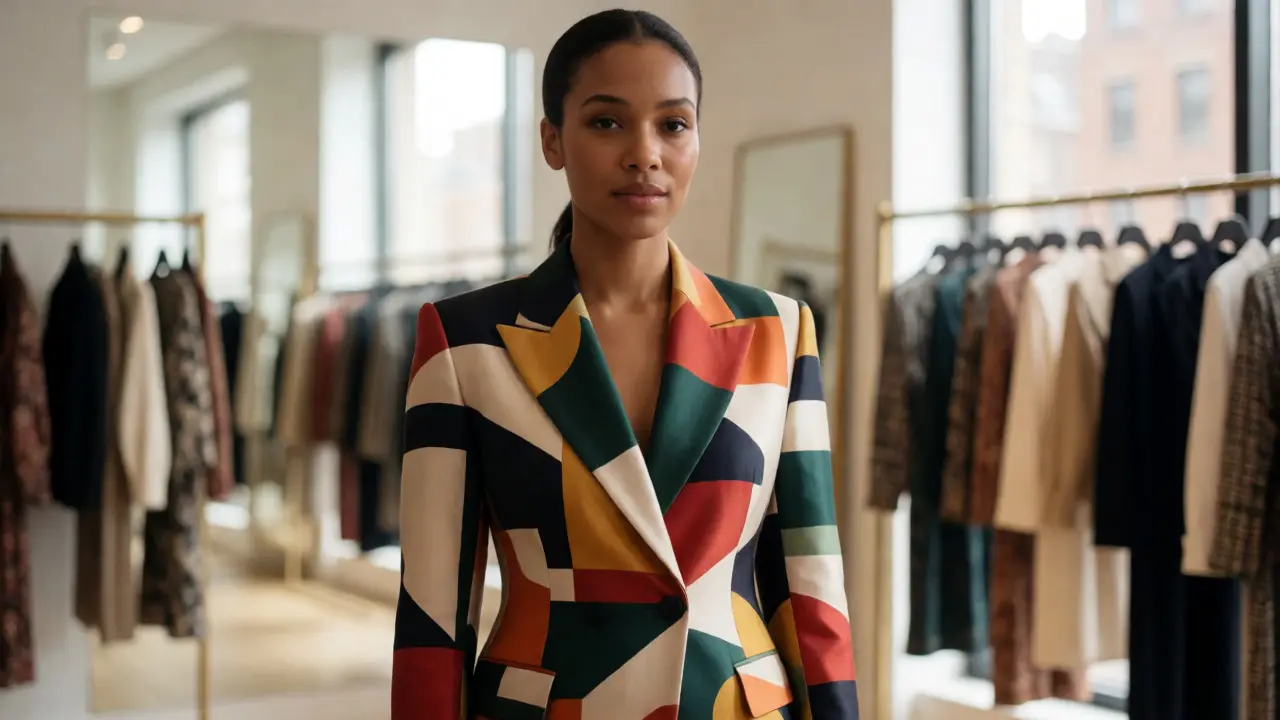
You know the feeling. You see a stunning dress online, your heart skips a beat, and then you click on the size chart only to hit a wall at XL or XXL. Or worse, you find a brand that claims to be "inclusive" but offers a 3X that fits like a tent made of cheap polyester. For years, the fashion industry treated larger bodies as an afterthought, offering limited styles in stiff fabrics that seemed designed to hide rather than highlight. But the landscape has shifted. As of 2026, size-inclusive fashion isn't just a buzzword; it's a market demand that major retailers are finally struggling to meet adequately.
If you're tired of scrolling through endless pages of ill-fitting options, this guide is for you. We aren't just listing brands; we're breaking down which retailers actually understand how different bodies move, breathe, and exist in space. We'll look at who nails the fit, who cuts corners on fabric, and where you can find quality that doesn't require a compromise on style.
The Reality Check: What "Inclusive" Actually Means
Before we dive into specific stores, let's clear up a common misconception. Many brands slap a "plus-size" label on their standard line and call it a day. That's lazy. True inclusivity means grading patterns specifically for bodies with more curve, width, and volume. It means adjusting armhole depths so sleeves don't cut into your biceps. It means ensuring waistbands don't dig in when you sit down.
When evaluating a brand, ask yourself three questions:
- Do they offer dedicated pattern-making? Or do they just scale up a straight-size sample? Scaling up often results in garments that are too long in the torso or too wide in the shoulders.
- What is the fabric composition? Cheap synthetics stretch out quickly. Look for blends with spandex, elastane, or high-quality natural fibers that retain shape.
- Are models diverse? If the website only shows one body type in extended sizes, the fit might not reflect reality for all shapes (apple, pear, hourglass).
Top Tier: The Specialists Who Get It Right
Some brands built their reputation by serving customers the mainstream ignored. These companies usually have better customer service, more detailed size guides, and higher quality control because their livelihood depends on keeping loyal customers happy.
| Brand | Size Range | Best For | Fabric Quality | Price Point |
|---|---|---|---|---|
| Eloquii | 14-28 | Trendy workwear & events | High (structured) | $$ |
| Universal Standard | 00-40 | Basics & minimalism | Premium (organic cottons) | $$$ |
| Cabernet Collection | 14-24 | Classic American style | Good (durable) | $$ |
| Savage X Fenty | XS-3X (varies) | Lingerie & loungewear | Mixed (trend-focused) | $$ |
Eloquii remains a heavyweight in the space. They understand that people in sizes 14-28 want to wear bold prints, sharp tailoring, and current trends, not just beige tunics. Their blazers are particularly noteworthy because they actually account for broader shoulders without making the chest area look boxy. However, their sizing can run small, so always check the recent reviews for specific items.
Universal Standard takes a different approach. Founded by Alexandra Waldman and Polina Veksler, this brand focuses on high-quality basics. Their mission is to make size 00 and size 40 feel equally luxurious. They use premium materials like organic cotton and Tencel, which drape beautifully on fuller figures. The downside? The price tag. A simple t-shirt can cost $50+, but if you value longevity and ethical production, it's worth the investment.
Mainstream Giants: Navigating the Minefield
Big-box retailers have entered the inclusive chat, but their track records are mixed. Here is how to navigate them without wasting money on returns.
ASOS Curve is often the first stop for younger shoppers. The sheer volume of inventory is impressive. You can find everything from rave gear to office attire. But here is the catch: ASOS is a marketplace, not a single manufacturer. Quality varies wildly between vendors. One dress might be made of thick, structured cotton, while the next looks like paper-thin rayon. Always filter by material and read reviews that include photos from real customers. Do not trust the stock photo alone.
Target’s All in Motion and Avenue lines have improved significantly. Target has invested heavily in activewear for larger bodies, recognizing that traditional athletic cuts often fail women with wider hips. Their leggings now feature higher rises and squat-proof fabrics. Avenue, meanwhile, has pivoted from its older demographic image to offer more contemporary cuts, though their sizing remains inconsistent across seasons.
H&M Plus offers affordability, but tread carefully. H&M’s fast-fashion model prioritizes speed over durability. While you can find great trendy pieces for under $30, expect them to lose shape after a few washes. Use H&M for statement pieces you’ll wear once or twice a season, not for wardrobe staples.
Fit Troubleshooting: When the Chart Lies
Even with the best brands, sizing is tricky. Body shapes vary too much for a single number to capture everything. Here are some pro tips for shopping online:
- Measure Yourself Regularly. Bodies change. Measure your bust, waist, hips, and inseam every six months. Write these numbers down and keep them on your phone.
- Check the Garment Measurements, Not Just the Label. A "2XL" in one brand might be a "1X" in another. Compare the garment’s actual bust/waist/hip measurements to your body measurements plus ease (usually 2-4 inches for comfort).
- Look for Fabric Stretch. If a garment has less than 5% elastane/spandex, it will not stretch. If you are between sizes, size up for non-stretch items. If it has 10%+ stretch, stick to your true size or even size down if you prefer a snug fit.
- Read Reviews About Length. Taller plus-size shoppers often struggle with tops being too short. Look for reviews mentioning "petite" or "tall" adjustments. Some brands, like Old Navy, offer specific tall/short variations in their plus lines.
The Hidden Gems: Boutique and Direct-to-Consumer Brands
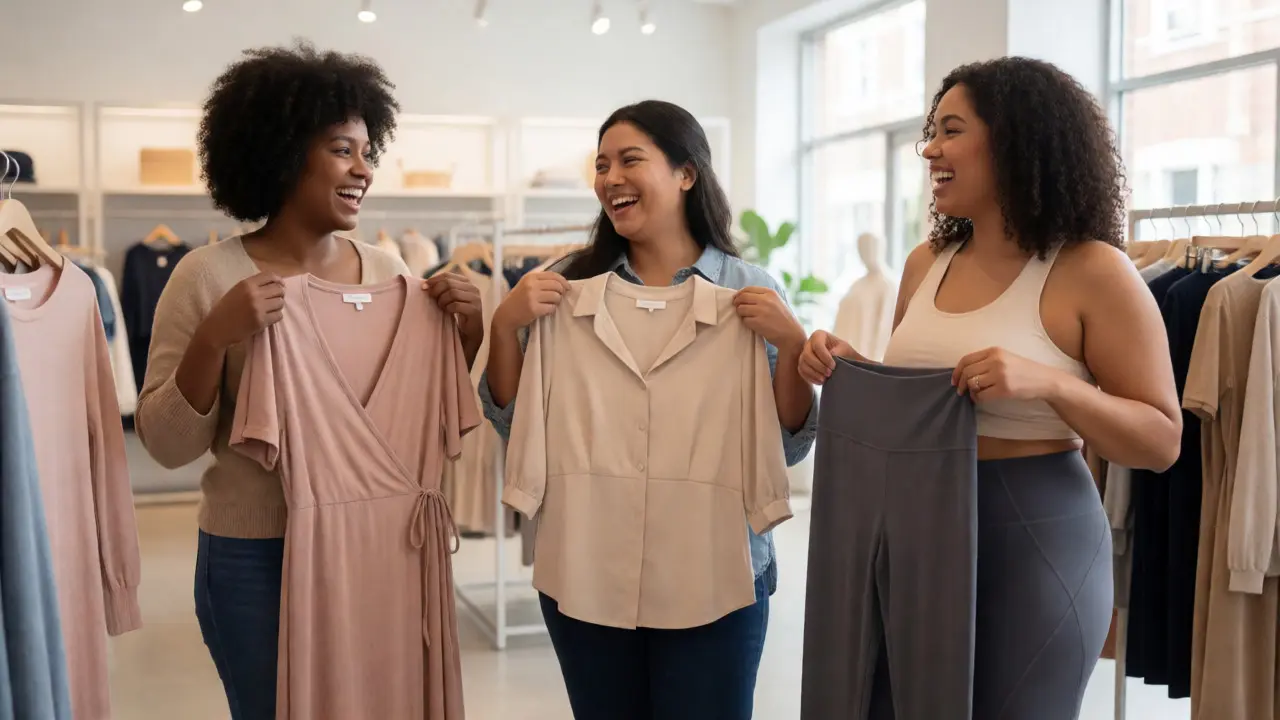
Sometimes the best finds aren't on Amazon or Target. Smaller, direct-to-consumer (DTC) brands often provide better customer experiences and unique designs.
Girlfriend Collective deserves special mention for their transparency. They publish exactly how many water bottles go into each pair of leggings and offer a massive size range (XXS-6XL). Their compression levels are clearly labeled, helping you choose based on support needs rather than guesswork.
1920 is another standout for denim. Finding jeans that fit both your waist and hips simultaneously is notoriously difficult. 1920 uses stretch denim with strong recovery properties, meaning the knees won't bag out by lunchtime. They also offer multiple rise options, which is crucial for accommodating different torso lengths.
For those interested in sustainability, Reformation has expanded its size range to 24. While still limited compared to dedicated plus brands, their focus on eco-friendly fabrics and vintage-inspired cuts makes them a compelling option for special occasions. Just be aware that their sizing tends to run small, so consult their detailed fit guide religiously.
Building a Capsule Wardrobe for Extended Sizes
Once you’ve found your brands, how do you build a closet that works? The key is versatility. In extended sizes, layering can sometimes add bulk if not done correctly. Stick to fitted base layers and structured outerwear.
Invest in these five core pieces:
- A Perfect Blazer: Look for one with shoulder pads that extend slightly beyond your natural shoulder line. This creates a balanced silhouette. Eloquii and Universal Standard excel here.
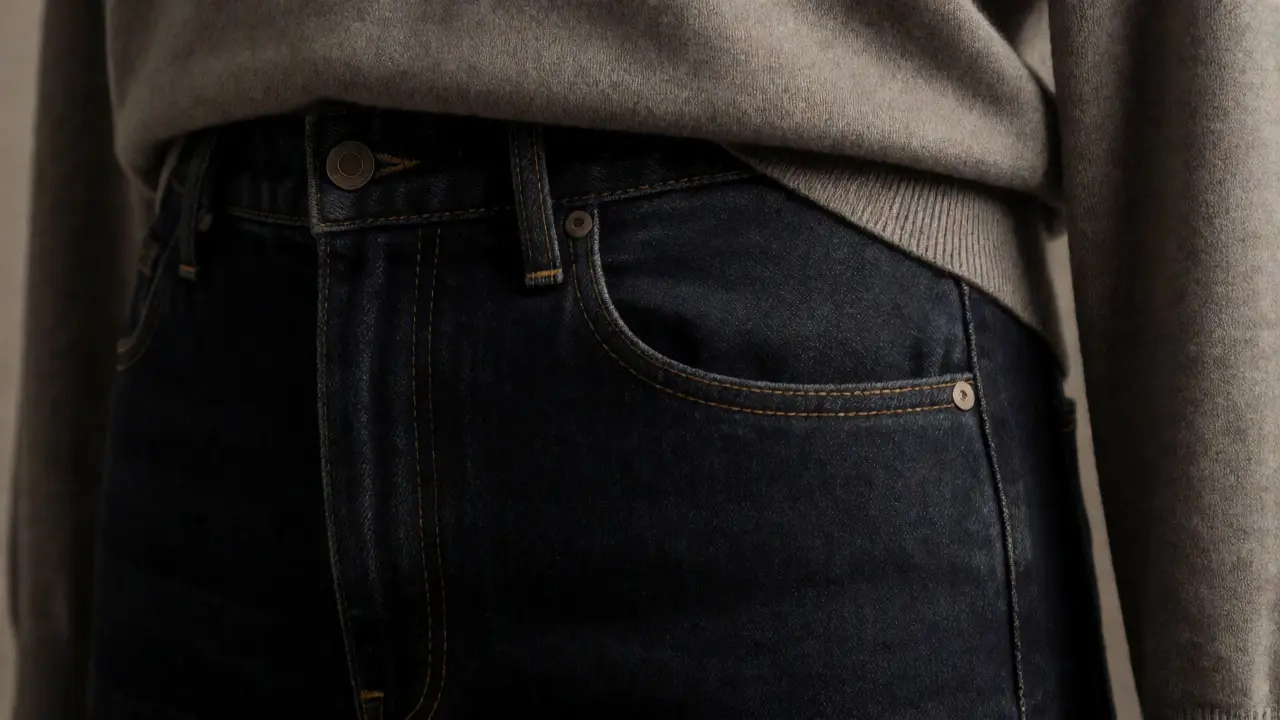
- Dark Wash Jeans: A well-fitted dark jean is slimming and versatile. Ensure the pocket placement flatters your hips-avoid pockets that sit too low.
- A Wrap Dress: Adjustable waists are your friend. Wrap dresses accommodate fluctuations in bloating or weight changes without needing a new outfit.
- Quality Knitwear: Avoid chunky knits that add visual weight. Opt for fine-gauge merino wool or cashmere blends that drape smoothly.
- Supportive Undergarments: No amount of good clothing fixes poor foundation. Invest in bras and shapewear that actually fit your current body, not what you think you should be wearing.
Remember, fashion is personal. What works for a pear-shaped body might overwhelm an apple-shaped one. Experimentation is part of the process. Don’t be afraid to return items that don’t serve you. The goal is confidence, not compliance with a size tag.
Why do plus-size clothes often cost more than straight-size ones?
Historically, manufacturers charged more for larger sizes due to increased fabric usage. However, many modern brands argue that economies of scale should lower costs. Despite this, the "pink tax" persists in some areas. Additionally, specialized pattern-making and smaller production runs for niche sizes can drive up unit costs. Always compare price-per-inch of fabric if you’re skeptical.
Is there a difference between "Plus Size" and "Extended Size"?
Yes, though the terms are often used interchangeably. "Plus Size" typically refers to US sizes 14 and up. "Extended Size" is a broader term that can include petite-plus, tall-plus, and other specific fit categories that fall outside standard grading. Always check the specific size chart, as definitions vary by retailer.
How can I tell if a brand is truly inclusive or just tokenizing?
Look for consistency. Do they have full collections in all sizes, or just a few select items? Do they use diverse models in their marketing campaigns, including various skin tones, ages, and body shapes? Are their customer service representatives trained to handle fit issues for larger bodies? Tokenization often looks like a separate "plus section" with outdated styles, while true inclusion integrates extended sizes into the main lineup.
What is the best way to measure my body for online shopping?
Use a soft measuring tape. Measure your bust at the fullest point, your waist at the narrowest point (usually above the navel), and your hips at the widest point. Keep the tape parallel to the floor. Wear the type of underwear you plan to wear with the garment. Record these numbers and compare them to the brand’s specific size chart, not just the S/M/L labels.
Which brands offer free returns for plus-size items?
Many major retailers like Target, Old Navy, and Universal Standard offer free returns via mail or in-store drop-off. ASOS also provides a generous return policy, though international shipping fees may apply depending on your location. Always check the current return window, as policies change frequently, especially during holiday seasons.


Write a comment