

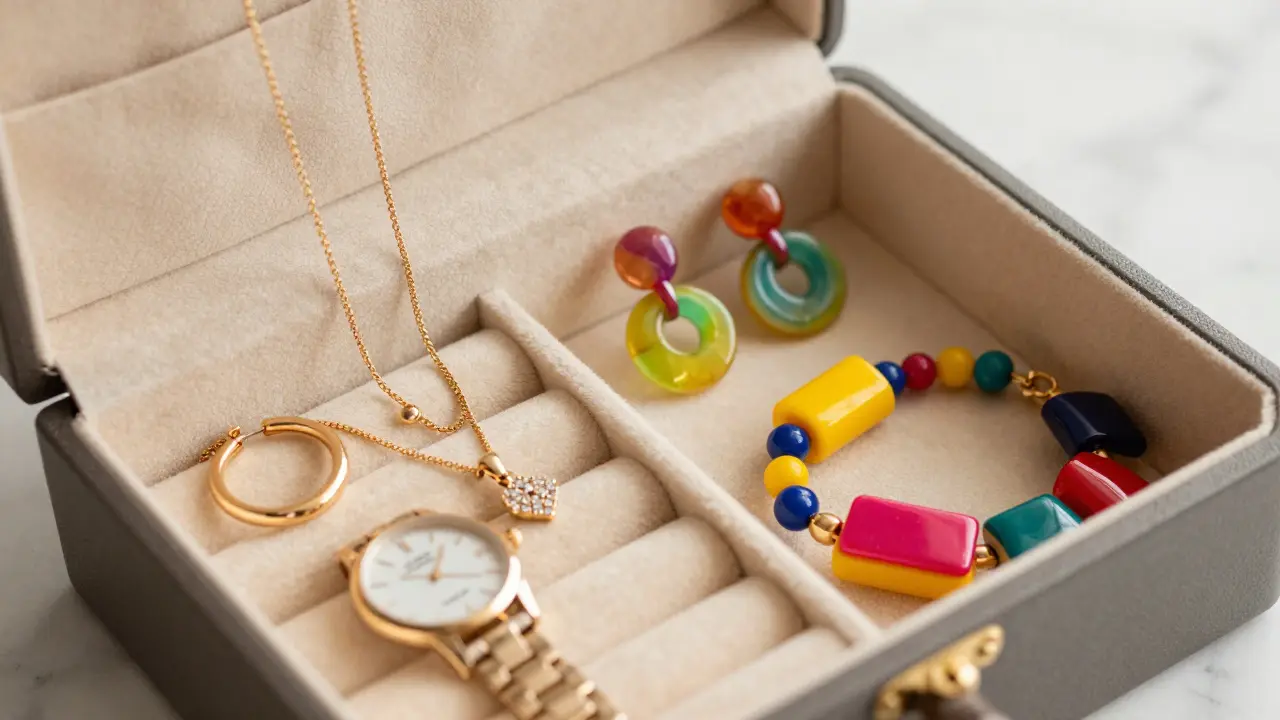
You open your jewelry box and stare at the mess. There’s that heavy gold necklace you bought three years ago that feels like a commitment, sitting next to the trendy resin earrings from last month’s haul that already feel outdated. You want to look put together, but you’re torn between spending hundreds on something that lasts forever and buying cheap trends that break in a week. This isn’t just about what looks good; it’s about how to build a wardrobe of accessories that actually works for your life without breaking the bank or cluttering your drawers.
Building a balanced jewelry collection isn’t about choosing one side over the other. It’s about understanding the distinct roles each piece plays. Fine jewelry is your anchor-timeless, durable, and often an investment. Fashion jewelry is your accent-playful, affordable, and trend-responsive. When you mix them correctly, you get versatility, style, and financial sense all in one package.
The Core Difference: Value vs. Vibe
To build a smart collection, you first need to respect what these two categories actually are. They serve different masters. Fine jewelry is built for longevity and intrinsic value. We are talking about precious metals like solid gold (10k, 14k, 18k), platinum, and sterling silver, set with genuine gemstones like diamonds, sapphires, rubies, or emeralds. These materials don’t tarnish easily, they hold their weight, and they can be passed down. A pair of diamond studs or a simple gold band is a permanent part of your identity.
Fashion jewelry, also known as costume jewelry, tells a completely different story. It’s made from base metals, brass, acrylic, resin, glass, or synthetic stones. The appeal here is design, color, and immediacy. You buy fashion jewelry because it matches the season’s aesthetic or a specific outfit. It’s disposable in the best way possible-you wear it until it stops being fun, then you replace it. Think chunky plastic hoops, oxidized silver chokers, or oversized statement necklaces.
| Feature | Fine Jewelry | Fashion Jewelry |
|---|---|---|
| Materials | Solid Gold, Platinum, Sterling Silver, Gemstones | Brass, Acrylic, Resin, Plated Metals, Glass |
| Lifespan | Decades to Generations | Months to a Few Years |
| Price Point | $100 - $10,000+ | $5 - $150 |
| Maintenance | Low (Professional cleaning occasionally) | High (Avoid water, store carefully) |
| Resale Value | Retains significant value | Negligible to none |
The 70/30 Rule for Your Jewelry Box
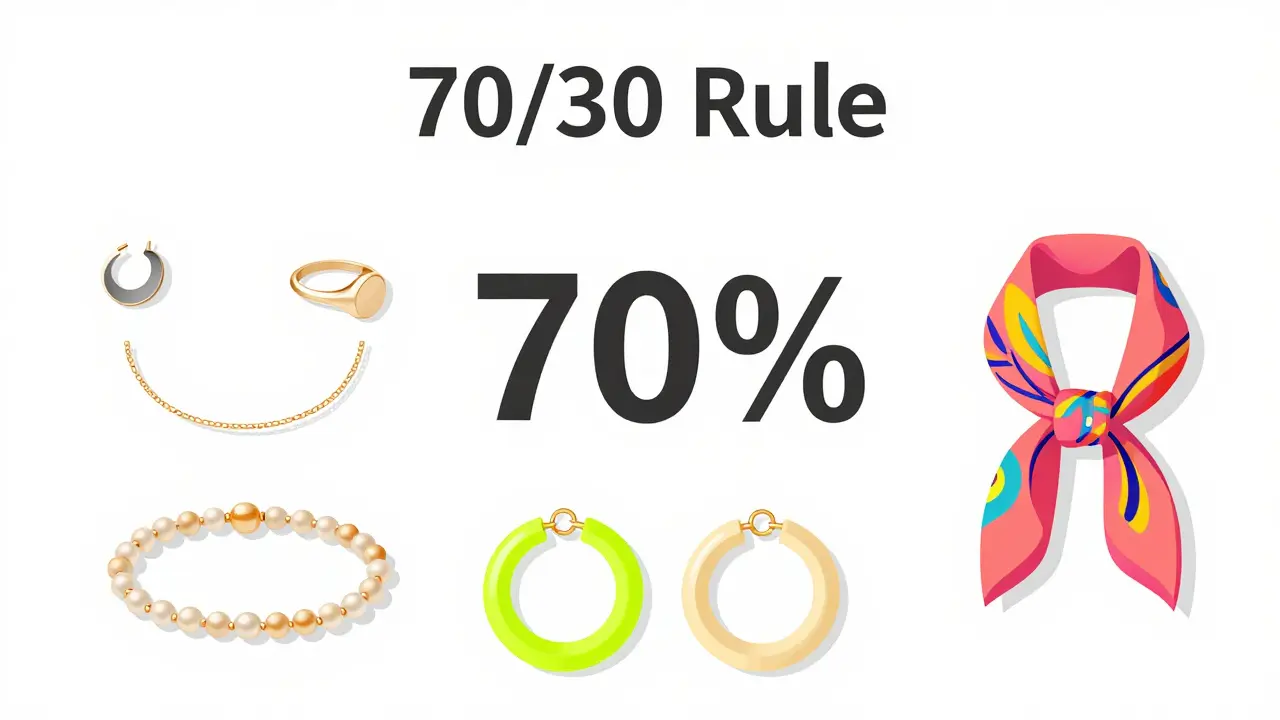
So, how do you actually balance this? I recommend starting with the 70/30 rule. Aim for 70% fine jewelry staples and 30% fashion jewelry accents. Why this split? Because fine jewelry is expensive and takes time to acquire thoughtfully. You want those pieces to work hard for you every single day. Fashion jewelry is easy to replenish, so it should make up the smaller, more experimental portion of your collection.
Your 70% fine jewelry foundation should consist of items you wear regardless of the trend. This includes:
- Diamond Studs are the ultimate everyday earring that elevates any look from casual to professional instantly.
- A delicate gold chain or pendant that sits comfortably under sweaters or alone.
- A classic watch or a simple metal bracelet that doesn’t compete with other accessories.
- Signet rings or plain bands that add texture without shouting for attention.
These pieces are your safety net. If you have a bad hair day or a wrinkled shirt, well-chosen fine jewelry pulls the whole look together because it signals intention and quality. They are quiet, confident, and always appropriate.
The remaining 30% is where you play. This is your fashion jewelry zone. Here, you experiment with colors, shapes, and sizes that would be absurd in solid gold. Want neon green beads? Go for it. Massive geometric earrings? Sure. These pieces allow you to express your current mood or align with seasonal fashion trends without risking a significant financial loss if they break or go out of style.
Styling Strategies: Mixing Without Clashing
The biggest mistake people make is treating fine and fashion jewelry as separate silos. They shouldn’t be. The magic happens when you layer them. However, there are rules to keep it looking intentional rather than messy.
Match the Metal Tone Even though fashion jewelry is often plated, try to match the undertone. If you’re wearing a rose gold wedding band, pair it with copper-toned fashion bracelets. If you have yellow gold studs, stick to brass or gold-plated fashion pieces. Mixing warm and cool tones randomly usually looks accidental. Keep the palette cohesive, even if the materials differ.
Balance the Weight If you’re wearing a heavy, bold fashion necklace, keep your fine jewelry minimal. Maybe just a simple ring or small stud earrings. Let the fashion piece be the star. Conversely, if you’re wearing a substantial fine jewelry piece, like a thick gold cuff, let your fashion accessories be subtle or nonexistent. You don’t want your wrist to look like a bazaar stall.
Layering Chains This is a great place to mix. Start with a short, fine jewelry chain close to your neck-a delicate gold locket, for example. Then, layer a longer, fashion jewelry chain with a pendant or beads over it. The contrast in length creates depth, and the difference in material adds visual interest without overwhelming your neckline.
Budgeting Smartly: Where to Splurge and Save
Let’s talk money. Building a collection requires a strategy, not just impulse buys. Here is how to allocate your budget effectively.
Splurge on Skin Contact Items that touch your skin constantly-earrings, rings, and watches-should be fine jewelry. Why? Because sweat, lotions, and friction cause plating on fashion jewelry to wear off quickly. Nickel allergies are also common in cheaper metals. Investing in hypoallergenic sterling silver or gold for these high-contact items saves you from rashes and constant replacements.
Save on Statements Necklaces and bracelets are further from your skin and less prone to daily abrasion. This is where fashion jewelry shines. A large, colorful statement necklace costs $20 and makes a $200 dress look expensive. You wouldn’t pay $500 for a necklace you’ll only wear twice a year. Buy the trend, enjoy it for the season, and move on.
The "One In, One Out" Policy For fashion jewelry, enforce a strict limit. If you buy a new pair of trendy earrings, donate or discard an old pair you haven’t worn in six months. This prevents your drawer from becoming a landfill of forgotten trinkets. For fine jewelry, apply the opposite rule: buy only what you love enough to keep forever. If you hesitate, don’t buy it.
Maintenance: Keeping Both Sides Alive
Your collection is only as good as its condition. Fine jewelry and fashion jewelry require vastly different care routines. Ignoring this leads to tarnished gold and broken clasps.
Fine Jewelry Care Store fine jewelry separately to prevent scratching. Soft pouches or lined boxes are essential. Clean them gently with a soft cloth. For deeper cleaning, use a mild soap and water solution, but avoid harsh chemicals like bleach. Have a jeweler check prongs and settings annually, especially for rings and earrings that take physical stress.
Fashion Jewelry Care The enemy of fashion jewelry is moisture and air. Always take it off before showering, swimming, or exercising. Apply perfume and lotion before putting on your jewelry, never after. Store fashion jewelry in sealed bags to slow down oxidation and tarnishing. If the plating starts to wear, accept it as part of the lifecycle. Don’t try to replate it yourself; it’s rarely worth the effort.
Common Pitfalls to Avoid
Even with the best intentions, it’s easy to slip up. Here are the most common mistakes I see in jewelry collections.
- Buying Trends in Precious Metals: Just because something is trendy doesn’t mean it should be in gold. If a style is fleeting, buy it in fashion materials. Save your gold budget for classics.
- Neglecting Fit: A beautiful necklace that slides around too much or earrings that are too heavy for your piercings will end up in the back of the drawer. Comfort is key to wearability.
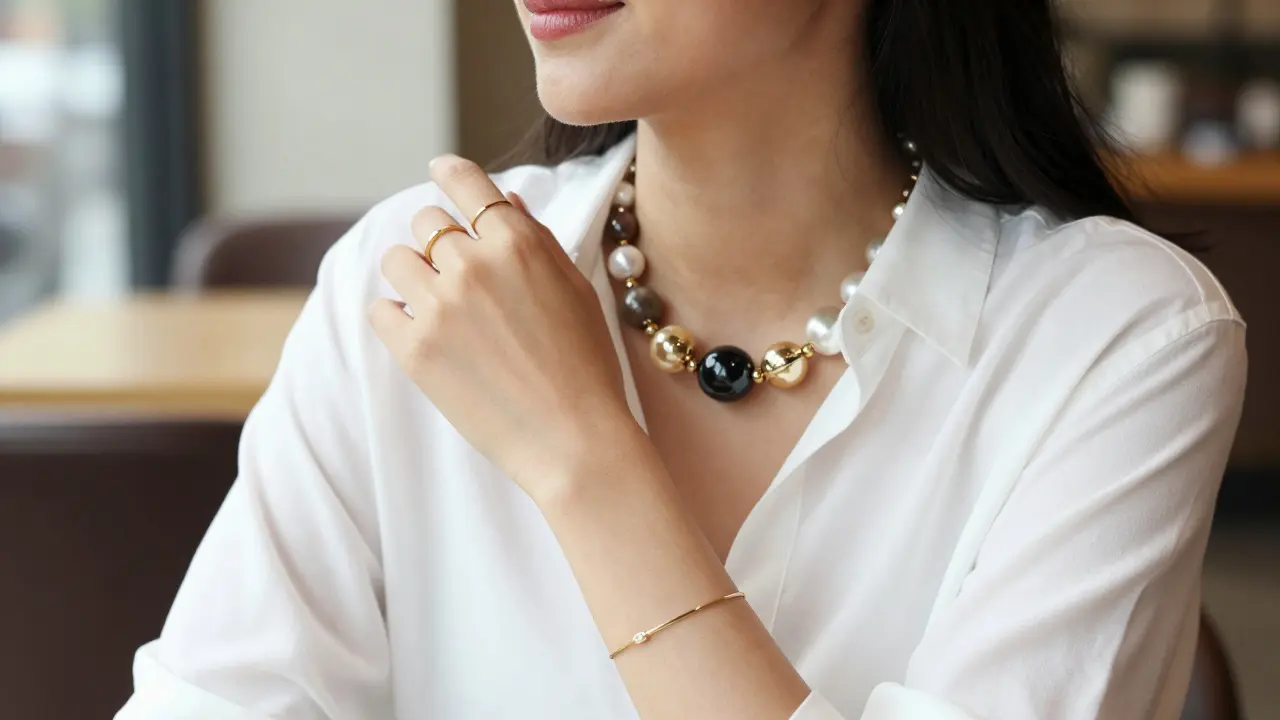
- Over-Accessorizing: More isn’t always better. Pick one focal point. If your earrings are loud, keep the necklace subtle. If your rings are stacked, skip the bracelet. Balance is about restraint.
- Ignoring Quality in Fashion Pieces: Not all fashion jewelry is created equal. Look for thicker plating (like 18k gold vermeil) if you want fashion pieces that last longer. Cheap, thin plating flakes within weeks.
Next Steps: Curating Your Own Edit
Start by auditing your current collection. Pull everything out. Separate it into two piles: fine and fashion. Look at the fine pile. Do you wear these items regularly? If not, consider selling or repurposing them. Look at the fashion pile. Does it reflect your current style? Donate anything that feels like “past you.”
Then, identify the gaps. Do you lack everyday earrings? Invest in a pair of versatile studs. Do you struggle to accessorize bright outfits? Browse for colorful fashion necklaces. Build slowly. A balanced collection isn’t built overnight; it’s curated over time, piece by piece, with intention and joy.
What is the main difference between fine and fashion jewelry?
Fine jewelry is made from precious metals like gold, platinum, and silver, often featuring genuine gemstones. It is designed to last a lifetime and retains value. Fashion jewelry, also called costume jewelry, uses base metals, plastics, and synthetic stones. It focuses on current trends, affordability, and disposability.
Should I wear fine jewelry every day?
Yes, many fine jewelry pieces are designed for daily wear. Simple gold chains, diamond studs, and plain bands are durable enough for everyday use. However, avoid wearing delicate fine jewelry during heavy physical activity, swimming, or while using harsh chemicals to preserve its condition.
How do I know if fashion jewelry is good quality?
Look for terms like "gold vermeil" (a thick layer of gold over sterling silver) or "stainless steel." Check the clasps and hinges for sturdiness. High-quality fashion jewelry feels substantial, not flimsy, and has secure settings for any stones. Avoid pieces with visible glue or rough edges.
Can I mix gold and silver jewelry?
Yes, mixing metals is a popular trend. To do it successfully, ensure there is a clear intent. Layer a gold chain with a silver one, or wear a gold ring on one hand and silver on the other. The key is to make the mix look deliberate, not accidental, by balancing the tones throughout your outfit.
Is it worth investing in fine jewelry?
Fine jewelry can be a good investment, particularly pieces with high-quality diamonds or precious gems from reputable brands. While resale value varies, fine jewelry generally holds its worth better than fashion jewelry. View it as a long-term asset that also serves a functional purpose in your daily style.
How often should I replace my fashion jewelry?
There is no fixed timeline. Replace fashion jewelry when it goes out of style for you, breaks beyond repair, or loses its finish. Since it is affordable, you can rotate your collection seasonally to keep your look fresh without accumulating clutter.