


Have you ever bought a pair of trousers that looked perfect in the store mirror but felt like a straightjacket by noon? Or maybe you’ve worn a shirt that hung loosely on your shoulders despite being the "correct" size according to the tag. The problem isn’t your body shape, and it certainly isn’t the brand’s quality control. It’s a lack of fit literacy.
Most of us treat clothes as static objects. We buy them, wear them, and hope for the best. But garments are actually engineered structures made of fabric, thread, and geometry. When you understand how they are constructed-how a sleeve is set into an armhole or how a jacket’s canvas supports its lapel-you stop guessing. You start making informed decisions about what works for your specific frame. This knowledge turns shopping from a game of chance into a strategic process.
The Anatomy of Fit: Beyond Size Tags
Size tags are notoriously inconsistent. A Medium in one brand might be a Large in another because sizing standards vary wildly across manufacturers and regions. Relying on these labels is like trying to navigate a city using only street names without knowing which direction is north. To truly understand fit, you need to look at the relationship between the garment’s dimensions and your body’s proportions.
Consider the shoulder seam. In a well-constructed blazer, this seam should end exactly where your shoulder bone ends. If it hangs over your arm, the jacket is too big. If it pulls tight toward your neck, it’s too small. This single point determines the entire silhouette of the upper body. No amount of belt tightening can fix a bad shoulder fit. Similarly, the rise of your pants-the distance from the crotch seam to the waistband-dictates comfort and posture. A low-rise pant might look trendy, but if your torso is longer, it will dig into your hips every time you sit down. Understanding these structural points allows you to identify issues before you even leave the fitting room.
Fabric Behavior and Drape
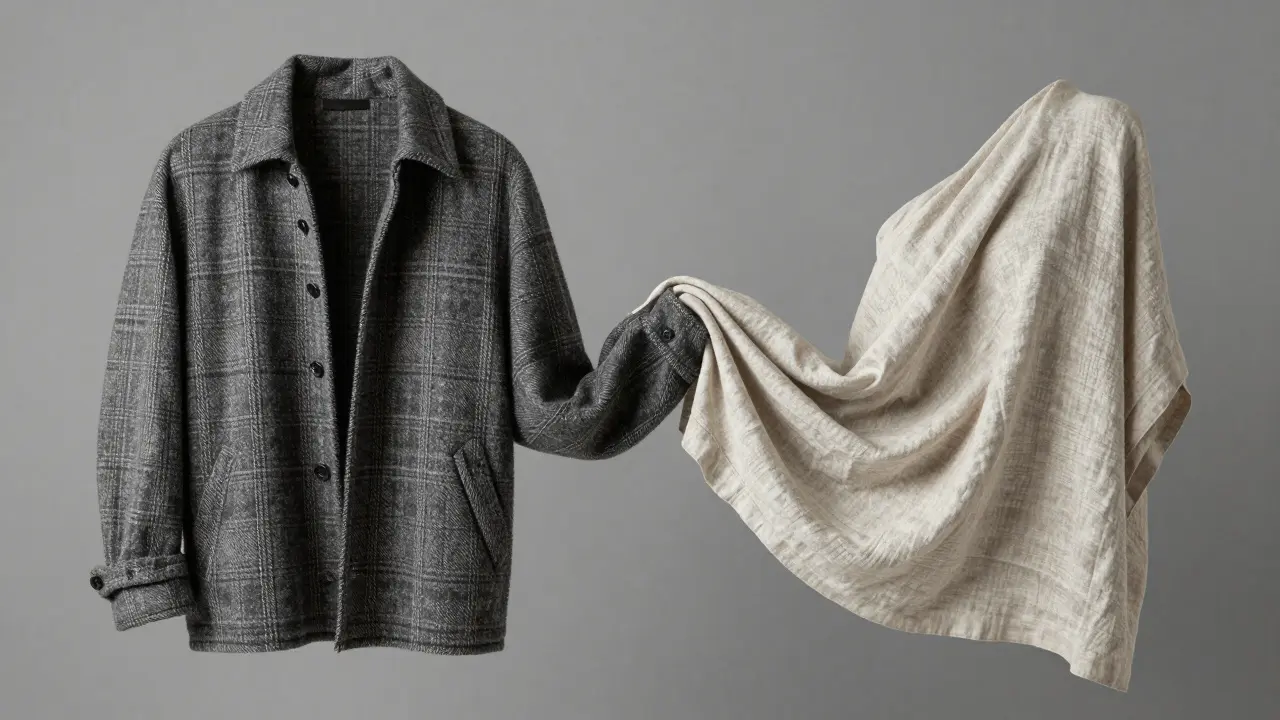
Fabric is not just a color or pattern; it has weight, stretch, and memory. These properties dictate how a garment interacts with gravity and movement. A heavy wool flannel holds its shape and creates sharp lines, making it ideal for structured suits. In contrast, a lightweight linen lacks structure and drapes softly, often clinging to the body’s contours. Knowing this helps you choose fabrics that complement your build rather than fight against it.
If you have a leaner frame, stiff, heavy fabrics can overwhelm your physique, making you look like you’re wearing a tent. Softer, medium-weight fabrics like cotton twill or fine-gauge wool drape better and create a more proportional appearance. Conversely, if you have a broader build, very thin, clingy materials might reveal unwanted details or emphasize bulk. Heavier fabrics provide necessary structure and streamline your silhouette. Always check the fiber content label. Natural fibers like wool, cotton, and linen breathe and move with you, while synthetic blends like polyester may offer durability but often trap heat and resist natural folding, leading to awkward bunching.
Seams, Stitches, and Durability
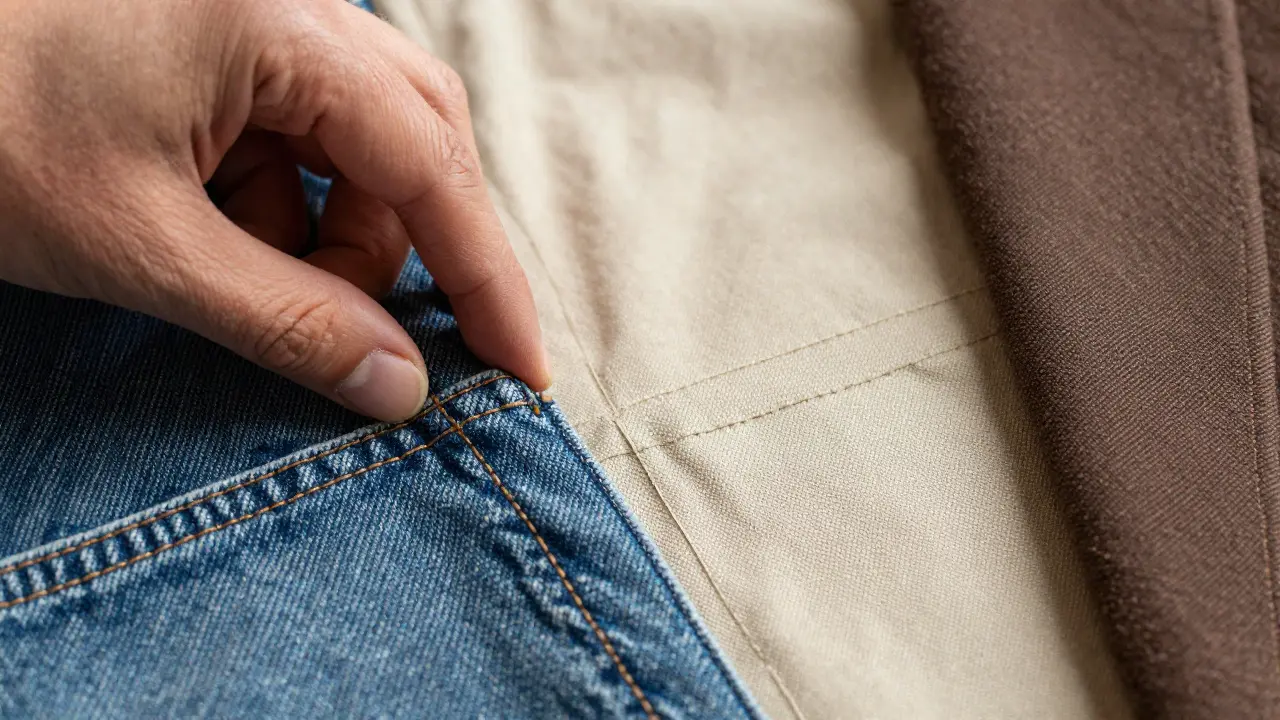
The way a garment is put together tells you everything about its intended lifespan and quality. Look closely at the seams. Flat-felled seams, commonly found in denim jeans and workwear, fold the raw edges of the fabric inside and stitch them down. This method is incredibly durable and prevents fraying. Overlock stitches, used in t-shirts and casual wear, wrap around the edge to prevent unraveling but are less robust under stress.
Pay attention to the stitching density, measured in stitches per inch (SPI). Higher SPI generally indicates better quality because it distributes tension more evenly and resists tearing. Run your finger along a seam. If it feels rough or loose, the garment was likely mass-produced quickly with lower-grade machinery. Properly aligned patterns at the seams are another hallmark of good construction. If the stripes on your shirt don’t match up at the side seams, it suggests a lack of care during cutting and assembly. While minor mismatches happen, consistent misalignment across multiple pieces is a red flag for poor craftsmanship.
The Role of Interfacing and Structure
Not all structure comes from thick fabric. Many garments rely on interfacing-a secondary layer of material fused or sewn inside the primary fabric-to maintain shape. Collars, cuffs, and jacket fronts use interfacing to stay crisp. There are two main types: fused and sewn-in. Fused interfacing uses heat-activated adhesive to bond layers together. It’s faster and cheaper but can bubble or peel over time, especially after dry cleaning. Sewn-in interfacing, often called canvas, is stitched by hand or machine between the fabric layers. It’s more expensive and labor-intensive but allows the garment to mold to your body over time, offering superior longevity and a more luxurious feel.
When buying a suit jacket or a structured coat, ask about the construction. Half-canvas jackets offer a balance between cost and quality, providing enough structure for a clean chest roll without the high price of full canvassing. Fully fused jackets are common in fast fashion; they look sharp initially but lose their shape quickly and are difficult to alter. Recognizing these differences helps you invest in pieces that will last years, not just seasons.
Tailoring as a Tool, Not a Crutch
Understanding construction empowers you to use tailoring effectively. Most off-the-rack clothes are designed for an average body type, which rarely matches any individual perfectly. Tailoring adjusts the garment to fit your unique proportions. However, not all alterations are equal. Shortening sleeves or hemming pants is straightforward and inexpensive. Taking in the sides of a jacket or altering the shoulders is complex and costly, often requiring disassembly of key structural elements.
Before buying something with the intention of tailoring it later, assess the feasibility. Can the seams be let out? Is there enough extra fabric in the hem? If a shirt needs significant resizing in the chest and shoulders, it’s better to find a different size or cut. Good tailoring enhances fit; it doesn’t create it from scratch. Think of it as fine-tuning a car engine, not building a new one. Prioritize items where the core structure already fits well, then adjust the length and width for a polished finish.
| Issue | Cause | Solution |
|---|---|---|
| Bubbling under arms | Poorly fused interfacing or wrong fabric weight | Choose sewn-in canvas or lighter, breathable fabrics |
| Collar gap | Neck circumference mismatch or collar stiffness | Try softer collars or get neck tailored |
| Pants pulling at knees | Insufficient ease or wrong rise | Opt for higher rise or stretch-blend fabrics |
| Jacket riding up | Jacket too short or torso too long | Look for "long" sizes or extend back vent |
Building a Fit-Literate Wardrobe
Start applying these principles today. Next time you shop, ignore the size tag. Pick three sizes that might fit and try them on. Examine the shoulder seams, the waist suppression, and the fabric drape. Feel the interior stitching and check the lining. Ask yourself: Does this garment move with me? Does it hold its shape? By shifting your focus from brands to construction, you’ll discover that fewer, better-made items serve you far better than a closet full of compromises. Fit literacy isn’t just about looking good; it’s about feeling confident in what you wear, knowing exactly why it works.
What is fit literacy?
Fit literacy is the ability to understand how garments are constructed and how they interact with your body. It involves recognizing key structural elements like seams, fabric weight, and tailoring potential to make smarter purchasing decisions.
Why do my clothes never fit right?
Clothing sizes are inconsistent across brands. Additionally, most ready-to-wear items are designed for an average body type. Without understanding your own proportions and garment construction, you may be choosing styles that conflict with your body shape.
How can I tell if a jacket is well-made?
Check the shoulder seams for alignment, inspect the stitching density, and feel the interior for canvas versus fused interfacing. Well-made jackets have clean finishes, matched patterns at seams, and sturdy buttons attached with shanks.
Is tailoring worth the cost?
Yes, for simple adjustments like hemming pants or taking in waists. However, major structural changes like altering shoulders are expensive and risky. Always prioritize garments that already fit your core proportions before considering alterations.
What fabric should I choose for a slim build?
Avoid heavy, stiff fabrics that can overwhelm a slender frame. Opt for medium-weight materials like cotton twill, fine wool, or soft knits that drape naturally and follow your body’s lines without adding bulk.