

You’ve probably stood in front of a mirror, wondering why that pair of sneakers makes you look shorter than the boots you wore yesterday. It’s not magic, and it’s not just about your actual height. It’s about how your feet interact with the rest of your body. Footwear is the foundation of your outfit-literally. If the base doesn’t match the structure above it, the whole visual balance falls apart.
We often treat shoes as an afterthought, grabbing whatever is comfortable or trendy. But the right footwear choices are strategic tools that can visually elongate or ground your frame depending on your natural proportions. Whether you want to add inches to your stride or create a solid, grounded presence, understanding how shoe silhouettes affect perception is key. Let’s break down exactly which styles work for which body types and why.
The Anatomy of Visual Proportion
Before picking a shoe, you need to understand what you’re trying to achieve. Human eyes naturally scan outfits from head to toe, looking for lines and breaks. Where those lines stop or continue determines how tall or short you appear. The goal isn’t necessarily to lie about your height; it’s to create harmony between your upper and lower body.
If you have a longer torso and shorter legs, you likely want to draw the eye downward and extend the leg line. If you have long legs and a shorter torso, you might want to anchor yourself so you don’t look top-heavy. Even if your proportions are average, certain shoe shapes can make you look awkwardly bulky or strangely delicate. It comes down to three main factors: color continuity, sole thickness, and toe shape.
Shoes That Visually Elongate the Leg
Want to look taller? You need to trick the eye into seeing one continuous line from hip to floor. Interruptions in that line-like a bright white sock against black pants, or a heavy platform that stops abruptly-break the illusion. Here are the best styles for creating length:
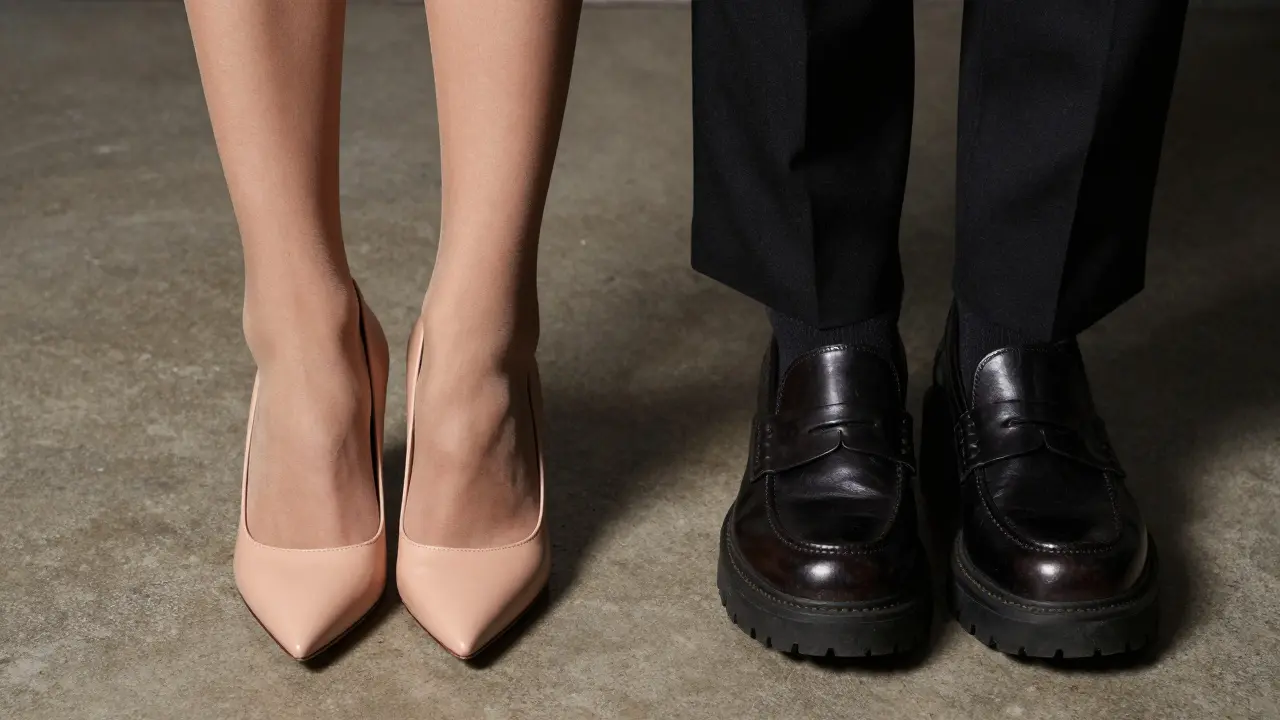
- Nude Pointed-Toe Pumps: This is the classic reason nude heels exist. When the shoe matches your skin tone, your foot becomes part of your leg. Add a pointed toe, and you extend that line even further past your actual toes. A round toe cuts off the visual flow; a point continues it.
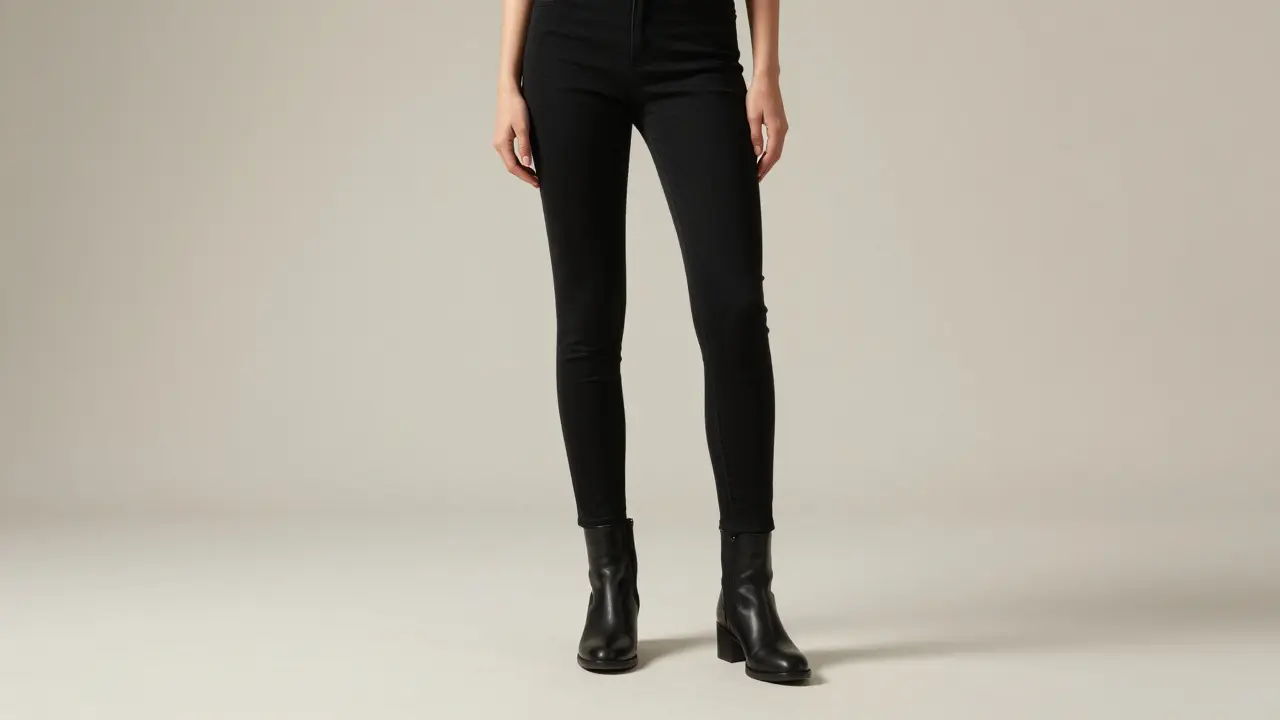
- Monochromatic Boots: Wear black skinny jeans with black ankle boots? You win. The lack of contrast means the eye doesn’t know where your leg ends and your foot begins. This works especially well for petite frames who want to avoid looking chopped up by their outfit.
- Low-Profile Sneakers: Think thin-soled canvas sneakers or minimalist leather runners. Heavy, chunky soles add bulk at the bottom, which can make the rest of the body look smaller by comparison. Sleek, flat shoes keep the silhouette light and airy, allowing the leg line to remain dominant.
- Vamp Height Matters: For flats and loafers, choose styles with a high vamp (the part of the shoe that covers the top of your foot). The less skin showing between your pant hem and the shoe, the longer your leg looks. Slip-ons with low cutouts expose more foot, breaking the vertical line.
A quick pro tip: If you’re wearing cropped pants, avoid shoes that end exactly where your pants end. Either go fully covered with tights/boots or ensure there’s enough ankle exposure to create a deliberate, stylish gap. Random breaks look like mistakes; intentional gaps look like fashion.
Shoes That Ground and Stabilize Your Frame
Sometimes, looking "taller" isn’t the goal. If you’re tall and lanky, or if you have a petite frame but want to appear more substantial and powerful, you need shoes that add weight and presence. These styles anchor you to the ground, making you look sturdy rather than floating.
- Chunky Loafers and Derby Shoes: Thick rubber soles and structured leather add visual mass to your feet. This balances out a slender build or long limbs. A sleek stiletto on a tall person can sometimes look fragile; a chunky loafer adds necessary counterweight.
- Platform Boots: Unlike standard heels, platforms add height without changing the angle of your foot. More importantly, they add volume. A combat boot with a thick lug sole creates a strong, grounded base that supports a heavier coat or broader shoulders.
- Oxfords and Brogues: These closed-lace shoes have a defined, boxy shape. They don’t taper away like pumps; they occupy space. Wearing them under wide-leg trousers creates a balanced proportion because the shoe has enough visual weight to support the fabric flowing over it.
- Dark, Opaque Colors: While nude elongates, deep blacks, rich browns, and forest greens absorb light and create density. Pairing these with darker denim or wool trousers enhances the feeling of stability.
Think of it like architecture. A skyscraper needs a wide foundation. If your upper body carries more volume-whether through broad shoulders, a larger bust, or voluminous clothing-your shoes need to reflect that scale. Delicate ballet flats under a maxi skirt can make you look like you’re drowning in fabric. Sturdy ankle boots hold their own.
Matching Shoe Silhouette to Body Shape
Your body shape dictates how much visual weight your lower half carries. Here’s how to align your footwear with your specific proportions:
| Body Proportion / Goal | Ideal Shoe Silhouette | Why It Works | Avoid |
|---|---|---|---|
| Petite / Short Legs | Pointed-toe flats, Nude heels, Monochrome boots | Extends the leg line uninterrupted | Ankle straps, Chunky platforms, Contrasting socks |
| Tall / Long Limbs | Chunky loafers, Wide-calf boots, Oxfords | Adds visual weight to prevent looking lanky | Ultra-thin stilettos, Tiny mules |
| Apple Shape (Wider Midsection) | Structured heels, Knee-high boots | Draws eye vertically, balances torso width | Bulky sneakers that widen the foot area |
| Pear Shape (Wider Hips/Thighs) | Heels with some height, Pointed toes | Elongates legs to balance hip width | Flat, wide sandals that shorten the leg |
| Average / Balanced | Most styles work; focus on occasion | Flexibility allows for trend experimentation | Shoes that clash with overall outfit volume |
Note that "apple" and "pear" shapes aren’t just about weight-they’re about where your mass sits. If your hips are wider than your shoulders, you want to lengthen the legs to create a V-shape illusion. Heels help here. If your midsection is your widest point, you want to streamline the lower half. Avoid adding bulk to your feet, which would compete with your torso for attention.
The Impact of Color and Material
Shape is only half the battle. Color and texture play a massive role in how heavy or light your shoes feel. Light colors expand; dark colors contract. Shiny materials reflect light and draw the eye; matte materials absorb it and recede.
If you’re trying to elongate, stick to monochromatic schemes. Navy pants with navy shoes? Great. Black leggings with black suede boots? Perfect. The transition is seamless. If you introduce a contrasting color-say, white sneakers with black jeans-you create a horizontal line at the ankle. That line acts as a stop sign for the eye, effectively cutting your leg length in two.
Material matters too. Patent leather shines and stands out. If you have small feet and want to minimize them, patent leather will highlight every curve and edge. Suede or matte leather blends better into the background. Conversely, if you have large feet and want to balance a petite frame, shiny, bold materials can actually help by drawing attention away from the rest of the body, though this is a risky strategy. Usually, it’s safer to keep the shoes understated when you want to emphasize height.
Common Mistakes That Ruin Proportions
Even with the right shoe style, small details can sabotage your look. Here are the most frequent errors people make:
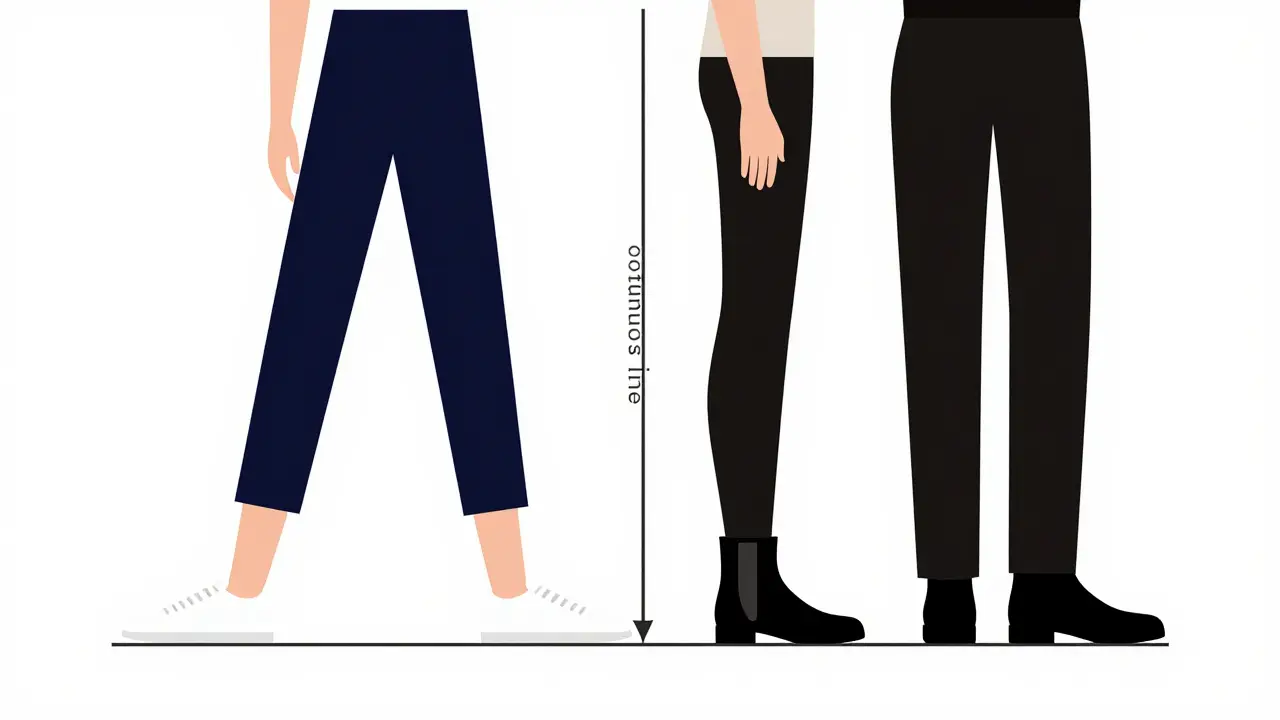
- The Ankle Strap Trap: Ankle straps are cute, but they literally strap your leg at its shortest point. Unless you’re going for a very specific retro vibe, avoid them if you want to look taller. They create a hard horizontal break.
- Wrong Pant Hem Length: Cuffing your jeans too high exposes too much ankle, making your calves look stubby. Letting them pool over your shoes hides the shoe entirely and creates a messy silhouette. The ideal length grazes the top of the shoe or rests lightly on it.
- Ignoring Toe Box Width: A shoe that is too narrow pinches your foot and makes it look distorted. A shoe that is too wide makes your foot look like a boat. Both extremes distract from the clean lines you’re trying to create. Fit should always come first, but within fit, choose the narrowest profile that is still comfortable.
- Mismatched Volume: Wearing delicate, strappy sandals with baggy cargo pants? The shoes disappear. Wearing massive hiking boots with a tight pencil skirt? The feet dominate. Match the volume of your shoes to the volume of your clothing. Flowy skirts need some substance in the shoe; tight pants can handle lighter footwear.
Practical Tips for Everyday Wardrobes
You don’t need a closet full of specialized shoes. A few versatile pieces can cover most bases. Start with a pair of neutral-colored, pointed-toe flats or low heels. These work for almost any elongating need. Then, invest in a sturdy, dark-colored boot with a moderate heel or platform. This grounds you in winter and balances heavier coats.
When shopping, pay attention to the "vamp" again. Higher vamps generally look more elegant and elongating. Lower cutouts can look casual but often shorten the foot. Try shoes on with the socks or hosiery you plan to wear. If you usually wear no-show socks, try them on barefoot to see the true line. If you wear visible socks, ensure the color bridges the gap between shoe and pant.
Finally, remember that confidence affects posture, and posture affects perception. Standing straight with your shoulders back makes any shoe look better. Slouching ruins the best proportions. So while choosing the right footwear helps, carrying yourself well is the ultimate styling hack.
Do pointed-toe shoes really make legs look longer?
Yes. Pointed toes extend the visual line of the foot beyond the actual toes, creating an illusion of length. Round or square toes create a horizontal stop, which can make the foot-and therefore the leg-appear shorter. For maximum effect, pair pointed toes with a color that matches your skin or your pants.
What shoes should petite women avoid?
Petite individuals should generally avoid chunky platforms, ankle straps, and shoes that contrast sharply with their pants or skin tone. These elements create visual breaks or add unnecessary bulk at the bottom, which can overwhelm a smaller frame and make legs look shorter.
Can sneakers be flattering for all body types?
Sneakers can be flattering, but the style matters. Slim, low-profile sneakers work well for elongating legs, especially when worn with cropped pants or monochromatic outfits. Chunky sneakers add volume and are better suited for taller frames or those wanting to ground their look. Avoid overly bulky sneakers if you are petite.
How do I choose between nude and black shoes?
Choose nude shoes if you want to elongate your legs, particularly when wearing dresses, shorts, or cropped pants. Nude blends with your skin, extending the leg line. Choose black shoes if you want to ground your look, create a bold statement, or match dark denim and trousers. Black creates a distinct separation between leg and foot.
Do heel height affect body proportions?
Yes, but not just by adding physical height. Heels change the angle of your calf and tighten the muscle, which can create a more streamlined leg appearance. However, extremely high heels can look disproportionate if the rest of your outfit is casual or loose. Moderate heels (2-3 inches) often provide the best balance of elegance and proportion correction.
What is the best shoe for wide hips?
For wider hips, the goal is to balance the lower body. Heeled shoes, especially those with a pointed toe, help elongate the legs and draw the eye upward, creating a more balanced silhouette. Avoid flat, wide sandals that can make the lower half look heavier. Structured boots or pumps are excellent choices.
Should my shoes match my belt?
While matching shoes and belts is a traditional rule, it’s less critical for proportion balancing. Focus instead on matching your shoes to your pants or skin tone for elongation. If you do match your belt, ensure it’s the same shade of brown or black to maintain a cohesive look, but don’t sacrifice leg-lengthening strategies for this minor detail.