

First, let's get the core concept straight. A Capsule Wardrobe is a curated collection of essential clothing and accessories that maximize versatility through a limited number of interchangeable pieces. When this philosophy extends to your feet, it means prioritizing neutral tones and classic silhouettes over fleeting trends. If a shoe only works with one specific dress you own, it doesn't belong in a capsule.
The Professional Powerhouse: Balancing Comfort and Authority
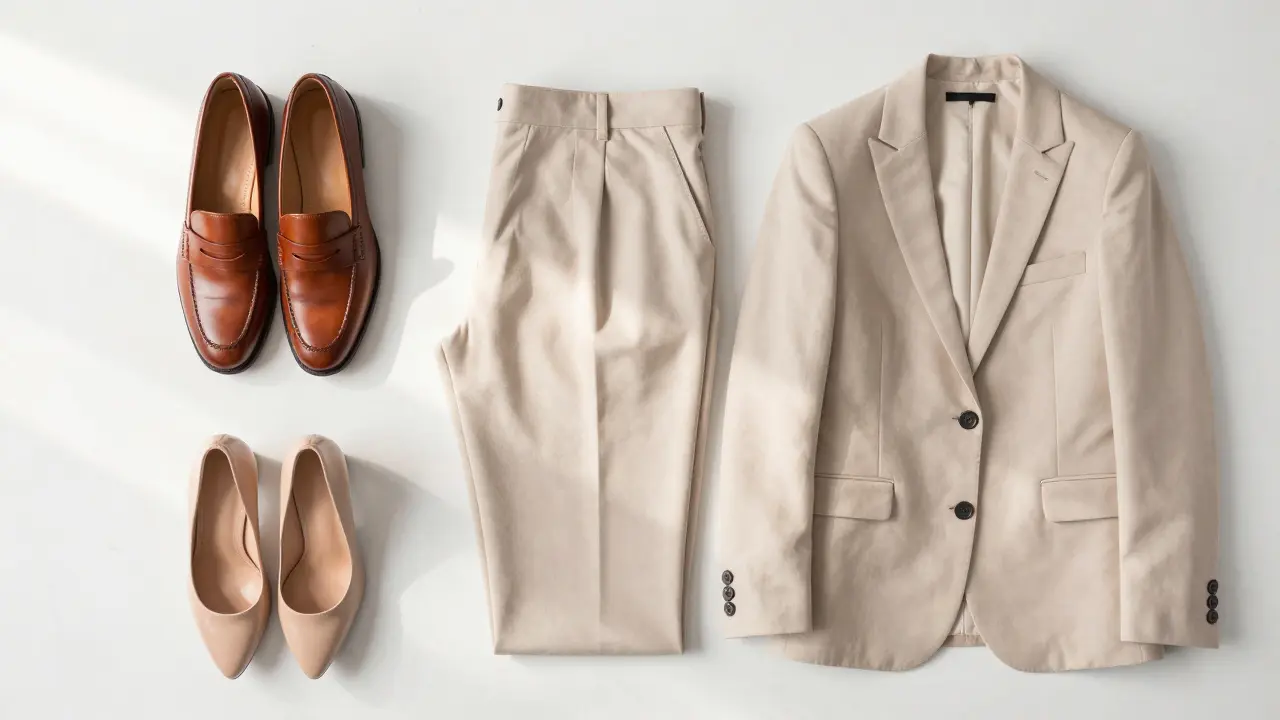
For the office, you need something that commands respect but doesn't leave you limping by 3 PM. The gold standard here is the Loafer, a slip-on shoe without laces or fasteners, typically featuring a low heel. A polished leather loafer in black or cognac is a cheat code for professional dressing. It works with tailored trousers, pencil skirts, and even dark denim for those 'casual Fridays' that aren't actually that casual.
If your workplace allows for a bit more height, a Block Heel is your best friend. Unlike stilettos, which are basically torture devices for anyone who actually has to walk to a conference room, a block heel distributes your weight more evenly. Look for a height of 2 to 3 inches. This keeps you polished without sacrificing your posture. In a neutral nude or black, these transition perfectly from a client presentation to a post-work dinner.
The key to professional footwear is maintenance. Scuffed toes can ruin the most expensive outfit. Keep a basic polishing kit at home; a quick five-minute buff once a month keeps your capsule pieces looking brand new for years, which is the whole point of investing in quality over quantity.
Everyday Reliability: The Casual Staples
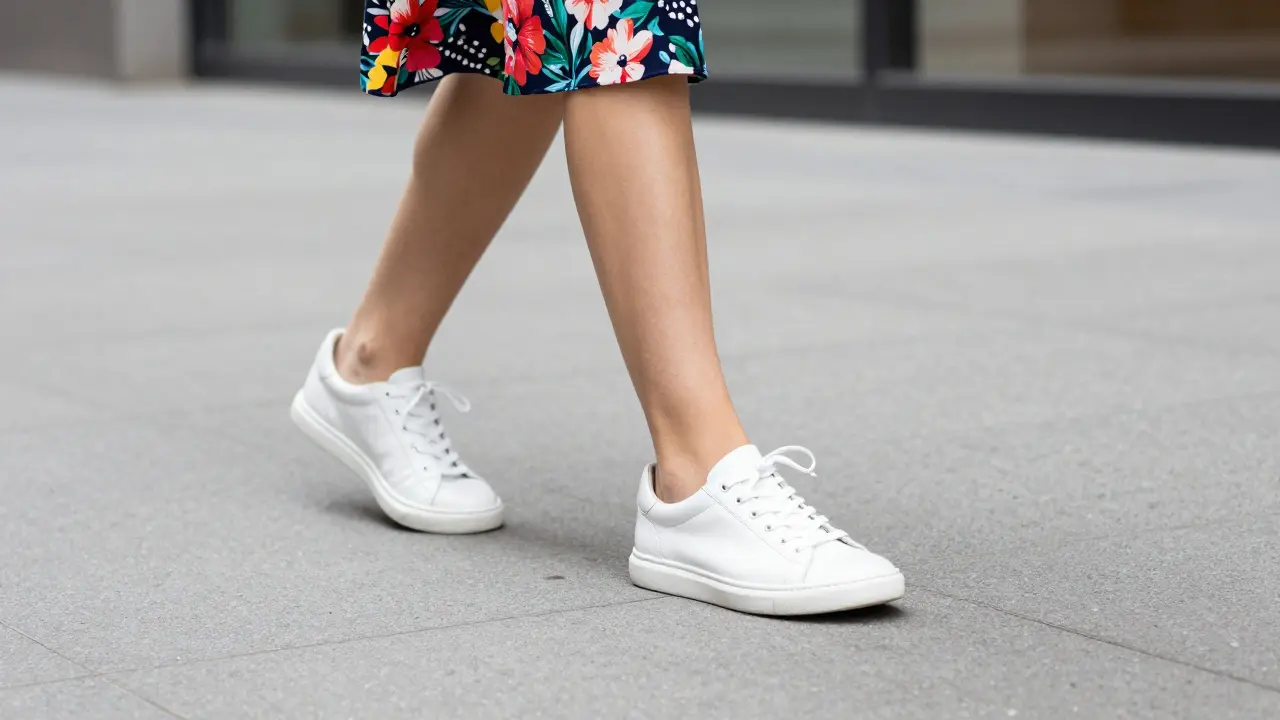
Your casual shoes do the heavy lifting. They handle the grocery runs, the coffee dates, and the long walks through the city. The absolute non-negotiable here is the White Sneaker, a minimalist, low-profile athletic shoe usually made of leather or canvas in a bright white finish. Why white? Because it acts as a neutral. A clean, white leather sneaker looks just as good with a floral midi dress as it does with leggings and a sweatshirt.
Avoid the 'gym shoe' look unless you're actually at the gym. Instead, go for a sleek silhouette-something like the timeless Stan Smith style or a minimalist leather brand. This prevents your outfit from looking like you're headed to a spin class when you're actually meeting a friend for lunch. Just be prepared: you'll need a magic eraser or a damp cloth to keep these looking crisp, as a dirty white sneaker immediately drags down the aesthetic of a curated wardrobe.
When the weather turns or you need something slightly more rugged, a Chelsea Boot is the way to go. These are the ankle-high boots with an elastic side panel that allow you to slip them on and off effortlessly. In a matte leather or suede, they bridge the gap between casual and smart-casual. They pair perfectly with cropped jeans or a sweater dress, providing warmth and style without the bulk of a heavy winter boot.
| Shoe Type | Best Color | Vibe | Primary Pairing |
|---|---|---|---|
| Loafers | Black/Tan | Professional | Trousers, Blazers |
| White Sneakers | Optic White | Casual | Jeans, Dresses |
| Block Heels | Nude/Black | Polished | Skirts, Tailored Pants |
| Chelsea Boots | Brown/Black | Smart-Casual | Denim, Knits |
The Occasion Pivot: Dressing Up Without the Clutter
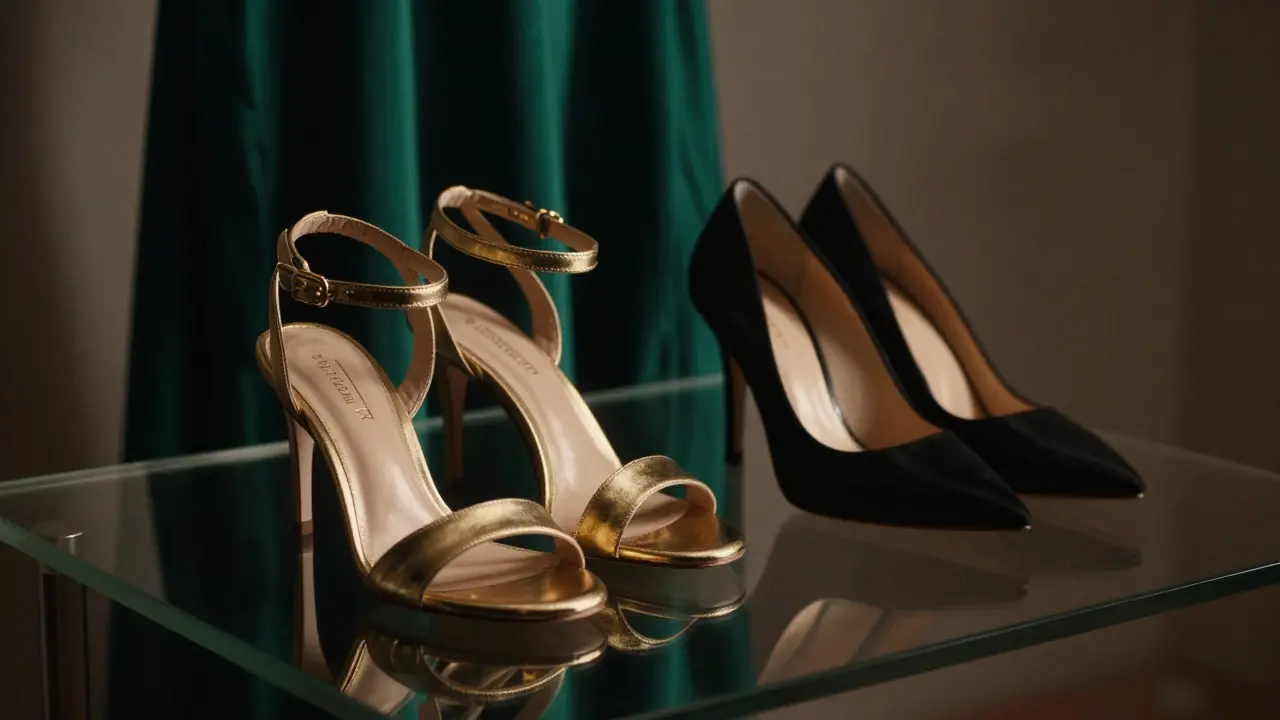
Most people have a 'special occasion' section of their closet filled with shoes they wear twice a year. To keep your capsule lean, you only need one truly dressy option. Enter the Pointed-Toe Pump. While a block heel is for the office, a sleek pump is for the gala, the wedding, or the fancy date. If you choose a neutral tone-like a soft beige or a deep black-it will complement every dress in your limited color palette.
However, if you find pumps too restrictive, a Strappy Sandal in a metallic finish (gold or silver) is a brilliant alternative. Metallics essentially function as neutrals in the evening world. A gold strap works with reds, blacks, greens, and whites. It adds a touch of glamour without requiring you to buy a new pair of shoes every time you change the color of your cocktail dress.
The secret to making these work in a capsule is focusing on the 'toe shape.' Pointed toes generally look more formal and elongate the leg, while rounded toes lean more casual. For your occasion shoe, stick to the pointed or tapered look to maximize the contrast with your everyday sneakers and loafers.
Matching Footwear to Your Color Palette
Your shoes should be the anchor of your outfit, not the focal point. In a capsule wardrobe, you typically choose a base color (like black or navy) and a coordinating neutral (like tan, cream, or grey). Your footwear should follow this logic. If your wardrobe is primarily cool tones (grey, blue, white), stick to black, silver, and white shoes. If you lean towards warm tones (beige, olive, rust), go for cognac, gold, and cream.
A common mistake is buying a 'pop of color' shoe. While a bright red heel looks great in a photo, it's a nightmare for a capsule because it only works with a handful of outfits. If you crave color, look for 'muted' tones-think burgundy, forest green, or navy. These act as 'colored neutrals' that add visual interest without breaking the interchangeability of your wardrobe.
Avoiding Common Footwear Pitfalls
One of the biggest mistakes people make is prioritizing style over the actual anatomy of their foot. A shoe that looks great but gives you blisters isn't versatile; it's a liability. When building your capsule, prioritize materials like genuine leather or high-quality suede. These materials mold to your foot over time, whereas cheap synthetic materials remain rigid and often cause friction.
Another trap is the 'trend trap.' For example, chunky 'dad sneakers' were huge a few years ago. While they're comfortable, they have a very specific look that doesn't always translate to a polished environment. To ensure your capsule lasts for five years instead of five months, ask yourself: 'Would I have worn this ten years ago? Will I wear it ten years from now?' If the answer is yes, it's a staple. If you're only buying it because you saw it on a social media feed this morning, put it back.
Curating Your Rotation for the Seasons
You can't wear strappy sandals in a Seattle November, and you can't wear heavy Chelsea boots in the middle of July. The way to handle this is through 'seasonal swapping.' Instead of thinking of your capsule as 10 pairs of shoes for the whole year, think of it as 6 core pairs, with 2-3 seasonal additions that rotate in and out of your active closet.
In the winter, your white sneakers might take a backseat to waterproof boots. In the summer, your loafers might be replaced by a high-quality leather slide. By keeping your seasonal additions in the same color family as your core staples, you maintain that seamless, interchangeable look regardless of the temperature. This prevents the 'closet creep' where you suddenly find yourself with 40 pairs of shoes because you bought new ones for every season.
How many pairs of shoes are actually needed for a capsule wardrobe?
For most people, 5 to 8 pairs are sufficient to cover all bases. This usually includes one pair of white sneakers, one pair of loafers, one pair of ankle boots, one pair of dressy heels/sandals, and 1-3 seasonal specifics like sandals for summer or snow boots for winter.
Can I use black shoes with a brown-based wardrobe?
While it is possible, it's generally harder to pull off in a strict capsule. If your wardrobe consists of warm tans and olives, cognac or brown footwear creates a more harmonious look. However, if you have a lot of black accents in your clothes, black shoes are a safe bet. The goal is visual cohesion.
Are leather sneakers too formal for a casual look?
Not at all. In fact, a sleek leather sneaker is the perfect middle ground. It's more polished than a canvas gym shoe but far more relaxed than a dress shoe. This versatility is exactly why they are a staple in the capsule wardrobe philosophy.
What is the best way to store a limited shoe collection?
Since you have fewer pairs, invest in a simple rack or clear bins to keep them visible. Using shoe trees for leather loafers and boots helps maintain the shape and prevents creasing, ensuring your high-quality investments last for years.
Should I buy expensive shoes or several cheaper pairs?
In a capsule wardrobe, the 'cost per wear' is the most important metric. Buying one pair of high-quality leather boots that last five years is cheaper and more sustainable than buying a cheap pair every six months. Focus on quality materials and timeless designs.
Next Steps for Your Footwear Edit
If you're feeling overwhelmed, start with a 'shoe audit.' Lay every pair you own on the floor. Remove anything that is physically uncomfortable or doesn't match at least three outfits in your current wardrobe. You'll likely find that you've been relying on the same three pairs for 90% of your life. Use that realization to identify the gaps-maybe you have plenty of sneakers but no professional option-and fill those gaps intentionally.
Once you have your core set, focus on the 'three-outfit rule.' Before buying any new pair of shoes, you must be able to mentally visualize three completely different outfits from your existing wardrobe that would work perfectly with them. If you can't, the shoe isn't a capsule piece; it's a distraction. By sticking to this rule, you'll keep your closet lean, your mornings easy, and your style consistently polished.


Write a comment