

You spend eight hours in a blazer that feels like armor. Then, at 6 PM, you’re supposed to look like you just stepped out of a trendy lounge, not a quarterly review. The friction between these two worlds is real. Most people solve it by carrying a massive tote bag full of spare clothes or by accepting that their evening will be underwhelming because they didn’t plan ahead. But there is a middle ground. You can dress for the boardroom and still command attention at the bar.
The secret isn’t magic; it’s strategy. It’s about choosing pieces that are ambiguous enough to pass HR but sharp enough to impress your date or friends. This guide breaks down exactly how to build that bridge, piece by piece, so you never feel stuck in "office mode" long after your laptop is closed.
The Foundation: Fabrics That Don’t Scream "Corporate"
If you want to transition smoothly, you have to start with the material. Stiff, shiny polyester screams "I am wearing a uniform." It holds heat, it wrinkles when you sit, and it looks cheap under dim restaurant lighting. You need fabrics that drape, breathe, and hold structure without rigidity.
Think wool blends. A lightweight wool crease or a wool-silk mix has natural texture. It catches light differently than synthetic satin. It looks expensive because it moves like skin, not plastic. For trousers, opt for high-quality cotton twill or stretch-blend wool. These materials resist wrinkling during your commute but soften as the night goes on, giving you a relaxed, intentional look rather than a stiff, tired one.
Avoid anything too sheer or too thick. Sheer fabrics require layers that might look bulky in the office, while heavy tweeds are impossible to shed quickly. Aim for mid-weight fabrics that work in both air-conditioned offices and slightly cooler evenings.
The Blazer: Your Best Friend (If Chosen Right)
The blazer is the cornerstone of the work-to-evening transition. However, not all blazers are created equal. The standard navy suit jacket with peak lapels says "lawyer," even if you’re drinking a martini. To pivot to social settings, you need to break the rules of the traditional suit.
- Go Unstructured: Look for blazers with no shoulder padding or minimal lining. These drape over your shoulders naturally, looking more like a casual overshirt than a uniform.
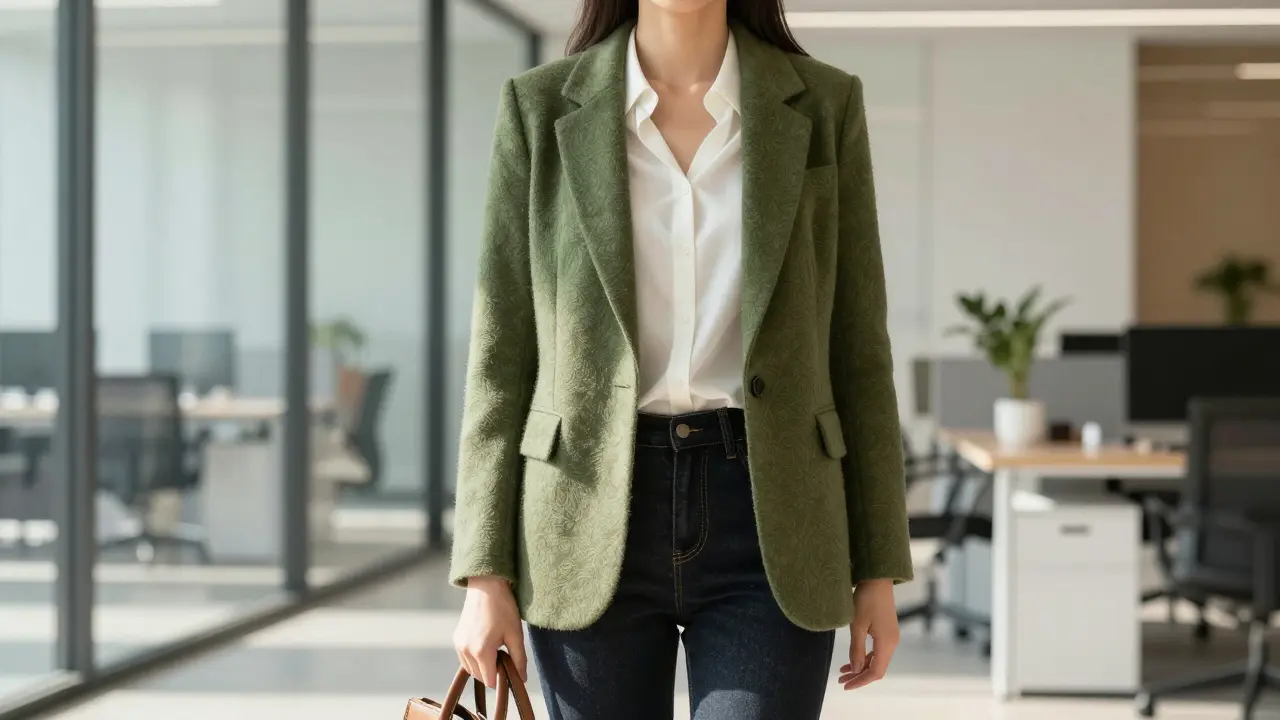
- Play with Texture: Herringbone, tweed, or corduroy blazers add visual interest. They signal effort without signaling formality. A textured olive green or rust-colored blazer instantly softens a white shirt.
- Change the Lapel: Shawl collars or wide notch lapels feel more vintage and less corporate. They pair beautifully with t-shirts or knit tops, which we’ll get to next.
Pair this blazer with dark denim instead of matching trousers. Denim is the great equalizer. It keeps the top half polished while grounding the outfit in casual cool. Just ensure the jeans are dark, clean, and well-fitted. No rips, no fading.
Tops: Swapping the Button-Down for Versatility
The white button-down is a staple, but it’s also a trap. Once you unbutton the top button and roll the sleeves, you look like you’re trying too hard to be casual. Instead, invest in tops that blur the line between professional and personal.
A silk blouse or a high-quality satin camisole works wonders. In the office, layer it under a structured cardigan or a tailored vest. It looks modest and chic. At 6 PM, remove the layer. Suddenly, you’re dressed for dinner. Silk reflects light beautifully in low-light environments, adding a subtle glow that cotton simply can’t match.
For men, consider a fine-gauge merino wool sweater or a high-end polo. A merino sweater over a crisp white tee is comfortable for work but sophisticated for drinks. It eliminates the stiffness of a collar while maintaining a clean silhouette. Avoid loud logos or bright colors. Stick to neutrals-charcoal, navy, cream, black-that allow accessories to do the talking later.
Bottoms: Trousers That Travel Well
Your pants need to survive a day of sitting and then stand up to a night of standing, dancing, or walking. Wide-leg trousers made from fluid fabrics are currently dominating this space. They offer comfort and elegance simultaneously.
Culottes or palazzo-style pants in a solid color look authoritative in a meeting room. Pair them with a tucked-in blouse and loafers, and you’re ready for business. Swap the loafers for heels or sleek ankle boots, and the volume of the pants reads as dramatic and fashionable rather than frumpy.
Alternatively, tailored midi skirts are incredibly versatile. A pencil skirt can feel restrictive, but an A-line or wrap skirt in a sturdy fabric allows movement. Choose a skirt in a neutral tone like camel, black, or slate gray. These colors hide minor spills (coffee or wine) and transition seamlessly from desk to bar.
Footwear: The Pivot Point
Shoes are often the hardest part of the transition. High heels hurt after eight hours. Sneakers can look too sporty for a nice dinner. The solution lies in hybrid footwear.
Kitten Heels: A 1.5 to 2-inch heel provides elevation without the pain of stilettos. They look elegant but are stable enough for walking across city streets. Look for pointed toes to elongate the leg, making the outfit feel sharper.
Loafers and Mules: Leather loafers with a slight block heel are perfect for both genders. They’re comfortable for commuting and stylish enough for cocktails. Mules are even easier-you can slip them off if you’re going to a place where shoes come off, or keep them on for a streamlined look.
Minimalist Boots: Ankle boots with a slim profile work year-round. They add edge to a floral dress or soften a sharp blazer. Avoid chunky lug soles unless you’re aiming for a very specific grunge aesthetic.
Accessories: The Quick Fix
If your base outfit is neutral, accessories become your tool for transformation. This is where you can save money because you don’t need new clothes; you need new details.
| Item | Office Mode | Evening Mode |
|---|---|---|
| Jewelry | Simple studs, thin chain necklace | Statement earrings, layered necklaces, bold cuff |
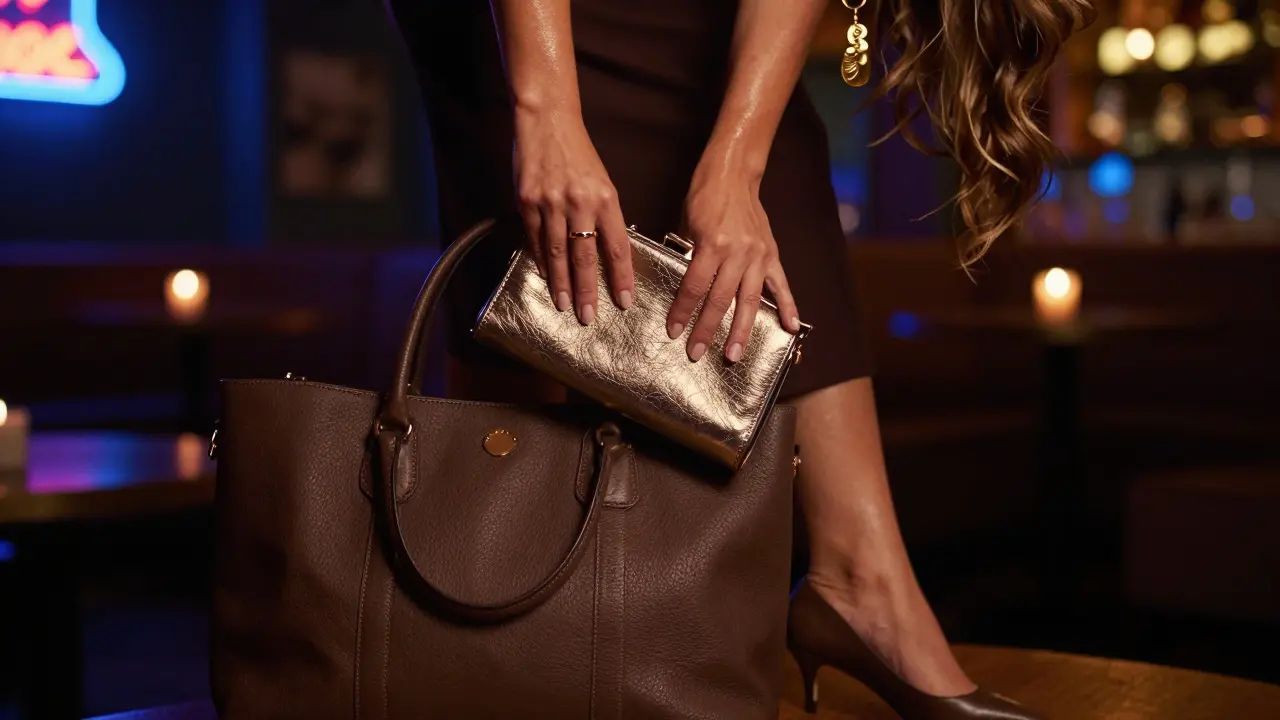
| Bag | Structured leather tote or satchel | Small crossbody, clutch, or metallic mini-bag |
| Scarf | Silk scarf tied loosely at neck | Remove entirely or tie to bag handle |
| Watch | Classic analog watch | Keep it, but swap strap for leather if metal feels too formal |
Switching your bag is the most impactful change. A large tote says "I carry my life." A small clutch says "I’m here to enjoy myself." Keep a small foldable pouch in your work bag so you can transfer essentials quickly.
Jewelry should follow the same logic. Minimalist pieces keep you looking tidy for presentations. Bold pieces draw attention to your face and neckline, shifting the focus from "professional" to "personal." Gold tones tend to warm up a look better than silver for evening wear, adding a touch of luxury.
Grooming: The Final Polish
Clothes only go so far. If your hair is pinned back tightly for work, let it down. Use a texturizing spray to add volume and movement. Tight buns say "focus," while loose waves say "relax." Makeup adjustments are subtle but effective. During the day, matte finishes help control shine under fluorescent lights. In the evening, switch to dewy foundations and add a highlighter to cheekbones and cupid’s bow. A deeper lip color-berry, brick red, or plum-can instantly make a daytime outfit feel night-ready. Don’t forget to blot away any excess oil from the day before applying lipstick.
Fragrance matters too. Citrus and fresh scents are good for morning energy. Warm vanilla, amber, or musk notes linger better in the evening and feel more intimate. Apply fragrance to pulse points-wrists and neck-after you’ve changed into your evening accessories, so the scent doesn’t clash with your work environment.
Building a Capsule Wardrobe for Transitions
To make this routine effortless, you need a capsule wardrobe. This means owning fewer items that all mix and match. Here’s a starter list for a week of seamless transitions:
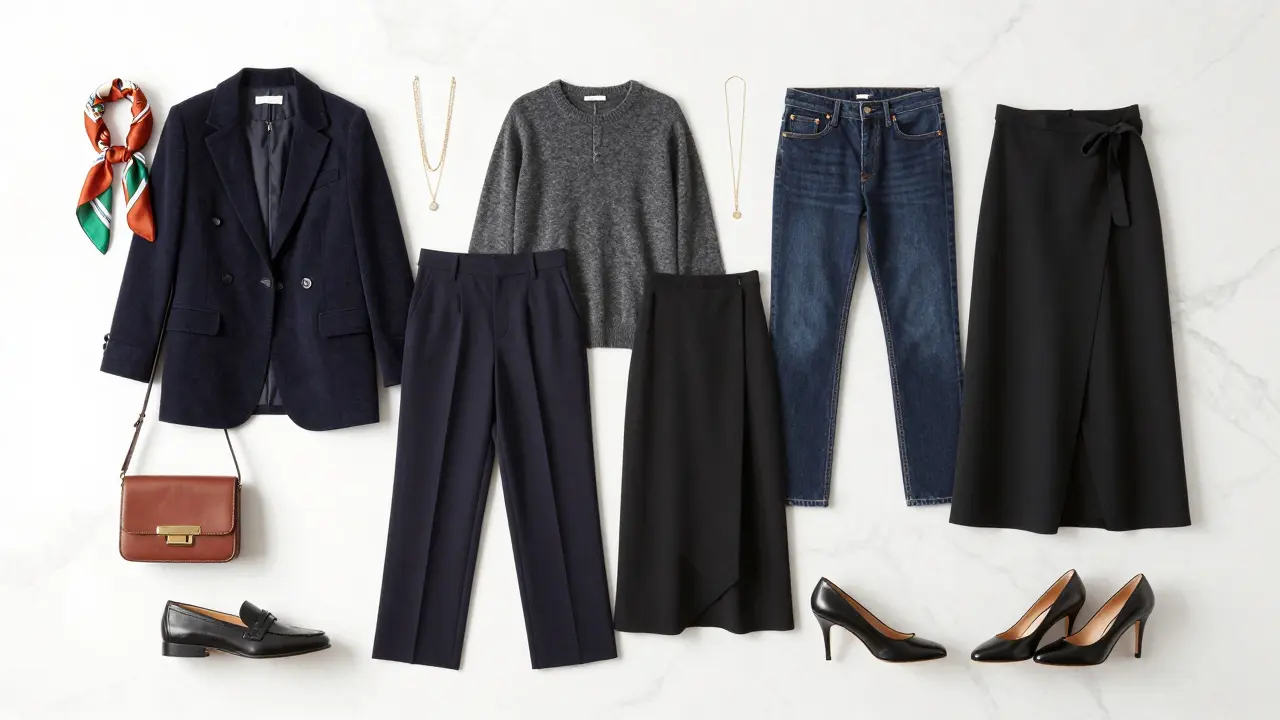
- 2 Neutral Blazers (one navy, one textured earth tone)
- 3 Tops (1 silk blouse, 1 merino sweater, 1 crisp white tee)
- 2 Bottoms (1 tailored trouser, 1 dark denim jean)
- 1 Midi Skirt (wrap style in black or charcoal)
- 2 Pairs of Shoes (1 kitten heel pump, 1 leather loafer)
- 3 Accessories (1 statement earring set, 1 small clutch, 1 silk scarf)
With these 11 items, you can create dozens of combinations. The key is consistency in color palette. Stick to blacks, whites, navys, grays, and one accent color like rust or emerald. This ensures that any top matches any bottom, reducing decision fatigue in the morning.
Can I wear jeans to a professional office and then to a nice dinner?
Yes, provided the jeans are dark-wash, straight or slim-fit, and free of distressing. Pair them with a blazer and elevated shoes to bridge the gap between casual and smart. Avoid light washes or baggy cuts, which lean too heavily towards casual.
What is the best fabric for work-to-weekend clothing?
Wool blends, silk, and high-quality cotton twill are ideal. They resist wrinkling, drape well, and look luxurious in low light. Avoid stiff polyesters and sheer synthetics that scream "uniform" or require complex layering.
How do I change my look quickly without a bathroom stall?
Focus on removable layers and accessories. Take off a structured cardigan, swap your work bag for a small clutch kept in your car or locker, and add bold jewelry. Letting down your hair and adding a swipe of darker lipstick completes the shift without needing a full change.
Are sneakers appropriate for after-work events?
Only minimalist, clean leather sneakers in white or black. They work for casual bars or dinners but may look out of place at upscale restaurants. Kitten heels or loafers are safer bets for broader social scenarios.
What color palette works best for transitional wardrobes?
Neutrals are king. Black, navy, gray, white, and camel mix easily. Add one or two rich accent colors like emerald, burgundy, or rust for depth. This allows you to mix tops and bottoms freely while maintaining a cohesive, polished look.


Write a comment