


You have thousands of saved images on Pinterest. Your Instagram grid is a graveyard of "I want that look" posts. You scroll through TikTok outfits every night before bed, nodding along to the styling tips. But when you open your actual closet in the morning, it’s still just... clothes. Hangers full of items you bought because they looked good on someone else, not because they fit your life. This gap between digital dreaming and physical wearing is where most people get stuck. They think they have no style, but really, they just have no plan.
Turning inspiration into actionable wardrobe plans isn’t about buying more stuff. It’s about curating what you already love and mapping it to your real-world schedule. If you’re tired of standing in front of an open closet feeling like you have nothing to wear, this guide breaks down exactly how to bridge that divide. We’ll move from vague aesthetics to concrete outfits, ensuring every piece you own earns its spot on the hanger.
The Inspiration Trap
Why do we save so many outfits? Because they represent an idealized version of ourselves. The person in that photo looks effortless, organized, and confident. We assume if we buy those exact pieces, we’ll feel the same way. But here’s the hard truth: context matters. That linen suit works for the influencer because she has a driver and air-conditioned offices. For you, commuting via subway in August humidity, it might be a sweat trap.
Saved images are often aspirational, not practical. They lack the friction of daily life-laundry cycles, weather changes, and the fact that you don’t have a stylist picking your socks. When you hoard these images without filtering them, you create mental clutter. You start judging your current wardrobe against a fantasy standard, leading to dissatisfaction with perfectly good clothes. The first step to fixing this is acknowledging that inspiration is data, not a shopping list.
Audit Your Digital Board
Before you touch your physical closet, clean up your digital one. Go through your saved folders or boards. Be ruthless. If an image makes you feel anxious instead of excited, delete it. If it requires five specific accessories you don’t own and won’t buy, archive it. You are looking for patterns, not individual items.
Look for recurring themes. Do you keep saving neutral tones? Are there a lot of oversized blazers? Is there a prevalence of denim-on-denim? These repetitions reveal your true aesthetic preferences, stripped of the noise of trendy one-offs. Create three distinct categories based on what you find:
- Core Style: Looks that feel like "you" right now. These should make up 70% of your board.
- Growth Edges: Looks that push your boundaries slightly but are achievable. Maybe you usually wear jeans, but you’re curious about tailored trousers. Save two or three examples.
- Dreams: High-concept looks you love visually but know you’d never wear. Keep these for mood, not for purchasing.
This sorting process forces you to confront what you actually like versus what you think you should like. It reduces decision fatigue later because you’ve already done the heavy lifting of curation.
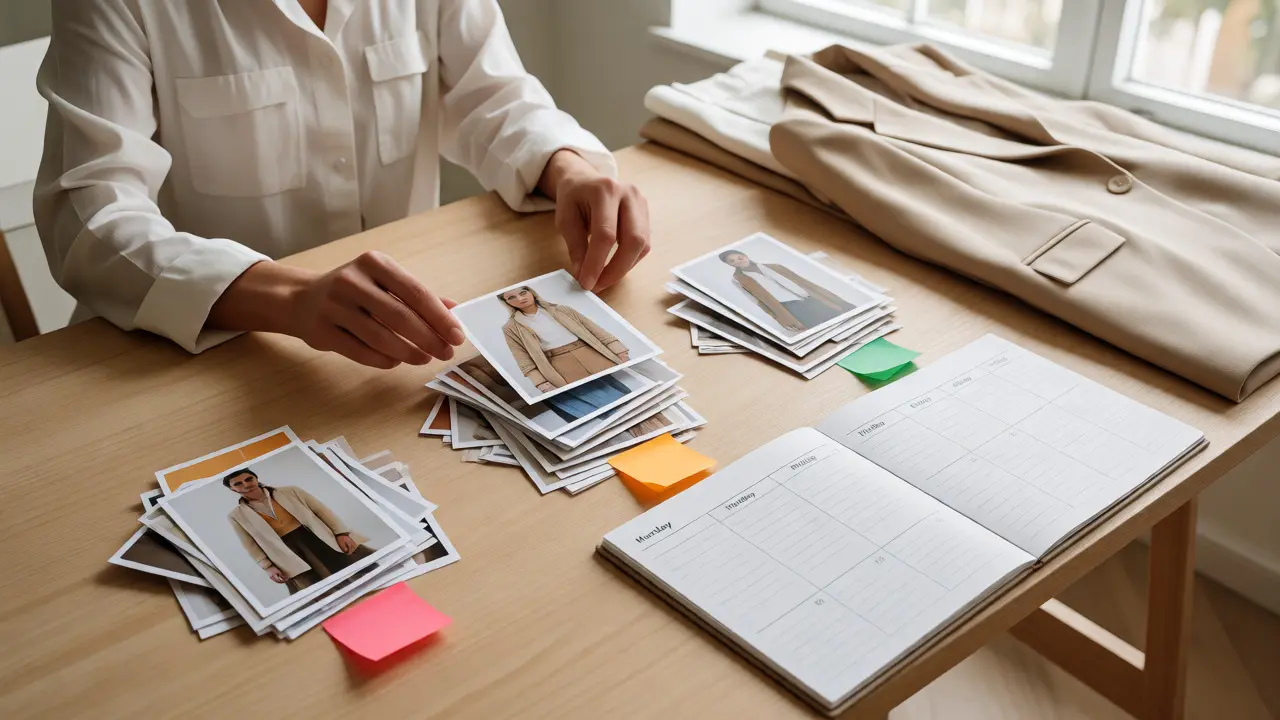
Map Inspiration to Your Actual Week
Now that you have a curated visual library, you need to ground it in reality. Most people fail at wardrobe planning because they plan for an imaginary week where they attend galas and hiking trips simultaneously. Let’s look at your last seven days. What did you actually do?
Create a simple chart. List your typical activities by day. Then, match your curated inspiration images to these slots. If you work in a creative office, find three saved outfits that fit that dress code. If you go to the gym on Tuesdays, ensure you have active wear that matches your aesthetic. If you have weekend brunches, pick two casual-chic looks.
| Activity Type | Inspiration Example | Required Items | Status |
|---|---|---|---|
| Office Work (Mon-Fri) | Neutral Blazer + Trousers | Blazer, Slacks, Loafers | Owned / Missing |
| Casual Weekend | Denim + White Tee | Jeans, Tee, Sneakers | Owned |
| Evening Event | Little Black Dress | Dress, Heels, Clutch | Missing Shoes |
This table highlights gaps. You might realize you have plenty of work tops but zero matching bottoms. Or you have great shoes but no pants that fit them. This specificity prevents impulse buys. You aren’t buying a "nice jacket"; you’re buying a beige trench to complete the Monday-Thursday uniform you identified.
Build Capsule Outfits, Not Just Pieces
Shopping by category (e.g., "I need a sweater") is inefficient. Shopping by outfit is effective. Take your mapped activities and build complete looks using items you currently own plus the few missing pieces you identified. Aim for three to five "go-to" outfits per major activity type.
For example, if your core style leans minimalist, create a "Monday Power Look." Start with a white button-down. Add high-waisted black trousers. Finish with pointed-toe flats. Now, photograph yourself wearing it. Does it feel comfortable? Can you sit in it? Does it pass the mirror test? If yes, this is a staple. Repeat this for other scenarios.
When you shop, use these photos as your checklist. Don’t browse stores aimlessly. Walk in knowing you need a pair of trousers that works with that specific white shirt. This constraint breeds creativity and saves money. You stop buying things that only work with one other item you also just bought. Instead, you invest in versatile anchors that multiply your existing options.
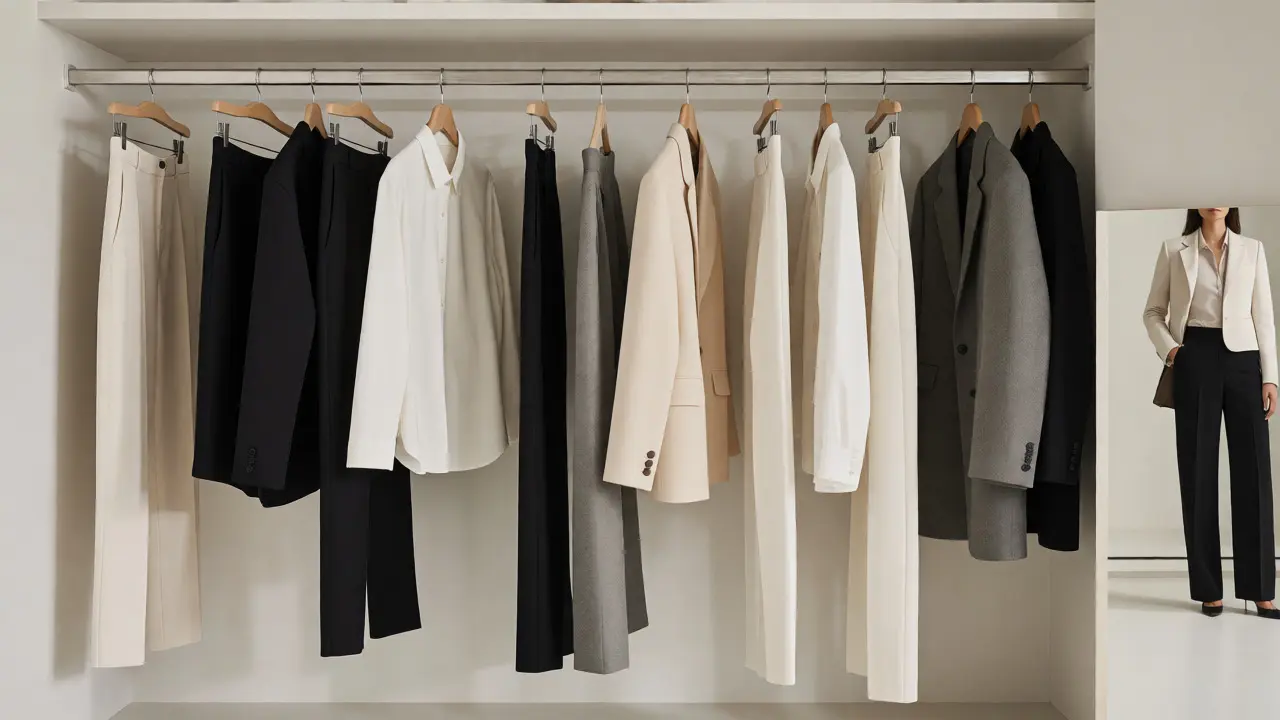
Handle the "But I Already Have Too Much" Problem
Often, the barrier to action isn’t a lack of ideas, but an overwhelming closet. You can’t execute new plans if old ones are blocking the path. Use your newly defined style filters to edit your physical space. Pull everything out. Try on items against your new inspiration criteria.
If an item doesn’t fit your "Core Style" or "Growth Edge" categories, let it go. It doesn’t matter if it was expensive or a gift. If it doesn’t align with the person you are becoming, it’s dead weight. Donate it. Sell it. Recycle it. The goal is to reduce volume so clarity can emerge. A smaller closet makes it easier to see what you have, which directly supports the habit of wearing what you own.
Be careful not to over-edit. Keep items that serve a functional purpose even if they aren’t stylish, like rain gear or workout basics. But remove the decorative clutter-the t-shirt with the slogan you stopped liking two years ago, the scarf that never matches anything. Clearing this space creates room for the intentional pieces you’ll acquire next.
Maintaining the Cycle
Wardrobe planning isn’t a one-time project. Your life changes, and so does your style. Review your inspiration boards quarterly. Delete images that no longer resonate. Add new ones that reflect your evolving taste. Re-audit your closet seasonally. Check if your "Monday Power Look" still fits or if you’ve gained comfort in different fabrics.
Keep a running note on your phone called "Style Wins." Every time you get a compliment or feel particularly confident in an outfit, write it down. Note what you wore. Over time, this becomes a personalized database of what works for your body and lifestyle. It’s more valuable than any magazine spread because it’s proven in your reality.
By treating inspiration as a resource to be mined, not a collection to be worshipped, you take control. You stop reacting to trends and start building a wardrobe that serves you. The distance between the screen and your closet shrinks until they’re virtually the same place.
How many saved outfits should I keep on my board?
There is no magic number, but quality beats quantity. Aim for 20-30 highly relevant images that clearly define your current goals. If you have hundreds, you likely haven't filtered them enough. Prune regularly to keep the board actionable rather than aspirational.
What if my inspiration doesn't match my budget?
Focus on the silhouette and color palette rather than the brand. You can recreate the vibe of a designer outfit with affordable basics. For instance, if you love a structured blazer look, look for similar tailoring at mid-range retailers. Prioritize fit over label.
Do I need to buy new clothes immediately after planning?
No. In fact, wait. Try wearing your existing clothes according to your new plan for two weeks. You might discover you already own suitable alternatives. Buy only what is strictly missing to complete your key outfits.
How do I handle seasonal transitions?
Adjust your inspiration boards seasonally. Swap summer linens for winter wools in your saved images. Audit your closet at the change of seasons to store off-season items and bring forward relevant pieces. This keeps your planning aligned with weather realities.
What if I hate shopping?
Use your detailed outfit maps to shop online with precision. Search for specific items (e.g., "high-rise straight leg black jeans") rather than browsing categories. Having a clear target reduces the overwhelm and makes the process faster and less stressful.