

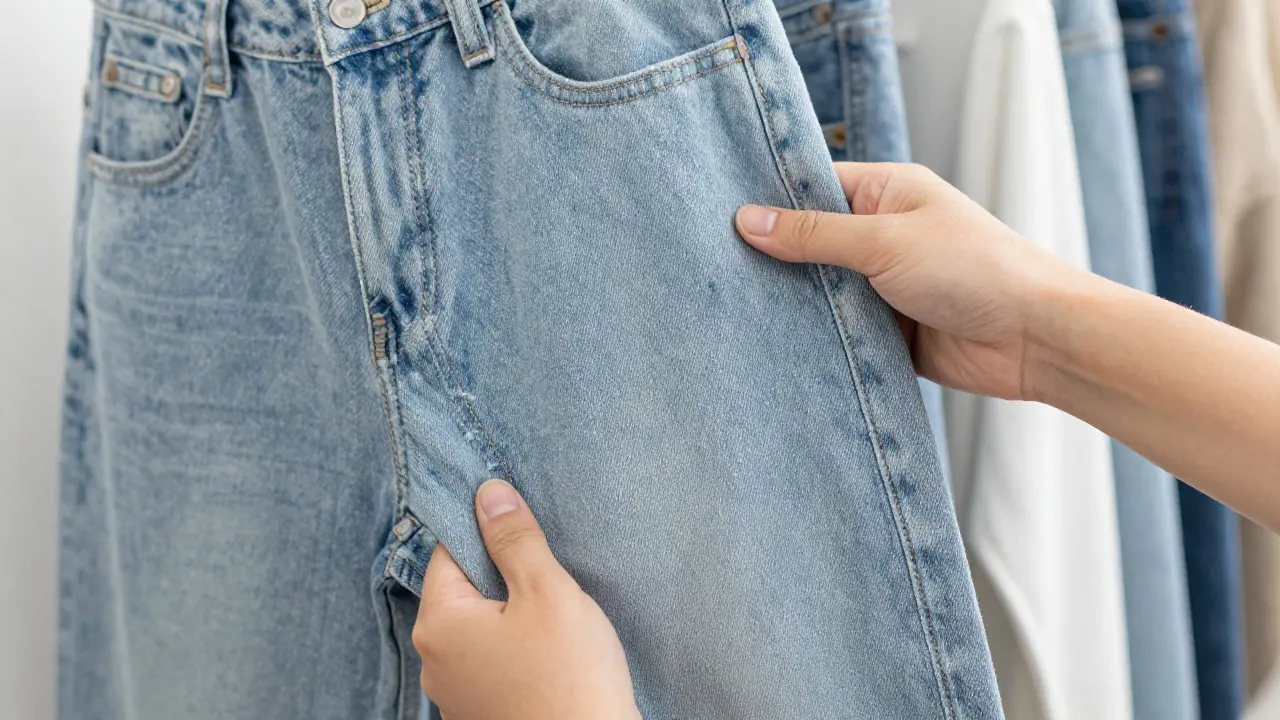
Walking into a discount retailer or a fast-fashion outlet can feel like stepping into a minefield. You see the price tag-$12 for jeans, $8 for a blouse-and your wallet cheers. But then you remember that cheap clothes often fall apart after one wash. The real trick isn't just finding low prices; it's knowing how to spot quality before you hand over your card. If you know what to look for, you can buy budget-friendly items that actually last.
This guide gives you a practical garment quality checklist to use right now, in the store, without needing any special tools. We’ll cover seams, stitching, fabric integrity, and construction details that separate durable pieces from disposable ones.
The Quick Inspection Routine
Before you even pick up an item, get into a habit of scanning. Don’t just grab the hanger; engage with the garment. Hold it up to the light if possible, check the weight, and feel the texture. A heavy drape usually suggests better fabric density than something flimsy and sheer. This initial tactile assessment tells you about the material’s potential longevity before you dive into the technical details.
- Feel the fabric weight against your palm.
- Check for symmetry by holding the garment up.
- Look at the lining (if present) for transparency.
- Inspect the overall shape for distortions.
Seam Construction: The Backbone of Durability
When inspecting seams, look for the type of finish used. Flat-felled seams, common in higher-end denim and shirts, encase raw edges to prevent fraying. Overlock stitches (serged edges) are standard in knitwear but should be tight and even. If you see loose threads hanging from the seam allowance inside the garment, it’s a red flag. It indicates sloppy workmanship that could lead to unraveling.
Pay close attention to the tension of the thread. Pull gently on the seam. If it stretches excessively or feels weak, the thread count is likely too low, or the machine settings were off. A strong seam should hold firm without distorting the fabric around it. Also, check for "puckering"-where the fabric gathers unevenly along the stitch line. This not only looks bad but creates weak spots that tear easily.
Stitching Density and Consistency
Low stitch counts save manufacturers time and thread, but they compromise durability. Run your finger along a seam. If you can easily see gaps between stitches or if the thread looks sparse, put it back. Consistent spacing is equally important. Uneven stitches suggest automated machinery that wasn’t calibrated correctly, leading to irregular stress distribution.
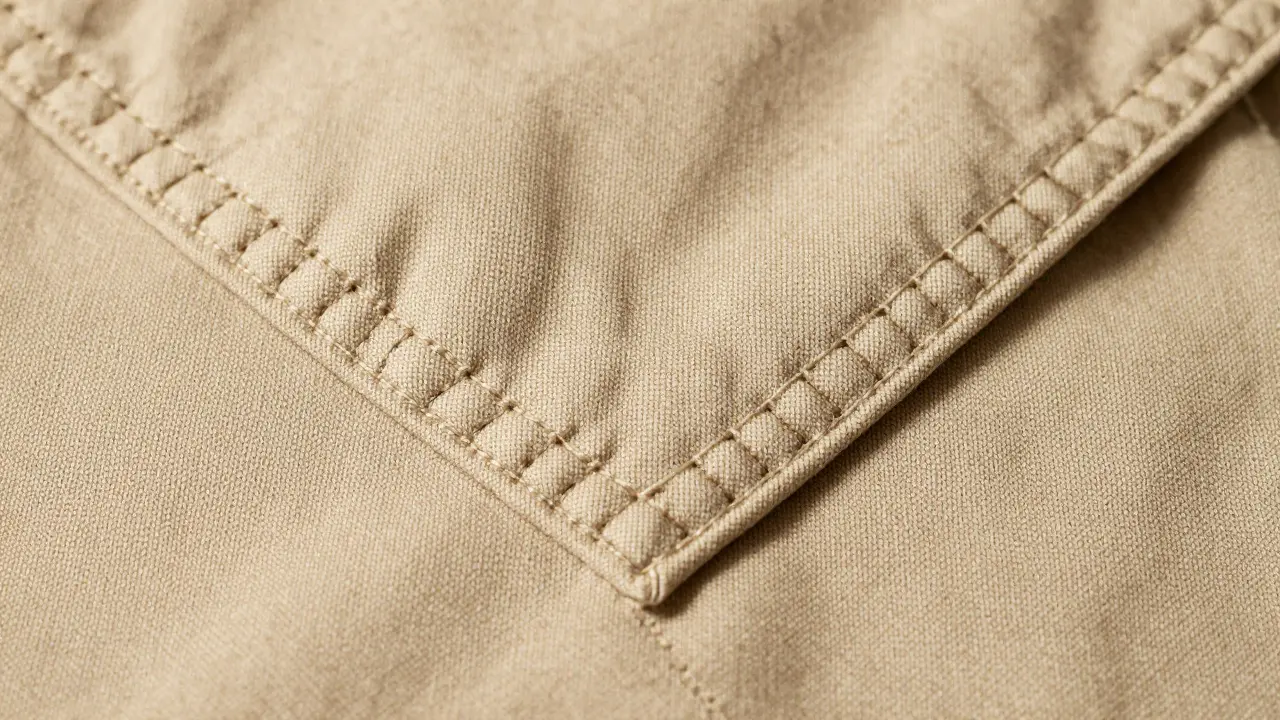
Bar tacks are small, dense clusters of stitches found at high-stress areas like pocket corners and belt loops. Their presence is a positive sign. Even in budget items, reputable brands include bar tacks because they know these areas fail first. Absence of bar tacks on pockets means those pockets might rip out when you pull them full.
| Feature | Good Quality | Poor Quality |
|---|---|---|
| Stitches Per Inch | 10+ for wovens, 8+ for knits | Fewer than 8, visible gaps |
| Thread Tension | Tight, no looping | Loose, tangled, or puckered |
| Bar Tacks | Present at stress points | Absent on pockets/belt loops |
| Edge Finish | Clean overlock or flat-fell | Raw, fraying edges |
Fabric Integrity Tests
The "pull test" is simple. Gently tug the fabric from opposite directions. Woven cottons and denims should resist stretching unless they contain elastane. If a non-stretch fabric elongates significantly, the weave is loose and will bag out quickly. For knits, some stretch is normal, but it should snap back immediately. If it stays stretched, the fibers are fatigued or low-quality.
Check the weave density by holding the fabric up to the light. If you can see significant light passing through the weave (unless it’s intentionally sheer), the fabric is thin and prone to tearing. Look for slubs or inconsistencies in the yarn. While natural fibers like linen have character, excessive lumps in synthetic blends indicate poor spinning processes.
Also, rub the fabric between your fingers. Does it pill instantly? Pilling occurs when short fibers break and tangle on the surface. High-pilling fabrics look worn after just a few wears. Synthetic blends like polyester-spandex are notorious for this if not treated properly. Natural fibers like wool and cotton pill less, but even they require good construction.
Hardware and Finishing Details
Buttons, zippers, and hooks are often overlooked but tell a lot about quality. Plastic buttons that feel brittle or lightweight may crack under pressure. Metal or resin buttons with multiple shank holes are more durable. Check if the buttonholes are reinforced with bar tacks or extra stitching. Unreinforced buttonholes stretch and tear.
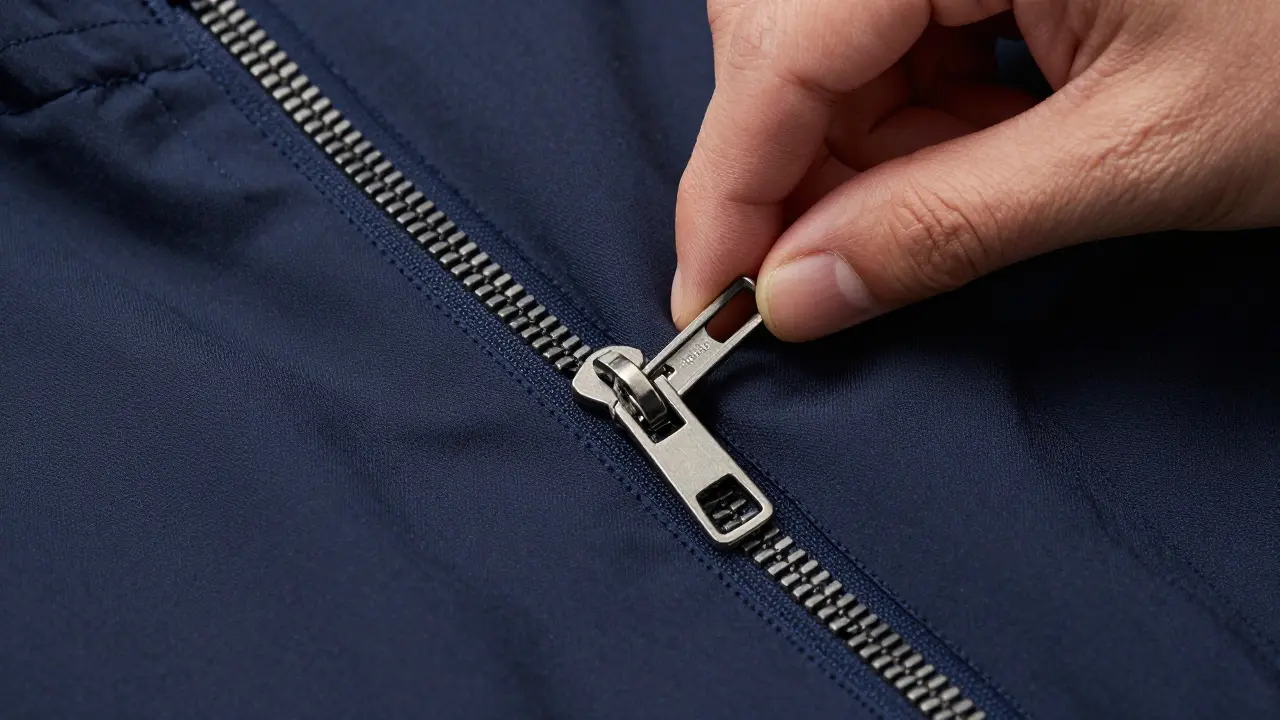
Zippers should glide smoothly without catching. YKK is a reliable brand often found in mid-range and some budget items. Cheap zippers jam or separate at the top. Pull the zipper up and down several times. If it sticks, skip it. Also, check the tape surrounding the zipper. Is it stitched securely to the garment? Loose zipper tapes lead to misalignment.
Hemlines and cuffs should be even and neatly finished. Look inside the hem. Is there a clean fold, or is it messy with exposed threads? A serged hem edge prevents fraying. If the hem is glued instead of stitched (common in ultra-fast fashion), it will peel after washing, leaving a stiff, ugly ridge.
Common Pitfalls in Budget Shopping
One major trap is assuming size consistency equals quality. Many budget brands run large or small to reduce tailoring costs. Always try things on. Fit issues strain seams prematurely. A shirt that’s too tight across the back will pop the shoulder seams. Pants that are too loose in the thigh will sag and stress the knee area.
Another pitfall is ignoring care labels. If a garment requires dry cleaning only, it’s not truly budget-friendly in the long run. Look for machine-washable instructions. However, be wary of items labeled "hand wash only" if the fabric feels delicate yet cheap. It might shrink dramatically in any water contact.
Don’t let trends blind you to construction flaws. A trendy silhouette won’t matter if the side seams split after a week. Prioritize timeless cuts with solid construction over fleeting styles with compromised integrity. Simple designs hide fewer flaws, making quality easier to assess.
Pro Tips for Smart Inspections
- Use the mirror: Check how the garment hangs on your body. Does it twist? Twisting indicates unbalanced cutting or weaving.
- Smell test: Strong chemical odors suggest harsh dyeing processes that fade quickly and irritate skin.
- Check the label placement: Labels sewn neatly into seams are better than those glued or loosely attached.
- Inspect the collar: Collars should lie flat and maintain shape. Wrinkled collars after minimal handling signal poor interfacing.
- Look for reinforcement: Extra patches at elbows, knees, or seat areas extend garment life significantly.
Final Thoughts on Value
Buying budget fashion doesn’t mean accepting disposability. With a keen eye and this checklist, you can identify hidden gems that offer surprising durability. Focus on construction over brand names. A well-stitched, tightly woven plain tee will outlast a branded graphic tee with loose seams. Your wardrobe benefits from thoughtful selection, saving money and reducing waste in the process.
How do I check if fabric will shrink?
Look at the fiber content on the label. Natural fibers like cotton and wool shrink more than synthetics. If the item says "pre-shrunk," it has undergone treatment to minimize shrinkage, though some reduction is still possible. Avoid buying items that fit perfectly snug if they’re 100% cotton, as they will tighten after washing.
What is the best way to test zipper quality?
Zip and unzip the closure three times slowly. It should move smoothly without jerking. Check the teeth alignment; they should mesh evenly. Pull the slider firmly upward; it shouldn’t detach from the track. Brands like YKK or Riri generally indicate better quality control.
Why are bar tacks important?
Bar tacks are dense, reinforced stitches used at high-stress points like pocket corners and belt loops. They prevent the fabric from tearing under load. Without them, pockets often rip out when filled, rendering the garment useless for its intended function.
Can I trust online reviews for quality assessment?
Reviews can help, but focus on comments about durability and fit rather than style. Look for photos showing pilling, seam failures, or color fading after washes. Be cautious of overly positive reviews that lack specific details about construction.
Is expensive always better quality?
Not necessarily. Higher prices often reflect branding, marketing, and retail markup. By learning to inspect seams, stitching, and fabric yourself, you can find mid-priced or budget items that match the quality of luxury goods, maximizing value.