

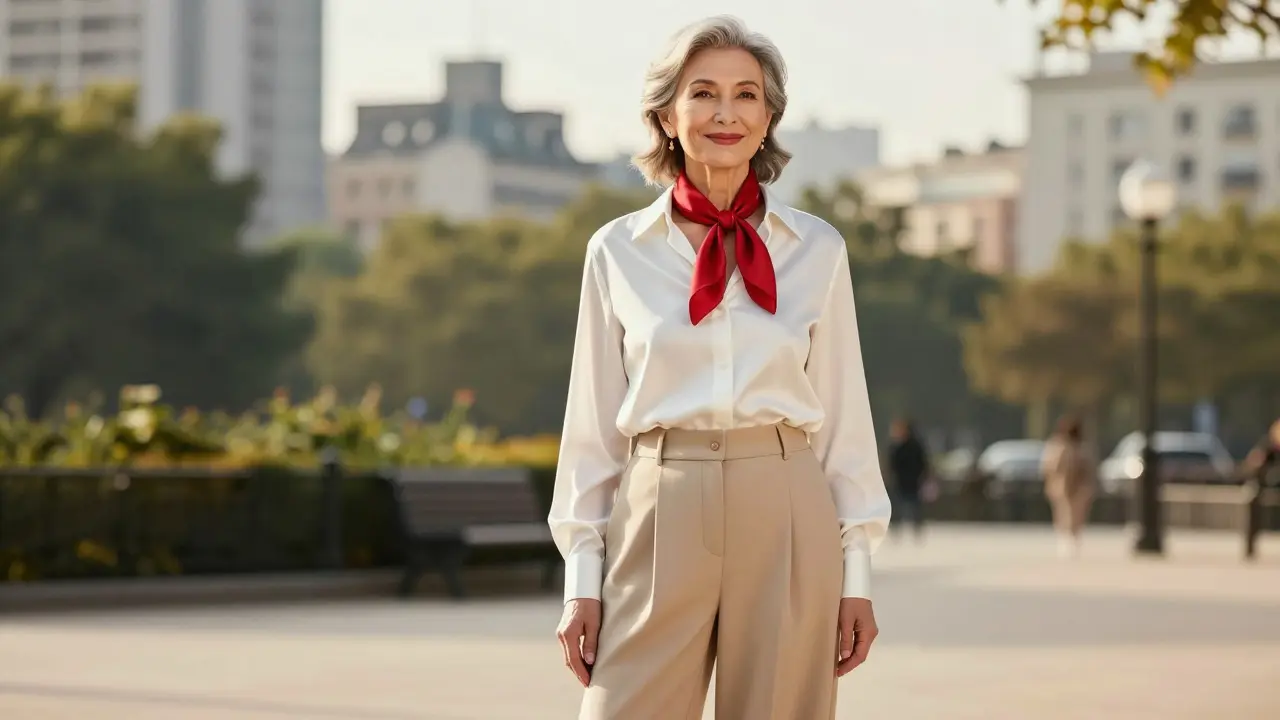
There is a misconception that once you become a grandparent, your personal style disappears behind a uniform of sweatpants and cardigans. That simply isn't true. In fact, life at this stage allows for a unique freedom where comfort meets sophistication in ways younger decades rarely achieve. The goal isn't to look thirty years young; the goal is to look undeniably Ageless Styleis a fashion approach that prioritizes timeless elegance, comfort, and confidence regardless of chronological age.
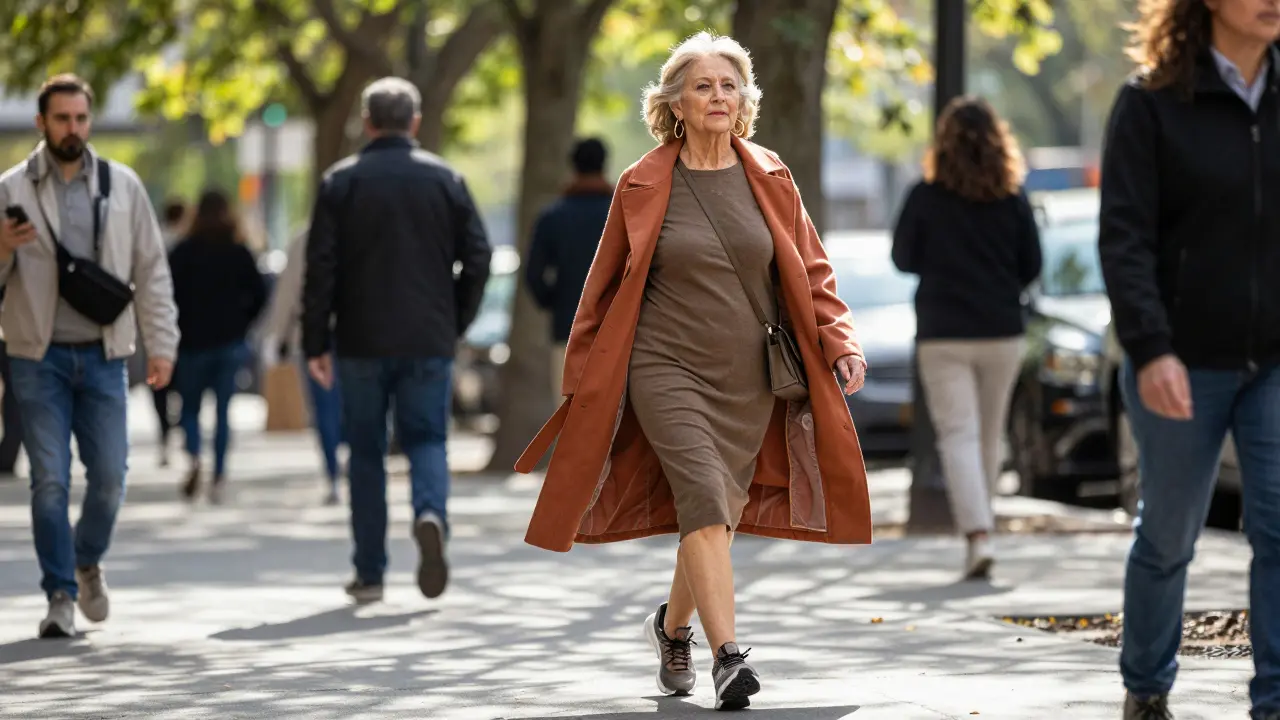
We live in a time where the boundaries of 'appropriate' clothing are blurring. You can wear sneakers with a dress just as easily as trousers. This flexibility opens the door to creating a wardrobe that feels playful yet remains grounded in practical needs. When we talk about style goals for today, we are talking about outfits that handle school pickups, community meetings, and family dinners without requiring a mid-day change.
The Trinity of Effective Style
To build a wardrobe that works, we focus on three core pillars. These aren't abstract concepts; they are functional checks for every piece you buy.
- Playful: Does the outfit include an element of joy? Maybe it's a bright scarf or a patterned top. It signals to the world that you enjoy yourself.
- Practical: Can you sit, stand, move, and travel in this? If you have to adjust the hemline three times during the day, it fails the test.
- Polished: Is it clean, wrinkle-free, and coordinated? You don't need designer labels, but you do need intentional choices.
Think of it this way: You are curating a collection of armor that keeps you comfortable while letting you shine. A good example is the shift from skinny jeans to wide-leg trousers. They offer room for movement and hide lumps and bumps better, while looking incredibly chic when paired with a tucked-in silk blouse or structured tee.
Fabric Choices for Comfort and Durability
Much of the friction in older wardrobes comes down to materials. Synthetic blends often trap heat and smell quickly. We want natural fibers that breathe.
Linen is a superstar here. Yes, it wrinkles, but that's part of the charm. For colder months, look for Cashmere Knitssoft, luxurious sweaters made from goat wool that provide warmth without bulk. It regulates temperature better than wool and resists pilling if cared for correctly.
| Fabric Type | Why It Works | Best For |
|---|---|---|
| Cotton Twill | Durable, breathes well, easy wash | Everyday pants, shirts |
| Silk Blends | Smooth drape, cool touch | Blouses, scarves |
| Merino Wool | Natural odor resistance, warm | Sweaters, base layers |
| Tencel/Lyocell | Eco-friendly, silky feel, moisture-wicking | Dresses, relaxed tops |
Avoid stiff denim that rubs at the waist or polyester jackets that generate static electricity. When you touch fabric before buying, ask yourself: "Would I want this against my skin all day?" Your body changes texture-wise as you age, becoming more sensitive to itchiness.
Building a Versatile Capsule
The Capsule Wardrobea minimal collection of interchangeable pieces designed to maximize outfit combinations strategy saves money and mental energy. Instead of fifty items that don't match, you aim for twenty-five items that mix and match perfectly.
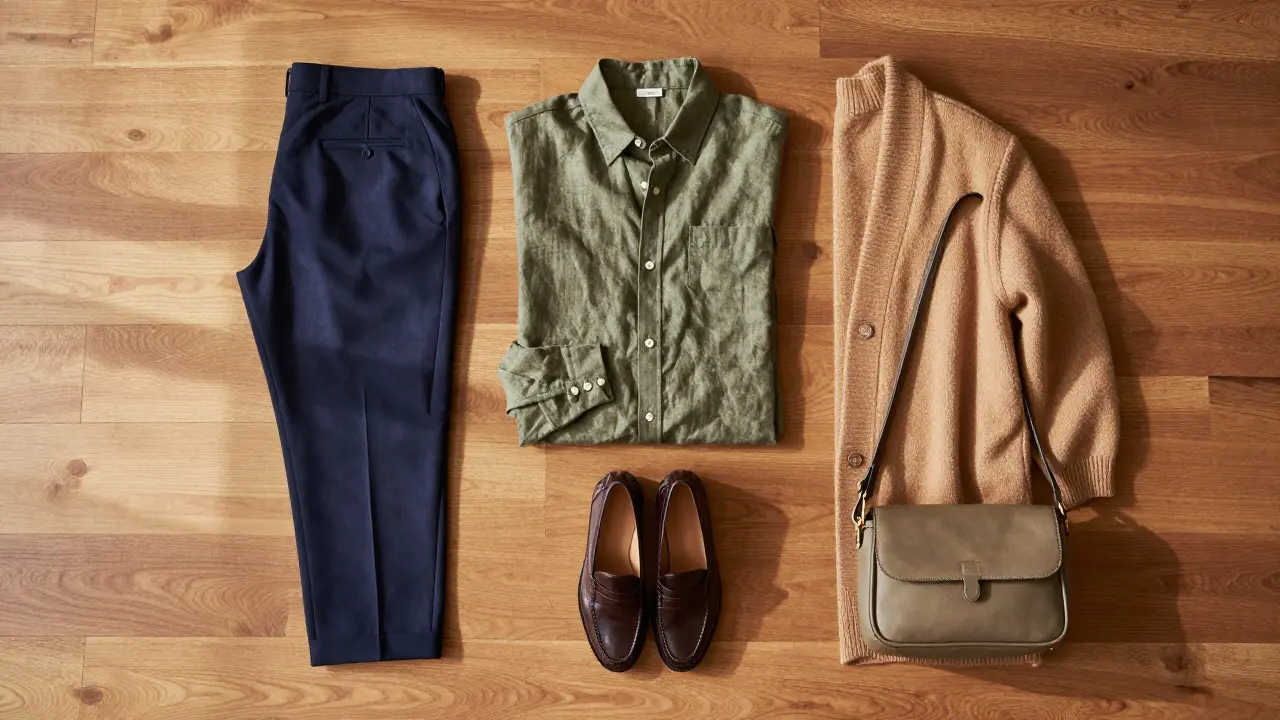
Start with neutrals: navy, camel, charcoal, and white. Then add two accent colors that flatter your skin tone. In 2026, we are seeing a lot of olive green and terracotta being used as new neutrals.
Your essential checklist should include:
- Two pairs of tailored trousers (one black, one beige/navy)
- Three great tops (striped tee, linen button-down, knit polo)
- One blazer that fits well but isn't too formal
- One pair of dark denim (straight leg preferred)
This system ensures that when you wake up, you can grab anything, and it works. You reduce the "decision fatigue" that leads to throwing on old sweatpants.
Mastering Color and Pattern
Don'7t fear boldness. A common mistake is hiding in head-to-toe grey or black. While monochrome looks elegant, adding a splash of color lifts the whole look.
Patterns are your friend here. Gingham, small florals, or geometric prints add visual interest without screaming for attention. The trick is scale. Large floral prints can sometimes overwhelm a petite frame, while tiny polka dots can look dated. Medium-scale patterns generally bridge the gap best.
If you want to try something playful, put the fun on top. A printed shirt under a solid-colored coat keeps the look anchored. Alternatively, play with accessories. A bright hat or a colorful bag can transform a boring outfit instantly.
Footwear That Actually Supports Movement
This is non-negotiable. You spend your day walking, maybe rushing to get groceries, or chasing grandchildren in a park. High heels or thin-soled ballet flats are often impractical now.
Look for brands that prioritize arch support and cushioning without sacrificing style. The "dad shoe" trend of recent years has morphed into cleaner silhouettes that look sleek enough for smart casual occasions. Brands like Ecco or Clarks often lead here, offering hidden orthotics.
You don't need a separate "walking shoe" anymore. Many modern loafers come with memory foam and rubber traction soles. Avoid slippery leather soles; invest in ones with good grip, especially if you live in places where the sidewalk gets wet.
Accessories: The Secret Weapons
Statement jewelry and bags are the easiest way to refresh a rotation of basic clothes. As our hairline recedes or skin fades slightly, jewelry draws attention to the face.
Consider investing in pearl necklaces or gold hoops. They are classic, meaning they won't look out of style five years from now. Handbags should have a crossbody strap for security and ease. Holding a clutch can be annoying when you need both hands.
Glasses frames are also a major accessory. Choose frames that complement your face shape rather than what is currently trendy on TikTok. A thick acetate frame can add instant personality.
Shopping Smart in 2026
The retail landscape has shifted. Physical stores remain useful for fitting, but online reviews are crucial. Look for customer photos rather than model shots. Real people wearing the size you need give the best insight into fit.
Sustainability is no longer optional. Buying fewer, higher-quality items reduces waste and actually costs less per wear in the long run. Look for ethical manufacturing certifications like Fair Trade or Oeko-Tex Standard 100. These ensure no harmful chemicals were used in the dye process, which is gentler on mature skin.
What should I stop wearing after 60?
It isn't about what to stop wearing entirely, but rather how to adjust fit. Tight waistbands, short skirts that expose legs excessively, and overly distressed clothing often lose their appeal. Focus on fit and coverage. Loose, flowing cuts tend to be more flattering than skin-tight styles.
How do I deal with wrinkling clothes?
Buy fabrics that resist wrinkles like wool blends or cotton-poly mixes. Always check care labels. Using a steamer instead of an iron is faster and safer for delicate textures.
Is it okay to wear athletic clothing daily?
Absolutely, provided it's high-end athleisure. Think leggings with pockets that look like trousers, rather than worn-out gym shorts. You should still aim to dress appropriately for the social context of the day.
How much should I spend on shoes?
Shoes take the most physical toll on your body. Investing $150 to $200 in quality footwear is better than replacing cheap shoes every six months. Healthy feet mean fewer falls and less pain.
Can I wear bright colors now?
Yes. Bright colors bring energy. Pair them with neutral basics so the outfit remains balanced. Don't be afraid of red or electric blue.


Write a comment