

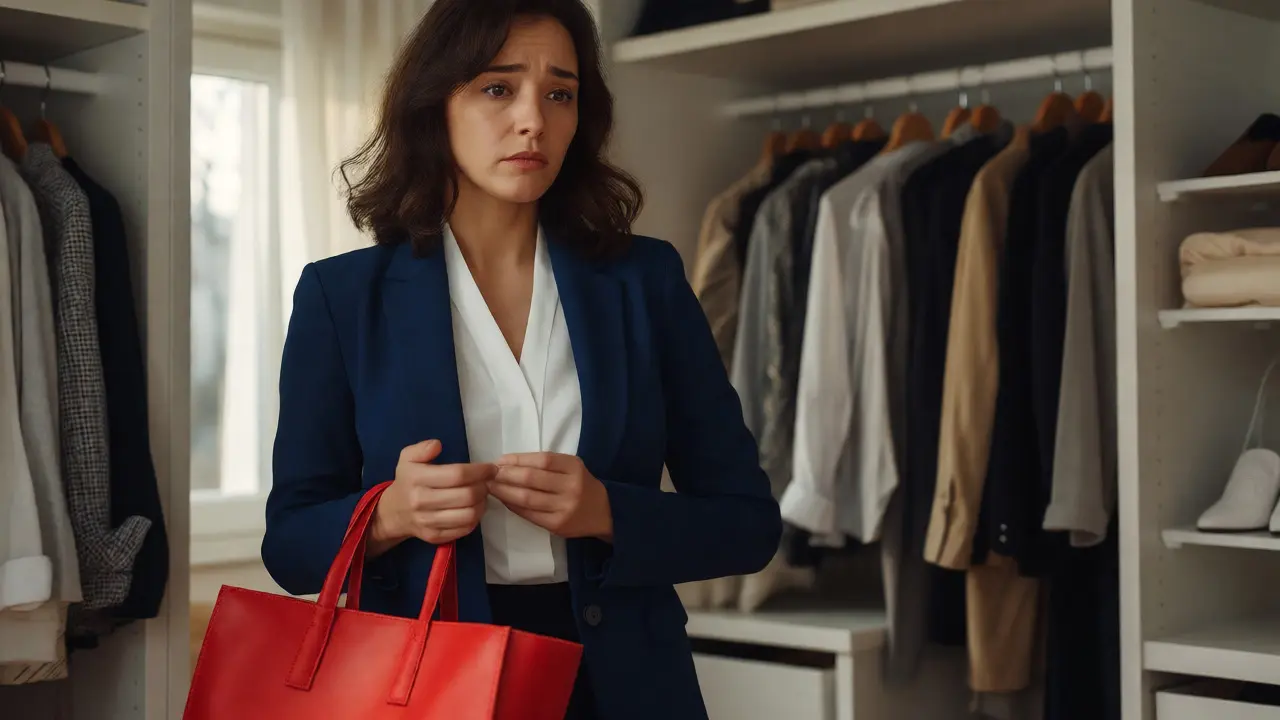
You’ve probably been there. You’re standing in front of your closet, dressed and ready to go, but you can’t find the right bag. Your favorite red tote clashes with your navy blazer. The beige crossbody looks too casual for the office. It’s frustrating, isn’t it? We often buy bags based on impulse or trends, only to realize they don’t actually work with the clothes we wear most days. That’s where a smart handbag selection strategy comes in.
The goal isn’t just to own fewer bags; it’s to own the right bags. Specifically, versatile bags in neutral colors that complement many outfits. This approach saves money, reduces decision fatigue, and ensures you always look polished. Let’s break down exactly how to build this collection without falling into the trap of buying another "almost perfect" bag that sits unused.
Why Neutral Colors Are the Backbone of a Functional Wardrobe
Think about the clothes hanging in your closet. Most of us live in a palette of black, white, gray, navy, denim blue, and earth tones like tan or olive. These are neutrals. When you pair a bag with these colors, you create harmony rather than conflict. A bright yellow bag might pop against a plain white tee, but try wearing it with a patterned floral dress or a complex color-blocked sweater. It becomes a distraction.
Neutral Handbags act as visual anchors. They recede slightly, allowing your outfit’s texture, cut, or jewelry to take center stage. This is crucial for professional settings where you want to appear competent and put-together, not trendy for the sake of being trendy. In New York, where I live, seeing someone carry a perfectly matched black leather satchel signals intentionality. It says, "I know what I’m doing."
But not all neutrals are created equal. There’s a big difference between a cool-toned gray and a warm-toned taupe. Choosing the wrong undertone can make your skin look washed out or clash with your hair color. We’ll get into matching undertones later, but first, let’s identify which specific types of bags actually earn a spot in your rotation.
The Four Essential Bag Types You Actually Need
You don’t need ten bags. For most people, four well-chosen styles cover 95% of life scenarios. If you’re building a capsule wardrobe, these are the non-negotiables:
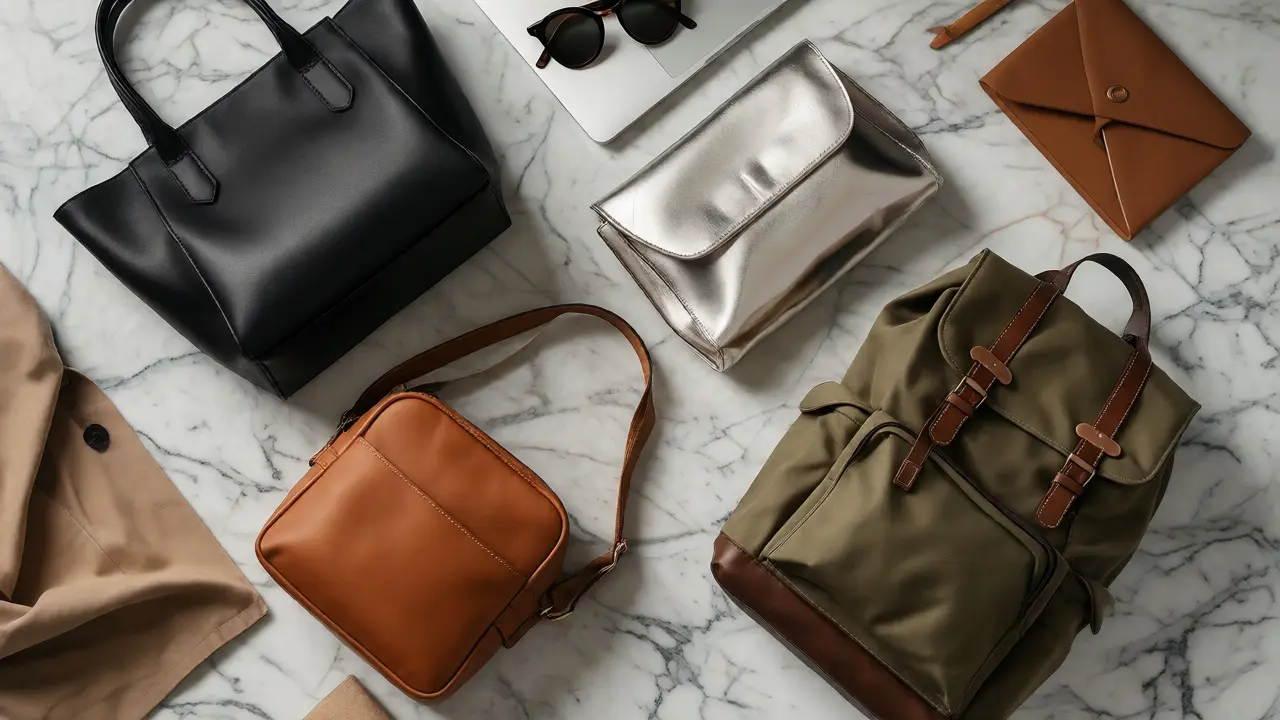
- The Structured Tote: This is your workhorse. It needs to fit a laptop (13-15 inches), a planner, a water bottle, and maybe a change of shoes. Look for rigid sides so it doesn’t slump over when full. A medium-sized tote in black or dark brown works best here.
- The Crossbody Sling: Hands-free convenience is king for weekends, travel, or quick errands. This bag should be small enough to not weigh you down but large enough for a phone, wallet, keys, and lip balm. Tan or cognac leather ages beautifully and hides scratches better than black.
- The Evening Clutch or Mini Pouch: Not every event calls for a giant purse. A sleek clutch in metallic silver, gold, or deep charcoal elevates a simple cocktail dress. Keep it minimal-no loud logos.
- The Weekend Backpack or Duffel: Yes, even adults need backpacks. But skip the nylon hiking pack. Opt for a leather or high-quality canvas backpack in olive or navy. It bridges the gap between casual and chic, perfect for farmers markets or train trips.
Notice the pattern? Each serves a distinct function. Overlap is minimal. If your tote is also your evening bag, you’re likely compromising on size or style. Separate roles mean separate investments, but because they’re neutral, they still feel cohesive.
Matching Undertones: The Secret to Looking Expensive
Here’s where most people fail. They buy a "black" bag that has a slight blue tint, then wear it with a warm camel coat. The result? The black looks harsh and cheap. Color theory matters more than you think.
Color Undertones fall into two main categories: warm and cool. Warm neutrals include beige, camel, tan, brown, cream, and gold. Cool neutrals include black, gray, white, silver, and navy. Mixing them isn’t forbidden, but it requires skill. For beginners, stick to one temperature family per outfit.
| Outfit Dominant Tone | Best Bag Color | Avoid | Why It Works |
|---|---|---|---|
| Warm (Camel, Rust, Cream) | Tan, Cognac, Gold, Chocolate | Cool Gray, Silver | Creates a monochromatic, luxurious flow. |
| Cool (Navy, Black, Charcoal) | Black, Dark Gray, Silver, Navy | Beige, Camel | Maintains sharp contrast and professionalism. |
| Neutral/Mixed (Denim, White) | Any Neutral | Bright Neon | Denim is forgiving; use the bag to set the vibe. |
| Pastels (Blush, Mint) | Nude, Pale Pink, Soft Gray | Heavy Black | Keeps the look light and airy. |
If you have fair skin with pink undertones, avoid stark black near your face if possible; opt for charcoal or deep brown instead. If you have deeper skin tones, rich burgundy or espresso browns can look stunningly sophisticated. Test the bag against your skin before buying. Does it make you glow, or does it drain you?
Material Matters: Leather vs. Vegan Alternatives
A neutral color won’t save a bad material. Cheap vinyl cracks within months. Synthetic fabrics pill. You want durability. Since these bags will see daily abuse, material choice is part of your strategy.
Genuine Leather remains the gold standard for longevity. Full-grain leather develops a patina, meaning it looks better with age. Top-grain is slightly less durable but easier to clean. For vegans or ethical shoppers, high-quality polyurethane (PU) or cork-based materials have improved significantly. However, check reviews for peeling issues.
Consider the hardware too. Gold-tone zippers pair better with warm leathers. Silver-tone hardware suits cool tones. Mismatched hardware (e.g., silver zipper on a tan bag) can look accidental unless intentional. Consistency sells the illusion of quality.
Size and Proportion: Balancing Your Body Type
A tiny micro-bag looks adorable on an influencer but impractical for real life. Conversely, a massive hobo bag can overwhelm a petite frame. Proportion is key.
If you’re under 5’4", avoid oversized totes that hang below your hips. They shorten your legs visually. Choose structured crossbodies or smaller top-handles. If you’re tall or curvy, you can pull off larger silhouettes. The bag should complement your height, not fight it.
Also, consider strap length. Adjustable straps are worth the extra cost. A fixed-length strap might sit awkwardly depending on whether you’re wearing a thick winter coat or a summer tank. Being able to tweak the drop height ensures versatility across seasons.
Cost Per Wear: The Math Behind Smart Buying
Let’s do some quick math. A $50 fast-fashion bag lasts six months with daily use. That’s roughly $8/month. A $300 quality leather bag lasts five years with proper care. That’s $5/month. Suddenly, the expensive option is cheaper.
This is the core of the cost-per-wear philosophy. Buy fewer, higher-quality items. When shopping, ask yourself: "Will I use this at least three times a week?" If the answer is no, walk away. Save your budget for pieces that integrate seamlessly into your existing wardrobe.
| Feature | Fast Fashion | Quality Investment |
|---|---|---|
| Lifespan | 6-12 Months | 5+ Years |
| Resale Value | Negligible | High (if brand recognized) |
| Repairability | Low | High (cobblers can fix zippers/handles) |
| Style Longevity | Trend-dependent | Timeless |
Care Tips to Extend the Life of Your Neutral Bags
Even the best bag fails without care. Neutrals show dirt easily. Here’s how to keep yours pristine:
- Rotate Them: Don’t wear the same bag seven days a week. Give the leather time to rest and recover its shape.
- Use a Dust Bag: Store bags in breathable cotton dust bags, not plastic. Plastic traps moisture and causes mildew.
- Clean Spills Immediately: Blot, don’t rub. Use a damp cloth for minor stains. For leather, use a dedicated conditioner every 3-6 months.
- Protect the Base: Apply feet to the bottom of your tote or backpack. Dragging a smooth leather base on pavement scuffs it instantly.
By following these steps, you protect your investment. A well-maintained neutral bag looks new for years, reinforcing the idea that simplicity equals sophistication.
Frequently Asked Questions
What is the single most versatile bag color?
While it depends on your personal palette, Tan/Cognac is widely considered the most versatile neutral. It pairs well with both warm and cool tones, adds warmth to cold weather outfits, and looks sophisticated year-round. Black is a close second for formal settings, but tan feels more relaxed and everyday-friendly.
Can I mix metals with my bag hardware?
Yes, mixing metals is now acceptable and even stylish. However, for a cohesive look, ensure the metal matches other accessories like watches or jewelry. If your bag has gold hardware, wear gold earrings. If you prefer mixed metals, keep the bag hardware consistent with your belt buckle or shoe details to tie the look together.
How many bags should I own in a capsule wardrobe?
Three to five is the sweet spot for most people. This typically includes one large work tote, one medium crossbody for casual days, one small evening bag, and optionally a weekend backpack or duffel. Owning more than five often leads to clutter and underutilization of individual pieces.
Is white a good neutral bag color?
White is a neutral, but it’s high-maintenance. It shows dirt, denim dye transfer, and makeup stains quickly. If you choose a white bag, consider it a seasonal accessory for spring/summer or special occasions. For everyday versatility, off-white, cream, or ivory are more practical alternatives that offer similar brightness with better stain resistance.
Should I buy vintage or new for a neutral bag?
Vintage can be excellent for unique finds and sustainability. Many vintage leather bags are made from higher-quality materials than modern fast fashion. However, inspect vintage bags carefully for structural damage, broken linings, or excessive wear. Newer brands offer warranties and return policies, which provide peace of mind for first-time buyers of luxury items.