

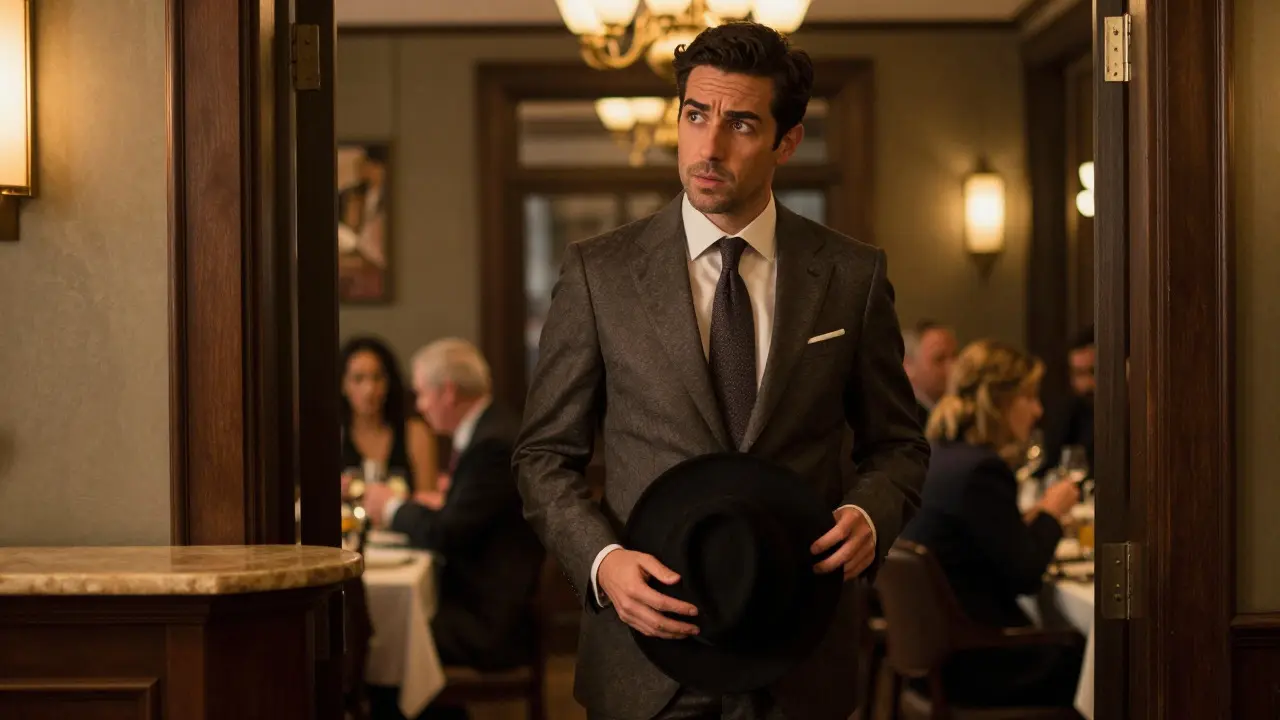
There is a moment in every social gathering that feels slightly awkward. You walk into a restaurant wearing your favorite baseball cap, and you catch the eye of the host. Do they glare? Do you take it off? The tension hangs in the air for a split second before you make a move. This isn't just about being polite; it’s about navigating an unspoken code of conduct that has evolved over centuries.
Hat etiquette is one of those topics that seems simple on the surface but gets complicated quickly. We all know the old rule: "Take off your hat indoors." But does that apply to a fedora at a jazz club? What about a beanie in a casual coffee shop? And why do women get a pass while men are expected to bare their heads? Understanding these nuances helps you avoid social faux pas and wear your headwear with confidence, whether you are attending a wedding, walking down the street, or grabbing lunch.
The Historical Roots of Hat Rules
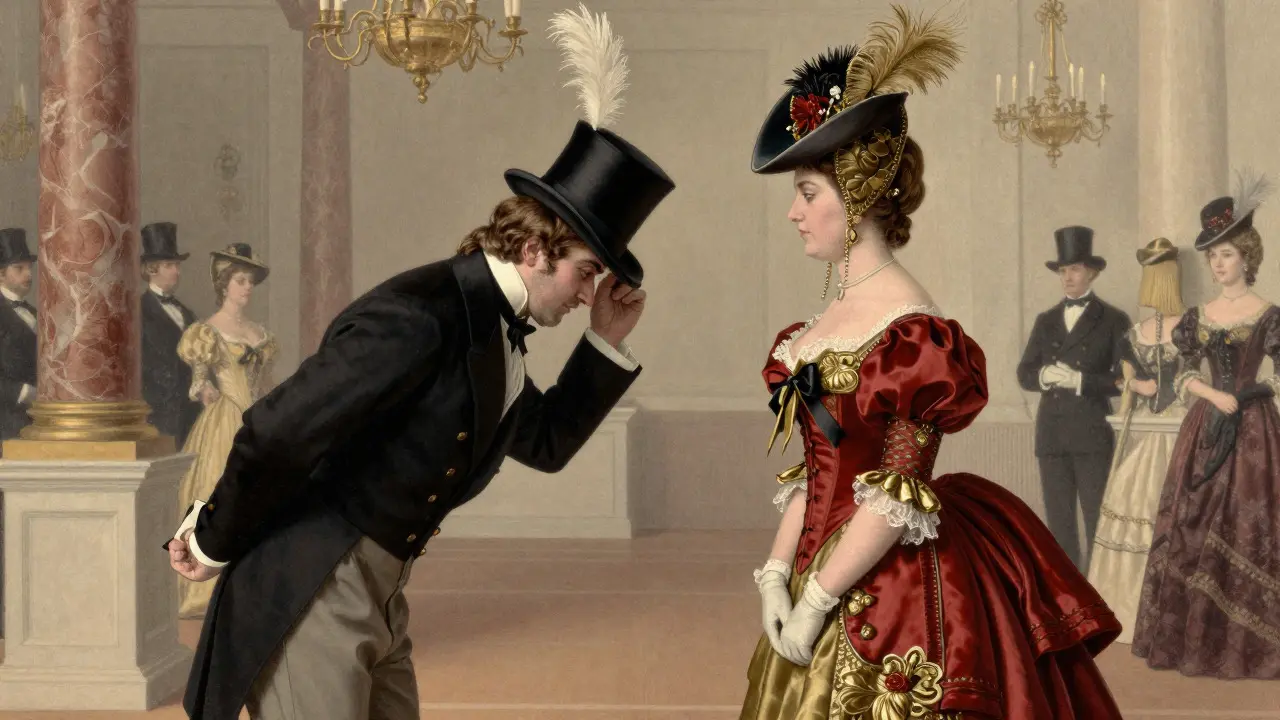
To understand why we take our hats off, we have to look back at where these rules came from. In the 18th and 19th centuries, top hats and military helmets were made of heavy materials like wool, felt, and leather. They were also often decorated with plumes or crests. More importantly, they were symbols of status and authority. A man wearing a hat was signaling his rank or profession.
The act of removing a hat was a gesture of submission and respect. By baring your head, you showed that you had no weapons hidden under your brim and that you were not challenging the authority of the person you were meeting. This practice became codified in Western society as a sign of good manners. It wasn't just about hygiene; it was about hierarchy. As fashion evolved and hats became more common among the working class, the rule softened but never disappeared entirely. Today, we follow these traditions less out of fear of authority and more out of a desire to appear respectful and socially aware.
General Rules for Men and Women
The most significant divide in hat etiquette lies between genders. Historically, men were expected to remove their hats indoors, while women were encouraged to keep theirs on. Why? Because women's hats were often elaborate extensions of their outfits, designed by milliners to complement dresses and hairstyles. Removing them would ruin the look and potentially damage the hair styling underneath. For men, hats were functional accessories-protection from sun and rain-and thus considered removable gear.
In modern times, this distinction has blurred, but the general expectation remains. If you are a man, the default assumption is that your hat comes off once you cross a threshold into a private or formal space. If you are a woman, you have more flexibility. However, even for women, certain types of hats, like baseball caps or beanies, are treated more like casual sportswear and may need to be removed in formal settings. The key is to assess the formality of the event and the type of hat you are wearing.
When to Keep Your Hat On
Not every indoor space requires you to strip your head bare. There are specific scenarios where keeping your hat on is not only acceptable but expected. These situations usually involve public spaces, informal environments, or practical necessities.
- Casual Dining: In a fast-food joint, a food truck line, or a casual diner, wearing a baseball cap is perfectly fine. Nobody is judging you here. The atmosphere is relaxed, and comfort is prioritized over ceremony.
- Public Transportation: On buses, trains, and subways, you are in transit. Taking off your hat every time you board would be impractical. Plus, you might be dealing with sweat or wind outside, so keeping it on maintains your personal comfort.
- Sports Venues: At a stadium or arena, everyone is wearing hats. In fact, taking yours off might draw more attention than leaving it on. Team spirit overrides traditional etiquette here.
- Religious Ceremonies (Specific Cases): While many religions require head coverings, some Protestant churches expect men to remove hats during prayer or service. Always observe what others are doing. In Jewish tradition, men often wear yarmulkes (kippahs) indoors as a sign of reverence, which is a different kind of headwear etiquette entirely.
- Workplaces: If you work in construction, healthcare, or logistics, your hard hat or surgical cap is part of your uniform. Safety and hygiene protocols override social etiquette.
When to Remove Your Hat
Knowing when to take your hat off is crucial for avoiding embarrassment. Here are the non-negotiable moments where your hat should come off.
- Entering a Private Home: Unless you are greeted by the host who says, "Feel free to keep it on," assume you should remove it. It shows respect for the homeowner's space.
- Formal Dining: Sit down at a nice restaurant, and take off your hat. It obstructs the view of your face, making conversation harder. Servers also appreciate seeing your eyes when they take your order.
- National Anthems and Flags: In the United States and many other countries, standing for the national anthem requires men to remove their hats. This is a patriotic gesture that signals respect for the nation. If you see a flag passing by, tip your hat or remove it briefly.
- Funerals and Memorials: These are solemn occasions. Wearing a hat can be seen as disrespectful or hiding your emotions. A somber tone calls for a bare head.
- Meeting Someone New: When shaking hands or introducing yourself, remove your hat. Eye contact is essential for building trust, and a brim can block that connection.
Type of Hat Matters
Not all hats are created equal. The style of your headwear plays a huge role in how strictly you should follow etiquette rules. A fedora carries different weight than a beanie.
| Hat Type | Formality Level | Indoor Rule |
|---|---|---|
| Baseball Cap | Casual | Remove in formal settings; okay in casual ones. |
| Fedora / Trilby | Semi-Formal | Remove indoors unless it's a costume party or very chic lounge. |
| Beanie | Very Casual | Remove in offices, restaurants, and homes. |
| Sun Hat / Straw Hat | Seasonal/Casual | Remove immediately upon entering any building. |
| Wide-Brimmed Fashion Hat (Women) | Formal | Keep on at weddings, races, and formal events. |
A straw boater hat screams summer vacation. Keeping it on inside an air-conditioned office looks out of place. Conversely, a structured wool fedora worn with a suit might be kept on longer in a stylish bar, but still removed when sitting down to eat. Context is king. If your hat looks like sportswear, treat it like sportswear. If it looks like formal attire, treat it like formal attire.
Special Occasions and Cultural Nuances
Weddings, funerals, and religious services have their own sets of rules. At a wedding, men should generally remove their hats during the ceremony and reception, especially when seated. Women, however, are expected to wear hats or fascinators as part of their outfit. This is a longstanding tradition in British and American high-society weddings.
In religious contexts, the rules vary wildly. In Islam, women often cover their heads with hijabs indoors as a sign of modesty and faith. In Judaism, men wear kippahs indoors to show reverence to God. In Sikhism, turbans are always worn, both indoors and outdoors, as a core tenet of the faith. Ignorance of these practices can lead to unintentional offense. The best approach is to observe and follow the lead of the community members around you.
Modern Shifts in Hat Etiquette
We live in a more casual world than our grandparents did. The strict adherence to hat etiquette has relaxed significantly. Streetwear culture has elevated the baseball cap and beanie to status symbols. Celebrities and influencers wear snapbacks to red carpet events and high-end dinners. This shift challenges traditional norms.
However, just because someone famous breaks the rule doesn't mean it's gone. In professional settings, such as corporate meetings or client lunches, wearing a hat can still signal a lack of seriousness. It suggests you are too comfortable or perhaps too distracted to engage fully. Think of it this way: if you are trying to make a strong impression, remove the barrier between your face and the other person. Your hat is a shield; take it down to connect.

Practical Tips for Handling Your Hat
So, you've decided to take your hat off. Now what? Don't just toss it on the table next to your soup. That's messy and rude. Here are some practical tips for handling your hat gracefully.
- Hold it: If you are standing, hold your hat gently by the crown or the brim. Keep it close to your body.
- Place it on a chair: If you are seated, place your hat on the empty chair next to you or on the floor beside your feet. Avoid placing it on tables where food is served.
- Check the condition: Make sure your hat is clean and shaped well. A crushed or dirty hat draws negative attention even when it's off your head.
- Read the room: If everyone else is wearing hats, you probably don't need to take yours off. If everyone else is bare-headed, join them.
Common Mistakes to Avoid
Even well-meaning people slip up. Here are the most common hat etiquette errors.
The "Half-On" Look: Pulling your brim down low to hide your eyes or face can seem aggressive or aloof. Lift the brim slightly to reveal your expression.
Ignoring Religious Symbols: Assuming everyone follows Christian-based etiquette can be offensive. Be mindful of cultural differences.
Wearing Dirty Hats: No matter the occasion, a stained or smelly hat is a turn-off. Regularly clean your headwear to maintain its appeal.
Overthinking It: If you are unsure, ask. "Is it okay if I keep my hat on?" is a polite question that solves the dilemma instantly. Most people will appreciate your consideration.
Conclusion
Hat etiquette isn't about rigid rules; it's about reading the room and showing respect. Whether you are rocking a vintage fedora or a trendy bucket hat, understanding when to wear and remove it enhances your social interactions. By following these guidelines, you ensure that your style statement complements rather than complicates your presence. Remember, confidence comes from knowing the rules well enough to decide when to follow them and when to bend them.
Should men take off their hats when eating?
Yes, traditionally men should remove their hats when eating, especially in formal or semi-formal dining settings. It allows for better conversation and shows respect to fellow diners and staff. In very casual settings like a picnic or fast-food counter, it is less critical but still polite.
Can women wear hats indoors?
Yes, women have historically been allowed to wear hats indoors, particularly if they are part of a formal outfit, such as at a wedding or church service. However, casual hats like baseball caps or beanies should generally be removed in formal or professional indoor settings.
Is it rude to wear a hat in a restaurant?
It depends on the type of restaurant. In a fine-dining establishment, wearing a hat is considered rude. In a casual diner, food truck, or fast-food place, it is generally acceptable. When in doubt, observe other patrons or ask the server.
What about wearing hats in church?
Traditionally, men remove their hats in church as a sign of reverence. Women may keep their hats on, especially if they are decorative. However, practices vary by denomination and culture. For example, in some Orthodox Jewish congregations, men wear kippahs. Always follow the local custom.
Do I need to take off my hat for the national anthem?
Yes, in the United States and many other countries, men are expected to remove their hats during the national anthem as a sign of patriotism and respect. Women may keep their hats on if they are part of a formal ensemble, but it is often preferred to remove them as well.
Is it okay to wear a beanie to a job interview?
Generally, no. Job interviews are formal occasions, and wearing a beanie can signal a lack of professionalism. It is best to save casual headwear for after you have secured the position and learned the company culture.


Write a comment