

It is 98 degrees outside, the humidity is sitting at a suffocating 80%, and your office AC has decided to take a personal day. You are sweating through your shirt before you even get out of bed. This is the reality of working during a heatwave. The old rulebook said "dress for the job you want," but nobody mentioned that the job might involve melting into your chair while trying to look professional.
You don't have to choose between looking like you belong in a boardroom and feeling like you're wearing a wool blanket in July. With the right fabric choices, cuts, and styling tricks, you can stay cool, dry, and polished. Here is how to navigate the heat without breaking workplace dress codes.
The Fabric Factor: Why Material Matters More Than Color
Most people think black absorbs heat and white reflects it. That’s true for sunlight on a sidewalk, but inside an office, the real enemy is trapped body heat and sweat. If you wear a polyester blend suit in high humidity, no amount of white dye will save you. Synthetic fibers trap moisture against your skin, creating a swamp effect.
To stay cool, you need fabrics that breathe and wick moisture away. Here are the best materials for hot weather professional wear:
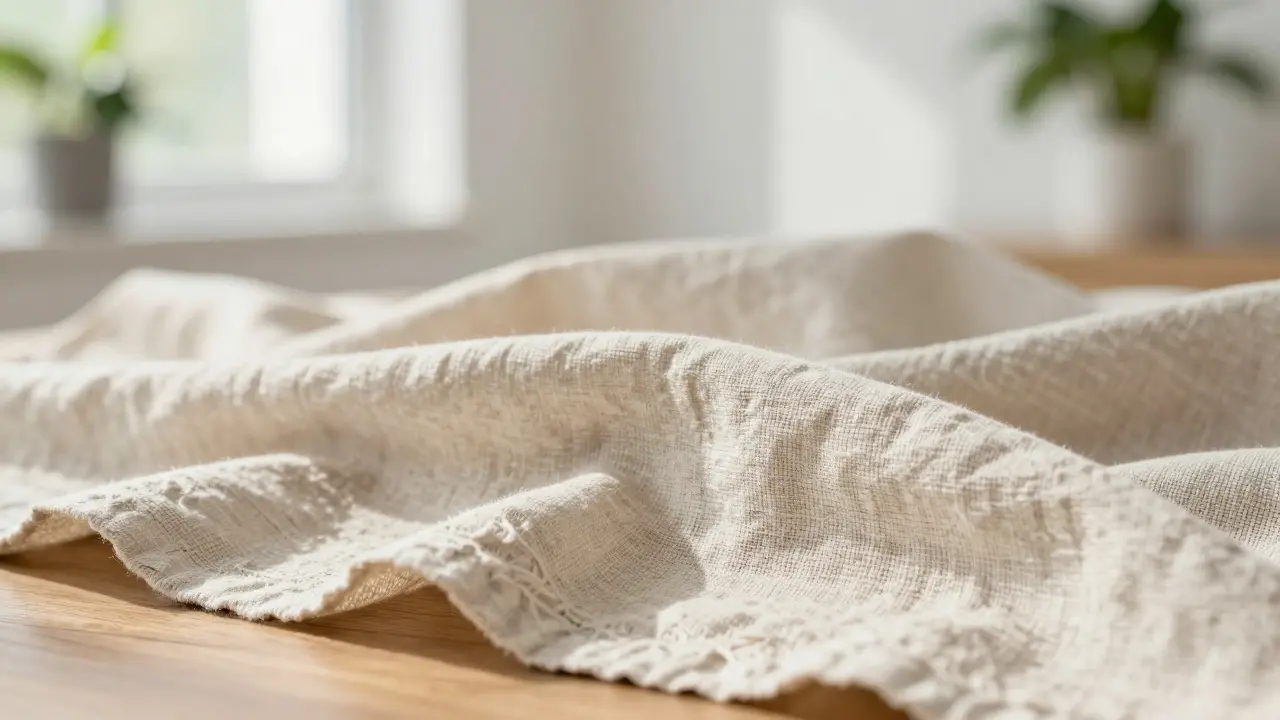
- Linen: The king of summer fabrics. It is loose-woven, allowing maximum airflow. Yes, it wrinkles easily, but in a casual-professional setting, those creases signal effortlessness rather than sloppiness.
- Cotton Poplin: A tightly woven cotton that feels crisp and cool against the skin. It holds its shape better than linen and resists wrinkling, making it a safer bet for strict offices.
- Tropical Wool: Sounds counterintuitive, right? High-quality tropical wool is lightweight (often under 8 ounces per square yard) and engineered to repel moisture. It breathes surprisingly well and looks sharper than any other option.
- Viscose/Rayon: Made from wood pulp, this fabric drapes beautifully and feels cool to the touch. Just check the care label; some rayon blends shrink if washed incorrectly.
Avoid heavy denim, thick twill, and standard polyester blends unless they are specifically marketed as "moisture-wicking" or "performance" fabrics.
Strategic Layering: Less Is More
In winter, layering keeps you warm. In summer, strategic layering keeps you cool by allowing air circulation. The goal is to create space between your skin and the outer garment.
Start with a base layer made of moisture-wicking material. For men, this means a merino wool or technical synthetic undershirt. For women, a silk or bamboo camisole works wonders. These layers absorb sweat so your outer shirt stays dry.
When choosing tops, opt for looser fits. A tight button-down restricts airflow and sticks to your back. Look for shirts with gussets (triangular pieces of fabric under the arms) or raglan sleeves, which provide extra room for movement and ventilation. Unbuttoning the top two buttons isn't just a style choice; it creates a chimney effect that lets hot air escape.
Bottoms: Wide Legs and Light Weights
Skinny jeans and pencil skirts are fashion staples, but they are heat traps. During a heatwave, prioritize volume and airflow.
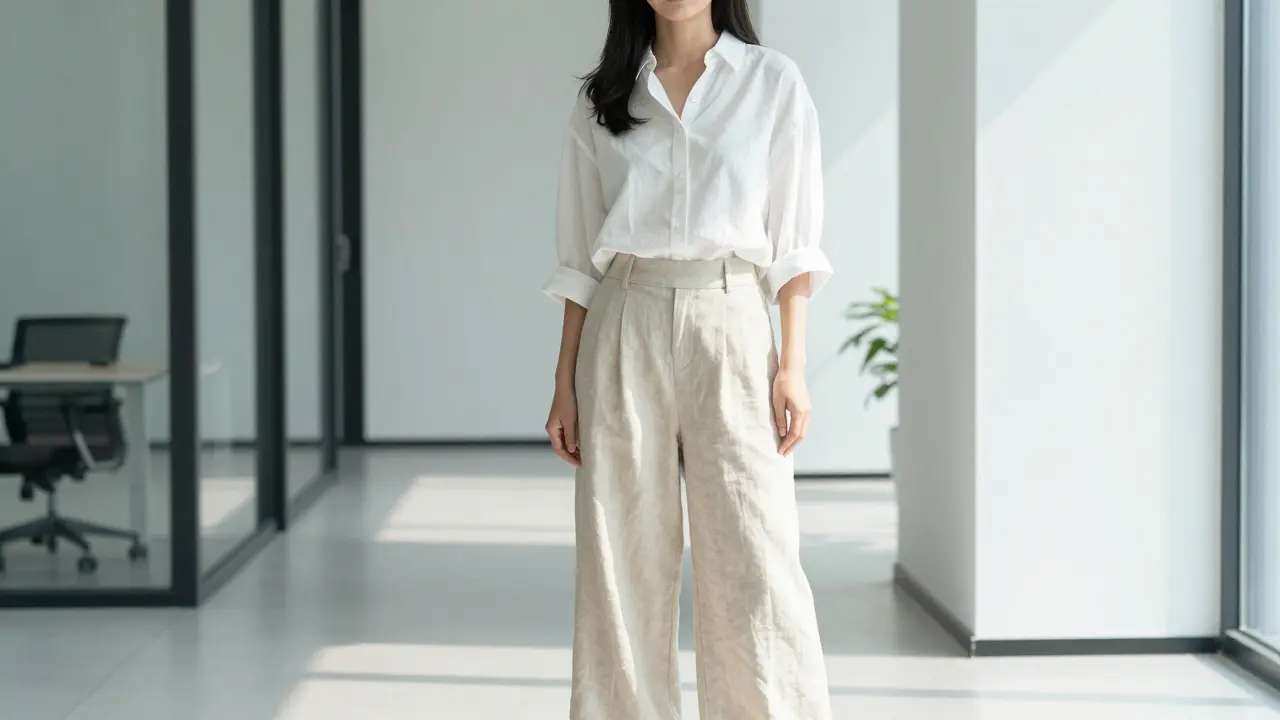
For trousers, choose wide-leg or relaxed-fit styles. Linen-blend chinos or lightweight cotton slacks allow air to circulate around your legs. If your office allows it, cropped pants that end above the ankle expose skin to cooler air currents, especially if you are walking between buildings.
Women should consider midi-length skirts made of flowing fabrics like chiffon or georgette. These materials move with you, preventing clinginess. Avoid tight elastic waistbands that dig in when you sit; instead, look for drawstring waists or soft elastic bands covered by fabric.
Footwear: Breathable Shoes Are Non-Negotiable
Your feet sweat up to half a cup of water a day. In closed-toe leather shoes, that moisture has nowhere to go, leading to discomfort, odor, and blisters. Switching footwear is one of the easiest ways to improve comfort.
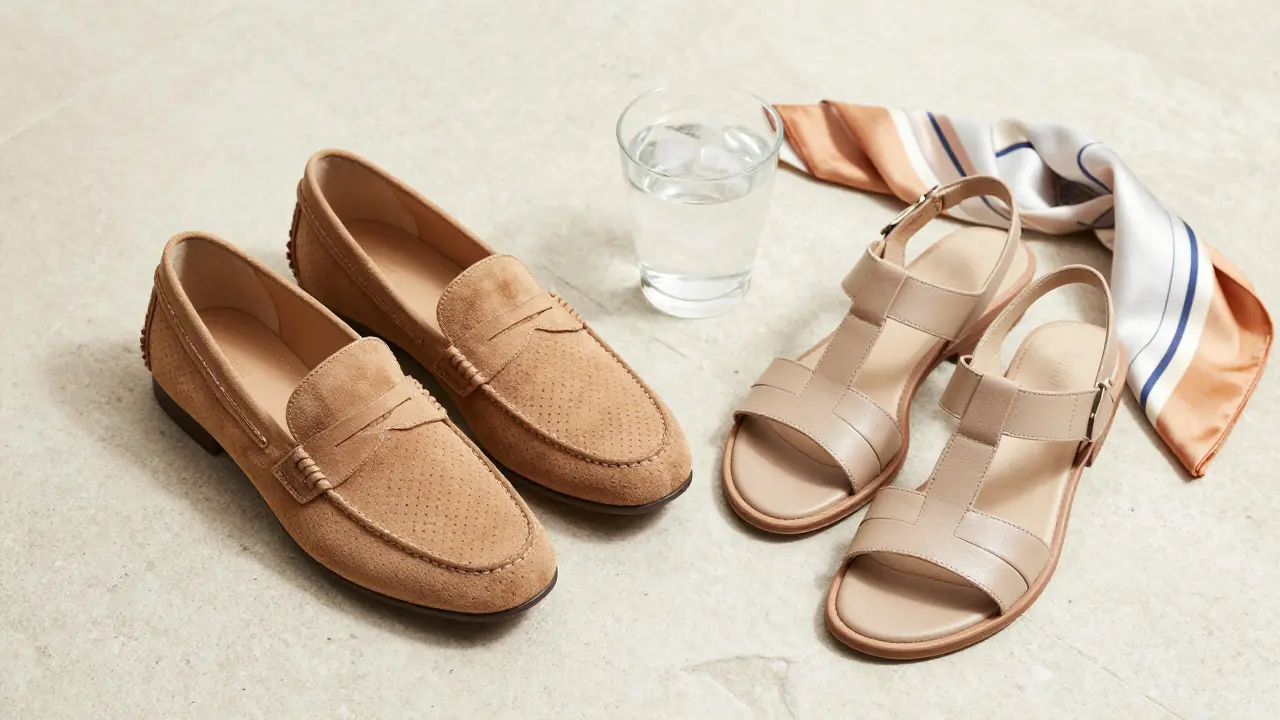
Leather loafers with perforations or suede oxfords offer more breathability than patent leather. Loafers allow you to remove socks indoors if the dress code permits, giving your feet direct access to air. For women, open-toe sandals with straps are acceptable in many business-casual environments. Choose sandals with cushioned footbeds and arch support to prevent fatigue from standing or walking on hard floors.
If you must wear socks, choose thin, moisture-wicking blends rather than thick cotton. No-show socks are a great compromise for loafers and boat shoes.
Accessories That Actually Help
Accessories can be functional tools for temperature regulation. A lightweight scarf made of silk or cotton can be used to dab sweat discreetly or cover shoulders if you enter a freezing conference room. Silk scarves are particularly useful because they feel cool against the skin.
Hats are rarely allowed indoors, but a wide-brimmed hat for your commute can prevent overheating before you even reach the office. Sunglasses protect your eyes from glare, reducing eye strain and headaches associated with bright light.
Jewelry should be minimal. Metal bracelets and necklaces can become uncomfortably hot against sweaty skin. Stick to simple studs or small hoops that won't irritate your ears.
Navigating Strict Dress Codes
Some industries-finance, law, consulting-demand suits regardless of the weather. If you are stuck in a three-piece suit during a heatwave, here is how to survive:
- Ditch the vest. It adds unnecessary insulation.
- Choose unlined or half-lined jackets. Full linings trap heat.
- Wear a short-sleeve dress shirt if the culture allows, or roll up your sleeves neatly to the elbow.
- Carry a portable fan or cooling towel for breaks.
- Hydrate aggressively. Dehydration makes you feel hotter and less focused.
If your company has a formal dress code, speak with HR about temporary adjustments during extreme weather events. Many companies now recognize that heat stress affects productivity and health.
| Fabric | Breathability | Wrinkle Resistance | Best For |
|---|---|---|---|
| Linen | High | Low | Creative/Casual Offices |
| Cotton Poplin | Medium | High | Business Casual |
| Tropical Wool | Medium-High | High | Formal/Corporate |
| Polyester Blend | Low | High | Avoid in Heat |
Grooming Tips for Hot Weather
Clothing is only half the battle. Your grooming routine needs to adapt too. Heavy perfumes and colognes mix badly with sweat, creating unpleasant odors. Opt for light, citrus-based scents or skip fragrance altogether.
Use an antiperspirant, not just deodorant. Antiperspirants block sweat glands, while deodorants only mask smell. Apply it at night for maximum effectiveness, as it works best when sweat production is low.
Keep blotting papers in your desk drawer. They absorb excess oil from your face without removing makeup. A small bottle of refreshing mist can also help reset your temperature during lunch breaks.
Can I wear shorts to the office during a heatwave?
Generally, no. Most traditional offices prohibit shorts regardless of the temperature. However, some tech companies and creative agencies may allow tailored bermuda shorts or capris. Check your employee handbook or ask HR directly. If unsure, stick to lightweight trousers or skirts.
Is it okay to wear sandals to work?
It depends on your industry. In corporate settings, closed-toe shoes are usually required. In business-casual or creative environments, elegant sandals with straps are often acceptable. Flip-flops and beach-style sandals are almost never appropriate.
How do I stop my clothes from sticking to me?
Choose loose-fitting garments made of natural fibers like linen or cotton. Avoid synthetics. Use a talcum-free body powder on areas prone to friction, such as underarms and thighs. Layering with a moisture-wicking undershirt also helps keep outer clothes dry.
What colors are best for staying cool?
Light colors like white, beige, and pastels reflect sunlight and keep you cooler outdoors. Indoors, color matters less than fabric weight and weave. However, light colors still tend to feel psychologically cooler and show sweat less than dark colors.
Can I request a dress code change due to heat?
Yes. Many companies are adopting flexible dress codes during extreme weather. Approach HR with a polite request, citing comfort and productivity. Suggest specific alternatives, such as allowing linen shirts or open-toe shoes during heatwaves.


Write a comment