

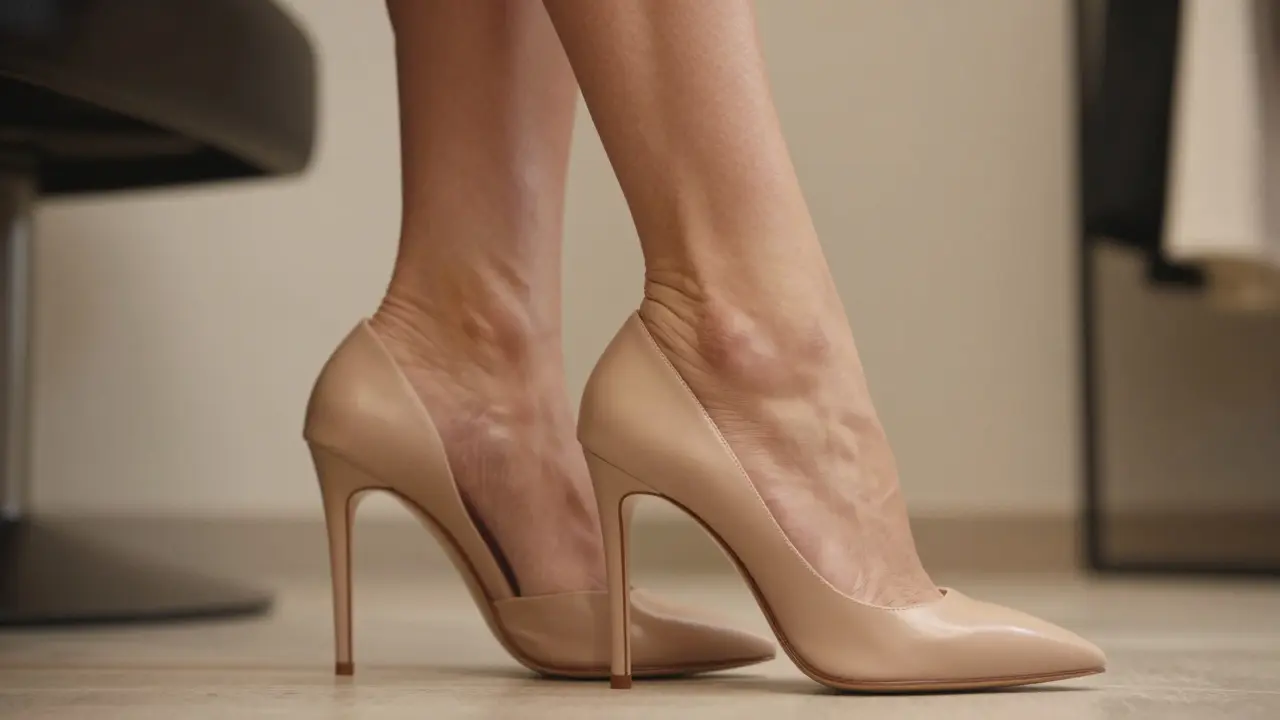
There is a specific moment every woman knows well. You are standing in front of the mirror, wearing your favorite pair of heels is a type of footwear with a raised back section that elevates the heel above the toe. They have been a staple in fashion history, evolving from practical riding boots in 10th-century Persia to modern symbols of elegance and power. The outfit looks incredible. Your posture is straight, your legs look longer, and you feel confident. Then you take one step toward the door, and reality hits. That beautiful silhouette comes at a cost: instability, pressure on your toes, and the looming threat of blisters by noon.
We often treat heel height is the vertical measurement of the rear part of a shoe's sole, typically measured in inches or centimeters from the ground to the bottom of the heel. This measurement dictates not just the look of the shoe but also the biomechanics of how you walk. as an aesthetic choice only. But it is actually a biomechanical lever. Every millimeter you lift your heel changes the angle of your ankle, shifts your center of gravity forward, and redistributes weight across your foot. Understanding this relationship is the key to looking good without feeling like you are walking on broken glass.
The Biomechanics of Heel Height: Why It Hurts (And How to Fix It)
To choose the right shoe, you first need to understand what happens inside your body when you put them on. When you wear flat shoes, your weight is distributed relatively evenly between your heel and the ball of your foot. As soon as you introduce a heel, that balance shifts dramatically.
Here is the breakdown by height:
- Low Heels (0.5 to 1.5 inches): These are often called "kitten heels" or low pumps. They provide a slight elevation that improves posture without drastically altering your gait. The pressure shift is minimal, making these suitable for all-day wear if the fit is correct.
- Medium Heels (2 to 3 inches): This is the sweet spot for many formal occasions. A 3-inch heel creates a classic arch in the foot and calf muscle engagement. However, the pressure on the metatarsal heads (the balls of your feet) increases significantly here. You need a shoe with a wide enough toe box to accommodate this shift.
- High Heels (3.5 inches and above): At this height, your body mechanics change completely. You cannot walk naturally; you must glide. The risk of ankle sprains increases because the base of support is smaller. These are best reserved for short durations or events where you will be sitting most of the time.
The biggest mistake people make is ignoring the pitch is the angle formed between the sole of the shoe and the ground, determined by the difference in height between the heel and the toe area. In ergonomic footwear, a lower pitch reduces strain on the Achilles tendon and plantar fascia. of the shoe. A 3-inch stiletto has a much steeper pitch than a 3-inch wedge. The wedge distributes weight over a larger surface area, making it mechanically more stable even at the same height. If comfort is your priority, always look for a lower pitch, regardless of the absolute height.
Decoding Heel Styles: More Than Just a Pole
Not all heels are created equal. The shape of the heel determines stability, noise level, and terrain capability. Knowing the difference helps you pick the right shoe for the right occasion.
| Heel Type | Stability | Best For | Comfort Level |
|---|---|---|---|
| Stiletto | Low | Formal events, smooth floors | Low (requires strong ankles) |
| Kitten | High | All-day work wear, beginners | High |
| Block | Very High | Walking, uneven surfaces | Very High |
| Wedge | High | Festivals, long periods of standing | High |
| Keg | Medium-High | Casual chic, vintage styles | Medium |
The stiletto is a thin, high heel typically ranging from 2 to 4 inches, known for its elegant appearance but limited stability. Named after the dagger, it offers zero forgiveness on uneven ground. If you are attending a wedding on grass, avoid stilettos unless you plan to carry them for photos.
In contrast, the block heel is a thick, sturdy heel that provides maximum stability and weight distribution, ideal for walking and long-term wear. This style has made a massive comeback in recent years because it allows women to enjoy the height benefits without sacrificing mobility. A 3-inch block heel feels significantly easier to walk in than a 2-inch stiletto because the wider base prevents the heel from sinking into soft surfaces and reduces lateral wobble.
Comfort is subjective, but it is not random. It depends on your anatomy, your experience level, and the duration of wear. Here is how to identify your personal limit.
When trying on new heels, do not just stand still. Walk around the store for at least five minutes. Pay attention to three specific areas:
Your natural foot structure plays a huge role. People with high arches often find cushioned insoles essential in heels, while those with flat feet may need additional arch support to prevent fatigue. If you have wide feet, avoid pointed-toe stilettos. Opt for almond or round toes with block heels to give your toes room to splay, which improves balance.
If you are new to heels, start with kitten heels (1-1.5 inches). Build up your calf strength gradually. Jumping straight into 4-inch stilettos is a recipe for injury and frustration. Think of it like going to the gym; you don't start with the heaviest weight. Train your muscles to handle the elevation.
Once you have identified comfortable heights, you can use them to enhance your overall style. Heels are not just about height; they are about proportion and vibe.
Even the best-fitting heels can cause issues after hours of wear. Use these proven tricks to extend your comfort window:
For everyday wear, a heel height between 1 and 2 inches is generally considered the most comfortable. This range provides a slight lift that improves posture without placing excessive strain on the balls of the feet or ankles. Kitten heels and low block heels in this range are ideal for walking and standing for extended periods. Yes, block heels are significantly better for walking. Their wider base distributes weight more evenly across the foot, providing greater stability and reducing the risk of ankle sprains. Stilettos concentrate pressure on a small point, making them unstable on uneven surfaces and harder to walk in for long distances. Signs that heels are too tight include red marks on your feet after removal, numbness or tingling in your toes, and pain in the ball of your foot. Your toes should have some wiggle room, and you should not feel constant pressure on the sides of your feet. If you experience these symptoms, try a half-size up or a wider width option. Regular, prolonged use of high heels (above 3 inches) can lead to long-term issues such as shortened Achilles tendons, hammertoes, bunions, and knee or back pain. It is recommended to alternate between heels and flats, stretch your calves regularly, and limit high-heel wear to special occasions rather than daily use. A wedge heel is a single piece of material that runs from the heel to the toe, providing continuous support and a lower pitch. A block heel is a separate, thick heel attached to the sole. While both are stable, wedges often feel more supportive for long periods of standing, whereas block heels offer a more traditional shoe silhouette with excellent walking stability. To break in new heels quickly, wear them at home with thick socks for short periods. Use a hairdryer to heat tight spots while stretching them with your hand. Apply moleskin pads to areas prone to blisters. Additionally, ensure you are using the correct insoles to provide cushioning and support from the first wear.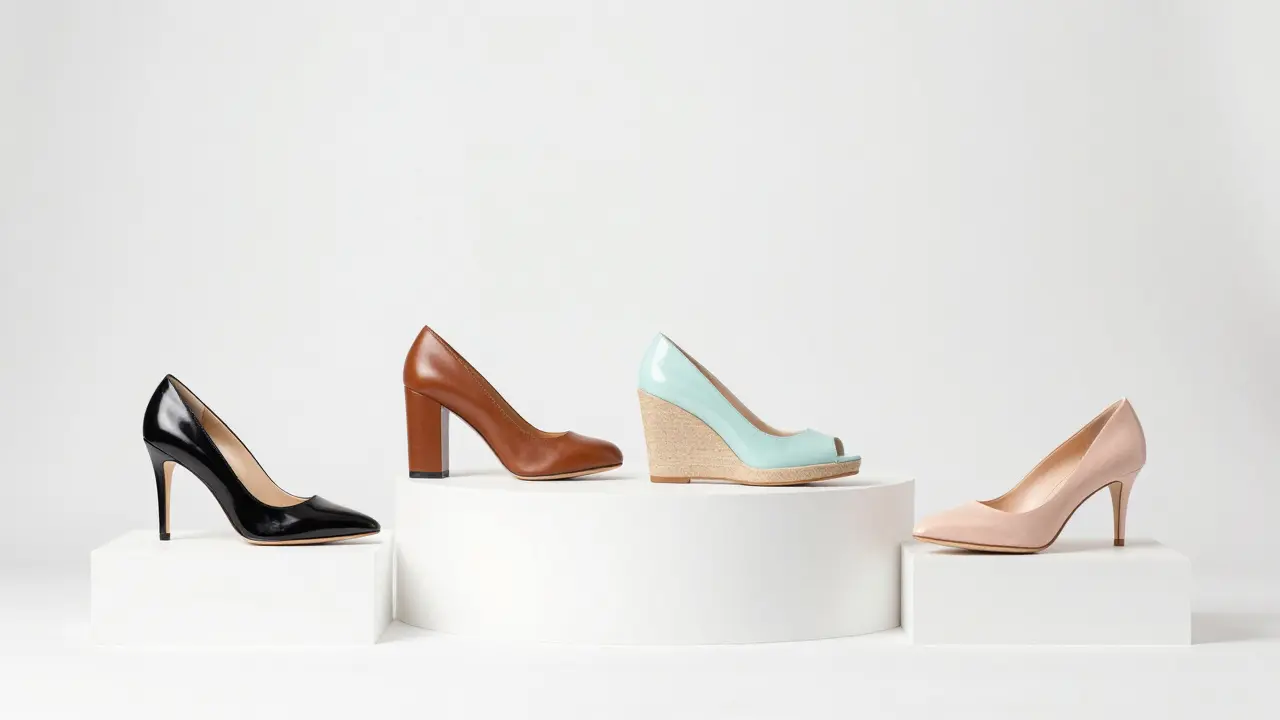
Identifying Your Personal Comfort Zone
The 20-Minute Rule
Anatomical Factors
Experience Level
Styling Tips: Making Heels Work for You
Practical Hacks for All-Day Comfort
FAQs About Heels and Heel Height
What is the most comfortable heel height for everyday wear?
Are block heels better than stilettos for walking?
How do I know if my heels are too tight?
Can wearing high heels cause long-term damage?
What is the difference between a wedge and a block heel?
How can I make new heels more comfortable quickly?