


You wake up, look in the mirror, and realize your reflection doesn't quite match the clothes hanging in your closet. It’s a jarring experience that many women face during perimenopause or menopause. Your body is shifting-bloating, hot flashes, weight redistribution-but your wardrobe hasn’t caught up. The old jeans pinch, the silk blouses cling where they shouldn’t, and suddenly, getting dressed feels like a daily battle rather than an act of self-expression.
This isn’t about giving up on style or resigning yourself to shapeless sacks. It’s about understanding how hormonal fluctuations affect your silhouette and choosing fabrics and cuts that work *with* these changes, not against them. If you’re navigating this transition, you’re not alone. Millions of women are rethinking their wardrobes to prioritize comfort without sacrificing elegance. Let’s break down exactly what happens to your body and how to dress for it, stage by stage.
Understanding the Shift: What Happens to Your Body?
To dress well, you first need to understand the enemy-or rather, the biological reality. During hormonal transitions, specifically when estrogen levels drop, several physical changes occur that directly impact fit and comfort:
- Weight Redistribution: Fat often moves from the hips and thighs to the abdomen. This means your waistline may disappear, while your midsection expands.
- Skin Sensitivity: Lower estrogen leads to thinner, drier skin that is more prone to irritation from rough seams or synthetic fabrics.
- Temperature Dysregulation: Hot flashes and night sweats make heavy, non-breathable fabrics feel unbearable.
- Bloating and Fluid Retention: Daily fluctuations in water retention can change your measurements by inches within a single day.
Ignoring these factors leads to discomfort and frustration. A pair of rigid denim jeans might fit perfectly at 9 AM but feel like a vice grip by 3 PM due to natural bloating. Recognizing these patterns allows you to build a wardrobe that adapts to your body’s rhythm, not just its static measurements.
Fabric Choices: Breathability and Stretch Are Non-Negotiable
The fabric dictates everything. If you stick to stiff cottons or cheap synthetics, you’ll fight your body all day. Instead, look for materials that offer two key attributes: breathability and mechanical stretch.
Natural fibers like Linen, Cotton, and Bamboo Viscose are excellent choices because they wick moisture away from the skin. Linen, in particular, has a loose weave that allows air circulation, which is crucial during hot flashes. However, pure linen wrinkles easily and lacks stretch. That’s why blends are often superior. A blend of 70% organic cotton and 30% elastane (spandex) provides the softness of cotton with the recovery power of spandex, allowing the garment to expand and contract as your body fluctuates throughout the day.
Avoid polyester unless it’s high-performance athletic wear designed for moisture-wicking. Cheap polyester traps heat and sweat, exacerbating hot flashes and causing skin irritation. If you love the look of satin, opt for cupro or Tencel™ lyocell instead. These regenerated cellulosic fibers mimic the drape of silk but breathe far better and are gentler on sensitive skin.
The Power of Silhouette: Cuts That Flatter Without Squeezing
Tight-fitting clothes highlight every shift in your body, while overly baggy clothes can make you look larger than you are. The sweet spot lies in structured yet forgiving silhouettes. Here are the most effective cuts for adapting to hormonal body changes:
| Silhouette Type | Why It Works | Best For |
|---|---|---|
| Empire Waist | Rises above the natural waist, skimming over the midsection. | Dresses and tops; hides bloating effectively. |
| Wrap Dress | Adjustable fit; creates a V-neckline that elongates the torso. | All-day wear; accommodates size fluctuations. |
| Shift Dress | Straight cut that hangs from the shoulders, avoiding tightness at the waist. | Office wear; professional settings. |
| Pegged Pants | Fitted at the waist, wider at the thigh, tapered at the ankle. | Hiding hip weight while defining the leg line. |
| Peplum Tops | Adds structure at the waist without constriction; balances proportions. | Creating curves if weight loss occurred elsewhere. |
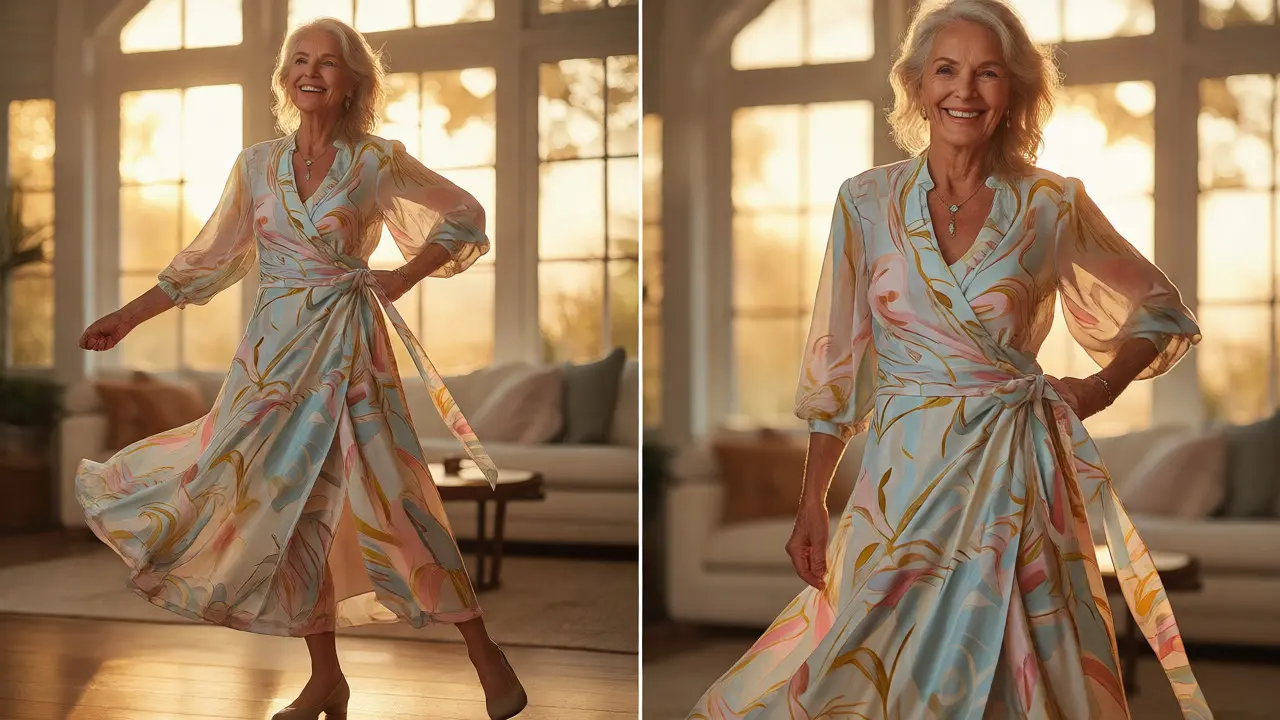
The wrap dress deserves special mention. It is arguably the most versatile piece for menopausal styling. Because it ties at the side, you can adjust the tightness based on how you feel that day. Need more room after lunch? Loosen the tie. Want a sharper silhouette for a meeting? Tighten it. Plus, the V-neck draws attention upward to the face, away from the midsection.
Layering Strategies for Temperature Control
Hot flashes don’t care about your schedule. They can strike during a board meeting or a dinner date. Layering is your best defense. The goal is to create removable layers that provide warmth when needed and easy removal when the heat hits.
Start with a breathable base layer, such as a modal or bamboo tank top. Over this, add a lightweight cardigan, a blazer made from unstructured wool or linen, or a sheer kimono-style cover-up. Choose layers in neutral tones or colors that coordinate with your base outfit so that removing one layer doesn’t leave you feeling underdressed.
Pro tip: Keep a small, stylish scarf in your bag. A large pashmina can double as a blanket during a cold office draft or be draped over your shoulders to cover a sudden flush of heat. Look for scarves made from silk or cashmere blends-they feel luxurious against sensitive skin and regulate temperature better than acrylic.
Undergarments: The Foundation of Comfort
If your underwear is uncomfortable, nothing else will fix it. Traditional underwire bras can dig into changing breast tissue, causing pain and red marks. Consider switching to wireless bras with wide, cushioned straps and deep bands. Brands specializing in adaptive lingerie use memory foam cups that mold to your shape rather than forcing it into a specific cup size.
For bottoms, avoid high-rise briefs with tight elastic bands that cut into the abdomen. Opt for mid-rise styles with laser-cut edges or seamless construction. Shapewear can still play a role, but choose modern versions made from graduated compression fabrics that smooth without squeezing. Avoid "control top" pantyhose unless necessary; they often trap heat and cause discomfort. Bare legs or tights made from microfiber are often more comfortable.
Building a Capsule Wardrobe for Transition Periods
Instead of buying new clothes every time your body shifts slightly, invest in a few high-quality, adaptable pieces. A capsule wardrobe minimizes decision fatigue and ensures everything mixes and matches. Focus on neutral basics-black, navy, grey, cream-and add color through accessories.
Your core items should include:
- Two pairs of stretch trousers: One black, one navy. Look for "pull-on" styles with hidden elastic waists.
- Three tunics or long blouses: In breathable fabrics like rayon or silk blends, falling below the hip.
- One structured blazer: Unlined and lightweight, preferably in a dark color.
- One wrap dress: In a pattern that distracts from body contours, like floral or abstract prints.
- Comfortable flats or low heels: Swollen feet are common; avoid pointy toes that cramp the foot.
This approach saves money and reduces stress. When your body changes, you aren’t starting from scratch; you’re simply adjusting the fit of existing staples.
Mindset Matters: Embracing Ageless Style
Finally, let’s address the psychological aspect. Many women feel pressured to dress "age-appropriately," which often translates to hiding themselves away. But hormonal changes don’t erase your personal style-they refine it. Confidence comes from wearing clothes that fit who you are *today*, not who you were ten years ago.
Experiment with bold colors or statement jewelry to draw attention to your face and hands. Play with textures-velvet, leather, chunky knits-to add visual interest. Remember, style is not about conforming to a size number; it’s about expressing your identity. By choosing clothes that respect your body’s needs, you signal to yourself and others that you value comfort and authenticity. That is the essence of true ageless style.
Do I need to throw out my entire wardrobe?
No, rarely do you need a full overhaul. Start by identifying the items that cause physical discomfort or require constant adjustment. Keep what fits well and feels good. Replace only the pieces that no longer serve your current body shape or lifestyle. A gradual transition prevents financial strain and helps you learn what works best for your new silhouette.
What fabrics should I avoid during hot flashes?
Avoid synthetic fabrics like polyester, nylon, and acrylic, especially in heavy weights. These materials trap heat and sweat, worsening hot flashes and causing skin irritation. Also, steer clear of stiff, non-stretch denim or rigid twill pants that restrict movement and blood flow. Stick to natural fibers like cotton, linen, bamboo, and silk, or high-tech moisture-wicking blends.
How do I handle bloating throughout the day?
Choose garments with adjustable features, such as wrap dresses, elastic waists, or drawstrings. Avoid zippers or buttons at the natural waistline if you experience significant daily swelling. Tunics that fall past the hip bone also help conceal midday bloating while maintaining a polished look. Keeping hydrated and reducing sodium intake can also help manage fluid retention.
Are shapewear products helpful for menopausal bodies?
Modern shapewear can be helpful, but choose wisely. Look for graduated compression rather than uniform tightness. This smooths lines without restricting breathing or digestion. Avoid old-fashioned girdles that squeeze the abdomen excessively, as this can worsen acid reflux and discomfort. Seamless, breathable shapewear shorts or bodysuits are usually more comfortable than traditional corsets.
How does skin sensitivity affect clothing choices?
Lower estrogen levels can lead to thinner, drier skin that is more reactive to friction and chemicals. Choose soft, natural fibers and wash new clothes before wearing them to remove chemical residues. Avoid rough seams, tags, or scratchy wools next to the skin. Using a gentle, fragrance-free detergent can also prevent allergic reactions or itchiness caused by laundry products.