

Ever put on a dress that fits your bust and hips perfectly, but leaves a massive, gaping void at the waist? Or maybe you've worn a "universally flattering" shift dress only to find it makes you look like a rectangular block? If that sounds familiar, you're likely dealing with the unique challenge of an hourglass figure. The goal isn't to hide your curves-it's to highlight the balance you already have without adding unnecessary bulk.
When we talk about the hourglass body type, we're describing a silhouette where the bust and hips are roughly the same width, separated by a significantly narrower, well-defined waist. It's a balanced shape, but it can be tricky because many off-the-rack clothes are designed for a more linear frame. The secret to nailing this look is all about hourglass body type styling: following the natural lines of your body rather than fighting them.
Key Takeaways for Dressing an Hourglass Figure
- Prioritize waist definition to avoid looking boxy.
- Choose necklines that open up the chest area.
- Opt for fabrics that skim the body rather than clinging too tightly or billowing.
- Balance the volume between the top and bottom of your outfit.
The Best Dress Silhouettes for Your Curves
The biggest mistake people make with an hourglass shape is trying to hide their waist under oversized clothing. This usually results in the fabric hanging from the widest part of the bust, which actually makes you look larger than you are. Instead, you want silhouettes that mirror your anatomy.
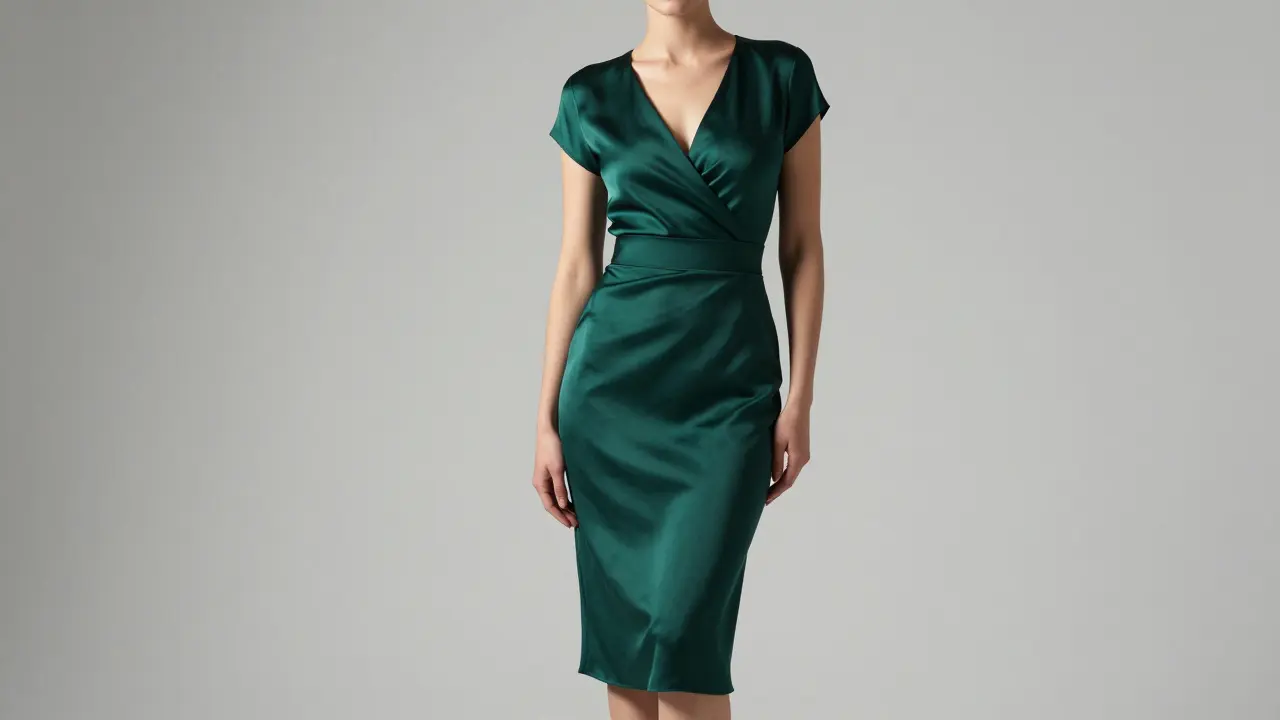
The Wrap Dress is essentially the gold standard for this shape. Because it cinches at the narrowest part of your torso and creates a V-neck, it highlights your waist while accommodating a larger bust and hips. Think of the classic Diane von Furstenberg style-it works because it creates a diagonal line across the body, which prevents the fabric from pulling horizontally across the chest.
Another winner is the Fit and Flare dress. This style hugs the bodice and then flares out slightly at the skirt. This is perfect for those who want a more feminine, polished look without feeling restricted in the hip area. If you're heading to a wedding or a formal event, a Sheath Dress (not to be confused with a shift dress) is your best bet. A sheath dress is tailored to follow the curves of the body, whereas a shift dress hangs straight down from the shoulders and will hide your waist completely.
| Silhouette | Effect on Figure | Best Occasion | Avoid If... |
|---|---|---|---|
| Wrap Dress | Accentuates waist & bust | Work, Casual, Date Night | Fabric is too thin/clingy |
| Fit and Flare | Creates classic feminine shape | Parties, Daywear | The flare is too voluminous |
| Sheath | Highlights natural proportions | Formal, Professional | You prefer a loose fit |
| Shift Dress | Hides curves (makes you look boxy) | Very casual/Beach | You want to show off your waist |
Necklines That Balance Your Proportions
Your neckline dictates how the eye perceives your upper body. If you have a larger bust, the goal is often to create a sense of openness to prevent the torso from looking too "heavy." If you have a smaller bust but wide hips, you can use the neckline to add a bit of visual weight to the top to maintain that perfect balance.
The V-Neck is a powerhouse for hourglass shapes. It draws the eye downward and inward, which elongates the neck and breaks up the width of the chest. Similarly, a Scoop Neck provides a soft, rounded look that opens up the décolletage without being too revealing.
What about Square Necklines? These are fantastic for adding a structural element to your look. They frame the chest beautifully and work well with a tailored waist. However, be cautious with high turtlenecks or boat necks. These horizontal lines can make your chest look wider, which might throw off the balance between your shoulders and hips.
The Details That Make a Difference
Sometimes it's not the shape of the dress, but the small details that determine whether an outfit looks "thrown together" or curated. Belts, seams, and fabric choices are where the magic happens.
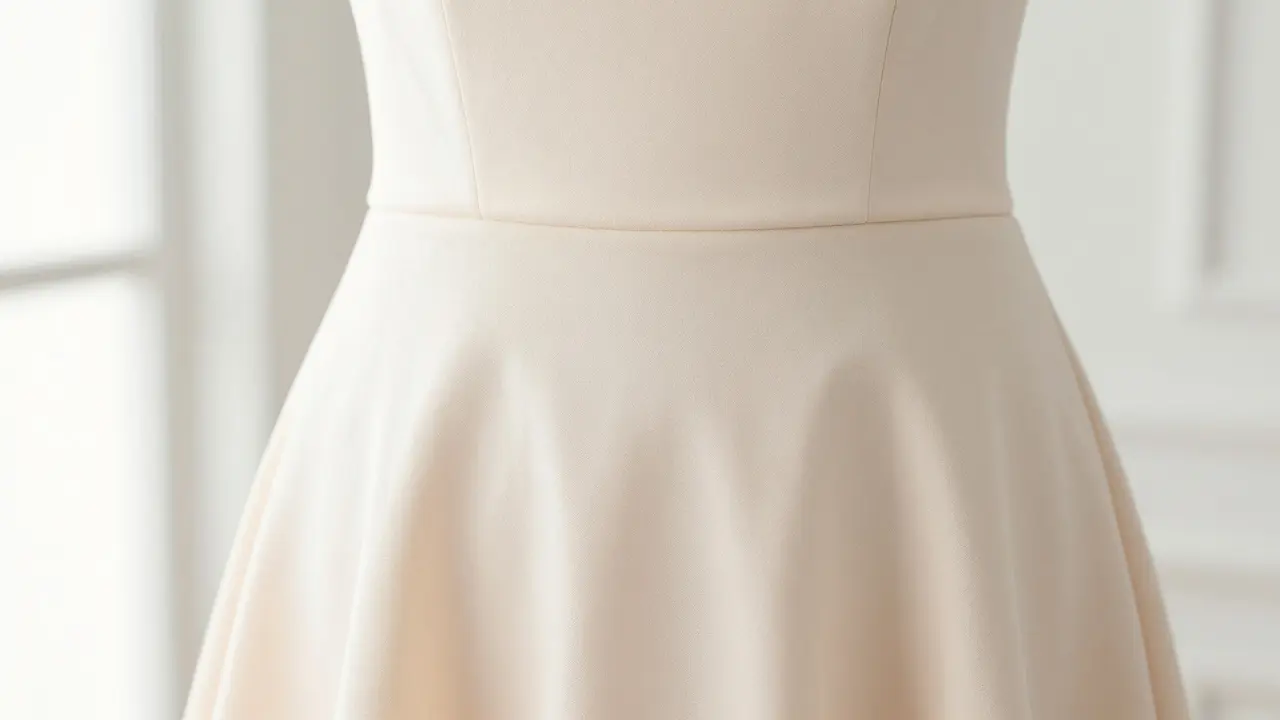
Always look for Princess Seams. These are the curved seams that run vertically down a garment. Unlike standard side seams, princess seams follow the contours of the body, allowing the fabric to hug the waist and flare at the bust and hips without bunching. This is a professional tailoring trick that makes a huge difference in how a dress sits on a curved frame.
When it comes to fabric, avoid stiff, heavy materials like thick neoprene or heavy tweeds unless they are expertly tailored. These fabrics add volume where you don't need it. Instead, go for Jersey, Silk blends, or a medium-weight Crepe. These materials drape over your curves rather than standing away from them.
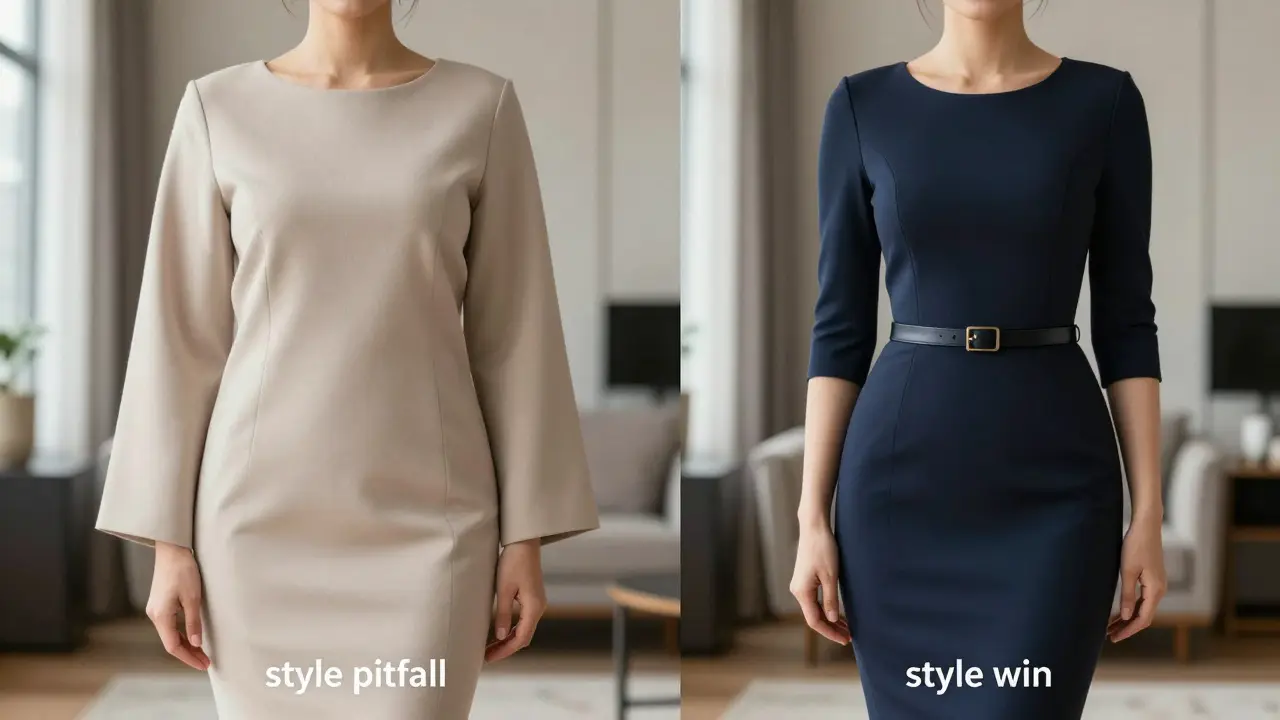
And don't forget the power of a belt. If you're wearing a dress that's slightly too loose, adding a slim belt at the narrowest part of your waist instantly restores the hourglass proportion. Avoid wide, chunky belts if you have a short torso, as they can "eat up" the space between your ribs and hips, making you look shorter.
Common Style Pitfalls to Avoid
It's tempting to follow trends, but some "it-items" just don't play well with hourglass curves. Oversized "boyfriend" dresses or extreme tent silhouettes are a prime example. While they're comfortable, they turn your balanced figure into a large rectangle, erasing the very thing that makes your shape unique.
Another trap is the tiered maxi dress. While beautiful, too many ruffles or tiers around the midsection can add bulk to your hips and waist. If you love a maxi, ensure it's cinched at the top and flows downward, rather than having layers of fabric starting at the chest.
Be careful with heavy pleating. Pleats that start at the waist can be great, but pleats that start at the shoulder or chest can make you look top-heavy. The rule of thumb is: keep the volume where you want it, and keep it streamlined where you're already curved.
Putting It All Together: Scenario Guide
Not sure what to wear for a specific event? Here are a few real-world examples of how to apply these rules.
The Corporate Boardroom: Skip the oversized blazer and wide-leg trousers combo. Instead, try a tailored sheath dress in a neutral tone with a thin leather belt and a scoop neck. Pair it with pointed-toe heels to elongate the leg. This maintains professional modesty while respecting your natural shape.
The Casual Saturday Brunch: A jersey wrap dress in a bold print. The fabric is breathable, the wrap defines the waist, and the V-neck keeps it relaxed. Pair this with white sneakers or flat sandals for a look that's effortless but polished.
The Black-Tie Gala: Go for a floor-length mermaid silhouette. Since this style is tight through the bodice and hips and flares at the bottom, it celebrates the hourglass shape perfectly. A square neckline with a structured bodice will provide the necessary support and balance.
Do hourglass shapes always have a large bust?
No. An hourglass shape is about proportion, not size. You can be a size 2 or a size 22; as long as your bust and hips are roughly equal and your waist is noticeably smaller, you fit the hourglass profile.
Can I wear oversized clothes if I have an hourglass body?
Yes, but with a trick. If you wear an oversized sweater, pair it with skinny jeans or a fitted skirt. If you wear wide-leg trousers, wear a tucked-in, fitted top. The key is to ensure at least one part of your outfit defines your waist so you don't lose your shape entirely.
What is the difference between a shift and a sheath dress?
A shift dress hangs straight down from the shoulders and doesn't define the waist at all. A sheath dress is contoured to the body and typically fits snugly at the waist, making it much more flattering for hourglass figures.
Which fabrics should I avoid?
Avoid very stiff, bulky fabrics like heavy tweed or thick neoprene in the waist area, as they add unnecessary volume. Also, be cautious with very thin, clingy synthetics that might pull awkwardly across the hips or chest.
Are belts always necessary?
Not always, but they are a great tool. If a dress already has a cinched waist or princess seams, a belt is optional. If the dress is a bit loose, a belt is the fastest way to restore your proportions.


Write a comment