

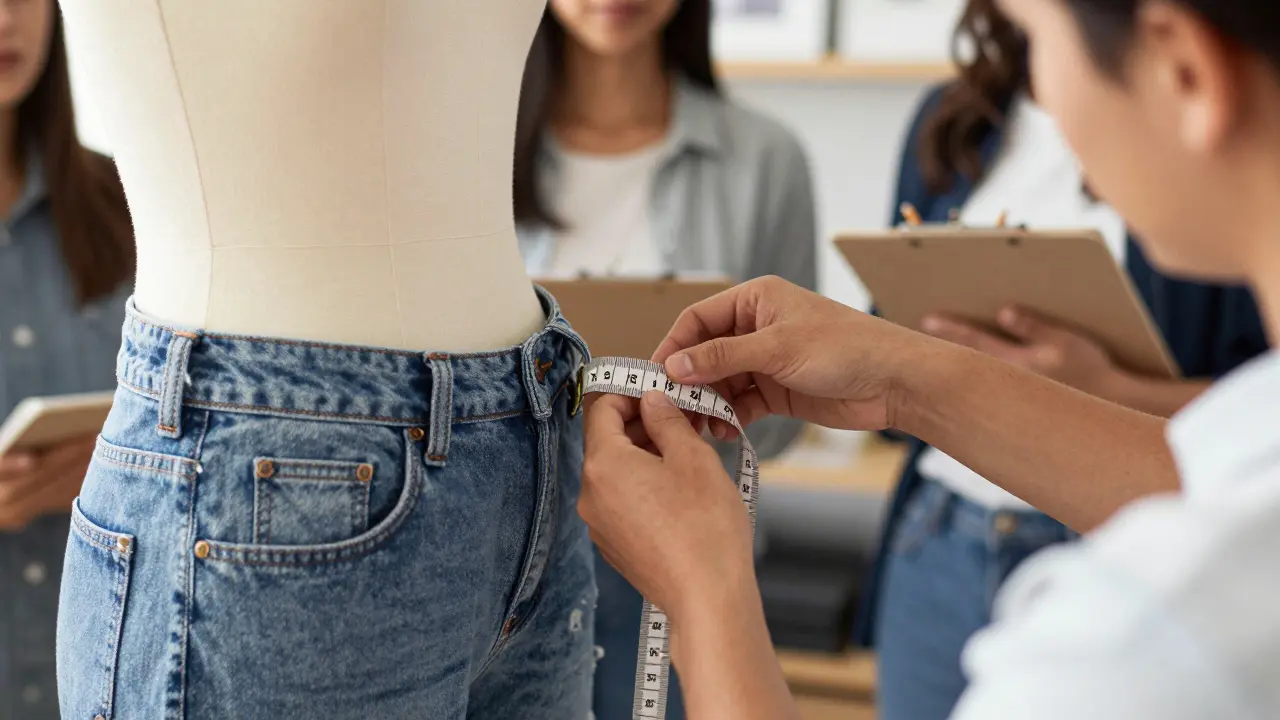
Community Feedback Loops are a structured process where brands collect, analyze, and act on customer input to improve products and experiences. For inclusive fashion, this isn’t just theory-it’s how brands finally stop guessing and start building clothes that fit real people. When Levi’s launched their Fit Finder tool in 2024, they reduced returns by 25% in just one year. Why? Because they stopped relying on outdated size charts and started listening.
Why Inclusive Fashion Needs Customer Input
Traditional sizing has always been a mess. Most brands still use body measurements from the 1950s, even though the average American woman’s size has changed by 10 inches since then. A 2023 study by the Council of Fashion Designers of America found that 78% of shoppers feel frustrated by inconsistent sizing across brands. This isn’t just annoying-it’s exclusionary. People with curves, broad shoulders, or shorter torsos often get left out entirely. Community feedback loops fix this by turning everyday customers into co-designers.
Take the example of Universal Standard, a size-inclusive brand that started with just 12 sizes. They now offer 24 sizes (00-40) because they asked customers: "What’s missing?" Through monthly surveys and virtual fitting rooms, they discovered specific pain points: sleeves too tight for muscular arms, waistbands digging in for pear-shaped bodies. Each season, they tweak patterns based on this data. No more "one-size-fits-all" compromises.
How Brands Collect Feedback Today
It’s not enough to just ask for feedback-you need the right channels. Here’s what works:
- Social media polls: ASOS uses Instagram Stories to ask customers how their dresses fit. A simple "Too tight? Too loose?" sticker gets real-time responses from 10,000+ users weekly.
- In-store kiosks: H&M’s fitting rooms in NYC have tablets where shoppers rate fit on a 1-5 scale and leave notes. These insights go straight to designers.
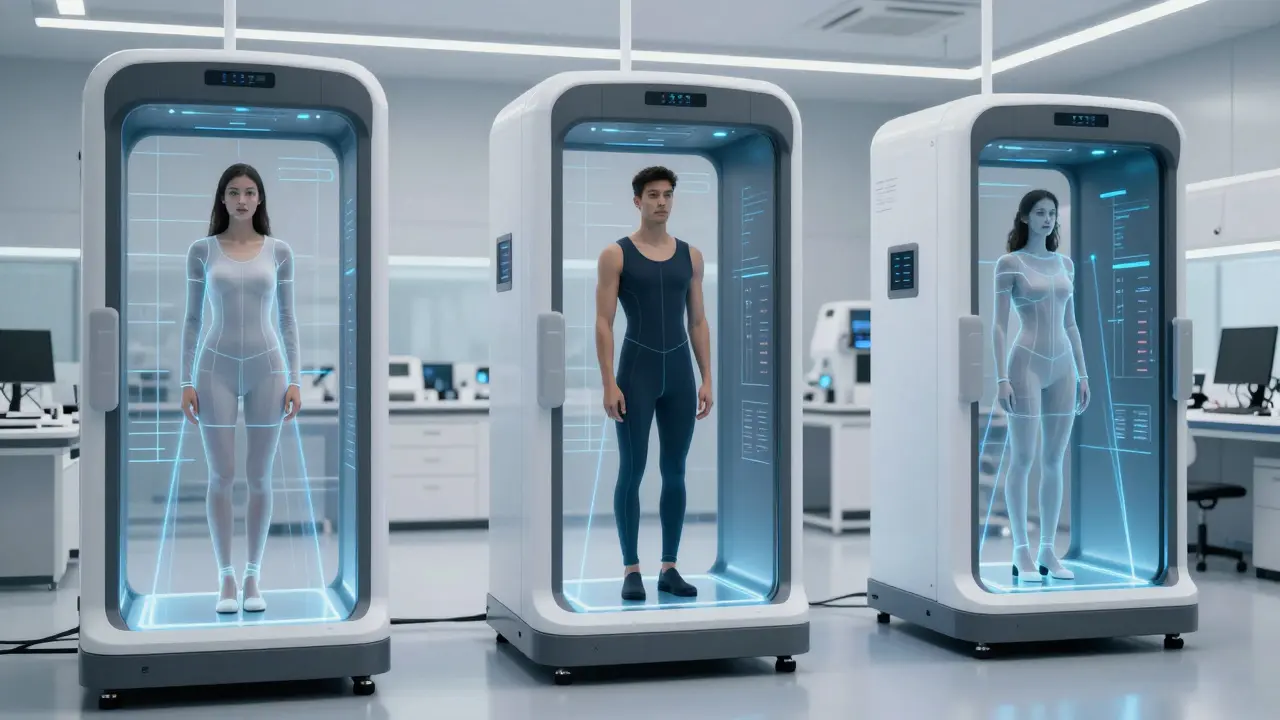
- Wearable tech: Brands like Fit Technology partner with companies like Bodymetrics to scan customers’ bodies in-store. The data helps map body types across different ethnicities and ages.
- Post-purchase surveys: After delivery, customers get a link to rate fit, fabric comfort, and durability. This data is gold for improving future batches.
One brand that nailed this is Levi’s. Their Fit Finder tool asks users to input height, weight, and inseam, then shows which styles work best. But it doesn’t stop there-they also track which sizes get returned most often. In 2025, this data led them to redesign their 501 jeans with a 2-inch wider thigh area after 62% of customers complained about tightness.

Steps to Build Your Own Feedback Loop
Starting a feedback loop isn’t complicated. Follow these steps:
- Define your goal: Are you fixing fit issues? Expanding sizes? Reducing returns? Be specific. "Improve fit for curvy customers" is better than "make clothes better".
- Choose simple channels: Start with one or two methods. A post-purchase email survey or a quick Instagram poll is enough. Don’t overwhelm customers with 10 questions.
- Look for patterns: Don’t just collect data-analyze it. If 40% of customers say "sleeves too short", that’s a clear signal to adjust patterns.
- Act fast: If feedback shows a problem, fix it in the next collection. Waiting 6 months means losing trust. ASOS updated their maternity line within 3 months of customer complaints about waistband discomfort.
- Tell customers you listened: Post a social media update saying "You asked, we fixed it!" This builds loyalty. When Universal Standard added 8 new sizes based on feedback, they shared a video of customers trying them on.
Common Mistakes to Avoid
Even well-intentioned brands mess up. Here’s what to skip:
- Ignoring negative feedback: If customers say a dress is too tight, don’t just say "it’s designed that way." They’re telling you it doesn’t work. Data Privacy concerns are real too-always be clear how you’ll use their data.
- Only listening to superfans: Your most vocal customers aren’t representative. A brand that only surveys loyal followers might miss issues affecting new customers. Mix up your audience.
- Overcomplicating the process: You don’t need AI or fancy tech. Start with a simple Google Form. Customer Surveys done right can be as easy as "How did this fit?" with a dropdown menu.
- Not closing the loop: If you collect feedback but never share results, customers feel ignored. A 2025 survey by Social Listening experts showed 68% of shoppers stop engaging if they don’t see changes.
The Future of Feedback-Driven Fashion
What’s next? AI will predict fit before you buy. Imagine scanning your body once, then seeing which brands’ sizes match your measurements. Blockchain could make feedback transparent-customers see exactly how their input shaped a product. And sustainable fashion brands like Reformation are using feedback to reduce waste: if 70% of customers say a fabric is too thin, they’ll adjust materials instead of producing 10,000 unsellable pieces.
One exciting trend is Wearable Tech integration. Companies like Zivame in India use smart bras that collect fit data during wear. This helps them design bras that actually stay in place. No more guessing games.
How do small brands start collecting feedback without a big budget?
Start simple. Use free tools like Google Forms for surveys or Instagram polls for quick feedback. Ask one question per post: "What’s the biggest fit issue you face?" or "Which size should we add next?" Share the results publicly so customers feel heard. Even a $20 monthly budget for a simple survey tool can give you actionable insights.
What metrics matter most for fit improvements?
Track returns by size and reason (e.g., "too tight in chest," "waist too small"). Also monitor customer satisfaction scores (CSAT) for fit-related questions. A 2025 study found that brands reducing return rates by 15% saw a 22% increase in repeat purchases. Focus on specific pain points-not just overall satisfaction.
How do you balance conflicting feedback?
Look for patterns across demographics. If tall customers say sleeves are too long but short customers say they’re too short, split the difference or offer two sleeve lengths. For example, Levi’s now offers "regular" and "long" sleeve options for certain styles. Always test changes with small batches before full production.
Can feedback loops work for luxury fashion?
Absolutely. Luxury brands like Gucci and Prada now use virtual try-on tools to collect fit data without compromising exclusivity. They don’t share feedback publicly but use it to refine bespoke services. The key is making customers feel valued-exclusive feedback channels like private styling sessions can yield richer insights than public surveys.
What’s the biggest myth about inclusive sizing?
That it’s too expensive. In reality, inclusive sizing reduces waste. A 2026 report by the Sustainable Apparel Coalition found brands with size-inclusive lines had 30% lower unsold inventory because they produced fewer "one-size-fits-all" items that didn’t fit anyone well. Investing in feedback loops saves money long-term.


Write a comment