


What you wear doesn’t just reflect who you are-it shapes how people see you, and even how you see yourself. If you’ve ever felt more confident walking into a meeting in a suit than in jeans, you’re not imagining it. Research shows formal attire doesn’t just change how others judge your competence-it actually rewires your own thinking. This isn’t about fashion trends or status symbols. It’s about the quiet, powerful way clothing alters cognition, behavior, and social perception.
The Suit Effect: When Clothes Change Your Mind
In 2012, researchers at Northwestern University ran a simple but revealing experiment. Participants wore either a lab coat or their own clothes while taking attention tests. Those wearing the lab coat-described to them as a doctor’s coat-performed significantly better on tasks requiring focus. When told the coat was a painter’s coat, the boost disappeared. The coat itself didn’t change their brain. But the meaning they attached to it did.
This is called enclothed cognition. It’s the idea that clothing carries symbolic meaning, and when you wear it, you internalize that meaning. A suit doesn’t just look professional-it makes you feel more authoritative. And when you feel that way, your behavior shifts. You speak more clearly. You sit taller. You interrupt less. These subtle changes don’t go unnoticed.
How Others Judge You Before You Say a Word
In a 2016 study published in the Journal of Experimental Social Psychology, participants watched videos of job candidates dressed either formally or casually. The candidates said the exact same things. But those in suits were rated as more competent, more trustworthy, and more hireable-even when the observers knew the clothing was assigned randomly.
Another experiment showed that people in formal attire were perceived as more intelligent in job interviews, even when their answers were identical to those in casual wear. The effect was strongest in high-stakes environments: finance, law, consulting. In these fields, formal clothing isn’t just tradition-it’s a signal. And signals matter more than you think.
Why does this happen? Our brains are wired to make snap judgments. In under a second, we assess someone’s status, reliability, and capability based on visual cues. Clothing is one of the fastest, most reliable signals we have. A tailored blazer, polished shoes, and a pressed shirt communicate: I take this seriously. I respect this space. I’m prepared.
It’s Not About the Price Tag
You don’t need to spend thousands to get the psychological edge. What matters is consistency, cleanliness, and fit. A well-fitted second-hand suit looks more competent than a brand-new, ill-fitting one. A crisp white shirt with rolled sleeves and no wrinkles sends a stronger signal than a wrinkled designer polo.
One manager at a New York investment firm told me he hires based on two things: how someone talks and how their clothes hang. “If your jacket pulls at the shoulders or your pants are too long, I assume you don’t pay attention to detail,” he said. “And if you don’t pay attention to detail, you won’t pay attention to the numbers.”
The key isn’t luxury-it’s intention. Formal attire works because it signals control. Control over your appearance. Control over your environment. Control over your own behavior. That’s the message people pick up on.
How Formal Clothing Changes How You Think
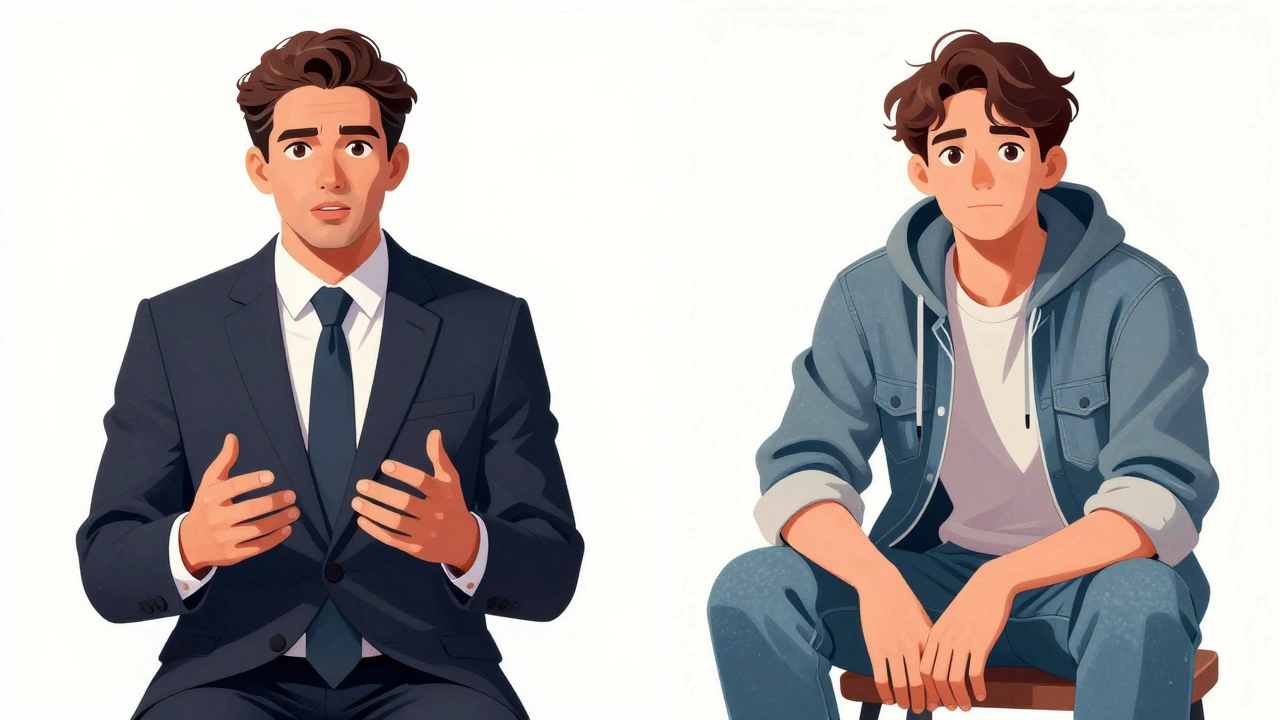
Here’s the most surprising part: wearing formal clothes doesn’t just change how others see you-it changes how you see yourself.
In a 2020 study from Harvard Business School, participants dressed in formal wear were more likely to think abstractly. They saw the big picture. They made decisions based on long-term outcomes instead of short-term gains. Those in casual clothes focused more on immediate details and local context.
Think about it. When you put on a suit, you don’t just dress for a meeting-you prepare for a role. You shift from “me” to “professional.” That mental switch makes you more disciplined, more deliberate, more strategic. It’s why athletes wear their gear before competition. It’s why actors get into character by dressing the part.
One accountant I spoke with said she only wears formal clothes on days she has to present financial forecasts. “I don’t feel ready until I’m buttoned up,” she told me. “It’s like putting on my thinking cap.”
When Formal Wear Backfires
But formal attire isn’t magic. It doesn’t work if you’re out of place. Wearing a tuxedo to a startup pitch meeting in Silicon Valley makes you look out of touch. Wearing a suit to a creative brainstorming session might shut down collaboration.
Context matters more than the outfit. In industries like tech, design, or media, casual dress often signals creativity and approachability. In those settings, a blazer and dark jeans might be the perfect middle ground-professional but not stiff.
The real mistake isn’t wearing formal clothes. It’s wearing them without understanding the culture. A suit in the wrong environment becomes noise, not signal.
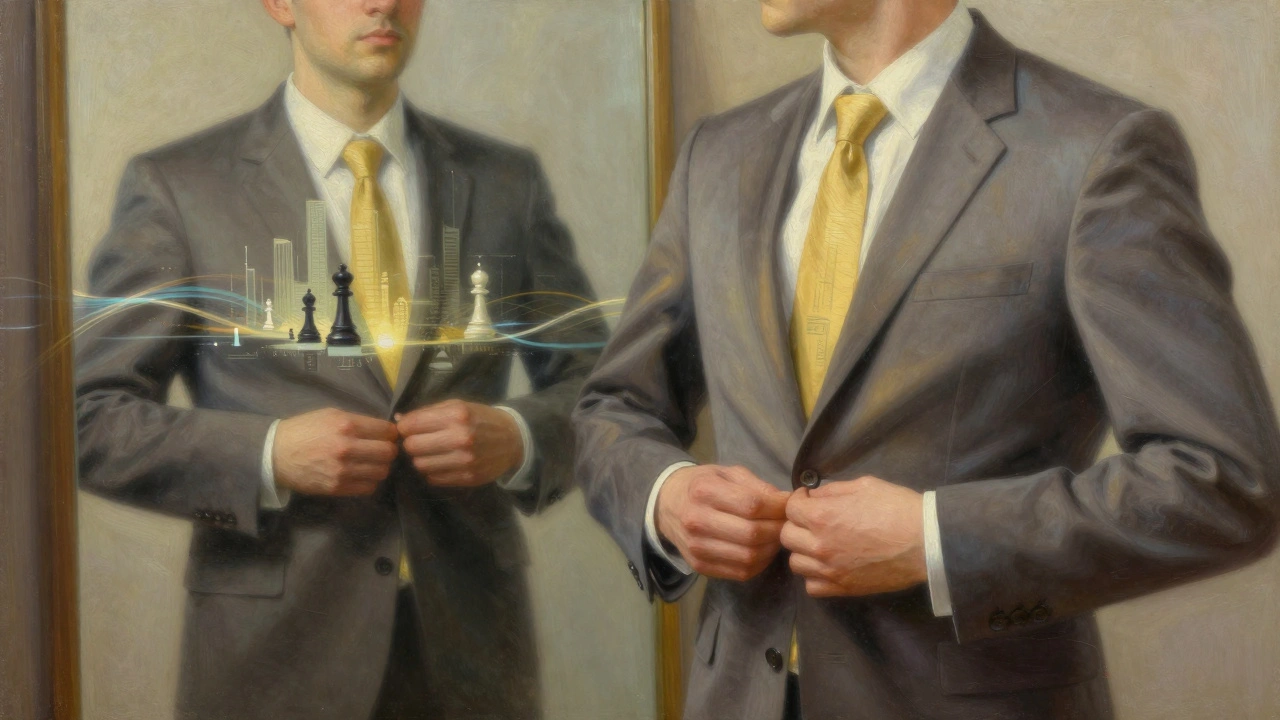
What to Wear, When, and Why
Here’s a practical guide based on real-world settings:
- Job interviews in finance, law, or consulting: Full suit, closed-toe shoes, minimal accessories. This isn’t about showing off-it’s about signaling reliability.
- Client meetings in corporate settings: Blazer with dress pants or skirt. Tie optional for men. The goal is to match the client’s level of formality.
- Presentations to executives: Even if your office is casual, dress one level above the room. It shows you respect the stakes.
- Networking events: Smart casual works-chinos, button-down, blazer. You want to look polished enough to be taken seriously, but not so formal that you seem distant.
- Remote meetings: Top half formal. Bottom half pajamas. This is fine-unless you stand up. Then the mismatch breaks trust. Better to wear full formal if you might move around.
The rule of thumb: dress one step above the expected norm. Not to impress. To signal that you’re ready for the level of responsibility the role demands.
Building Your Formal Wardrobe Without Breaking the Bank
You don’t need a whole new closet. Start with three core pieces:
- A well-fitted navy or charcoal blazer
- Two pairs of tailored trousers (one black, one gray)
- Three crisp button-down shirts (white, light blue, subtle stripe)
Buy secondhand from reputable consignment stores or online resale platforms. Look for natural fibers-wool, cotton, linen. They breathe better and hold their shape longer. Spend $100 on a good blazer instead of $300 on a cheap one that pills after two wears.
Fit is everything. If your sleeves are too long or your pants pool at your ankles, no amount of brand name will save you. A good tailor can fix most issues for under $50. That’s cheaper than a new shirt.
The Hidden Cost of Ignoring This
Underestimating the power of clothing isn’t just a fashion mistake. It’s a career risk. Studies show people dressed formally are 20% more likely to be offered a promotion and 30% more likely to be asked for their opinion in group settings.
It’s not about fairness. It’s about human psychology. We’re not robots. We judge by appearance. And in a world where everyone has similar qualifications, the difference between being noticed and being overlooked often comes down to what’s on your back.
Formal attire isn’t about pretending to be someone else. It’s about amplifying the version of you that’s prepared, capable, and in control. You don’t need to wear a suit every day. But when it matters most-when you’re asking for a raise, pitching an idea, or stepping into a new role-what you wear can be the quiet catalyst that turns potential into progress.
Does wearing formal clothes really make you more competent?
No, formal clothes don’t make you more competent in skill or knowledge. But they change how you behave and how others perceive you. Studies show people in formal attire think more abstractly, speak with more confidence, and are judged as more capable-even when their actual performance is identical to others. It’s about perception and psychology, not ability.
Is formal attire necessary in today’s workplace?
It depends on the culture. In finance, law, government, and traditional corporate roles, formal attire still carries weight. In tech, creative agencies, or startups, smart casual often works better. The key is matching your clothing to the expectations of the environment. Dressing too casually in a formal setting can hurt your credibility. Dressing too formally in a casual setting can make you seem disconnected.
Can I get the same effect with casual but polished clothes?
Yes. A well-fitted blazer, clean shoes, and neat grooming can signal professionalism just as effectively as a full suit-especially in industries where formality isn’t the norm. The goal isn’t to wear a tie; it’s to look intentional. Wrinkled jeans and a dirty hoodie send a different message than dark chinos and a pressed button-down.
Why does formal clothing make me feel more confident?
It’s called enclothed cognition. Clothing carries symbolic meaning. When you wear something associated with authority, competence, or professionalism, your brain starts acting in alignment with that identity. You sit up straighter, speak more deliberately, and think more strategically. The clothes don’t change you-they help you access the version of yourself you want to be.
What’s the minimum formal attire I need for important meetings?
At minimum: a well-fitted blazer, a clean button-down shirt, dark trousers, and polished shoes. No tie is needed in many modern settings. What matters is that everything is neat, pressed, and fits properly. A single well-chosen piece can do more than a full outfit that’s sloppy or ill-fitting.


Write a comment