

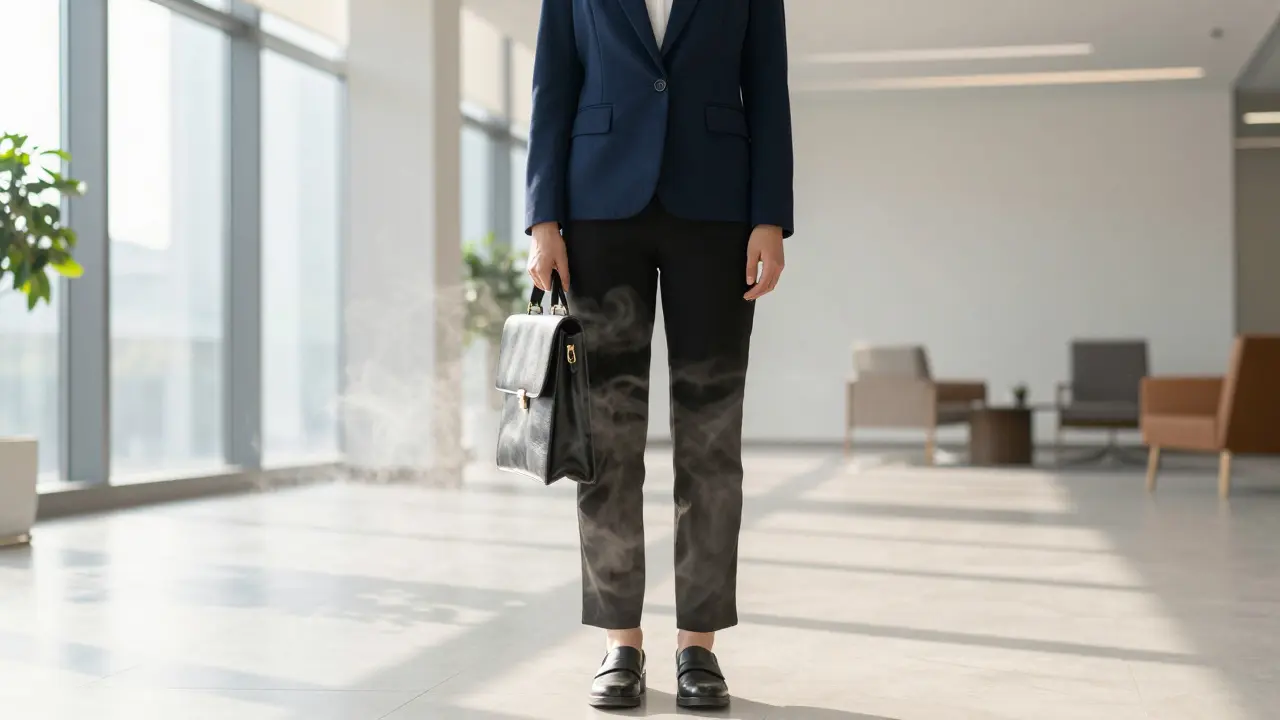
Ever walked into a room and instantly felt someone’s presence before you even saw them? That’s not just confidence. It’s the quiet power of scent and clothing working together. You pick out an outfit - crisp white shirt, tailored blazer, dark jeans - but the real magic happens when you spritz on that citrus-tinged cologne or the warm vanilla perfume. Suddenly, the whole look changes. It doesn’t just look good. It feels right. And so do you.
Why Your Outfit Isn’t Complete Without Scent
Most people treat clothing and fragrance as separate choices. You shop for clothes on Tuesday. You buy perfume on Friday. But your brain doesn’t work that way. It combines them into one impression. A study from the University of Sussex found that people who wore a specific scent with a consistent outfit were remembered 30% more accurately than those who changed their fragrance daily. Your scent becomes part of your visual identity. Think about it: you remember the guy in the navy suit who smelled like cedar and bergamot. Not just the suit. Not just the smell. The combination. That’s because your brain links visual and olfactory cues together in the same memory center - the hippocampus. When you wear the same scent with the same outfit, you’re building a sensory brand. People don’t just see you. They feel you.How Different Scents Change the Way Your Clothes Are Perceived
Not all fragrances do the same thing. A floral perfume on a business suit sends a different message than a woody one. Here’s how common scent families interact with clothing styles:- Citrus and fresh notes (lemon, grapefruit, mint) - These make tailored clothing feel more approachable. Wear them with light linen shirts or pastel blazers. They soften formality without losing professionalism.
- Woody and earthy (sandalwood, vetiver, patchouli) - These amplify authority. Pair them with dark wool coats, leather boots, or structured jackets. They make your silhouette feel grounded and confident.
- Floral and sweet (jasmine, vanilla, rose) - These add warmth to minimalist outfits. A simple black dress or white tee with a floral scent reads as inviting, not overpowering. But too much can clash with sharp, angular styles.
- Spicy and smoky (clove, tobacco, amber) - These work best with edgy fashion: leather jackets, ripped denim, or monochrome streetwear. They create a sense of mystery and intensity.
One woman in Chicago told me she wears a sandalwood-based fragrance every time she wears her tailored navy blazer to client meetings. She says, "I don’t just feel powerful. I feel like the version of me that people expect to be in charge." That’s not coincidence. It’s scent programming.
The Psychology Behind Scent-Driven Clothing Choices
Your brain doesn’t just react to scent - it uses scent to make decisions. In a 2023 experiment at Northwestern University, participants were shown photos of people wearing identical outfits. One group was told the person wore a specific fragrance. The other wasn’t. The group that knew about the scent rated the person as 22% more confident, 18% more competent, and 31% more trustworthy - even though the visual was exactly the same. This isn’t about the fragrance itself. It’s about what your brain assumes. If you smell like expensive sandalwood, your brain assumes you’ve spent time choosing your outfit. If you smell like clean cotton and rain, your brain assumes you care about details. Scent fills in the gaps your clothes leave. And here’s the kicker: people don’t realize they’re making these assumptions. They think they’re judging you based on how you look. But the truth? Their subconscious is doing most of the work - and scent is the silent judge.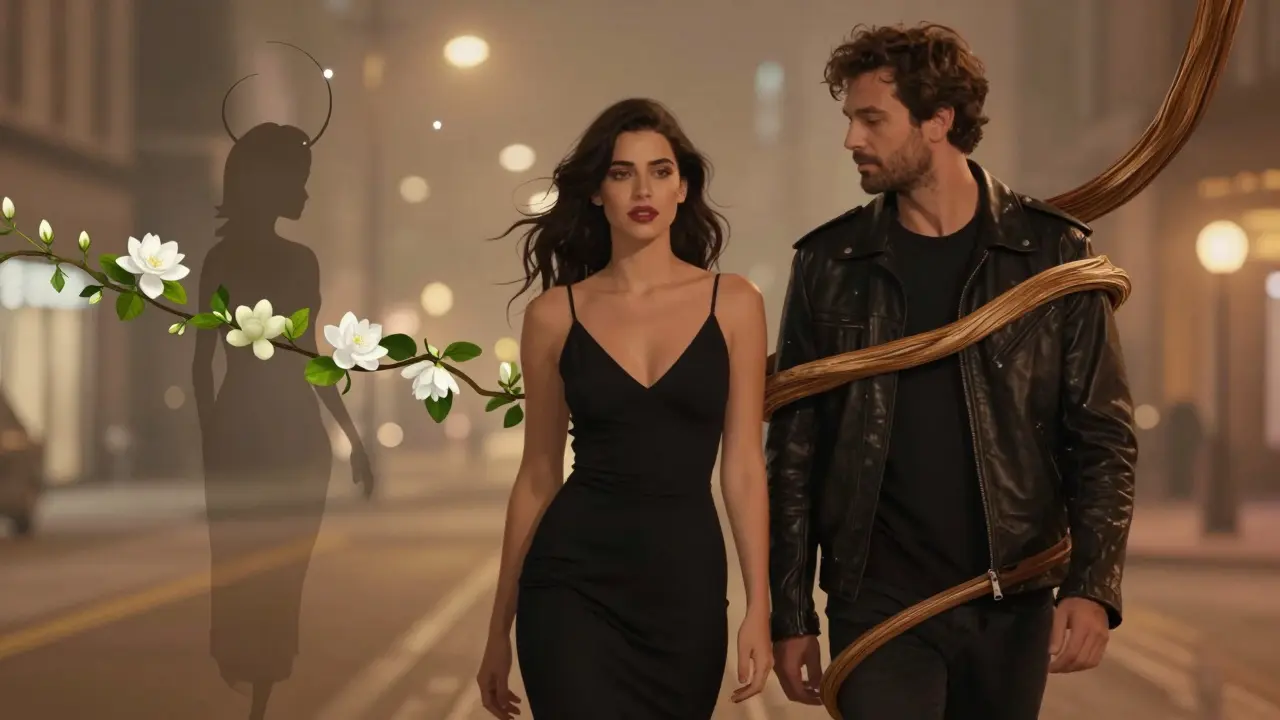
Building a Signature Scent-and-Outfit Pairing
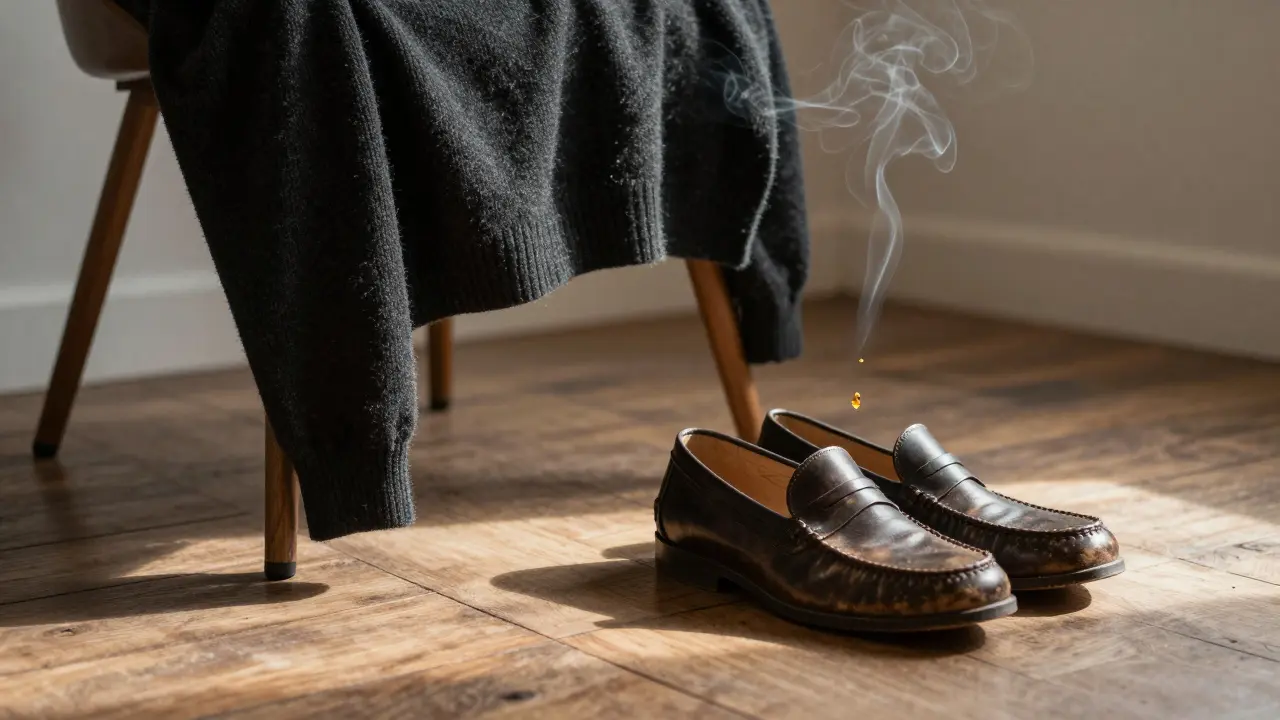
You don’t need 10 different fragrances. You need one or two that work with your core wardrobe. Start by asking yourself:- What’s your most worn outfit? (Mine is a charcoal sweater, black trousers, and loafers.)
- What’s the mood you want to project when you wear it? (For me, it’s calm authority.)
- What scent matches that mood? (I chose a blend of vetiver and amber - earthy, quiet, but deep.)
Now, wear that outfit with that scent for at least three days in a row. Don’t switch it up. Let your brain - and other people’s brains - make the connection. After a week, you’ll notice something: people start to recognize you. Not just by your face. By your presence.
One man I know wears the same black turtleneck and wool coat every winter. He pairs it with a leather-bound cologne that smells like smoked oak and dried figs. He doesn’t say much. But people remember him. A colleague told him, "You’re the guy who smells like a library after a storm." That’s not an accident. That’s scent identity.
When Scent and Clothing Clash (And How to Fix It)
Not every scent works with every outfit. A heavy musk on a flowy summer dress can feel suffocating. A bright citrus on a formal tuxedo can seem childish. Here are the most common mismatches:- Overpowering scent + minimalist outfit - A loud floral on a plain white tee looks like you’re trying too hard. Scale back. Use a lighter application.
- Too subtle + bold outfit - A leather jacket with zero scent feels unfinished. Even a whisper of cedar adds depth.
- Seasonal mismatch - Heavy vanilla in July? It’ll cling and feel stale. Switch to aquatic or green notes in summer.
The fix? Less is more. Spray once on your pulse points - wrists, neck, inner elbows. Let your clothes absorb it. Don’t douse yourself. Scent should follow you, not lead you.
Why This Matters More Than You Think
In a world where everyone’s wearing similar clothes - same sneakers, same jeans, same neutral tones - scent is the last true differentiator. Your outfit says you care. Your scent says you’ve thought about it. This isn’t about being fancy. It’s about being memorable. In job interviews, first dates, networking events - you’re not just being judged on your resume or your smile. You’re being judged on the whole package. And scent is the invisible thread that ties it all together.One study from the University of Oxford tracked how job candidates were rated after interviews. Those who wore a scent consistent with their outfit scored 40% higher on "likability" and "competence" ratings - even when their answers were identical to others’. The only difference? Their scent.
How to Start Today
You don’t need to buy new clothes. You don’t need to spend hundreds on perfume. Here’s your three-step starter plan:- Identify your go-to outfit - the one you wear most often.
- Choose one scent that matches the vibe you want that outfit to project (calm, bold, playful, professional).
- Wear them together for seven days. No exceptions.
After a week, ask someone you trust: "Do I seem different?" You’ll be surprised what they say. Most will say, "You seem more... you." That’s the goal.
Scent doesn’t change your outfit. It completes it. And when your outfit and scent align, you stop blending in. You start standing out - without saying a word.
Can scent really affect how people perceive my clothing?
Yes. Studies show that scent influences how people interpret visual cues. A well-chosen fragrance can make an outfit seem more confident, professional, or approachable - even if the clothing hasn’t changed. Your brain links smell and appearance together, creating a unified impression.
Should I wear the same scent every day with my favorite outfit?
For maximum impact, yes. Repeating the same scent with the same outfit builds a sensory association. People start recognizing you by that combination. It’s not about being predictable - it’s about creating a signature presence. Think of it like a uniform with a personal touch.
What if I don’t like wearing perfume?
You don’t need traditional perfume. Try unscented laundry detergents with subtle notes - like lavender or linen - or use a lightly scented body oil. Even a hint of cedarwood on your collar can create a subconscious association. The goal isn’t to smell strong. It’s to leave a quiet, consistent trail.
Does scent work differently for men and women?
Not in how it affects perception - but in how it’s marketed. Men’s fragrances are often labeled "woody" or "spicy," and women’s as "floral" or "sweet." But those categories are social constructs. A woman can wear vetiver. A man can wear vanilla. What matters is whether the scent matches the energy of your outfit, not gender norms.
How long does it take for scent and clothing to create a lasting impression?
About 3-7 days of consistent pairing. Your brain needs repetition to form associations. After a week of wearing the same scent with the same outfit, people will start to link them subconsciously. That’s when the magic happens - when you become instantly recognizable, not by your face, but by your presence.


Write a comment