

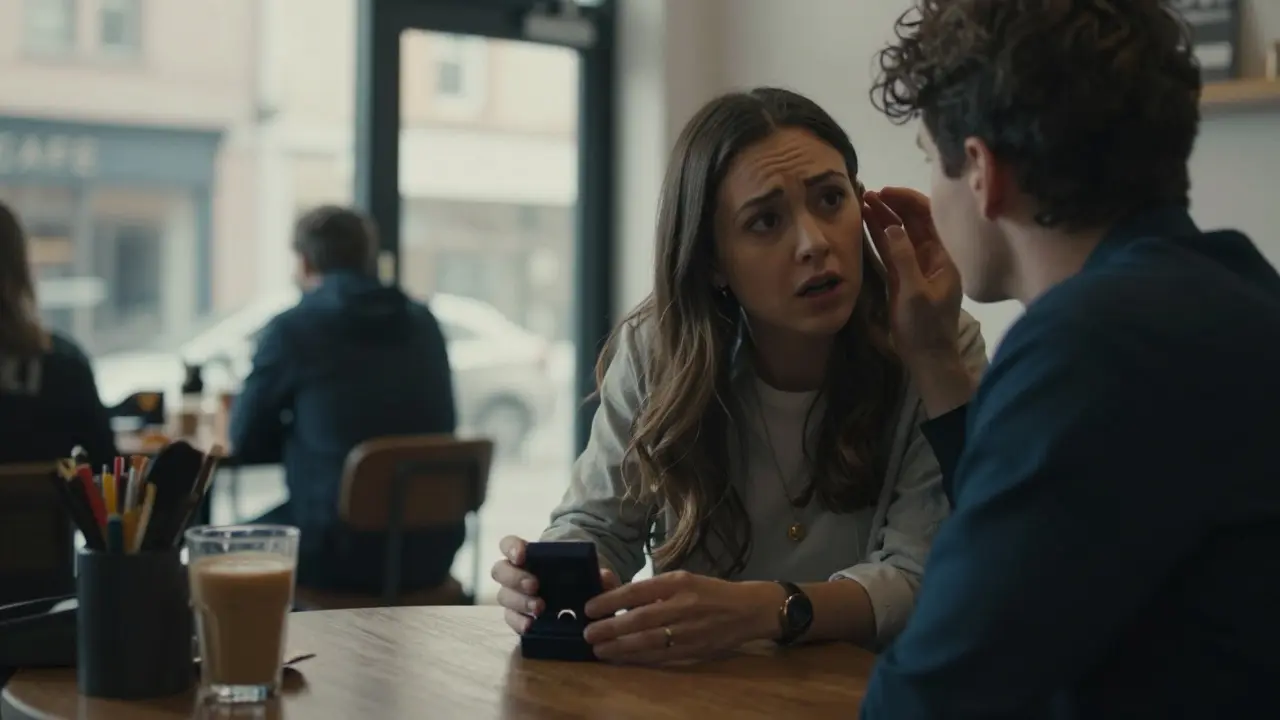
Imagine this: a client confides in you about a surprise engagement ring. The next day, you accidentally mention it to a colleague at a coffee shop. That's not just awkward-it's a breach of trust that could cost you the client forever. As a stylist, your job isn't just about making people look good; it's about safeguarding their most personal information. stylist confidentiality is the foundation of client trust and professional integrity in the fashion industry. Stylist Confidentiality Practices are the foundation of client trust and professional integrity in the fashion industry.
Why Confidentiality Matters for Stylists
When clients share their most personal style preferences, they're trusting you with more than just fabric choices. A single slip-up in confidentiality can destroy years of hard-earned trust. Stylists often hear about health issues, financial situations, relationship changes, and even medical conditions. For example, a client might mention a skin condition that affects fabric choices or a pregnancy they're keeping private. If this information gets out, it could lead to embarrassment, discrimination, or even legal issues. Beyond trust, there's also legal risk-breaching confidentiality could mean lawsuits or losing your license. In the fashion industry, reputation is everything, and one breach can end a career.
Key Practices for Protecting Client Information
Stylists who protect client confidentiality use concrete steps every day. Here's what works:
- Use encrypted apps for notes-apps like Signal or ProtonMail keep client details secure from prying eyes.
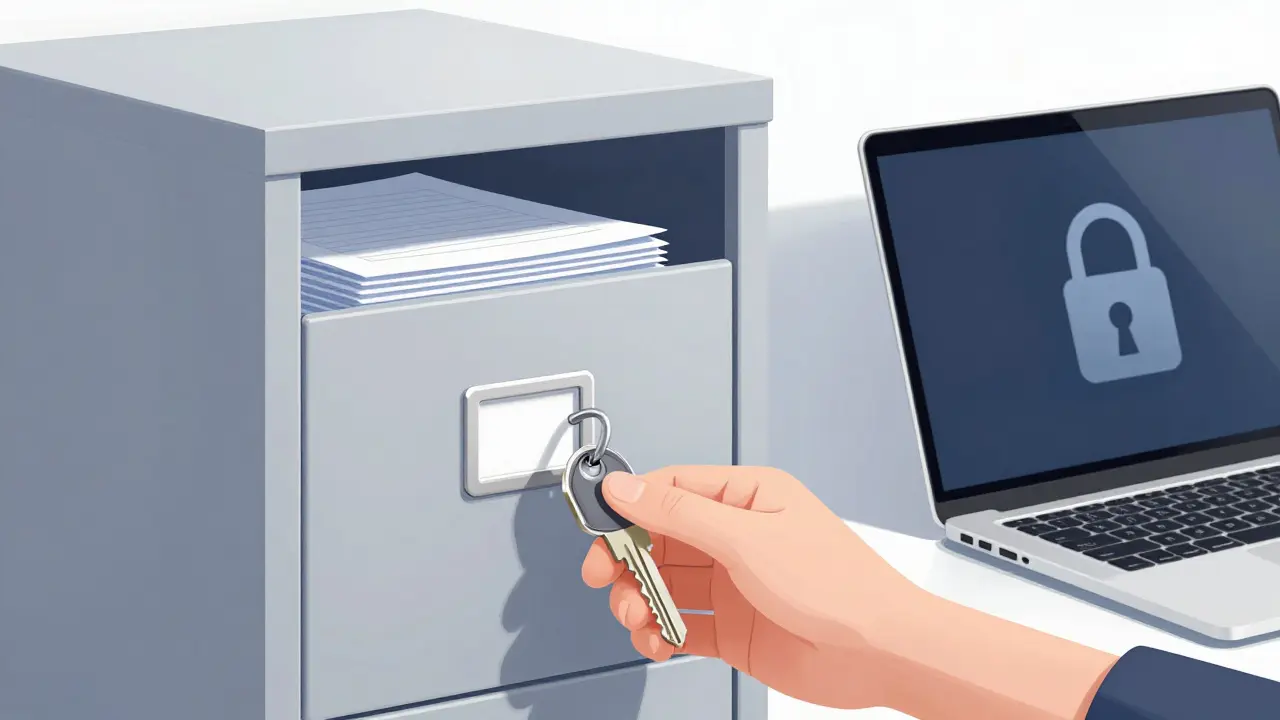
- Store physical documents in locked filing cabinets or safes; never leave them on desks or in unsecured areas.
- Sign Non-Disclosure Agreements (NDAs) with all clients and staff. Non-Disclosure Agreements legally bind stylists to keep client information private and are standard in professional styling.
- Avoid discussing clients in public places like cafes or elevators-always assume someone could overhear.
- Never share client photos on social media without explicit written permission, even if the client seems okay with it.
- Use password-protected digital tools for client records, and delete data when no longer needed.
Setting Clear Professional Boundaries
Professional boundaries keep client relationships respectful and secure. Professional Boundaries are the invisible lines that prevent personal and professional lives from overlapping, ensuring client trust remains intact. For example, don't accept friend requests from clients on personal social media accounts. Keep conversations strictly about styling needs-no sharing personal details about your own life unless it's relevant to the client's situation. If a client tries to cross a boundary, politely redirect the conversation. A simple "I appreciate your trust, but I prefer to keep our discussions focused on your style goals" works every time. This isn't about being cold; it's about maintaining professionalism so clients feel safe sharing what they need to.
Legal Considerations in the US
Unlike healthcare or finance, there's no federal law specifically for stylists' confidentiality. But state laws still apply. For instance, California's California Consumer Privacy Act (CCPA) requires businesses to protect consumer data and allows clients to sue for breaches. If a stylist works for a salon or fashion company, those businesses must comply with CCPA and similar state regulations. Even without specific styling laws, general business confidentiality rules mean you could face lawsuits for sharing client data. In New York, for example, the state's General Business Law has provisions against unfair trade practices, which include breaching client trust. Always check your state's privacy laws-ignorance isn't a legal defense.
Handling Sensitive Client Information
Some client details are especially sensitive. A client might mention a medical condition like eczema or a recent divorce. Here's how to handle them:
- Document only what's necessary for styling-e.g., "fabric sensitivity" instead of "eczema diagnosis" in notes.
- Store sensitive data separately from general client records, with extra encryption.
- Never share health-related details with third parties unless the client explicitly authorizes it for a specific reason (like a dermatologist referral).
- For financial information, use payment processors that don't store full details-never write down credit card numbers manually.
- If a client shares something highly sensitive (like a legal matter), ask, "Is this something you'd like me to keep confidential? If so, I'll document it securely and only reference it when necessary for your style needs."

Real-World Scenarios and Lessons
Let's look at what happens when confidentiality fails. A stylist in Los Angeles once shared a client's pregnancy announcement on Instagram without consent. The client found out, sued for emotional distress, and the stylist lost their job. The salon also faced fines under CCPA. After this incident, the salon implemented strict protocols: no social media posts about clients, all client data encrypted, and mandatory training on confidentiality. On the flip side, a New York-based stylist who works with celebrities uses a secure app for notes, signs NDAs with every client, and never discusses clients outside the studio. This approach has kept her reputation intact for over a decade. These real examples show that protecting confidentiality isn't optional-it's the core of a successful styling career.
Frequently Asked Questions
Can I post client photos on my Instagram?
Only if you have written permission from the client. Even then, share only what they explicitly agree to. Many stylists avoid posting client photos altogether to prevent accidental breaches.
What should I do if a client asks me to keep something secret, but I need to share it for work?
Explain why you need to share it, get written consent, and only share the necessary details with those who absolutely need to know. Never assume consent-always ask for it clearly and in writing.
How do I handle sensitive health information from clients?
Document only what's relevant for styling (e.g., "fabric sensitivity" instead of "eczema diagnosis"), store it securely, and never share it outside the professional context. For medical issues, refer clients to professionals without recording specifics.
Are NDAs necessary for stylists?
Yes, especially if you work for a company or have access to proprietary information. NDAs legally bind stylists to keep client information private and are standard in professional styling. They protect both you and your clients.
What's the biggest mistake stylists make with confidentiality?
Assuming casual conversations won't be traced. A single comment to a friend can spread quickly. Always assume anything shared with you is private-never discuss clients outside work, even in casual settings.


Write a comment