

You’ve held onto that faded denim jacket since high school. The one with the frayed cuffs and the patch you sewed after your first road trip. Or maybe it’s the wedding dress you never wore, the baby blanket stitched by your grandmother, or the concert tee from the show that changed your life. These aren’t just clothes-they’re time capsules. But leaving them crammed in a plastic bin under the bed? That’s how memories turn to dust.
Why Archiving Sentimental Garments Matters
Most people keep sentimental clothing because they feel guilty letting go. But keeping things without caring for them doesn’t honor the memory-it erodes it. Fabric degrades. Colors fade. Moths eat wool. Sweat stains turn brown. Humidity makes silk brittle. If you don’t store these pieces properly, you’re not preserving history-you’re accelerating its loss.
Archiving isn’t about hoarding. It’s about intention. It’s choosing which pieces truly carry emotional weight and giving them the care they deserve. Think of it like storing family photos. You wouldn’t leave them in a damp basement. Why treat clothing any differently?
What to Keep (and What to Let Go)
Not every item deserves a spot in your memory box. Start by asking yourself:
- Does this piece make me feel something right now, not just remind me of someone who used to feel that way?
- Is it in good enough condition to survive another 10 years if stored properly?
- Would I miss it if it were gone-or would I just miss the memory?
Let go of items that are stained beyond repair, stretched out beyond recognition, or that you haven’t thought about in five years. Keep the ones that still make your chest tighten when you see them. That’s your shortlist.
Pro tip: If you’re unsure, take a photo of the item wearing it or folded neatly. Sometimes, the memory lives in the image, not the fabric.
Choosing the Right Storage Box
Not all boxes are created equal. A plastic bin from the hardware store might seem practical, but it’s a trap. Plastic traps moisture. Moisture breeds mold. Mold eats fibers. And once mold starts, it’s gone for good.
Use acid-free, lignin-free archival boxes. These are the same ones museums use to store historical textiles. They’re available online from suppliers like Gaylord Archival or University Products. Look for boxes labeled "pH neutral" and "unbuffered"-especially for silk, wool, or vintage fabrics.
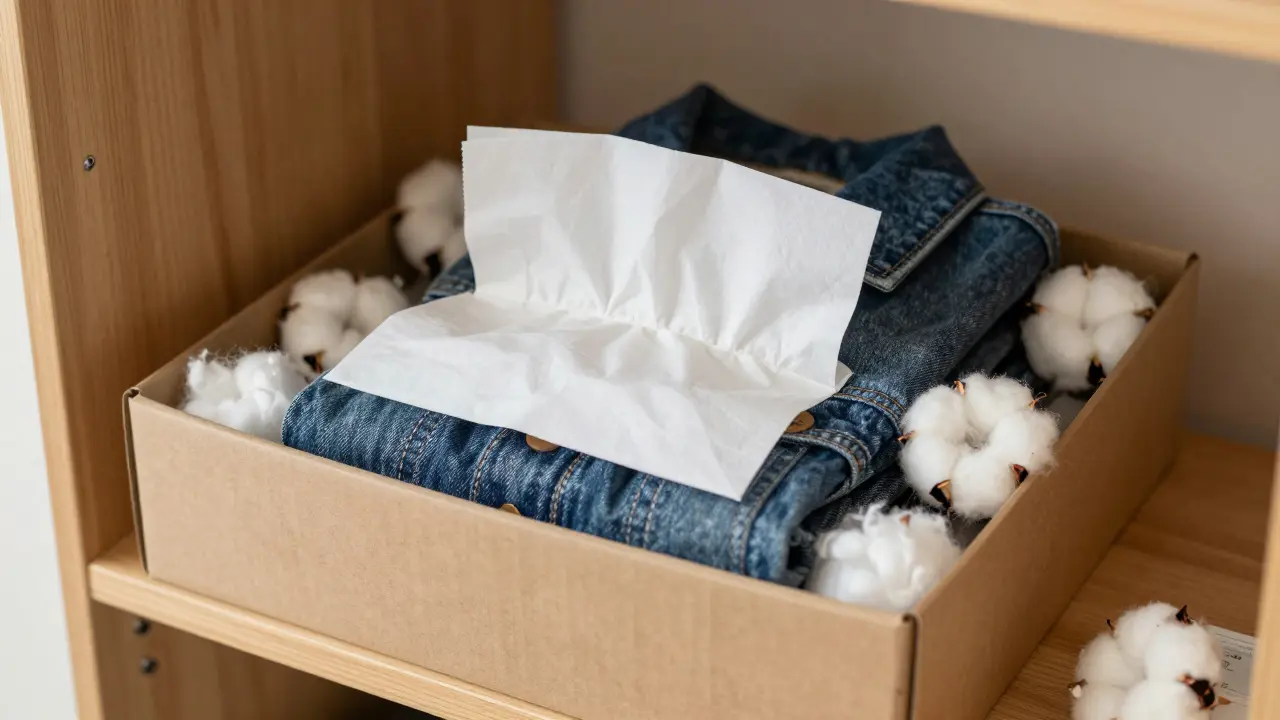
If you can’t find archival boxes, use clean, untreated cotton sheets or muslin bags. Fold the garment loosely inside, then place it in a cardboard box that hasn’t been treated with chemicals (like those from grocery stores). Avoid plastic bags entirely.
Preparation: Cleaning Before You Store
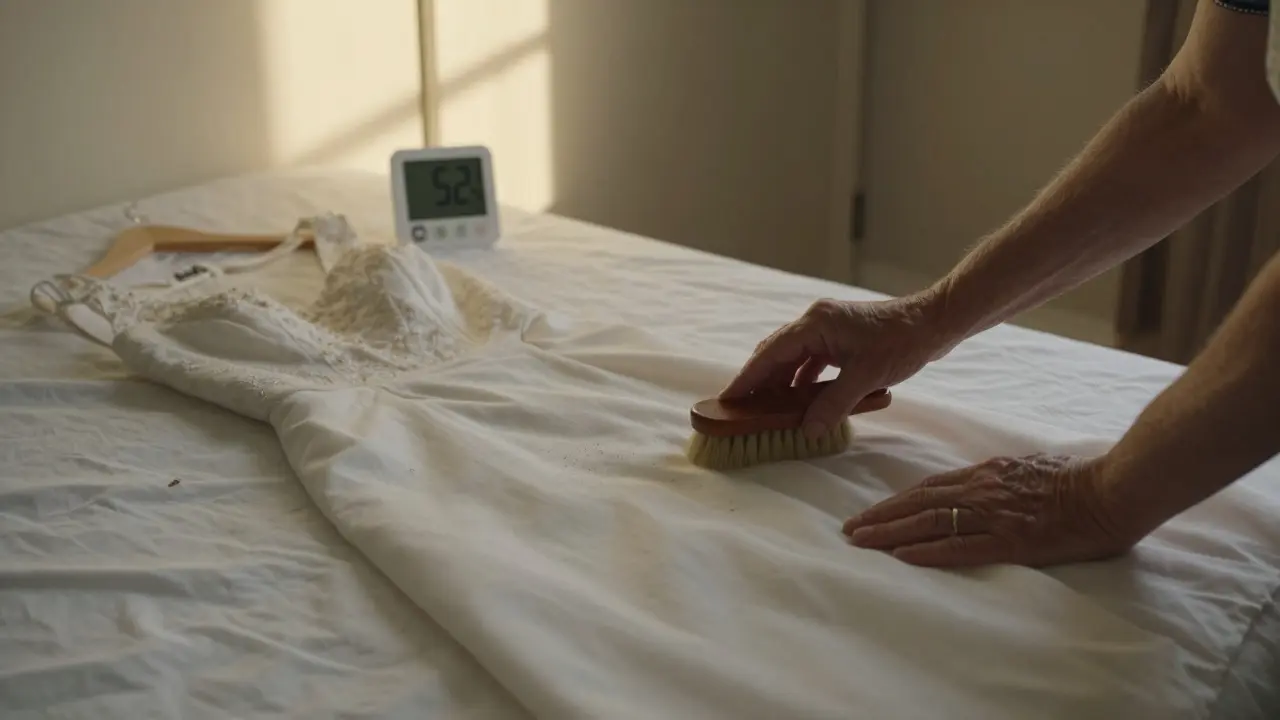
Never store a garment dirty. Sweat, perfume, body oils, and food stains attract insects and cause chemical breakdown over time. Even if it looks clean, it’s not.
For cotton and linen: Hand wash in lukewarm water with a gentle, pH-neutral detergent like Orvus WA Paste. Rinse twice. Roll in a towel to remove excess water. Lay flat to dry.
For wool and silk: Dry clean only-if you must. But choose a cleaner who specializes in archival textiles. Tell them you’re storing it long-term, not wearing it again. Avoid mothball-scented cleaners. They leave residue that damages fibers.
For stains: Don’t scrub. Don’t use bleach. Use a mixture of distilled water and white vinegar (1:1) and dab gently with a clean white cloth. Test on an inside seam first.
Once dry, let the garment air out for 48 hours in a well-ventilated room before packing. This lets any lingering moisture escape.
Folding and Packing Techniques
Never hang sentimental garments long-term. The weight pulls at seams and stretches shoulders. Even sturdy hangers can cause permanent deformation.
Instead, fold them like this:
- Place a sheet of acid-free tissue paper under and over each garment.
- Roll bulky items like sweaters or coats instead of folding to avoid creases.
- For dresses and skirts, use padded hangers only if you’re storing them temporarily. For long-term, fold along natural seams and lay flat.
- Stuff sleeves and bodices with unbleached cotton balls or tissue to maintain shape-never newspaper. Ink bleeds.
- Layer items with tissue paper between each one. Don’t cram.
Place the folded items into the box in order of size. Heaviest on the bottom. Lightest on top. Close the lid gently. Don’t stack other boxes on top.
Where to Store Your Memory Box
Your attic? Too hot. Too dry. Too much sun. Your basement? Too damp. Too cold. Too many pests.
The best spot? A closet in the center of your home-away from windows, vents, and exterior walls. Temperature should stay steady: between 60-68°F (15-20°C). Humidity should be 45-55%. Use a digital hygrometer to monitor it. If your closet runs too dry, place a small bowl of distilled water nearby. Too humid? A silica gel packet (not the kind that comes with shoes-get the reusable kind) will help.
Keep boxes off the floor. Use wooden shelves or plastic bins as risers. Concrete and wood can leach moisture and chemicals over time.
What Not to Use
- Plastic bins - trap moisture, cause yellowing, and off-gas chemicals.
- Mothballs - toxic, leave odor, damage fibers.
- Plastic garment bags - even "breathable" ones aren’t safe for decades-long storage. Newspaper - ink transfers, acid eats fabric.
- Velcro, safety pins, or metal hangers - rust, snag, and stain.
Even something as simple as a rubber band can leave a permanent mark. Use cotton twill tape or acid-free string to tie bundles if needed.

Checking In: Maintenance Every 12-18 Months
Archiving isn’t a one-time job. You need to check on your boxes every year or two.
- Open the box in a clean, dry room.
- Unfold each item gently. Look for discoloration, brittleness, or tiny holes.
- Re-fold along new lines to prevent permanent creases.
- Replace tissue paper if it’s yellowed or brittle.
- Refresh silica gel packets if they’ve turned pink (meaning they’re full).
If you find mold, don’t touch it. Take a photo and consult a textile conservator. Don’t try to scrub it off yourself. You’ll ruin the fabric.
What to Do With Items You Can’t Keep
Not every memory can-or should-be preserved in fabric form. If you’ve decided to let go of something, don’t throw it away. Pass it on.
Give it to someone who’ll wear it: a niece, a friend, a local thrift store that supports women’s shelters. Donate to a theater group that needs period costumes. Or, turn it into something new: a quilt, a pillow, a framed textile art piece. The fabric can still carry the memory, just in a different shape.
And if you’re really stuck? Take a photo. Write a note. Tape it to the inside of the box. "This was worn at my 16th birthday. Mom cried when I walked in. I danced until 3 a.m."
Final Thought: Memory Is Alive When It’s Honored
Archiving sentimental garments isn’t about holding on to the past. It’s about making space for the future. When you preserve these pieces with care, you’re not just saving fabric-you’re protecting stories. And those stories? They’re worth more than any closet space.
Can I store sentimental clothing in vacuum-sealed bags?
No. Vacuum-sealed bags compress fibers and trap moisture, which leads to mold and irreversible damage. Even if the bag is labeled "archival," it’s not designed for long-term textile storage. Use breathable cotton or acid-free boxes instead.
How long can I store clothes before they start to degrade?
With proper storage-cool, dry, dark, and acid-free-cotton and linen can last 50+ years. Silk and wool are more fragile and may begin to weaken after 20-30 years if not handled carefully. The key isn’t time-it’s conditions. Poor storage can ruin a garment in under five years.
Should I wash vintage clothing before storing it?
Yes-if it’s dirty. But don’t wash it if it’s fragile. If the fabric feels brittle, has loose stitching, or is dyed with natural pigments (common in pre-1960s clothing), take it to a textile conservator. They can clean it without damaging the fibers. Never use a washing machine on anything older than 30 years.
Is it okay to store clothing with perfume or deodorant on it?
No. Perfumes and deodorants contain alcohol and oils that break down fabric over time. Even if the scent has faded, the chemicals remain. Always wash or dry clean before storing, even if the item looks clean.
Can I use cedar blocks instead of mothballs?
Yes, but with caution. Cedar blocks can help repel moths, but they’re not foolproof. Use them only in well-ventilated boxes and replace them every 6-12 months. Never let them touch the fabric directly-wrap them in cotton cloth. Also, cedar oil can stain delicate fabrics like silk.


Write a comment