

Quick Wins for Style Evolution
- The 10% Rule: Change only one element of your outfit to something daring while keeping the rest familiar.
- Texture Mixing: Pair a soft knit with a structured leather piece to bridge the gap between cozy and edgy.
- Proportion Play: If you always wear tight bottoms, try a wide-leg trouser with a fitted top.
- The 'Wrong Shoe' Theory: Intentionally pick footwear that doesn't 'match' the vibe of the outfit to create a modern tension.
Understanding Your Current Baseline
Before you can break your style comfort zone, you need to know exactly where the walls are. Most people don't realize they have a comfort zone until they try to leave it. For some, it's a color palette (always wearing navy and grey); for others, it's a silhouette (always skinny jeans and a tucked-in shirt). Aesthetic is the visual language of a style, combining colors, textures, and motifs to create a specific mood or identity. If your current aesthetic is 'Minimalist,' you likely value clean lines and neutral tones. Moving toward something like 'Maximalism' isn't about buying a whole new wardrobe overnight; it's about shifting your internal definition of what looks "correct."
Ask yourself: Why do I avoid certain pieces? Is it because I think they don't fit my body type, or is it because I'm afraid of attention? Often, the clothes we avoid are the ones that would actually make us feel most powerful. When you identify the specific fear-whether it's 'looking too formal' or 'looking too messy'-you can create a roadmap to dismantle it.
Experimenting with Silhouettes and Proportions
Silhouettes are the basic shapes that clothes create on your body. If you've spent a decade in a "slim fit" world, shifting to oversized or architectural shapes can feel like wearing a costume. The secret is understanding Proportion is the relationship between the sizes of different parts of an outfit to create visual balance. The golden rule is the balance of volume: if one half of your body is voluminous, the other should generally be more streamlined.
Take a look at the different silhouette categories below to see where you currently sit and where you could move:
| Current Silhouette | The "Comfort Zone" Look | The Experimental Shift | Key Piece to Try |
|---|---|---|---|
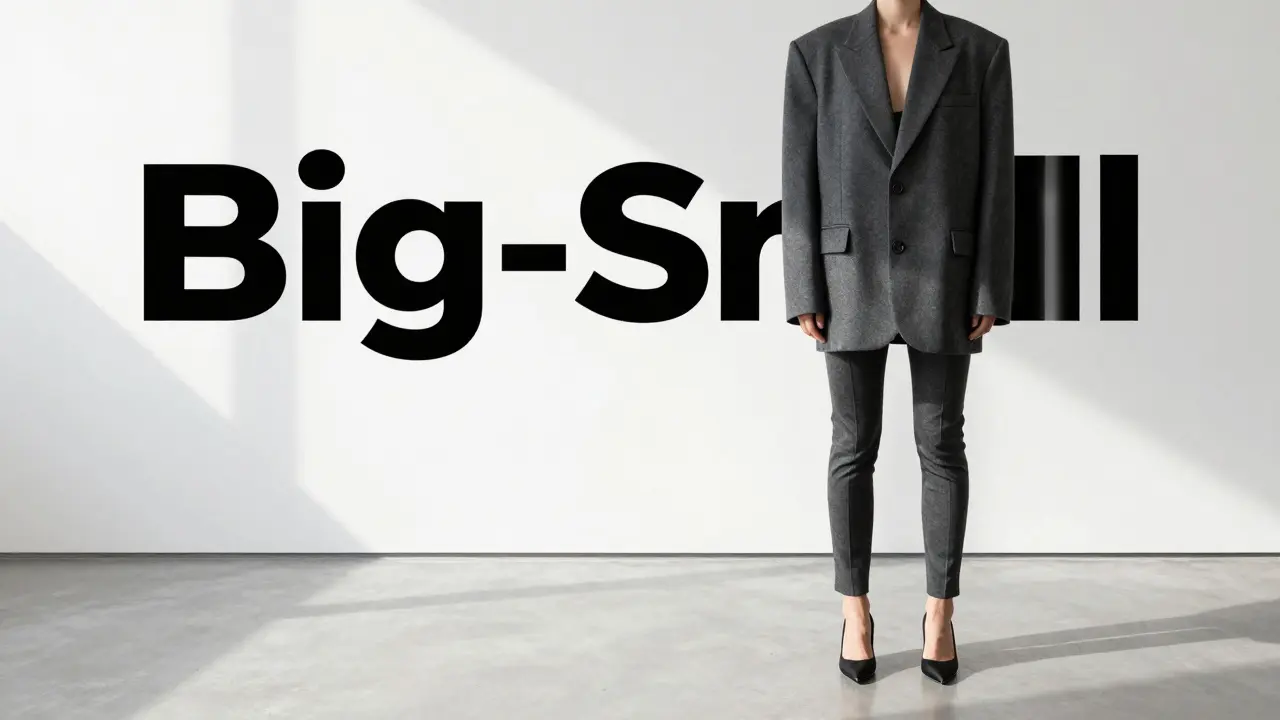
| A-Line / Fitted | High-waisted skinny jeans + fitted tee | The "Big-Small" Balance | Oversized blazer + slim trousers |
| Boxy / Oversized | Large hoodies + baggy joggers | Structured Volume | Wide-leg tailored trousers + cropped knit |
| Column / Linear | Straight leg pants + button-down | Dynamic Asymmetry | Asymmetric skirt or off-the-shoulder top |
Try the "Sandwich Method" for silhouettes. If you're wearing a wide-leg pant (bottom) and a loose sweater (top), "sandwich" the look by adding a structured belt or a tucked-in shirt to create a focal point at the waist. This prevents the clothes from wearing you and ensures you still feel like you have a shape, even when experimenting with avant-garde volume.
Adopting a New Aesthetic Without Overspending
The biggest mistake people make when changing their style is going on a shopping spree for a completely new wardrobe. This leads to "buyer's remorse" because you've bought a costume, not a style. Instead, treat your aesthetic shift like a science experiment. Start with Thrifting, which is the act of shopping for second-hand clothing to find unique, vintage, or affordable pieces. Thrifting allows you to try out high-risk styles-like a 70s bohemian flare or a 90s grunge flannel-without committing hundreds of dollars to a look that might not stick.
Consider the "Three-Piece Rule." To make a new aesthetic feel intentional rather than random, ensure at least three elements of your outfit align with that aesthetic. If you're trying out a "Dark Academia" look, don't just wear a blazer. Pair it with a turtleneck and loafers. When the elements connect, the outfit looks like a choice, not an accident. This creates a psychological safety net; you feel more confident because the look is cohesive.
The Psychology of the "Fear of Being Seen"
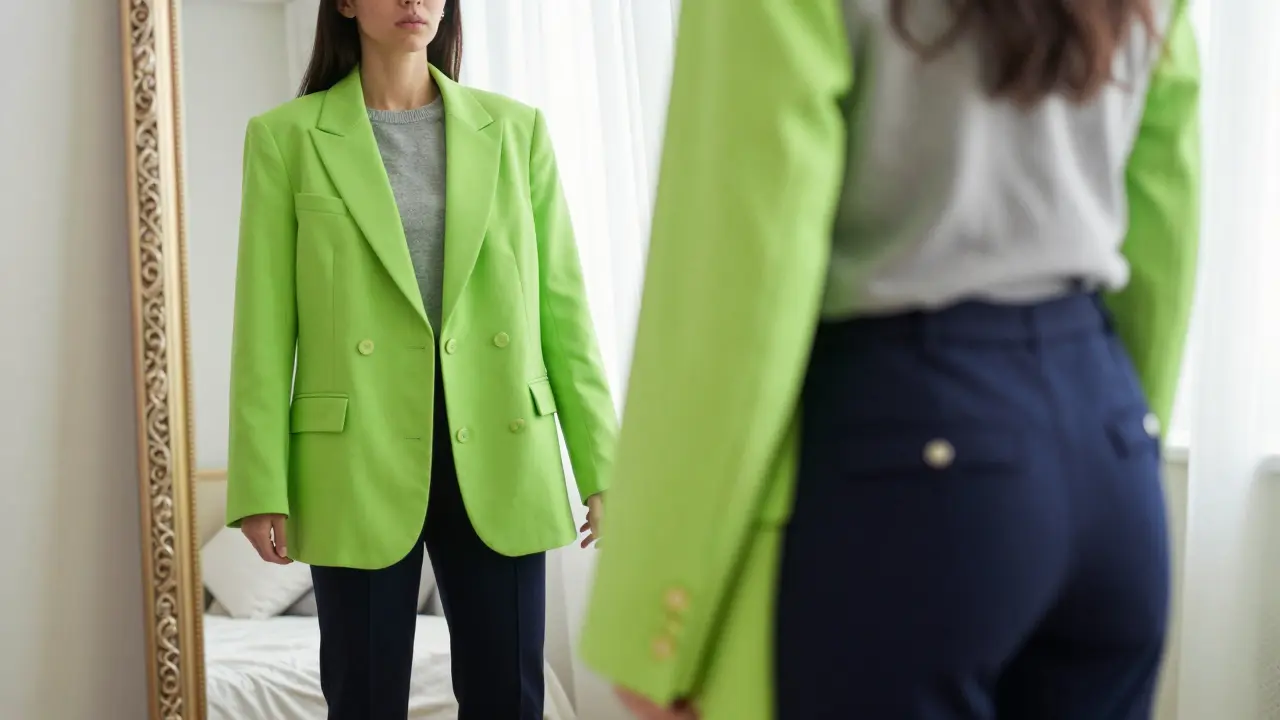
Breaking out of your comfort zone is less about the clothes and more about your relationship with attention. For many, the resistance to new styles is actually a fear of judgment. To overcome this, use the "Low-Stakes Environment" strategy. Wear your most experimental outfit to a place where nobody knows you-a coffee shop in a different neighborhood or a museum in a nearby city. When you realize that the world doesn't end because you wore a neon green oversized suit, your confidence expands.
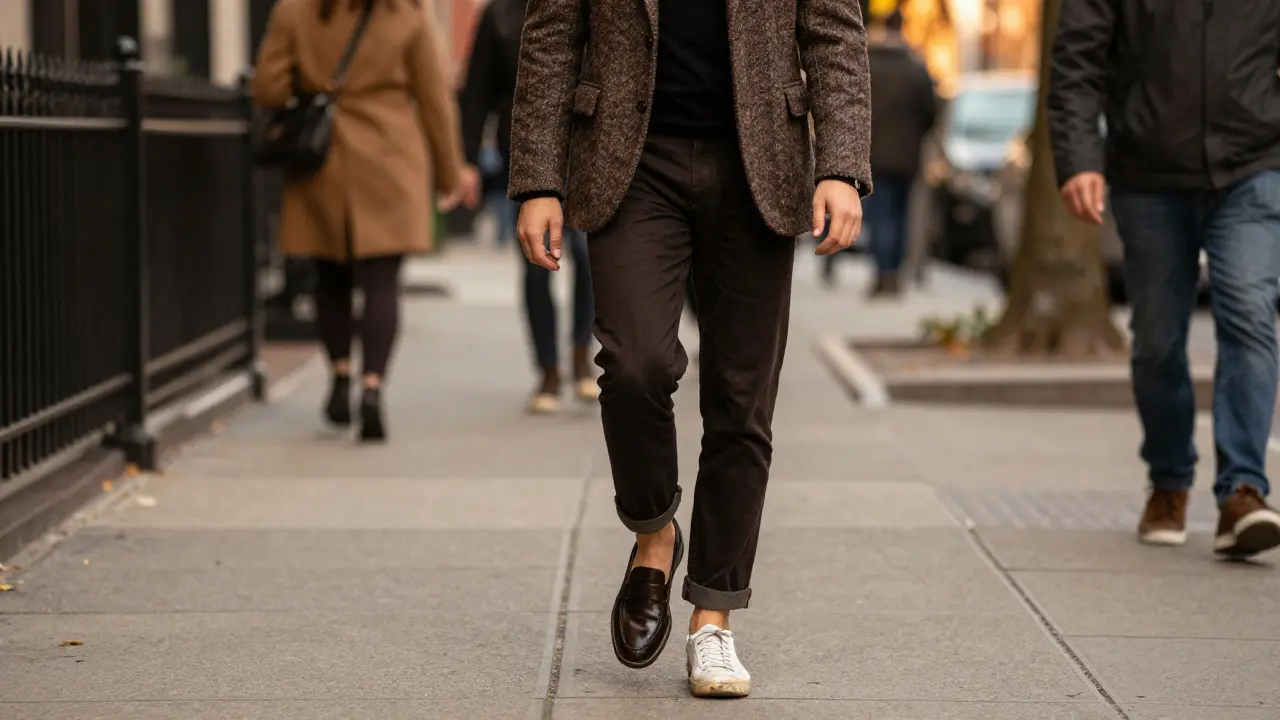
Another trick is to use a "Style Anchor." This is one piece of clothing that makes you feel 100% safe-maybe it's your favorite white sneakers or a specific piece of jewelry. When you pair a wild, new aesthetic piece with your anchor, it grounds the outfit. It reminds you that you're still *you*, just in a more interesting version of your clothes.
Practical Steps for Your First Style Experiment
- Audit Your Closet: Find three items you bought but never wore because they felt "too much." These are your starting points.
- Create a Mood Board: Use Pinterest or Instagram, but don't just save images. Write down *why* you like them. Is it the color? The way the fabric drapes? The attitude?
- The One-Week Challenge: Commit to wearing one "non-comfort zone" item every day for a week. Start with a new color on Monday, a new shoe on Tuesday, and a new silhouette on Wednesday.
- Document the Feeling: Take a mirror selfie. Note how you felt wearing the outfit. Did you feel powerful? Awkward? Elegant? Use these notes to refine your new direction.
Remember that style is a living thing. You don't have to pick one aesthetic and stay there forever. The most stylish people in the world aren't those who follow a strict set of rules, but those who know how to bend them. By intentionally stepping outside your bubble, you're not just changing your clothes-you're expanding your identity.
How do I know if a new aesthetic actually suits me?
The key is how you feel, not just how you look. If you feel like you're wearing a costume and can't move naturally, the silhouette might be too aggressive for your current stage. However, if you feel a spark of excitement or a boost in confidence despite the nerves, it's a sign the aesthetic resonates with you. Try wearing the look at home for an hour first to get used to the physical sensation of the clothes.
What if I have a body type that doesn't fit certain silhouettes?
Silhouettes are guidelines, not laws. The goal is to adapt the shape to your body, not force your body into the shape. For example, if an oversized blazer feels too overwhelming, try a "half-tuck" or roll up the sleeves to show your wrists. This breaks up the mass of fabric and creates a more balanced look. Experiment with different fabrics-stiffer materials create more structure, while drapey fabrics flow with your natural curves.
Can I change my style without spending a lot of money?
Absolutely. The most effective way to experiment is by shopping your own closet. Try layering pieces in ways you never have before-like putting a dress over trousers or wearing a button-down open over a tee. Additionally, focus on accessories; a different belt, a bold scarf, or changing your footwear can completely shift the vibe of a basic outfit without requiring new garments.
How do I avoid looking like I'm trying too hard?
The secret to a "natural" look is contrast. If you're wearing something very bold, keep your hair and makeup simple. If you're experimenting with an avant-garde silhouette, pair it with something casual, like a basic t-shirt or worn-in boots. This creates a balance that suggests the outfit is effortless rather than a carefully constructed costume.
How long does it take to truly feel comfortable in a new style?
It usually takes about 3 to 5 wears for a new style element to stop feeling "foreign." The first time is usually the most nerve-wracking, the second time you start noticing how others react, and by the fifth time, it becomes part of your wardrobe vocabulary. Be patient with yourself and don't give up on a piece just because the first time you wore it felt strange.


Write a comment