

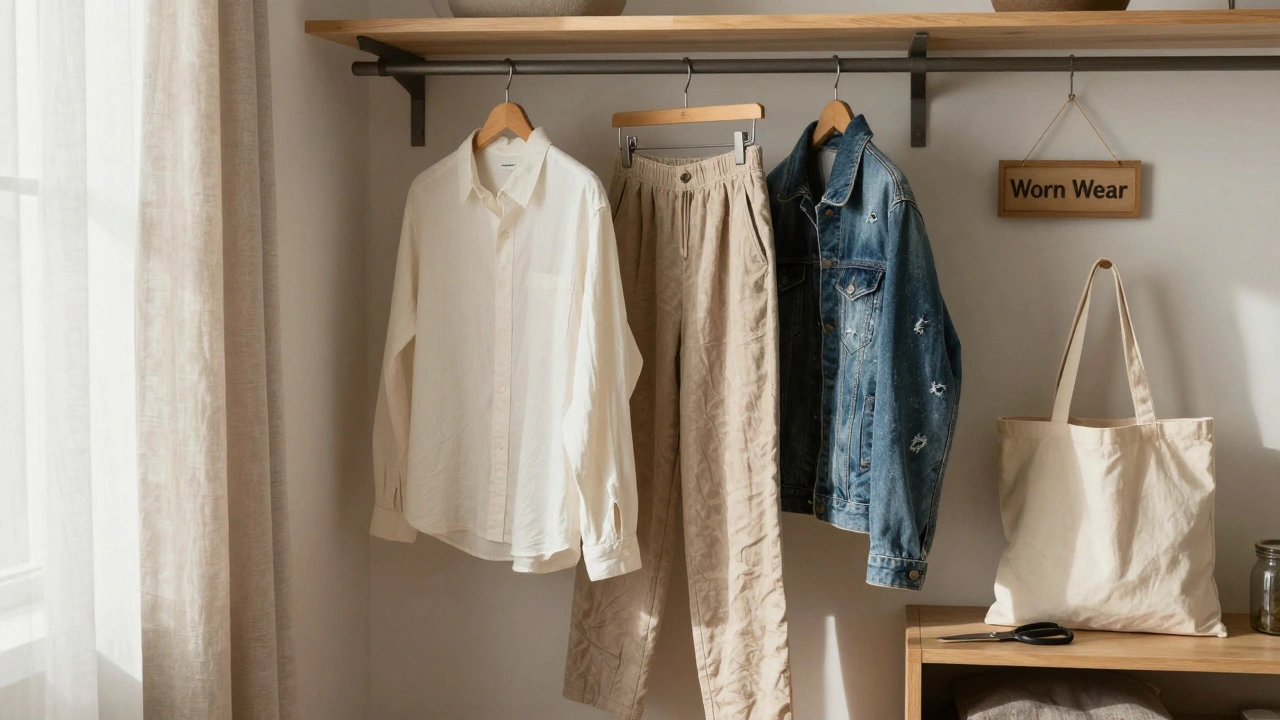
Every time you buy a shirt, you’re voting for the kind of world you want to live in. That T-shirt you picked up on sale? It might have been made by someone earning less than $2 a day, washed in polluted rivers, and shipped across the globe just to sit in a drawer after two wears. But your next purchase doesn’t have to be like that. You can build a wardrobe that doesn’t just look good-it does good.
What Your Clothes Say About Your Values
Your fashion choices aren’t just about color or fit. They’re a reflection of what you believe. If you care about clean water, then buying clothes dyed with toxic chemicals contradicts that. If you believe in fair pay, then supporting brands that hide behind subcontractors in unregulated factories sends the wrong message. And if you’re worried about climate change, then buying cheap, disposable fashion makes it worse.Most people don’t realize how much their wardrobe contributes to global problems. The fashion industry produces 10% of all carbon emissions-more than international flights and shipping combined. It’s also the second-largest consumer of water on Earth. And over 92 million tons of textile waste end up in landfills every year. These aren’t abstract numbers. They’re the result of millions of daily decisions.
Aligning your wardrobe with your values isn’t about perfection. It’s about progress. It’s asking: Who made this? What was it made from? And what happens when I’m done with it?
The Hidden Costs of Fast Fashion
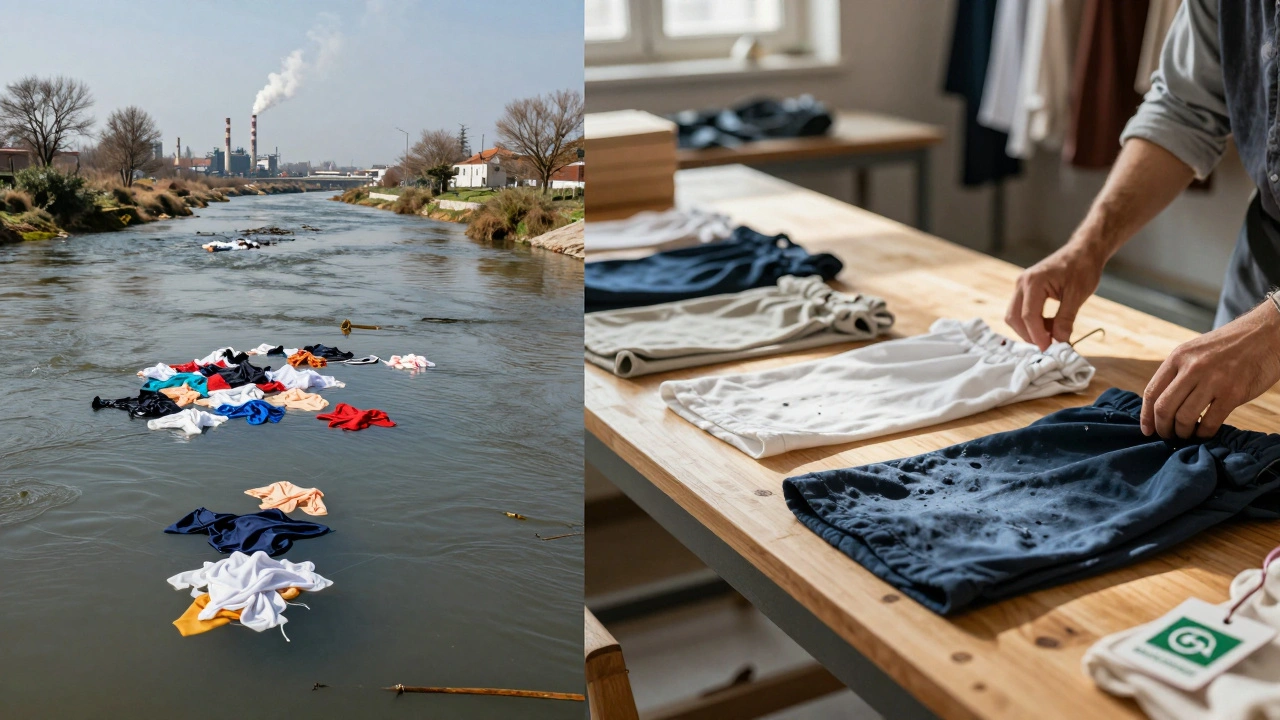
Fast fashion thrives on speed and low prices. But those low prices come at a high cost-to people, to the planet, and to your own sense of integrity.Brands like Shein and Zara release hundreds of new styles every week. Each piece is designed to be worn once or twice before being tossed. The materials? Mostly synthetic fibers like polyester, which shed microplastics into oceans every time you wash them. The labor? Often from women in Bangladesh or Vietnam working 14-hour days for less than $3 an hour.
And when these clothes are discarded? They don’t biodegrade. A polyester shirt can take 200 years to break down. Even cotton, if treated with pesticides and chemical dyes, pollutes soil and groundwater. The truth is, fast fashion isn’t affordable-it’s just cheap upfront. The real cost is hidden in environmental damage and human suffering.
Studies from the Ellen MacArthur Foundation show that if we keep consuming clothes at this rate, the industry’s emissions will rise by 50% by 2030. That’s not a future scenario. That’s the path we’re on right now.
What Does Ethical Clothing Actually Mean?
Not all sustainable fashion labels are the same. Some use greenwashing-slapping a leaf on a tag and calling it eco-friendly while still outsourcing production to factories with poor labor practices.True ethical clothing means three things:
- Materials: Organic cotton, TENCEL™, hemp, recycled polyester, or deadstock fabric-none of which rely on virgin petroleum or heavy pesticides.
- Production: Fair wages, safe working conditions, and transparent supply chains. Brands that publish their factory locations and pay rates are the ones you can trust.
- Longevity: Clothes made to last. Reinforced seams, durable stitching, timeless designs. These aren’t trend pieces. They’re heirlooms.
Brands like Patagonia, Eileen Fisher, and People Tree have been doing this for over a decade. They don’t just sell clothes-they repair them, take them back, and recycle them. Patagonia’s Worn Wear program has repaired over 1 million garments since 2013. That’s not marketing. That’s responsibility.
Look for certifications: GOTS (Global Organic Textile Standard), Fair Trade Certified, or B Corp. These aren’t just logos-they’re third-party validations that the brand meets real environmental and social standards.
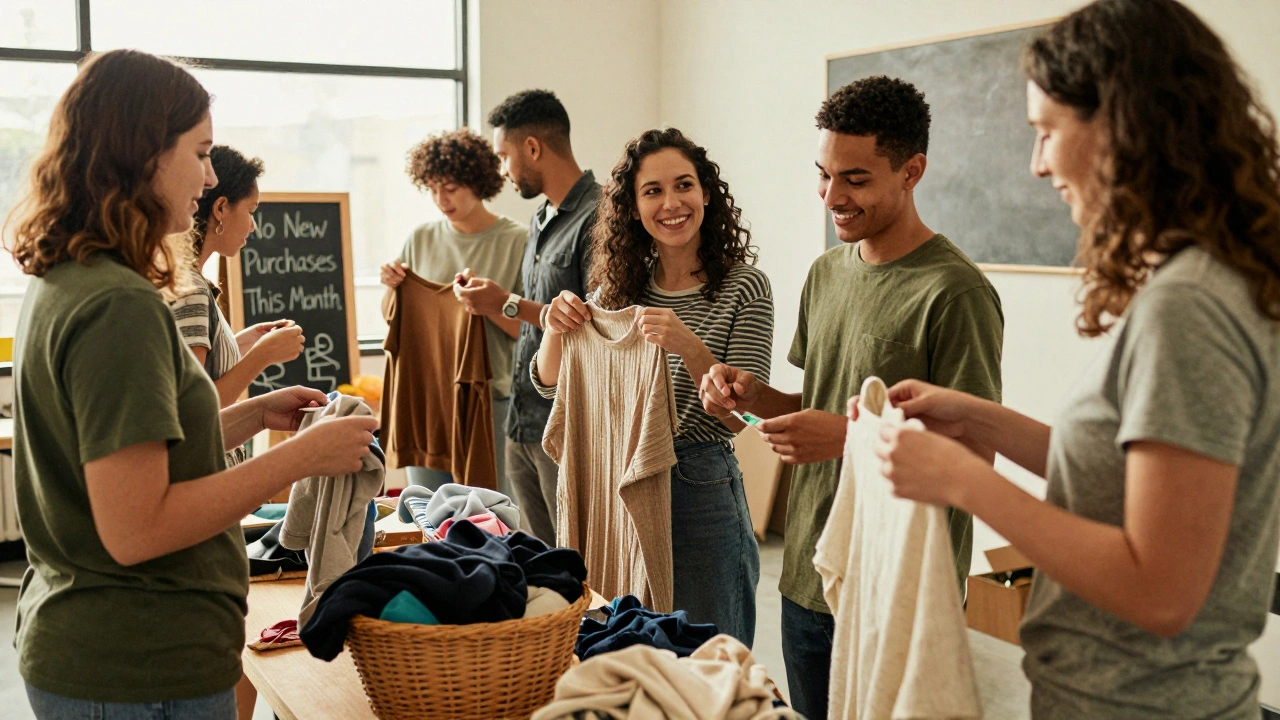
Building a Values-Driven Wardrobe: A Practical Guide
You don’t need to throw out your whole closet overnight. Start small. Here’s how to make your wardrobe align with your values, step by step.- Take inventory. Empty your closet. Sort items into three piles: keep, repair/repurpose, donate/sell. Be honest. How many things have you worn in the last year? If it’s less than three times, it’s not serving you.
- Set your non-negotiables. What matters most to you? Fair wages? Zero plastic? Local production? Write it down. Use it as a filter for every new purchase.
- Buy less, choose well. Instead of five cheap shirts, invest in one high-quality piece. A $150 organic cotton button-down that lasts five years costs less per wear than five $20 shirts that fall apart after six months.
- Support small, transparent brands. Look for indie labels that share their maker stories. Many operate out of small workshops in the U.S., Portugal, or Japan. Their prices reflect real labor costs, not exploitation.
- Repair, rent, or swap. Learn basic sewing. Mend a hem. Replace a button. Use platforms like ThredUp, Rent the Runway, or local clothing swaps. Secondhand isn’t second-best-it’s smarter.
One woman in Portland started a monthly clothing swap with her neighbors. They trade items they no longer wear and avoid buying anything new for six months. She saved over $1,200 in a year-and didn’t miss a single outfit.
How to Spot Greenwashing
Not every brand calling itself "sustainable" deserves your money. Greenwashing is everywhere.Watch for these red flags:
- "Eco-friendly" without proof-no certifications, no supply chain details.
- "Made with recycled materials" but the rest of the garment is virgin plastic.
- Massive collections with 200+ new items every month-how can that be sustainable?
- Using vague terms like "natural," "green," or "conscious" without defining them.
Ask for specifics. If a brand says they use "organic cotton," ask: What percentage? Where is it grown? Who picked it? If they can’t answer, they’re not being transparent.
Use tools like Good On You or the Fashion Transparency Index. These platforms rate brands on labor practices, environmental impact, and animal welfare. They don’t take money from brands. They’re independent.
What Happens When You Stop Buying New
The biggest shift isn’t in what you buy-it’s in how you think about clothes.Once you stop seeing fashion as something to constantly consume, you start seeing it as something to care for. You notice the craftsmanship in a well-sewn seam. You appreciate the texture of natural fibers. You feel proud wearing something that tells a story-not just a brand logo.
People who shift to values-driven wardrobes report feeling lighter-not just physically, but emotionally. They spend less time shopping, less money on clothes, and more time doing things they love. One survey by the Sustainable Fashion Forum found that 78% of people who adopted a slow fashion lifestyle felt more confident in their personal style.
And the environmental impact? One person switching from fast fashion to ethical choices can save over 1,000 liters of water and 15 kg of CO2 per year. Multiply that by thousands of people-and you start changing the system.
Your Wardrobe, Your Power
You can’t fix the fashion industry alone. But you don’t have to. You just have to be part of the shift.Every time you choose a brand that pays fair wages, you’re telling the market that ethics matter. Every time you repair a garment instead of replacing it, you’re pushing back against waste. Every time you buy secondhand, you’re keeping clothes out of landfills.
Real change doesn’t come from big corporations suddenly becoming ethical. It comes from millions of people making small, consistent choices. Your next purchase doesn’t need to be perfect. But it can be better than the last one.
Build a wardrobe that reflects who you are-not who advertisers want you to be. That’s not fashion. That’s freedom.
Is sustainable fashion really more expensive?
Upfront, yes-sometimes. But when you look at cost per wear, ethical clothing often costs less. A $120 jacket worn 100 times costs $1.20 per wear. A $30 jacket worn three times costs $10 per wear. Quality lasts. Fast fashion doesn’t.
Can I still follow trends with sustainable fashion?
You can, but it’s smarter to focus on timeless pieces with subtle trend elements. Instead of buying a full trend-driven outfit, pick one statement item-like a recycled denim jacket or a hemp-blend top-and pair it with basics you already own. Trends fade. Good design lasts.
Where can I find ethical clothing on a budget?
Thrift stores, consignment shops, and online resale platforms like Depop, Poshmark, and Vestiaire Collective offer high-quality, pre-loved ethical brands at 50-80% off. Many sustainable brands also have seasonal sales or outlet sections. Don’t wait for new-look for secondhand first.
Does organic cotton really make a difference?
Yes. Conventional cotton uses 16% of the world’s insecticides and 7% of its herbicides-mostly on just 2.5% of farmland. Organic cotton eliminates synthetic chemicals, uses 91% less water, and supports healthier soil. It’s not perfect, but it’s a major improvement.
What should I do with clothes I no longer want?
Donate only if they’re clean and wearable. Otherwise, recycle them. Many brands like H&M, Levi’s, and Madewell take old clothes-even stained or torn ones-and turn them into insulation, cleaning rags, or new fibers. Check local textile recycling programs too. Never toss clothes in the trash.


Write a comment