

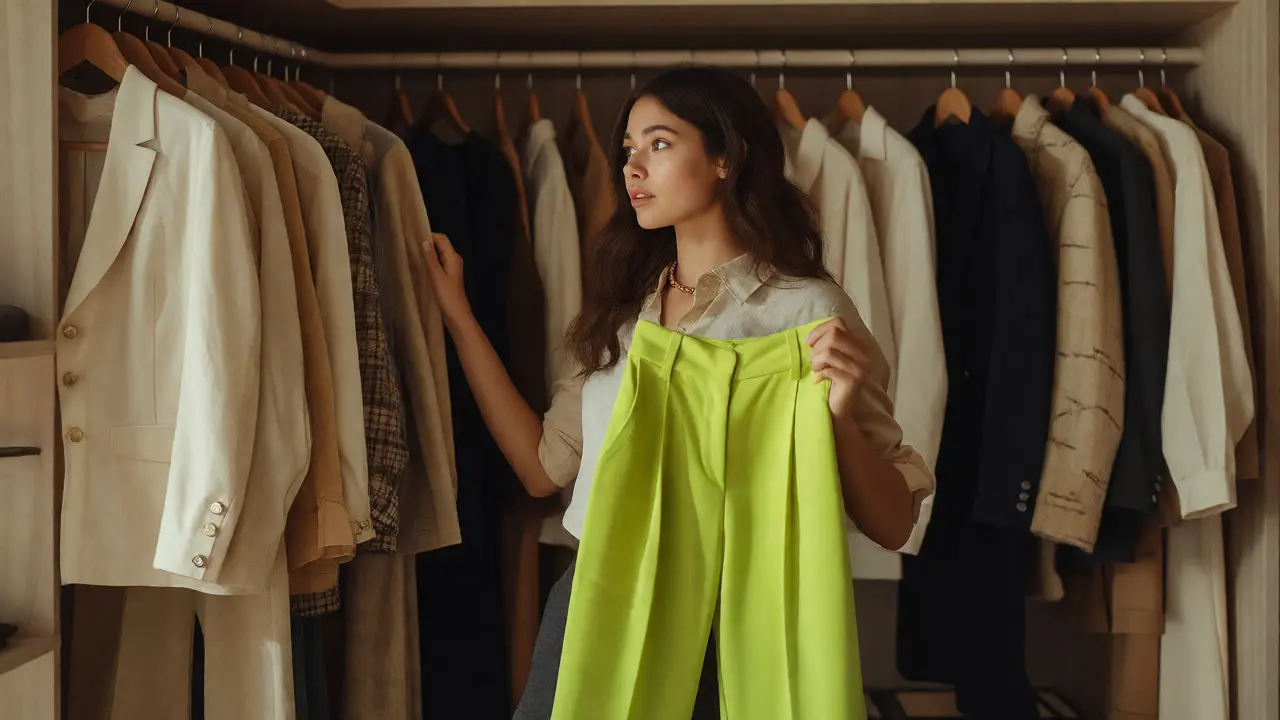
You know that feeling when you scroll through Instagram, see a trending silhouette-maybe it’s wide-leg trousers or a specific shade of neon green-and suddenly your own closet feels wrong? You buy the item. It sits in your wardrobe for three weeks. You never wear it. Then you feel guilty about the wasted money and confused about who you actually are when you get dressed.
This isn’t just about shopping habits; it’s about a lack of personal style boundaries. These aren’t rigid laws that forbid fun. They are protective rails that keep your fashion identity intact while the world tries to sell you something else. If you’re tired of chasing trends that don’t fit your life, this guide will help you build a framework that works for you, not against you.
Why You Need Style Boundaries Now More Than Ever
Fashion moves faster than ever. In 2026, micro-trends can rise and fall within a single month. Algorithms on TikTok and Pinterest feed you content based on engagement, not relevance to your actual body type, climate, or profession. Without boundaries, you become a passive consumer rather than an active curator.
Think of your style as a home. You wouldn’t let strangers walk into your living room and rearrange your furniture every Tuesday because they liked the new layout. So why do we let external opinions rearrange our self-expression? Establishing rules helps you filter noise. It saves money, reduces decision fatigue, and builds confidence. When you know exactly what fits your aesthetic, saying "no" to a tempting but irrelevant trend becomes easy.
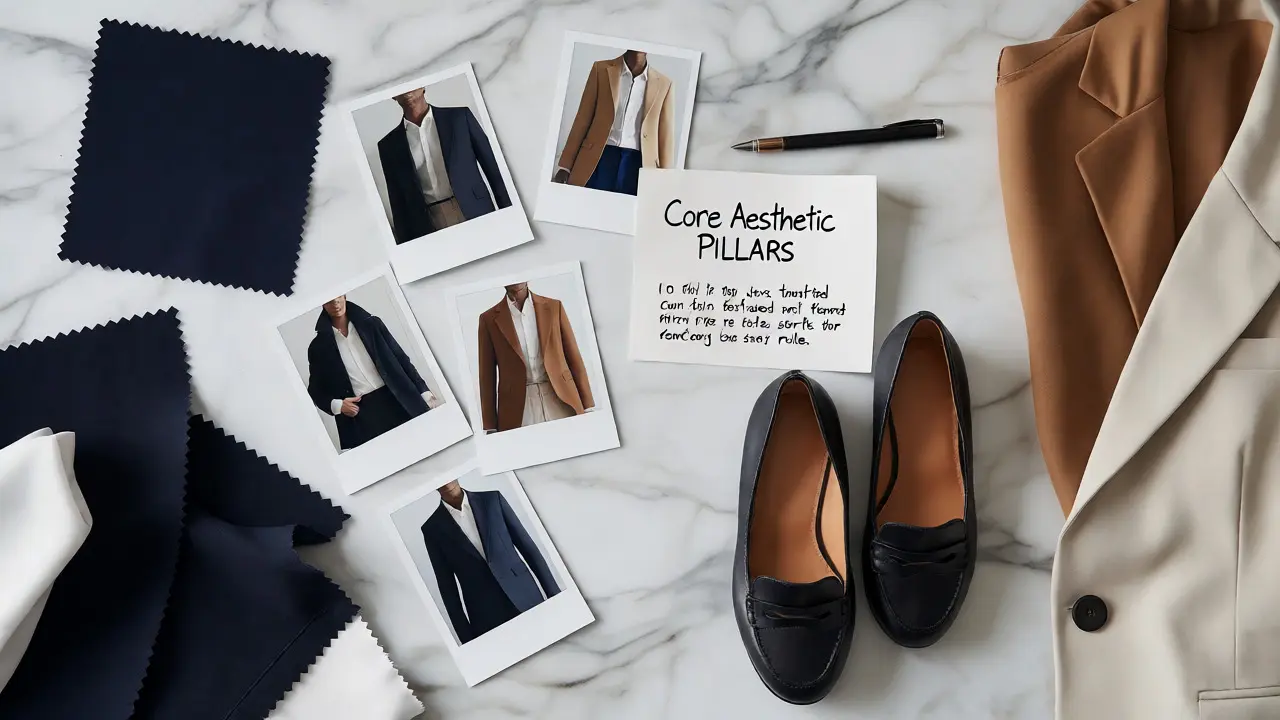
Define Your Core Aesthetic Pillars
You can’t set boundaries if you don’t know what you’re protecting. Start by identifying your non-negotiables. This isn’t about picking one label like "minimalist" or "bohemian." It’s about understanding the underlying principles that make you feel good.
Sit down with five photos of outfits you’ve worn recently where you felt confident. Look for patterns. Do you prefer structured lines or soft drapes? Do you lean toward monochrome palettes or high-contrast colors? Do you value comfort over formality, or vice versa?
- Comfort Threshold: Can you function in heels? Or is flat footwear a hard rule? Be honest. If you hate tight waistbands, that’s a boundary, not a preference.
- Color Palette: Pick 3-5 core colors that genuinely flatter your skin tone and mood. Everything else is an accent, not a staple.
- Silhouette Preference: Do you look best in tailored fits or relaxed cuts? Knowing this prevents buying clothes that require alterations you’ll never pay for.
Once you have these pillars, write them down. Keep them visible in your closet. When you’re at a store and eyeing a piece that breaks these rules, pause. Ask yourself: "Is this serving my core aesthetic, or am I bored?"
The 'No-Buy' List: What You Refuse to Wear
A powerful tool for maintaining style integrity is a conscious "No-Buy" list. This isn’t about banning fabrics forever. It’s about acknowledging what doesn’t work for your lifestyle right now. For many people, this includes materials that wrinkle instantly, requiring constant ironing they won’t do. For others, it might be certain synthetic blends that trap heat in New York summers.
Consider creating a physical or digital list of items you’ve bought in the past two years that remained unworn. Categorize them. Was it the cut? The color? The maintenance required? If you realized you never wear anything with buttons down the front because they gap awkwardly, add "front-button tops without stretch" to your no-buy list. This specific data point saves you from repeating the same mistake.
Here’s how to structure your refusal rules:
- Maintenance Rule: If it requires dry cleaning and you only wash at home, skip it.
- Climate Rule: If you live in a rainy city, heavy suede shoes need a waterproof spray before they enter your cart. No spray, no buy.
- Lifestyle Rule: If you work from home, how many blazers do you actually need? Cap it at two.
Setting Social Boundaries Around Your Look
Your style exists in public, which means other people will have opinions. Colleagues, friends, and even family members might comment on your choices. "That’s bold," or "Isn’t that too casual for here?" These comments can erode your confidence if you haven’t decided whose opinion matters.
Decide early who has veto power over your wardrobe. Usually, the answer is no one except you. However, context matters. There’s a difference between wearing ripped jeans to a board meeting versus a brunch date. Define your dress codes for different environments, then stick to them regardless of peer pressure.
If someone criticizes your outfit, practice a neutral response. "I love this piece," or "It makes me feel comfortable," shuts down debate without being rude. Remember, their discomfort often reflects their own insecurity about breaking norms, not a flaw in your choice. By holding firm, you signal that your fashion identity is non-negotiable.

Managing Digital Influence and Algorithm Fatigue
We live in an era where algorithms dictate desire. If you follow twenty influencers who all wear beige linen sets, you’ll start thinking you need beige linen sets. But do you? Probably not. Curate your digital feed as ruthlessly as your closet.
Unfollow accounts that trigger impulse buys rather than inspiration. Mute keywords like "haul" or "must-have" if they cause anxiety. Instead, follow creators who share similar body types, climates, or professions to you. Their recommendations will likely align with your actual needs, not just current hype cycles.
Try a "one-in, one-out" rule for digital consumption too. Before saving a new outfit idea, delete an old one that no longer resonates. This keeps your inspiration board fresh and relevant to your evolving taste, preventing the clutter of conflicting ideas that leads to paralysis.
| Scenario | Common Trap | Boundary Response |
|---|---|---|
| Trend Alert (e.g., Mini Skirts) | Buying immediately due to FOMO | Wait 14 days. Does it fit your comfort threshold? |
| Work Event Dress Code | Overdressing to impress | Stick to your defined professional uniform. Comfort = Confidence. |
| Friend's Critique | Changing outfit last minute | Politely ignore. Wear what was chosen earlier. |
| Sale Item Not in Palette | "It's so cheap!" mentality | Pass. Color mismatch costs more in lost utility. |
Maintaining Boundaries During Seasonal Shifts
Boundaries shouldn’t be static. Your style evolves, and seasons change. The key is updating your rules intentionally, not reactively. Every six months, review your core aesthetic pillars. Have your preferences shifted? Maybe you’ve moved to a colder climate, or your job changed from corporate to creative.
When transitioning seasons, edit your wardrobe before buying new items. Pull out everything. See what you actually wore last season. Did you ignore those skinny jeans? Then your boundary regarding silhouettes has likely changed. Update your rules accordingly. This proactive approach prevents the panic-buying cycle where you rush to fill gaps created by outdated assumptions.
Also, allow for exceptions. Rigid boundaries can become restrictive. Allow yourself a "wildcard" slot each month-one purchase that breaks the rules simply because it sparks joy. This keeps your style playful and prevents burnout from strict adherence to rules.
What if my personal style boundaries conflict with my workplace dress code?
This is common. First, identify the non-negotiable elements of the dress code (e.g., closed-toe shoes, collared shirts). Then, apply your personal boundaries within those constraints. If your boundary is "no uncomfortable fabrics," find collared shirts in high-quality cotton or silk blends. You satisfy the code while honoring your comfort rule. If the code forces you to violate a major boundary daily, consider if the job itself is misaligned with your values long-term.
How do I handle friends who constantly suggest I try new trends?
Thank them for their input, but reaffirm your choice. You can say, "I appreciate the suggestion, but I’m sticking to my current palette/silhouette for now." Consistency is key. If you change your outfit based on their comment once, they will continue to offer unsolicited advice. By politely declining repeatedly, you train them to respect your autonomy. Most close friends will eventually stop pushing if they see you are happy and confident in your choices.
Can style boundaries limit my creativity?
On the contrary, constraints often boost creativity. When you know your parameters (color, fabric, silhouette), you spend less energy deciding *if* you like something and more energy figuring out *how* to style it uniquely. Think of it like writing poetry with a specific meter; the restriction forces you to be more inventive within the allowed space. Boundaries prevent decision fatigue, leaving mental bandwidth for creative combinations.
How often should I review my style boundaries?
A biannual review is usually sufficient. Align this with seasonal wardrobe changes (Spring/Summer and Fall/Winter). Use this time to assess what you actually wore versus what you planned to wear. Adjust your "No-Buy" list and core pillars based on real-life usage data, not hypothetical desires. This ensures your rules remain practical and reflective of your current life stage.
What if I break my own boundaries?
Don’t beat yourself up. Style is fluid. If you buy something outside your rules, wear it. See if it brings you joy despite breaking the pattern. Sometimes, a "mistake" reveals a new direction you hadn’t considered. If it stays in your rotation, update your boundaries to include it. If it doesn’t, donate it and note why it failed. Treat it as data collection, not failure.