

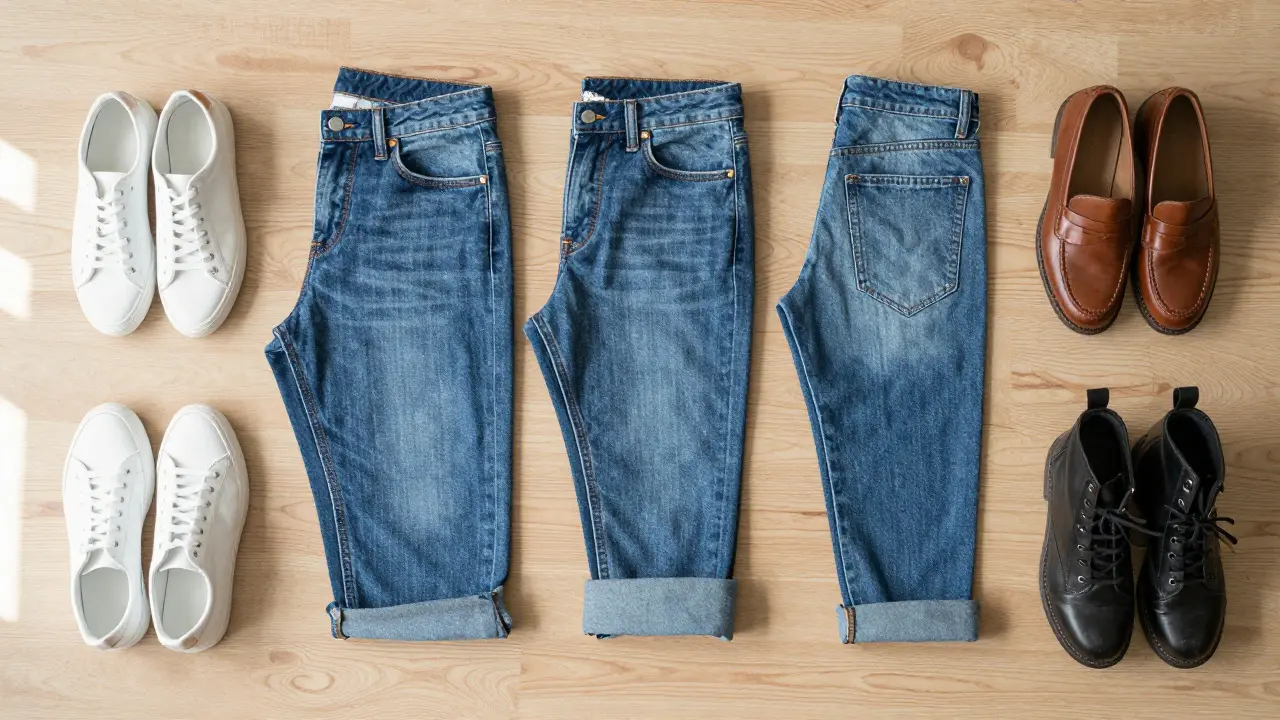
There is a specific moment of panic that happens when you look down at your ankles. Your jeans are pooling around your shoes, creating a messy pile of denim that makes your legs look shorter than they actually are. Or worse, you’ve tried rolling them up, but the result looks like you just gave up halfway through getting dressed. You know that a clean cuff can transform an outfit from sloppy to sharp, but finding the right technique for your specific height and footwear feels like guessing in the dark.
Cuffing isn’t just about showing off your socks or exposing a bit of ankle bone. It’s a structural adjustment that changes the silhouette of your entire lower body. When done correctly, it balances proportions, highlights your footwear, and adds intentional texture to your look. Whether you are five-foot-two wearing chunky boots or six-foot-tall in sleek loafers, there is a hemming strategy that works for you. Let’s break down exactly how to execute these techniques so you never have to worry about awkward bunching again.
The Anatomy of a Good Cuff
Before you start rolling, you need to understand what makes a cuff successful. A bad cuff creates horizontal bulk that cuts off your leg line, making you look wider and shorter. A good cuff maintains the vertical flow of the fabric while adding a deliberate edge. The key lies in the width and the tension of the roll.
You want to avoid the "sausage leg" effect, where the fabric is compressed tightly against your calf, creating a bulge above the fold. Instead, aim for a relaxed structure that holds its shape without squeezing the material. This requires understanding the weight of your fabric. Heavy raw denim behaves differently than lightweight chinos or soft jersey trousers. Heavier fabrics hold their creases better, allowing for wider, more structured cuffs. Lighter fabrics require tighter, narrower rolls to prevent unraveling throughout the day.
| Fabric Type | Weight | Ideal Cuff Width | Best Technique |
|---|---|---|---|
| Raw Denim / Heavy Jean | Heavy (14oz+) | 2 - 3 inches | Single Wide Roll |
| Standard Denim | Medium (10-13oz) | 1 - 2 inches | Pinroll or Double Roll |
| Chinos / Cotton Twill | Light-Medium | 0.5 - 1 inch | Tight Pinroll |
| Linen / Jersey | Light | Minimal (0.25 inch) | Micro-Roll or Hemmed |
Technique 1: The Pinroll for Slim Silhouettes
If you are wearing skinny jeans, slim-fit trousers, or lighter-weight chinos, the pinroll is your best friend. This technique creates a narrow, tight band of fabric that sits close to the ankle. It is particularly effective because it minimizes bulk, keeping the leg line sleek and uninterrupted.
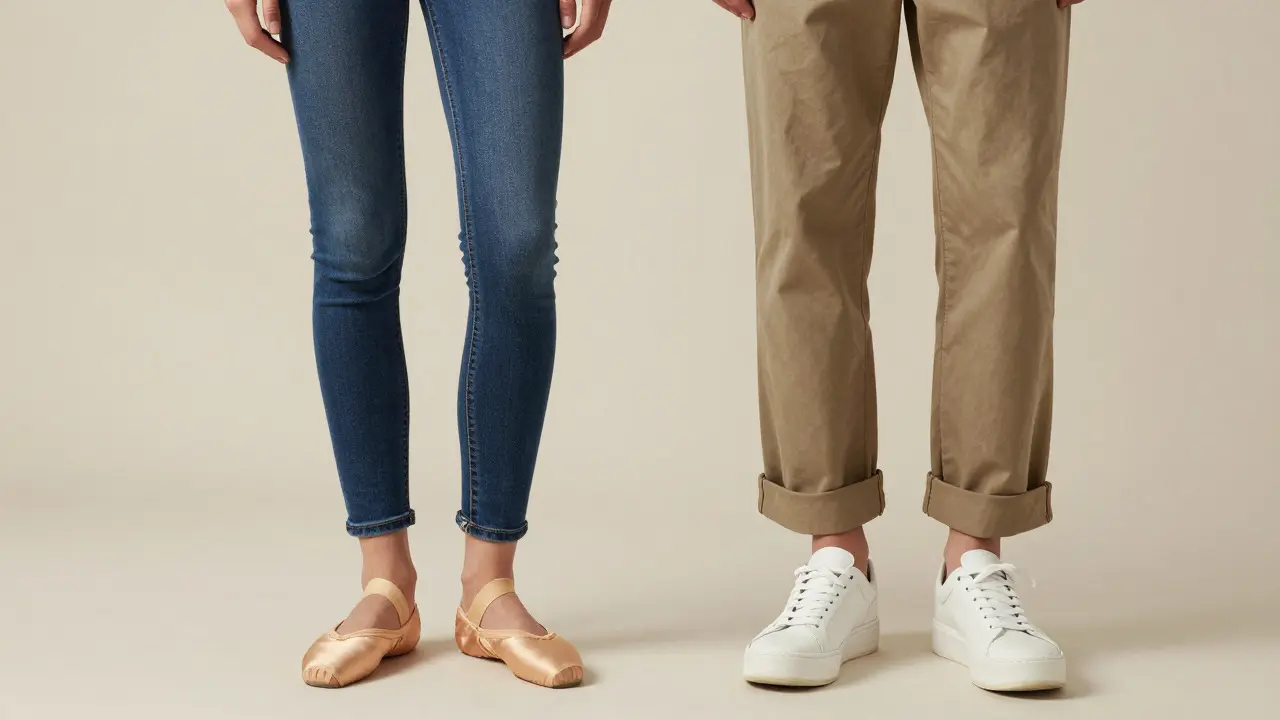
To execute a pinroll, start by folding the bottom hem inward slightly, hiding the raw edge if necessary. Then, take a very small fold-about half an inch-and roll it outward. Continue rolling upward, keeping each subsequent roll tight against the previous one. The goal is to create a spiral effect rather than a stacked accordion. Stop when the cuff reaches your desired height, usually just above the ankle bone. This method works exceptionally well with low-profile shoes like sneakers, loafers, or ballet flats because it exposes the shoe’s design without overwhelming it.
For those who are petite, the pinroll is crucial. Because it doesn’t add significant width to the lower leg, it preserves the visual length of your limbs. If you are taller, you might use this technique for a cleaner, more minimalist aesthetic, especially in professional settings where a wide cuff might look too casual.
Technique 2: The Single Wide Roll for Casual Volume
When you are working with heavier fabrics like raw denim or thick wool trousers, the pinroll often fails. The fabric is too stiff to spiral tightly, resulting in a lumpy, uneven mess. In these cases, the single wide roll is the superior choice. This technique involves taking one large fold of the pant leg, approximately two to three inches wide, and flipping it up once.
This approach creates a bold, architectural line at the ankle. It adds volume and interest to the outfit, which can be beneficial if you have a slender build and want to balance out your proportions. However, be cautious if you are already carrying weight in your lower legs; a wide cuff can emphasize circumference. To mitigate this, ensure the fold is crisp and not overly bulky. You can achieve this by smoothing the fabric flat before flipping it up and using a light starch spray to help it hold its shape.
The single wide roll pairs beautifully with chunkier footwear. Think combat boots, heavy-duty work boots, or high-top sneakers. The substantial nature of the shoe matches the weight of the cuff, creating a cohesive look. If you pair a heavy boot with a flimsy, thin cuff, the proportion feels off. Matching the weight of the fabric to the weight of the shoe is a fundamental rule of styling that many people overlook.
Technique 3: The Double Roll for Balance
Somewhere between the delicate pinroll and the bold single wide roll sits the double roll. This is the most versatile technique and likely the one you see most often on the street. It involves taking two moderate folds, each about one to one-and-a-half inches wide, and stacking them on top of each other.
The double roll offers a compromise. It provides enough structure to stay in place throughout the day without being as aggressive as a single wide roll. It works well with medium-weight denim and standard chinos. For average-height individuals, this is often the sweet spot. It shortens the inseam just enough to show a sliver of skin or sock, which breaks up the vertical line of the leg in a flattering way.
One common mistake with the double roll is letting the second fold slide down over time. To prevent this, make sure the first fold is secure and smooth. You can also tuck the raw hem of the pant into the first fold before making the second roll. This creates a hidden anchor point that helps keep the cuff from unraveling. This technique is ideal for everyday wear, commuting, and casual office environments where you want to look put-together but not overly styled.
Adjusting for Height: Petite vs. Tall
Your height dictates how much vertical space you have to play with. For petite individuals, every inch counts. The primary goal is to elongate the leg. This means avoiding cuffs that are too wide or too high. A cuff that sits too far up the calf cuts the leg line abruptly, making you appear shorter. Instead, aim for a cuff that ends just above the ankle bone. This exposes the narrowest part of your lower leg, creating an illusion of length.
If you are tall, you have more freedom to experiment. You can pull off higher cuffs without sacrificing leg length. In fact, a higher cuff can help ground your outfit and prevent you from looking like you are drowning in fabric. Tall individuals often struggle with pants that are too long, even after alterations. A generous cuff can absorb excess length while still looking intentional. Just remember to maintain proportion with your shoes. If you are wearing heels or platform shoes, a slightly higher cuff can help bridge the gap between the pant leg and the shoe.
Consider the rise of your pants as well. High-waisted pants paired with a cuffed hem create a balanced silhouette for all heights. The high waist lifts the torso, while the cuff defines the ankle. Together, they frame the body in a way that emphasizes curves and structure. Low-rise pants with cuffed hems can sometimes look disjointed, as the eye is drawn to two separate points of interruption on the leg.
Pairing Cuffs with Footwear
The relationship between your cuff and your shoe is critical. The cuff should complement the shoe, not compete with it. Here is how to match different cuff styles with common footwear types.
- Sneakers: With low-top sneakers, a pinroll or double roll works best. You want to show the collar of the shoe and perhaps a bit of your sock. Avoid wide cuffs that cover the shoe’s details. With high-top sneakers, you can go for a looser, single wide roll that rests just below the shoe’s opening.
- Boots: Combat boots and Chelsea boots benefit from a wider cuff. The cuff should sit neatly on top of the boot shaft or just below it, depending on the boot’s height. For knee-high boots, cuffing is less relevant unless you are wearing cropped pants. In that case, a tight pinroll ensures the pant leg disappears cleanly into the boot.
- Loafers and Flats: These shoes are sleek and minimal. Pair them with a tight pinroll or a micro-cuff. You want to expose the ankle bone to create a sense of lightness. A bulky cuff will overwhelm the delicate nature of these shoes.
- Heels: When wearing heels, the goal is to extend the leg line. A very narrow cuff or no cuff at all is often best. If you must cuff, keep it under half an inch. The heel raises your foot, so you don’t need to shorten the pant leg as much to avoid dragging.
Maintaining the Shape
Even the best-executed cuff can lose its shape after a few hours of walking. To keep your cuffs looking fresh, consider these maintenance tips. First, choose fabrics with some memory. Raw denim and selvedge jeans hold creases better than stretch denim. If you are working with stretchy materials, expect to adjust your cuffs periodically.
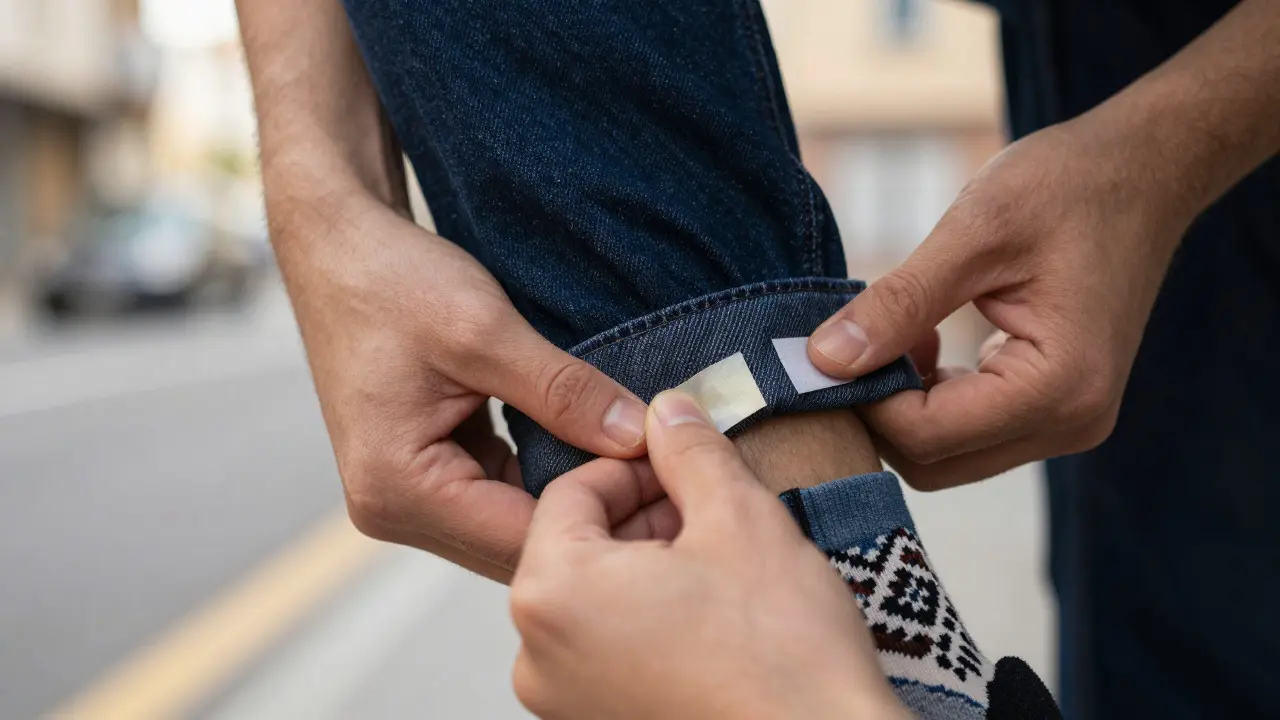
Second, use fabric tape or double-sided fashion tape. A small piece of tape inside the cuff can anchor it to the underlying layer, preventing it from sliding down. This is especially useful for formal events or long days where you don’t want to stop and fix your pants every hour.
Finally, consider permanent solutions if you find yourself cuffing the same pair of jeans daily. A tailor can hem your pants to the perfect length, eliminating the need to roll them up. Alternatively, you can ask for a "raw hem" finish, which gives the look of a cuff without the bulk. This is a great option for those who want the aesthetic of a rolled pant but prefer the cleanliness of a finished edge.
Common Mistakes to Avoid
Many people make the same errors when cuffing their pants. One major mistake is creating asymmetry. Unless you are going for a deliberately deconstructed look, ensure both cuffs are at the same height and width. Even a slight difference can look unintentional and sloppy.
Another error is ignoring the break. The break is where the pant leg meets the shoe. If your cuff is too high, you get a gap of skin that can look awkward, especially in colder months. If it’s too low, it bunches up. Aim for a clean transition where the cuff meets the shoe without excessive overlap or exposure.
Lastly, don’t forget about socks. If you are showing your ankles, your socks become visible. Choose socks that complement your outfit. No-show socks are great for a bare-ankle look, while patterned or colored socks can add a pop of personality. Make sure your socks are in good condition; a hole in the toe ruins the entire effect.
How do I cuff jeans so they don't fall down?
To prevent cuffs from falling down, ensure the fabric has enough friction to hold itself. For slippery fabrics like linen or silk blends, use a small piece of double-sided fashion tape inside the fold. Additionally, make sure the first fold is tight and smooth. If you are using the pinroll technique, keep the rolls narrow and tight against each other. For heavy denim, a single wide roll tends to stay in place better due to the weight of the fabric.
What is the best way to cuff jeans for petite women?
Petite individuals should opt for narrow cuffs, such as the pinroll, to avoid cutting off the leg line. Keep the cuff just above the ankle bone to expose the narrowest part of the leg, which creates an illusion of length. Avoid wide, bulky cuffs that add horizontal volume. Pairing high-waisted jeans with a tight cuff helps elongate the torso and legs simultaneously.
Can you cuff jeans with heels?
Yes, but you should keep the cuff minimal. Since heels elevate your foot, you don't need to shorten the pant leg as much. A micro-cuff of about half an inch or less is sufficient. This maintains the sleek line of the leg while ensuring the pant doesn't drag on the ground. Avoid wide cuffs with heels as they can look disproportionate and heavy.
How do you cuff jeans for a professional office setting?
In a professional setting, subtlety is key. Use a tight pinroll or a very narrow double roll on tailored trousers or dark denim. Ensure the cuff is crisp and symmetrical. Avoid distressed or overly bulky cuffs. The goal is to look polished and intentional. Pair with loafers or low-heeled pumps for a balanced, business-appropriate look.
What is the difference between a pinroll and a double roll?
A pinroll is a narrow, tight spiral of fabric created by multiple small folds, ideal for slim-fit pants and lightweight fabrics. It creates a sleek, minimal look. A double roll consists of two larger, distinct folds stacked on top of each other. It is more versatile and works well with medium-weight denim, offering a balance between structure and casual style.