

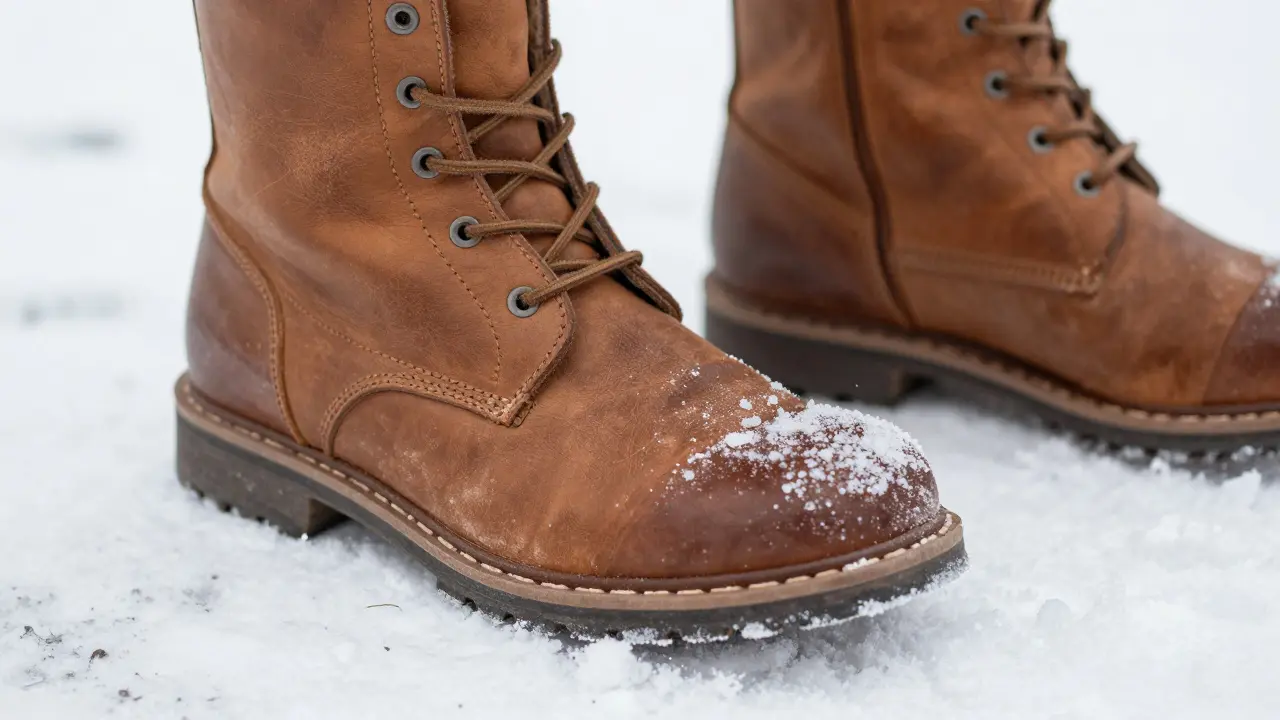
There is nothing worse than looking down at your favorite pair of leather boots in late February and seeing white, crusty patches where the road salt has eaten away the finish. It happens every year. You walk through slush, the salt sticks, it dries, and suddenly your $200 investment looks like it survived a chemical spill. But here is the good news: salt damage is rarely permanent if you catch it early and treat it correctly.
Most people make the mistake of ignoring the salt until spring arrives, or they scrub aggressively with harsh chemicals that strip the natural oils from the leather. Both approaches ruin the material faster than the salt itself. The key to keeping your boots looking sharp all season long is a simple routine involving water, mild soap, and conditioning. Let’s break down exactly how to de-salt winter boots without causing further damage.
Why Salt Is the Enemy of Leather
To fix the problem, you first need to understand what is happening. Road salt (sodium chloride) and other de-icing agents are hygroscopic, meaning they attract and hold moisture. When salt crystals sit on leather, they pull the natural oils out of the hide to satisfy their thirst for water. This process causes the leather to dry out, crack, and lose its protective topcoat.
Sodium Chloride is a common road salt used for de-icing that accelerates leather degradation by absorbing moisture and stripping essential oils. Also known as table salt, it is highly corrosive to untreated organic materials.If you leave salt on your boots for more than 24 hours, the corrosion begins to set into the pores of the leather. This is why immediate action matters. You aren't just cleaning dirt; you are neutralizing a chemical reaction that eats away at the structural integrity of your footwear.
The Right Tools for the Job
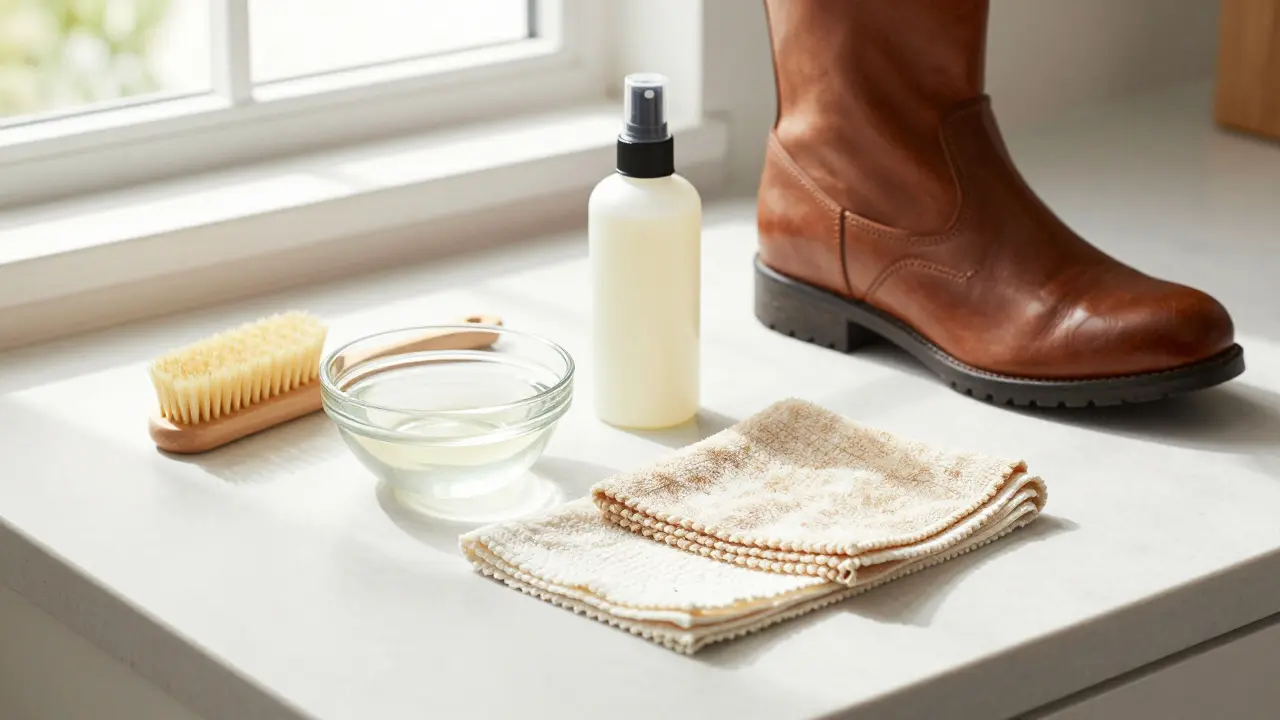
Before you start scrubbing, gather the right supplies. You do not need expensive commercial products, but you do need the right texture and pH balance. Using household cleaners like bleach or ammonia will destroy the leather instantly. Stick to these basics:
- Soft-bristled brush: An old toothbrush works perfectly. Avoid wire brushes or stiff nylon bristles that can scratch the surface.
- Mild saddle soap or leather cleaner: These are formulated to clean without drying out the hide. If you don’t have this, a mixture of warm water and a drop of gentle dish soap (like Castile soap) works in a pinch.
- Microfiber cloths: You need two-one damp for cleaning and one dry for buffing.
- Leather conditioner: Essential for replenishing the oils lost during the cleaning process.
- Cotton balls or swabs: Useful for getting into crevices and stitching areas.
Step-by-Step: How to Remove Salt Stains
This process takes about 15 minutes per pair. Do it after every heavy snowfall or whenever you notice white residue building up.
- Remove loose debris: Use a dry, soft brush to gently sweep off any mud, grit, or large salt crystals. Do this outside to keep your home clean. Be gentle; you want to lift the dirt, not grind it in.
- Create a cleaning solution: Mix equal parts warm water and white vinegar in a small bowl. Vinegar helps neutralize the alkaline nature of some salts and breaks down the crystalline structure. If you prefer, use a dedicated leather cleaner diluted according to the bottle instructions.
- Dampen, don’t soak: Dip your microfiber cloth into the solution and wring it out thoroughly. The cloth should be barely damp. Saturated leather absorbs water, which leads to warping and mold growth inside the boot.
- Gently wipe the affected areas: Wipe the salt-stained areas using circular motions. For stubborn spots, use the soft-bristled brush dipped lightly in the solution. Scrub gently. You should see the white residue lifting onto the cloth.
- Rinse with plain water: Take a second cloth dampened with plain water and wipe away any soap or vinegar residue. Leftover cleaner can attract more dirt later.
- Air dry naturally: Stuff the boots with crumpled newspaper or shoe trees to help them retain their shape and absorb internal moisture. Place them in a well-ventilated room away from direct heat sources like radiators or hairdryers. Heat causes leather to shrink and crack.
Conditioning: The Most Important Step
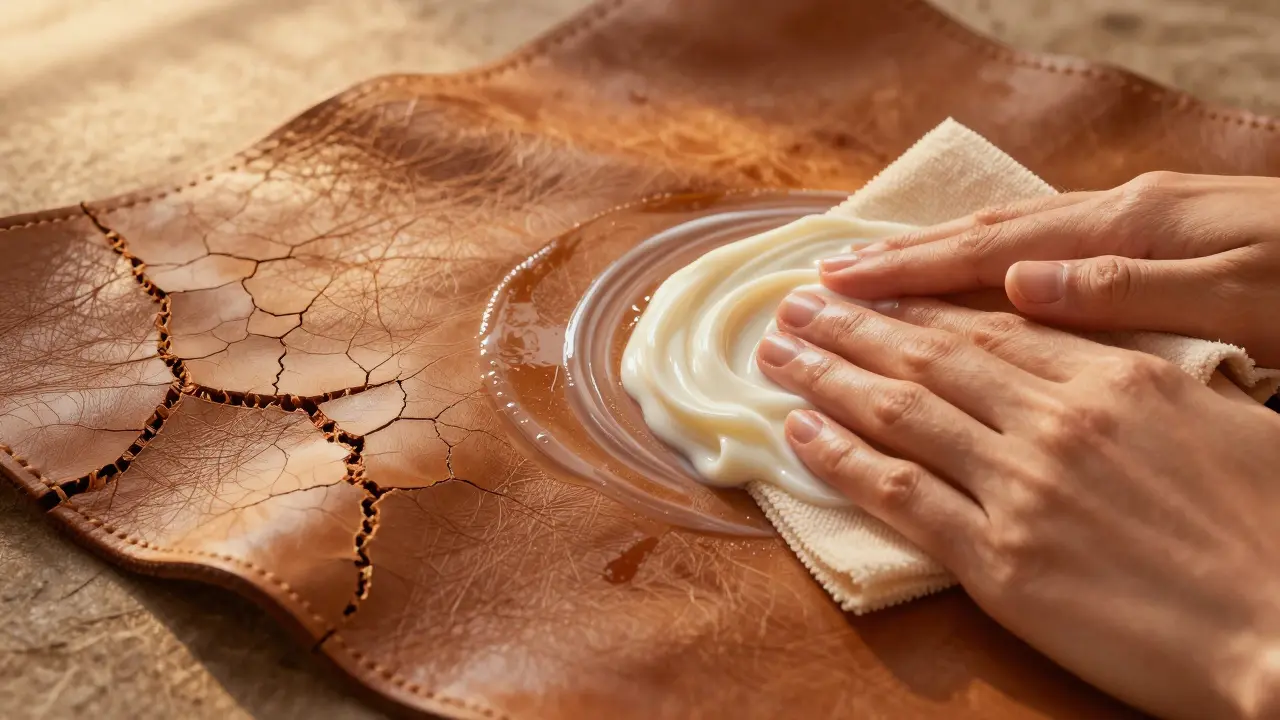
Cleaning removes the salt, but it also removes the leather’s natural lubricants. If you skip conditioning, your boots will look clean today but will likely crack next winter. Conditioning restores flexibility and creates a barrier against future moisture.
Once the boots are completely dry (wait at least 24 hours), apply a high-quality leather conditioner. Use a clean cloth to work a thin layer into the leather using circular motions. Pay extra attention to high-friction areas like the toe box and heel counter. Let the conditioner absorb for 30 minutes, then buff off any excess with a dry cloth.
| Product Type | Best For | Drying Time | Pros | Cons |
|---|---|---|---|---|
| Neatsfoot Oil | Heavy-duty work boots | 4-6 hours | Deep penetration, very durable | Can darken leather significantly, greasy feel |
| Beeswax-based Cream | Daily wear dress boots | 2-4 hours | Water-resistant, adds shine, safe for most leathers | Less effective on heavily cracked leather |
| Synthetic Silicone Spray | Quick touch-ups | 1 hour | Fast application, uniform color | Does not nourish leather, can clog pores over time |
Prevention: Protecting Your Boots Before They Hit the Snow
The best way to deal with salt is to stop it from sticking in the first place. Applying a waterproofing protector before the first snowfall of the season can save you hours of cleaning later.
Look for sprays containing fluoropolymers or silicone-based repellents. These create an invisible shield that causes water and salt solutions to bead up and roll off rather than soaking in. Reapply this protection every 4-6 weeks during peak winter months, especially after you’ve cleaned your boots.
Another pro tip: rotate your boots. Never wear the same pair two days in a row. Leather needs time to breathe and dry out completely between wears. Constant exposure to sweat and external moisture weakens the fibers rapidly.
What Not to Do: Common Mistakes That Ruin Leather
In our eagerness to clean, we often cause more harm than good. Avoid these pitfalls:
- Using hot water: Hot water opens the pores of the leather too much and can cause shrinking. Always use lukewarm or cool water.
- Scrubbing with abrasive pads: Steel wool or scouring pads will permanently scratch the grain of the leather, making it look worn and aged.
- Ignoring the interior: Salt doesn’t just stay on the outside. It seeps through seams and soles. Wipe the inside lining with a damp cloth occasionally to prevent odor and bacterial growth.
- Storing wet boots: Never put boots away in a closet while they are still damp. This leads to mold, mildew, and unpleasant smells. Ensure they are bone-dry before storage.
When to Seek Professional Help
Sometimes, DIY methods aren’t enough. If your boots have deep cracks, significant discoloration, or if the salt has caused the leather to become brittle and flaky, it’s time to call a professional cobbler. They have access to industrial-grade cleaners and dyes that can restore even severely damaged leather. Attempting to fix severe damage at home often results in patchy finishes and further deterioration.
Investing in professional cleaning once a year can extend the life of high-end boots by several seasons. Think of it as insurance for your wardrobe staples.
Can I use vinegar to clean salt stains off leather?
Yes, a mixture of equal parts white vinegar and water is effective for breaking down salt crystals. However, always test it on a small, inconspicuous area first, as vinegar is acidic and may affect certain dyes. Rinse thoroughly with water afterward to remove any acid residue.
How often should I condition my winter boots?
During the winter season, condition your boots every 4-6 weeks, or immediately after deep cleaning. In warmer months, conditioning every 3-4 months is usually sufficient unless the boots are exposed to harsh conditions.
Is it okay to use a hairdryer to speed up drying?
No, never use a hairdryer, radiator, or direct sunlight to dry leather boots. Rapid heating causes the leather to shrink, warp, and crack. Always allow boots to air dry at room temperature with newspaper stuffed inside to maintain shape.
What is the best product to prevent salt damage?
Waterproofing sprays containing fluoropolymers or silicone are the most effective. Brands like Nikwax, Saphir, or Collonil offer reliable options. Apply these sprays before the first snowfall and reapply monthly for maximum protection.
Can salt damage suede boots?
Yes, salt is particularly damaging to suede because it leaves visible white marks that are harder to remove. For suede, use a specialized suede eraser and brush instead of water-based cleaners. Always treat suede with a waterproofing spray designed specifically for napped leathers.