

The Secret Map of Social Media Scouts
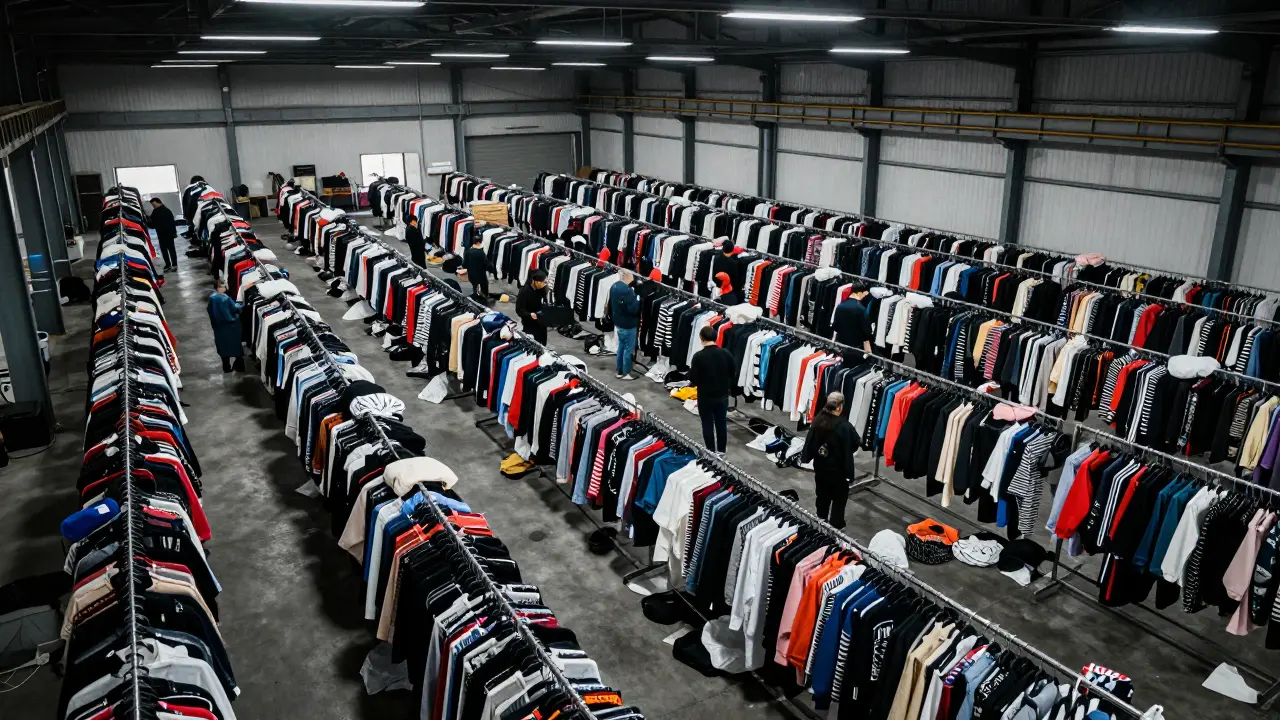
Most people follow the big brands, but the real gold is found by following the 'deal hunters.' These are individuals or small groups who spend their days tracking shipment manifests and chatting with warehouse managers. They don't sell the clothes; they sell the information. When a luxury label decides to clear out five years of archives in a rented space in New Jersey or East London, these scouts are the first to know.
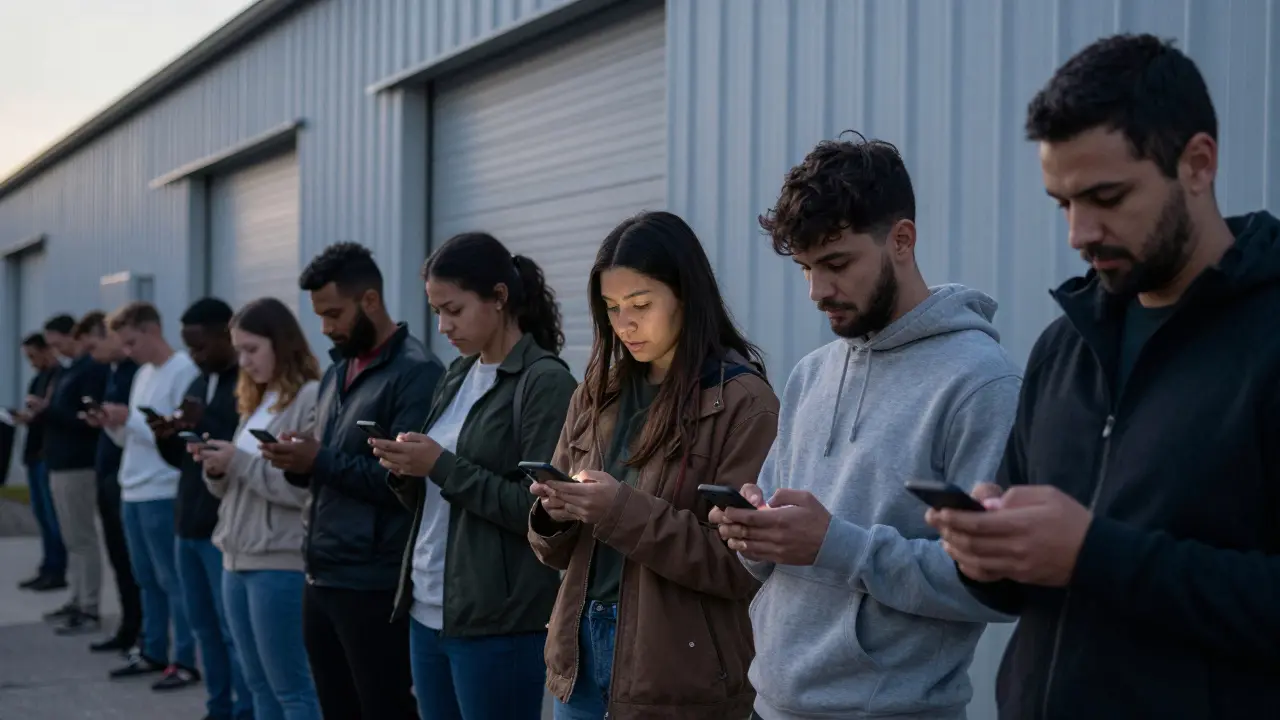
Look for accounts that focus on 'Sample Sales' or 'Archive Sales.' If an account has a high following but barely posts photos of their own outfits, and instead posts grainy photos of price tags and warehouse aisles, you've found a goldmine. These accounts often use specific hashtags like #SampleSale or #ArchiveSale to categorize their finds. The key is to turn on 'Post Notifications' for these specific profiles. A warehouse sale might only last 48 hours, and the 90% off racks are usually stripped bare within the first two hours of opening.
Where to Find the Best Alert Channels
While Instagram is great for visual proof, Telegram is a cloud-based instant messaging service often used for high-speed deal alerts due to its broadcast channel capabilities is where the real-time action happens. Many professional shoppers have created private channels where they drop GPS coordinates and entry requirements for unlisted sales. Why Telegram? Because it doesn't throttle reach the way Instagram's algorithm does. You get the notification the second the scout hits 'send.'
TikTok has also become a powerhouse for budget fashion. Search for 'Warehouse Hauls' and look at who the creators are tagging. Often, they'll mention a specific 'deal account' in their captions. These creators provide a visual benchmark of what the warehouse actually looks like-whether it's a clean showroom or a chaotic mountain of clothes-which helps you decide if the trip is worth the gas money.
| Platform | Speed of Alert | Reliability | Best For |
|---|---|---|---|
| Medium | High (Visual Proof) | Seeing item quality | |
| Telegram | Instant | Variable | Secret locations & timing |
| TikTok | Slow | High (Experience) | Evaluating the 'vibe' of the sale |
| Email Lists | Medium | Very High | Official brand events |

Decoding the Language of Deal Hunters
If you want to play this game, you need to understand the lingo. When a scout posts about a 'Sample Sale,' they aren't talking about a regular discount. Sample Sales are events where prototypes or fit-models used during the design process are sold to the public . These items are often one-of-a-kind and may have tiny imperfections, which is why they're so cheap. If you see 'Archive Sale,' it means the brand is clearing out styles from years ago-perfect for those into vintage or timeless pieces.
Keep an eye out for phrases like 'Door-busters' or 'First hour only.' In the world of warehouse hunting, the first 60 minutes are where 80% of the value is found. If an alert says 'Doors open at 8 AM,' you should be in line by 6 AM. It sounds extreme, but it's the only way to avoid the 'picked-over' feeling of a sale that's been running for five hours.
Avoiding the Common Warehouse Traps
Not every 'secret deal' account is telling the truth. Some accounts are actually affiliated with promoters who get paid to drive traffic to sales that aren't actually that great. To avoid this, cross-reference alerts. If three different independent scouts are all flagging a specific warehouse event in the same city, it's likely a legit goldmine. If only one account is screaming about a '99% off' sale with no photos of the actual venue, be skeptical.
Another pitfall is the 'fake' warehouse sale, which is essentially just a pop-up shop with a few discounted items and a lot of full-price stock. Real warehouse sales usually have a distinct lack of fancy lighting and a lot of clothing racks packed tightly together. If the place looks too much like a boutique, the discounts are probably surface-level.
The Pro Strategy for Maximum Savings
To actually make a profit-or at least a massive saving-you need a system. Don't just wander. Before you go, make a list of the brands the account has flagged. Check the current retail prices of those brands on their official websites so you know exactly what a 'good deal' looks like. If you see a jacket for $40 and you don't know if that's a steal or a rip-off, you're shopping blindly.
Bring cash. Many of these industrial-zone sales have spotty Wi-Fi or outdated payment systems. While most now take cards, having a stash of bills ensures you don't lose an item because the card reader is acting up. Also, dress in layers. These warehouses are often not climate-controlled; you'll be sweating while digging through piles of wool coats in July or shivering in a t-shirt in January.
Are these warehouse sales legal?
Yes, they are completely legal. Brands use these sales to clear out physical space in their distribution centers. The 'secret' nature is usually just a way to manage crowds or avoid the cost of mass marketing.
Do I need an invite for secret sales?
Some high-end luxury sales require a QR code or an email invite. This is where following the right alert accounts is crucial, as they often share tips on how to get on the guest list or where to find leaked invite codes.
What is the difference between a warehouse sale and an outlet?
Outlets are permanent stores designed to look like retail. Warehouse sales are temporary, raw events where items are sold at a much lower margin because the brand isn't paying for a fancy storefront or a full sales staff.
Can I return items bought at a warehouse sale?
Almost never. Warehouse sales are typically 'Final Sale.' This means no returns, no exchanges, and no refunds. Always check for stains or holes before you pay, as you won't be able to take it back later.
Which apps are best for tracking these alerts?
A combination of Instagram (for discovery), Telegram (for instant updates), and a notes app to track the locations and dates of upcoming events is the most effective setup.
What to Do Next
If you're new to this, start by searching for 'Sample Sale' in your city on Instagram and follow the top five accounts that appear. Spend a week just watching their stories to see how they report deals. Once you feel comfortable, join a local fashion Telegram group to get the raw, unfiltered data. Your first trip might be overwhelming, so bring a friend to help you dig through the racks and keep you sane in the chaos.


Write a comment