


You stand in front of your closet, staring at rows of hangers, and mutter the most frustrating phrase in fashion history: "I have nothing to wear." You own fifty shirts. You own thirty pairs of pants. Yet, when you try to put together an outfit for a Tuesday morning meeting or a casual Friday dinner, your brain freezes. The pieces are there, but they don't talk to each other. This isn't a problem with how much you own; it's a problem with wardrobe gaps.
Finding those missing links doesn't mean buying a new wardrobe from scratch. It means auditing what you have, understanding why certain items refuse to mix, and strategically filling the voids that stop your clothes from working together. If you want to double your outfit options without doubling your spending, you need to look at your closet like a system, not just a storage unit.
The Math of Mix-and-Match: Why Your Current Clothes Fail
To understand why you feel stuck, you have to look at the math of dressing. In a perfect world, every top should go with every bottom, and every jacket should work with both. If you have five tops and five bottoms, you should have twenty-five outfit combinations. But if one top is neon pink and all your bottoms are black denim, your real combination count drops to five. That neon shirt is a dead end. It creates a gap because it lacks compatibility with the rest of the system.
This concept is often called the "compatibility ratio." Most people have a low compatibility ratio because they buy items based on trends or impulse rather than function. When you identify wardrobe gaps, you aren't looking for what's cool; you're looking for what connects. A gap exists where two categories of clothing fail to intersect. For example, if you have a lot of flowy dresses but no structured outerwear, you have a gap in versatility. You can't take those dresses into cooler weather or professional settings without adding a piece that bridges the style divide.
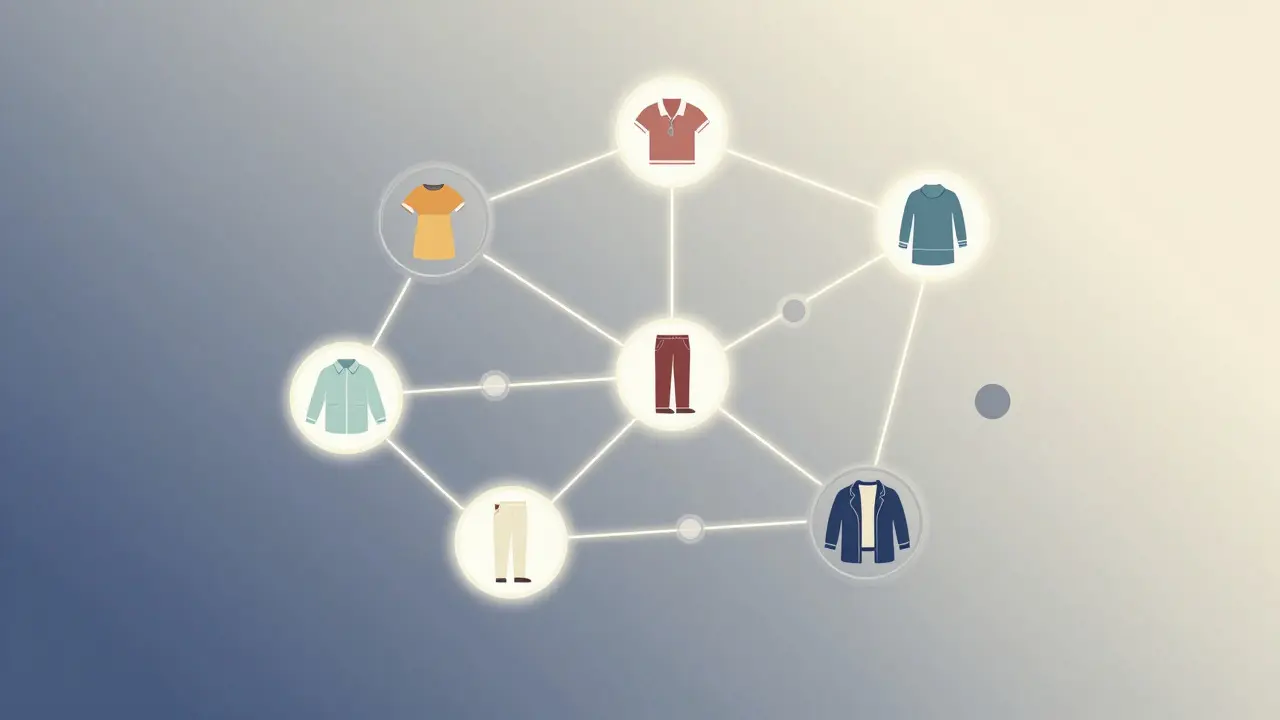
Think of your wardrobe as a graph network. Each item is a node. The lines connecting them are the outfits you can create. If many nodes are isolated, your network is weak. Identifying gaps means finding the nodes that could connect multiple clusters-like a neutral blazer that works with jeans, trousers, and skirts simultaneously.
Step-by-Step: How to Audit Your Closet for Missing Links
You can't fix what you haven't measured. Before you buy a single button-down or pair of loafers, you need to perform a ruthless inventory. Here is how to do it effectively:
- Pull everything out. Yes, all of it. Lay it on your bed or floor. Seeing the volume helps you realize how much space you actually use versus how much clutter you hold onto.
- Categorize by type, not color. Group all tops together, all bottoms together, shoes together, and outerwear together. This makes it easier to see imbalances. Do you have forty t-shirts but only three pairs of pants? That’s a structural imbalance.
- Test the "Three-Way Rule." Pick one item (say, a white blouse). Can you pair it with at least three different bottoms? Can you add at least three different accessories or layers to it? If the answer is no, that item might be part of the problem, or it highlights a gap in your other categories.
- Identify the "Orphans." These are items that have no partners. A bright patterned skirt that matches nothing in your top drawer is an orphan. Note these down. They reveal exactly what colors or styles are missing from your core collection.
- Check for Seasonal Bridges. Look at your transition pieces. Do you have lightweight layers for spring and autumn? Many wardrobes have a huge gap between summer shorts and winter coats, leaving you unprepared for the mild, unpredictable months.
During this process, be honest about fit and condition. A garment that fits poorly acts like a gap itself because you never wear it, reducing your total usable inventory. Repair or tailor items before discarding them, as a well-fitting basic can unlock dozens of new combinations.
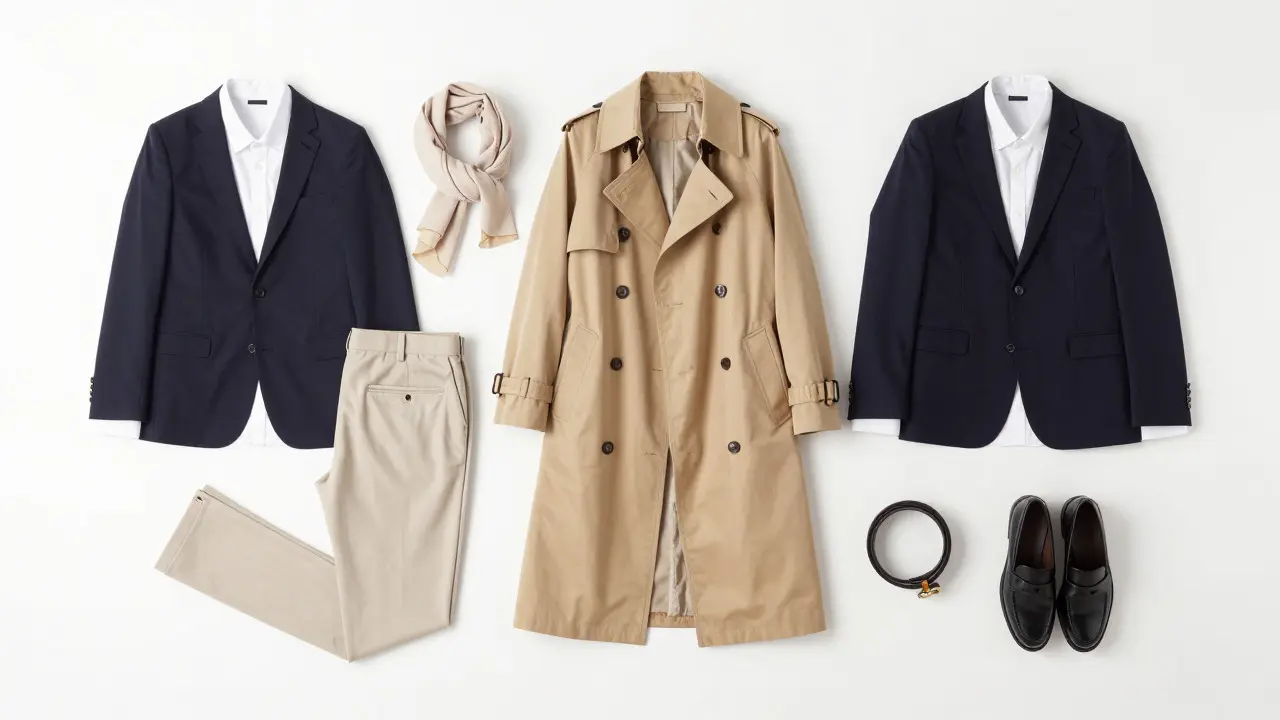
The Core Gap Categories: What You're Likely Missing
Most wardrobe issues fall into specific patterns. Recognizing which category your closet falls into will tell you exactly what to buy next.
| Gap Type | Symptom | Missing Piece Example |
|---|---|---|
| Color Disconnect | Your clothes are too trendy or colorful to mix. | Neutral basics (black, navy, beige) to anchor bold pieces. |
| Formality Mismatch | You can dress up or dress down, but not smart-casual. | A tailored blazer or dark wash straight-leg jeans. |
| Layering Void | Outfits look flat or one-dimensional. | Cardigans, trench coats, or lightweight sweaters. |
| Shoe Style Silo | Your shoes only match half your clothes. | Loafers or ankle boots that bridge casual and formal. |
| Accessory Absence | Outfits feel unfinished or boring. | Belts, scarves, or statement jewelry to personalize looks. |
If you find yourself wearing the same three outfits repeatedly, check the "Formality Mismatch" row. This is the most common gap in modern workplaces. People often have business suits for important meetings and sweatpants for weekends, but lack the "in-between" pieces that make daily life comfortable yet polished. Adding a few versatile mid-tier items solves this instantly.
Building Versatility: The Power of Neutral Anchors
Once you've identified the gaps, the solution usually involves adding "anchor" pieces. These are items designed specifically to increase connectivity. A classic example is a camel-colored trench coat. It goes over a little black dress, a t-shirt and jeans combo, and a silk blouse with trousers. One purchase, three distinct outfit families unlocked.
Focus on neutrals that match your skin tone and existing palette. If your closet is mostly cool tones (blues, grays, blacks), introducing warm tones (beiges, creams, browns) might create more gaps unless you choose transitional shades like olive green or navy blue. Navy is particularly powerful because it acts as a neutral but adds depth compared to black. It pairs effortlessly with pastels, earth tones, and even bright primaries.
Don't overlook the importance of texture. Even if two items are the same color, different textures create visual interest and allow for mixing. A wool sweater with a satin skirt works because the materials contrast. If all your clothes are cotton, your wardrobe may feel monotonous even if the colors match. Adding one piece in leather, silk, or knit can refresh multiple existing outfits without changing the color scheme.
Avoiding the Trap: Buying vs. Borrowing Ideas
It's tempting to think identifying a gap means running to the mall. However, before you spend money, consider the "borrowing" method. Look at friends' closets or online style communities for inspiration. Sometimes the gap isn't a missing item, but a missing styling technique. Maybe you need to learn how to tie a scarf differently or cuff your pants to change the silhouette. Styling skills can fill gaps that shopping cannot.
Also, beware of the "trend trap." Fast fashion brands love to sell you solutions to problems you didn't know you had. If you buy a trendy item to fill a perceived gap, you risk creating a new gap six months later when the trend fades. Stick to timeless silhouettes and quality fabrics. A well-made white button-down shirt has been a staple for decades because it works with everything. A cropped, asymmetrical top might look great today but leave you stranded tomorrow.
Maintaining Balance: The Ongoing Process
Wardrobe editing isn't a one-time event. As your lifestyle changes, so do your needs. Moving from a corporate job to freelance work? Your gap shifts from formal wear to comfortable, camera-ready casuals. Having a baby? You'll need easy-access pockets and stain-resistant fabrics. Regularly revisit your audit every season. Remove items that no longer serve you, and replace them with pieces that address current lifestyle gaps.
Remember, the goal isn't to have the most clothes. It's to have the most useful clothes. By focusing on connections rather than individual items, you transform your closet from a source of stress into a reliable toolkit for self-expression. Start small. Fix one gap at a time. Watch your outfit options multiply.
What is the first step in identifying wardrobe gaps?
The first step is a complete closet audit. Pull all your clothes out and categorize them by type (tops, bottoms, shoes, etc.). Then, test each item against others to see if it creates at least three viable outfit combinations. Items that fail this test highlight gaps in your color palette, style, or formality level.
How do I know if I need more neutrals or more statement pieces?
If you struggle to mix and match your current items, you likely need more neutrals. Neutrals act as anchors that allow bolder pieces to shine. If you already have plenty of basics but feel bored, you might need statement pieces like colorful accessories or unique textures to add personality to your neutral base.
Can I fix wardrobe gaps without buying new clothes?
Yes. Often, gaps are caused by poor styling techniques rather than missing items. Learning to layer, accessorize, or alter existing garments can unlock new combinations. Additionally, swapping items with friends or borrowing from family can temporarily fill gaps while you plan strategic purchases.
What are the most common wardrobe gaps for professionals?
Professionals often lack "smart-casual" bridge pieces. They may have formal suits for meetings and casual wear for weekends, but nothing for business-casual days. Common missing items include tailored blazers, dark wash jeans, loafers, and high-quality knitwear that can transition between office and after-work settings.
How often should I audit my wardrobe?
Aim to audit your wardrobe at least twice a year, typically at the start of spring and fall. This aligns with seasonal changes and allows you to adjust for shifting lifestyle needs, such as career changes or travel plans. Regular audits prevent clutter buildup and ensure your clothes remain functional and stylish.