

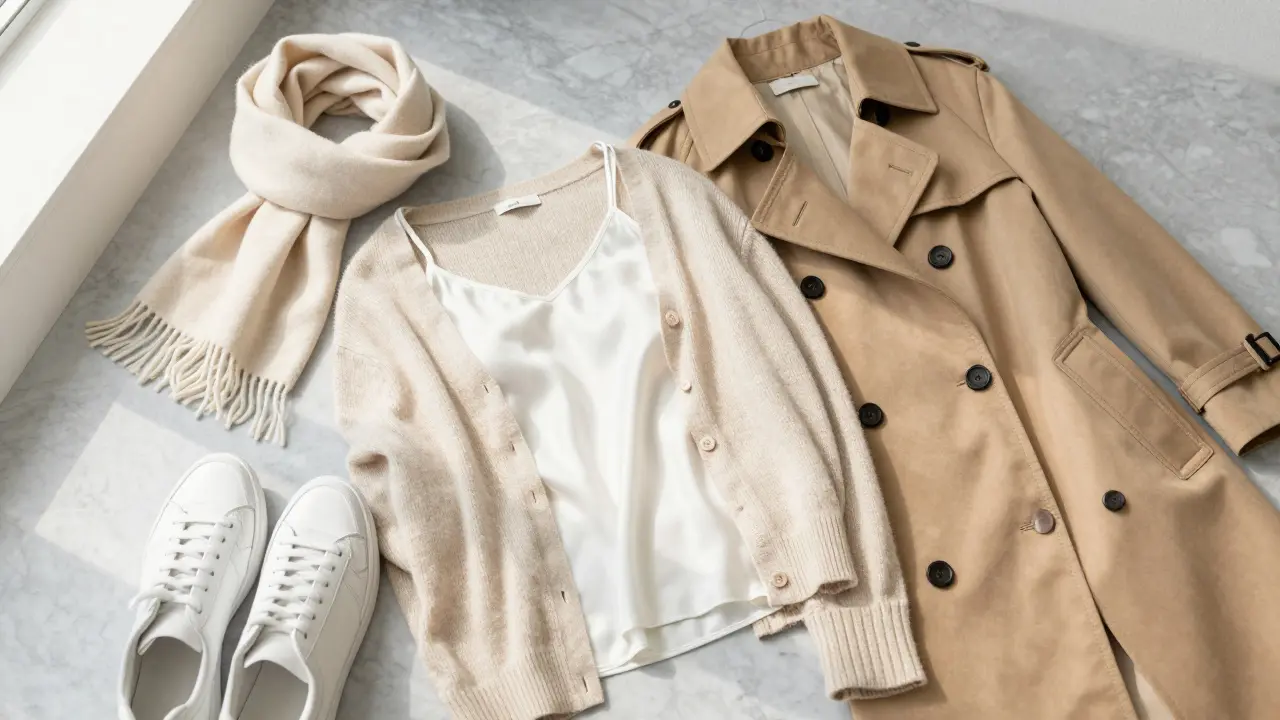
The secret to surviving these shifts is transitional season dressing. This isn't about buying a whole new wardrobe every six months. It's about building a system of pieces that can be added or removed as the temperature swings. If you're in a city like New York, you know the struggle: a crisp morning that requires a scarf and a sunny afternoon that demands sandals. To get through this without a wardrobe meltdown, you need to shift your focus from "outfits" to "layers."
The Golden Rule of Layering
Most people layer by just putting a big coat over a t-shirt. That's a mistake. Real layering is about managing heat. You want thin, breathable fabrics close to your skin and heavier, insulating fabrics on the outside. Think of it like an onion; you want to be able to peel layers away without ruining the look of the ensemble.
Start with a base layer. A simple cotton tee or a silk camisole works best. These materials wick moisture and keep you comfortable when the sun finally hits. Next comes the mid-layer, which is where the magic happens. This is your Cardigan is a knitted garment that resembles a sweater but opens at the front or a light blazer. Finally, the outer layer-a trench coat or a denim jacket-protects you from the wind and light rain.
| Fabric | Best Use | Warmth Level | Breathability |
|---|---|---|---|
| Merino Wool | Base or Mid-layer | High | Excellent |
| Denim | Outer layer | Medium | Low |
| Silk/Satin | Base layer | Low | High |
| Trench/Gabardine | Rainy Outerwear | Medium | Medium |
Spring Transition: Moving from Frost to Flowers
Spring is the most deceptive season. You see a flower blooming and think it's time for a dress, but the wind still has a winter bite. The key here is mixing "heavy" textures with "light" colors. Imagine pairing a chunky cream sweater with a flowy midi skirt. You get the warmth of the wool but the visual lightness of spring.
One of the best tools for this period is the Trench Coat is a waterproof long coat with a belt, originally designed for military use in the trenches of WWI. It's a classic for a reason. It blocks the wind, handles a light drizzle, and looks polished over anything from a hoodie to a cocktail dress. If you're feeling too warm, just drape it over your shoulders. If the temperature drops, belt it tight to trap your body heat.
Don't forget the footwear. This is the time to move away from heavy snow boots but stay away from open-toe sandals. Loafers or clean white sneakers are the perfect middle ground. They keep your feet protected from puddles while signaling that winter is officially over.
Fall Transition: Preparing for the Chill
Fall is the opposite of spring. You're moving from extreme heat into a steady decline in temperature. The strategy here is to introduce heavier fabrics slowly. Instead of jumping straight into a wool coat, start with Leather Jackets are outerwear garments made from animal hide or synthetic alternatives that provide excellent wind protection. Leather is fantastic because it's an effective windbreaker but doesn't trap as much heat as a puffer jacket.
Texture plays a huge role in fall. This is when you bring out the corduroy, suede, and heavier knits. A great fall outfit trick is the "sandwich method." Pair a heavy boot on the bottom and a structured jacket on top, with a lightweight t-shirt or button-down in the middle. This keeps the look balanced and allows you to shed the jacket the moment you step into a heated office or coffee shop.
Colors should shift from the pastels of spring to deeper earth tones. Think olive greens, burnt oranges, and deep browns. These colors not only look seasonal but also tend to hide the grime of autumn rain better than white or beige.
Building a Transitional Capsule Wardrobe
You don't need a massive closet to handle unpredictable weather; you just need a Capsule Wardrobe is a curated collection of a few essential garments that don't go out of style and can be arranged in various combinations. The goal is versatility. Every piece you own should work with at least three other pieces in your collection.
For a successful transitional kit, focus on these essentials:
- The White Button-Down: Works as a base layer under a sweater or as a light top on its own.
- Mid-Wash Jeans: A timeless staple that works in both seasons.
- The Blazer: Gives you instant structure and a bit of warmth without the bulk of a coat.
- Ankle Boots: The gold standard for transitional footwear.
- A Lightweight Scarf: The most portable way to adjust your temperature.
When picking these pieces, look for "seasonless" colors like navy, grey, black, and camel. When your color palette is neutral, you can mix and match without thinking too hard about whether the colors "clash." It makes getting dressed at 7 AM on a rainy Tuesday much faster.
Common Mistakes to Avoid
One of the biggest errors people make is wearing a single heavy layer. If you wear one giant sweater and it gets warm, you're stuck. You can't exactly take off your sweater in the middle of the subway without feeling exposed. Always opt for two thin layers over one thick one.
Another pitfall is ignoring the fabric composition. Avoid 100% polyester if you can. Polyester doesn't breathe, which means if you get warm, you'll sweat, and then when you step back into the cold, that sweat will chill you. Look for blends-like cotton and wool or linen and silk-that offer both warmth and breathability.
Lastly, don't neglect your accessories. A light cashmere scarf can be the difference between shivering and feeling cozy. Similarly, a pair of leather gloves that aren't too bulky can keep your hands warm without making you feel like you're heading to the Arctic.
What are the best shoes for spring and fall?
Loafers, ankle boots, and leather sneakers are the most versatile. They provide enough protection from wind and light rain while remaining breathable enough for warmer afternoons. Avoid flip-flops or heavy snow boots during these transitions.
How do I layer without looking bulky?
Focus on the fit of your base layers. Wear slim-fitting tees or bodysuits close to the skin. This prevents bunching when you add a cardigan or blazer on top. Also, try a "half-tuck" with your shirts to define your waistline, which prevents the layers from swallowing your silhouette.
Which fabrics are best for unpredictable weather?
Merino wool is a top choice because it regulates temperature and resists odors. Cotton is great for breathability, while gabardine (found in trench coats) is excellent for water resistance. Avoid heavy synthetics like acrylic if you plan on moving between cold outdoors and warm indoors.
Is a blazer too formal for a casual spring look?
Not at all. Pairing an oversized blazer with a graphic tee and straight-leg jeans is a classic transitional look. It provides the necessary warmth for a breeze but keeps the vibe relaxed and modern.
How often should I change my transitional wardrobe?
If you invest in a capsule wardrobe with neutral colors and high-quality fabrics, you don't need to change it often. Focus on timeless pieces that can be mixed and matched across both spring and fall for years to come.
Next Steps for Your Wardrobe
If you're feeling overwhelmed, start by auditing your closet. Pull out everything you'd consider a "middle" layer-blazers, cardigans, light jackets. See which ones match your most common pants. If you find a gap, like having five heavy coats but no light jackets, that's your priority for your next shopping trip.
For those in humid climates, focus more on the "breathable" side of the fabric guide. If you live in a place with extreme temperature swings, invest in high-quality Merino wool; it's the only fabric that truly works in both a 40-degree morning and a 70-degree afternoon.


Write a comment