

There is nothing more frustrating than waiting three days for a package, only to open it and find a shirt that looks like a tent or pants that cut off your circulation. We have all been there. The rise of remote styling is a service where professional stylists curate outfits for clients without meeting in person has made getting dressed easier, but it has also introduced a new problem: the gap between how clothes look on a model and how they fit you. Without a tailor nearby to adjust seams, your measurements are the only data point your stylist or algorithm has to work with.
If you want to stop returning half your online orders, you need to treat measuring yourself like a science experiment, not a guess. This guide breaks down exactly how to get accurate stats at home so your remote stylist can build a wardrobe that actually fits.
The Non-Negotiable Toolkit
You do not need expensive gear to get precise numbers. In fact, high-tech scanners often fail because they cannot account for posture or fabric tension. You just need two things:
- A flexible measuring tape: Get one made of fiberglass or cloth. Steel tapes bend too easily, leading to curved, inaccurate lines. A standard 60-inch tape measure is perfect. Avoid using kitchen string; it stretches, and once it stretches, your data is garbage.
- A full-length mirror: You need to see what you are doing. Trying to wrap a tape around your own back while looking away from the mirror leads to crooked measurements. If you don't have a full-length mirror, take photos of yourself from the front, side, and back with your phone propped up against a wall.
Wear thin, form-fitting clothing or undergarments when measuring. Baggy sweaters add bulk that doesn't exist when you wear a fitted button-down. Bare skin is best if you are comfortable with it, as it gives the truest baseline for your body's dimensions.
Mastering the Core Measurements
Most online retailers and remote styling platforms require specific metrics. Here is how to capture them accurately without a second pair of hands.
Chest and Bust
For the chest, stand naturally with arms at your sides. Wrap the tape across your shoulder blades and over the fullest part of your bust or chest. Keep the tape parallel to the floor. Do not suck in your stomach or puff out your chest. Breathe normally. If you are measuring for men’s shirts, this number determines the collar size and overall torso volume. For women’s tops, this is the primary driver for fit.
Pro Tip: Check the tape in the mirror. It should be level all the way around. If it dips in the back, you are pulling it too tight across the shoulders.
Waist
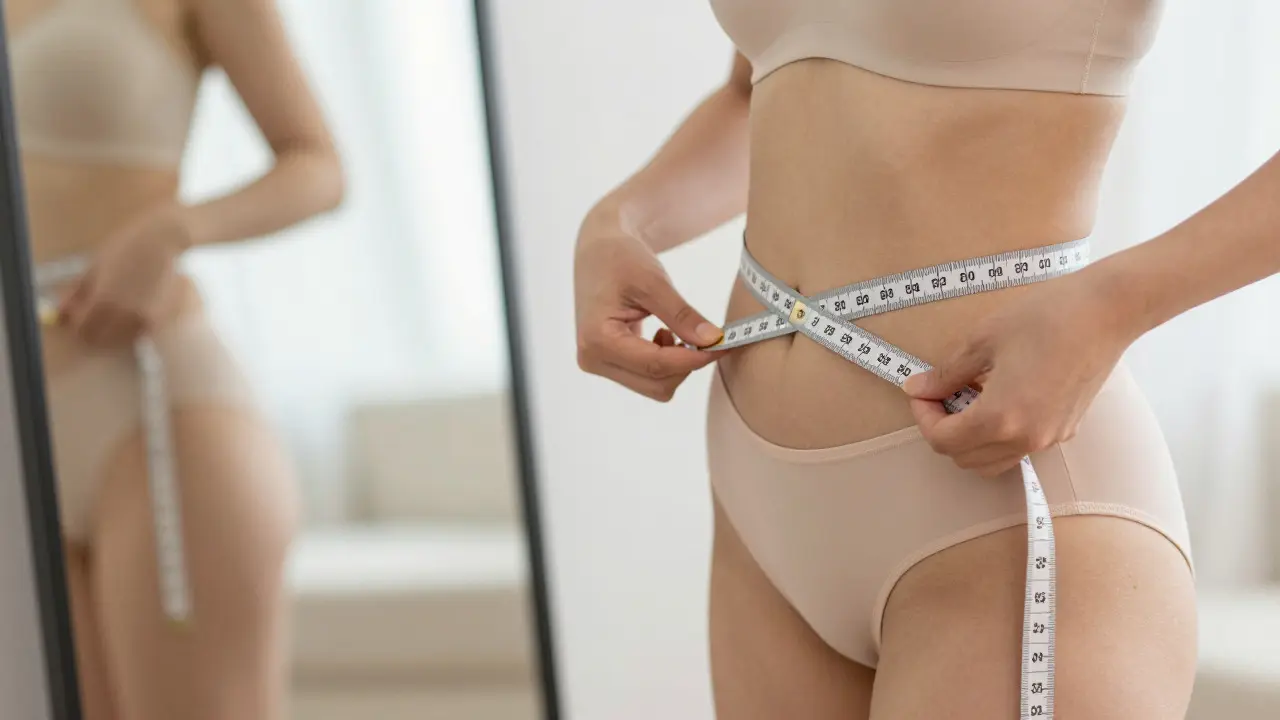
This is where most people mess up. Your natural waist is not where your jeans sit. It is the narrowest part of your torso, usually located above your belly button and below your rib cage. To find it, bend to the side. The crease that forms is your natural waistline.
Wrap the tape snugly around this point. You should be able to slip one finger underneath comfortably. If you are ordering trousers, you might also need your "hip waist" (where the pants will actually sit), which is typically 1-2 inches lower than the natural waist. Always provide both if possible.
Hips
Stand with your feet together. Wrap the tape around the fullest part of your hips and buttocks. This is usually about 7-9 inches below your natural waist. Ensure the tape is parallel to the floor. This measurement is critical for skirts, dresses, and slim-fit trousers. If the hip measurement is off by even an inch, the garment may pull across the seat or hang loosely, ruining the silhouette.
Inseam and Outseam
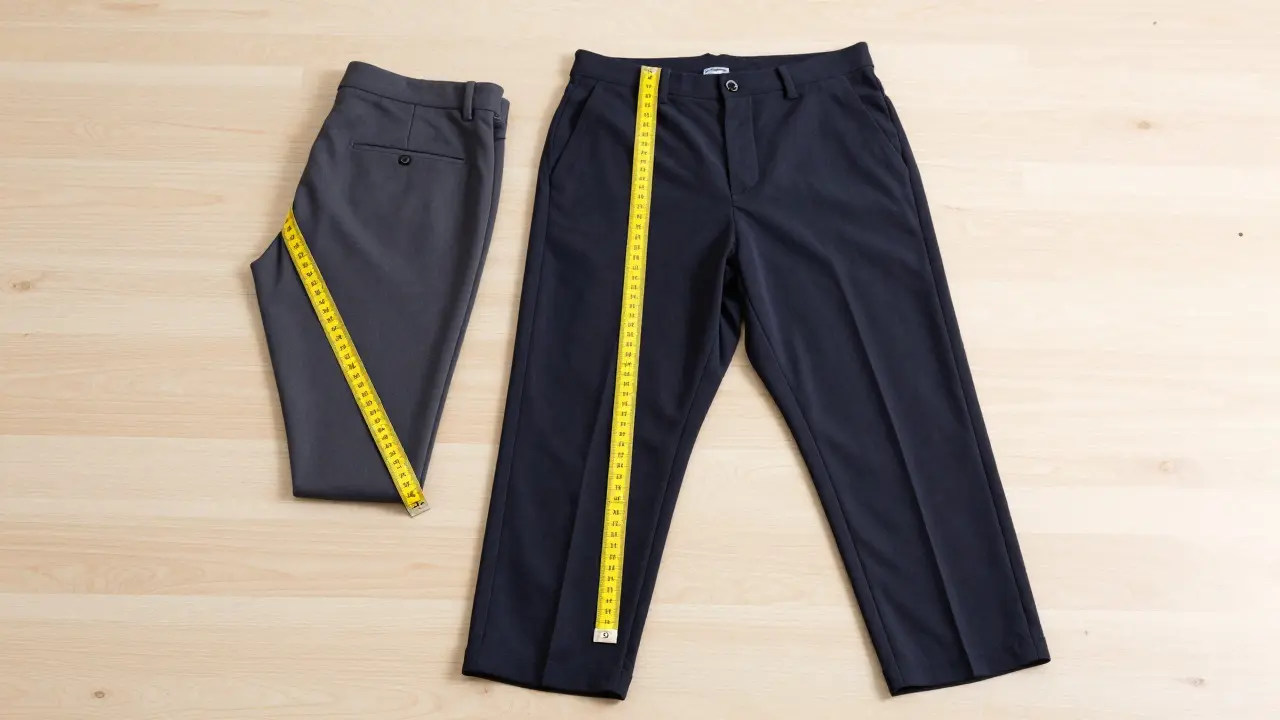
Leg length is tricky to self-measure. The easiest method is to take a pair of pants that fit you perfectly. Lay them flat on a table. Smooth out any wrinkles. Measure from the top of the crotch seam straight down to the bottom of the leg opening. This is your inseam.
For the outseam, measure from the very top of the waistband down to the hem. This helps stylists determine the total length of the garment, which affects how it breaks over your shoes.
Shoulder Width and Sleeve Length
Shirts and jackets are unforgiving when the shoulders are wrong. If the shoulder seam drops past the edge of your actual shoulder, the whole garment looks sloppy. If it sits too far in, it restricts movement.
To measure shoulder width, start at the bony tip of one shoulder (the acromion) and run the tape across your upper back to the same point on the other shoulder. Keep the tape taut but not digging into your skin. This number tells your stylist whether you need a regular, slim, or relaxed cut in structured garments.
For sleeve length, bend your arm slightly at the elbow. Start at the shoulder tip and measure down to your wrist bone. This ensures that when you move, the sleeve doesn't ride up too short.
Negotiating Fit Preferences
Numbers alone don't tell the whole story. A 34-inch waist means something different depending on whether you want a tailored look or a loose streetwear vibe. When working with a remote stylist, you must communicate your fit preference clearly.
| Fit Type | Description | Best For |
|---|---|---|
| Slim/Tailored | Fabric follows the body's contours closely. Minimal excess material. | Formal events, office settings, creating a sharp silhouette. |
| Regular/Classic | Comfortable room through the chest and waist. Standard industry cut. | Everyday wear, versatility, comfort-focused lifestyles. |
| Relaxed/Oversized | Extra ease in all areas. Fabric hangs away from the body. | Casual weekends, layering, hiding specific body concerns. |
Tell your stylist if you prefer your trousers to break once on the shoe or hover above it. Mention if you like collars that stand up or lay flat. These nuances matter more than raw inches.
Common Pitfalls to Avoid
Even with the right tools, human error creeps in. Here are the most common mistakes I see clients make:
- Pulling the tape too tight: The tape should sit flush against your skin, not indent it. If you leave red marks, you measured too tight. This leads to ordering sizes that are too small.
- Slouching: Stand tall with good posture. Slouching shrinks your torso measurements and makes your legs appear shorter. Good posture gives you the best possible fit foundation.
- Ignoring body asymmetry: Most bodies are not perfectly symmetrical. One leg might be slightly longer, or one shoulder might slope differently. Note these differences for your stylist. They can choose brands that cater to these quirks or suggest alterations.
- Measuring over thick clothes: Measuring over a winter coat or thick hoodie adds inches that don't belong. Strip down to basics.
Using Photos for Context
Remote styling relies heavily on visual context. Send your stylist clear photos of yourself wearing simple, fitted clothing. Include front, side, and back views. Wear neutral colors so the focus is on your shape, not the pattern of your shirt.
These photos help the stylist understand your proportions beyond the numbers. Are you pear-shaped? Do you have broad shoulders? Is your torso long relative to your legs? Visual cues allow the stylist to recommend cuts that balance your silhouette, such as wide-leg pants for those with larger upper bodies or V-necks to elongate the neck.
Updating Your Stats
Your body changes. Weight fluctuations, muscle gain, or even posture shifts can alter your measurements significantly within months. Update your profile every six months or whenever you notice your current clothes fitting differently. Consistent, updated data builds trust with your stylist and reduces return rates over time.
FAQ
How often should I update my body measurements?
You should update your measurements every six months. If you undergo significant weight loss, weight gain, or muscle building, update them immediately. Accurate data ensures your remote stylist selects garments that fit your current physique, reducing returns and frustration.
What should I wear when measuring myself?
Wear thin, form-fitting undergarments or no clothes at all for the most accurate results. Avoid bulky sweaters, thick socks, or heavy coats, as these add artificial bulk to your measurements. The goal is to measure your actual body, not your clothing layers.
How do I measure my inseam without a helper?
The easiest way is to use a pair of pants that fit you well. Lay them flat on a table, smooth out wrinkles, and measure from the crotch seam straight down to the bottom of the leg opening. This provides a reliable inseam length that matches your preferred pant style.
Why is shoulder width important for online shopping?
Shoulder width is critical because it is difficult to alter. If a jacket or shirt is too narrow in the shoulders, it will restrict movement and look tight. If it is too wide, it will droop and look sloppy. Getting this measurement right ensures structured garments hang correctly on your frame.
Should I measure my waist at my navel or higher?
Measure your natural waist, which is the narrowest part of your torso, usually above the navel. However, for trousers, you may also need your "hip waist" where the pants will sit. Providing both measurements helps your stylist choose the correct rise and fit for your bottoms.