

Walking into a department store with a personal stylist is a professional who curates clothing and accessories based on individual body types, lifestyle needs, and budget constraints can feel like stepping onto a stage without knowing your lines. You have the expert, but do you have the script? Many people book these sessions hoping for a magical transformation, only to leave confused or overwhelmed by racks of clothes that don’t quite fit their daily reality. The difference between a wasted afternoon and a life-changing wardrobe overhaul often comes down to what happens before you even step foot in the building.
The secret isn't just trusting the stylist’s eye; it’s about feeding them the right data beforehand. Think of your stylist as a high-end architect. They can build you a beautiful house, but they need to know if you’re hosting dinner parties every night or living alone with two cats. Pre-shopping research turns a vague desire for "better clothes" into a concrete strategy. This guide breaks down how to prepare effectively so your session yields results you’ll actually wear.
Defining Your Wardrobe Gaps Before Booking
Before you pay for a consultation, you need to audit what you already own. Most people skip this step because it feels tedious, but it saves hours of fitting room time later. A stylist cannot solve problems they cannot see. If you show up saying, "I need work clothes," they might pull out twenty blazers. But if you’ve identified that you specifically lack versatile trousers that transition from office to casual Friday, the session becomes targeted.
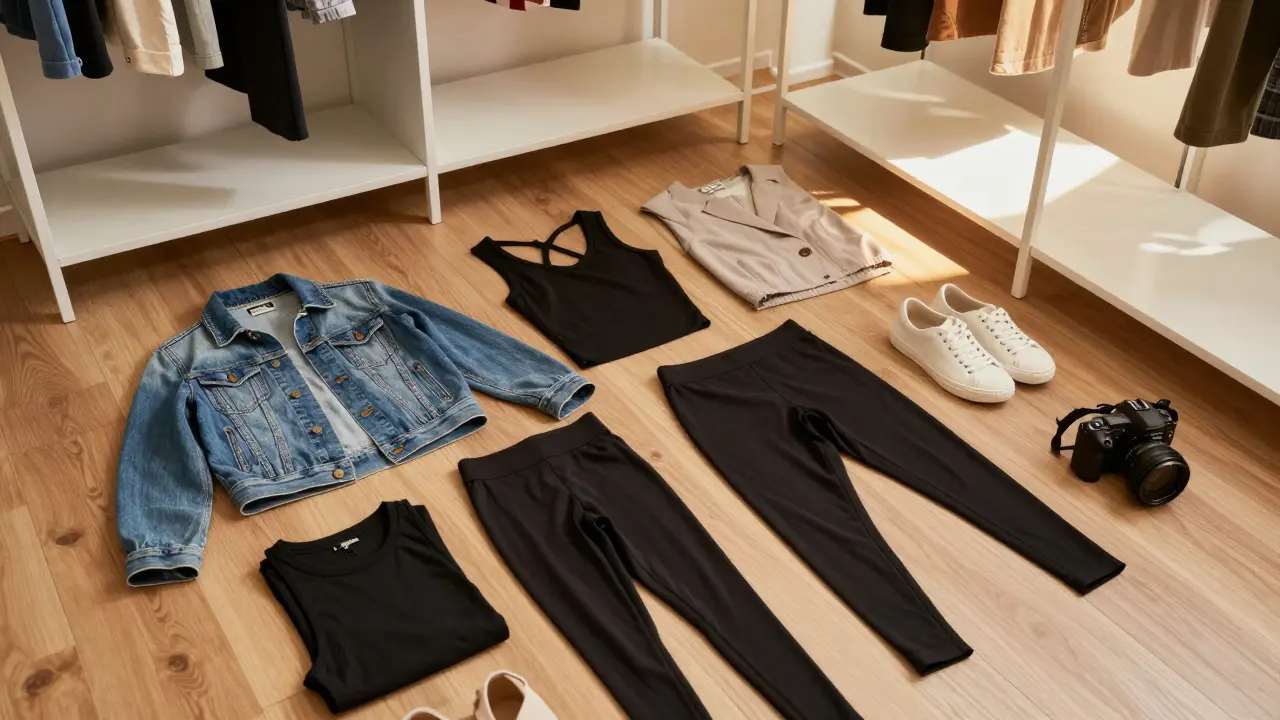
Create a digital inventory of your current closet. Take photos of items you love and items you hate. Look for patterns. Do you notice that everything you dislike is either too tight around the shoulders or falls at an unflattering length? These are physical cues that help your stylist understand your comfort thresholds. For example, if you consistently avoid high-waisted jeans because they dig in, tell your stylist immediately. This isn’t a fashion preference; it’s a functional constraint.
- Identify the "Uniform": What are the three items you reach for most often? (e.g., black leggings, white tee, denim jacket).
- Spot the Black Holes: Which categories are completely empty? (e.g., interview suits, date night dresses, gym gear).
- Note the Fit Issues: Where do clothes typically fail you? (e.g., sleeve length, waistband pressure, neckline exposure).
This audit creates a baseline. It tells the stylist where to start digging. Without it, they are guessing. With it, they are strategizing.
Gathering Visual Inspiration and Context
Words like "chic" or "professional" mean different things to different people. To a stylist, "professional" might mean tailored pencil skirts and silk blouses. To you, it might mean dark wash jeans and structured knitwear. Misalignment here leads to disappointment. Instead of using abstract adjectives, use visual evidence.
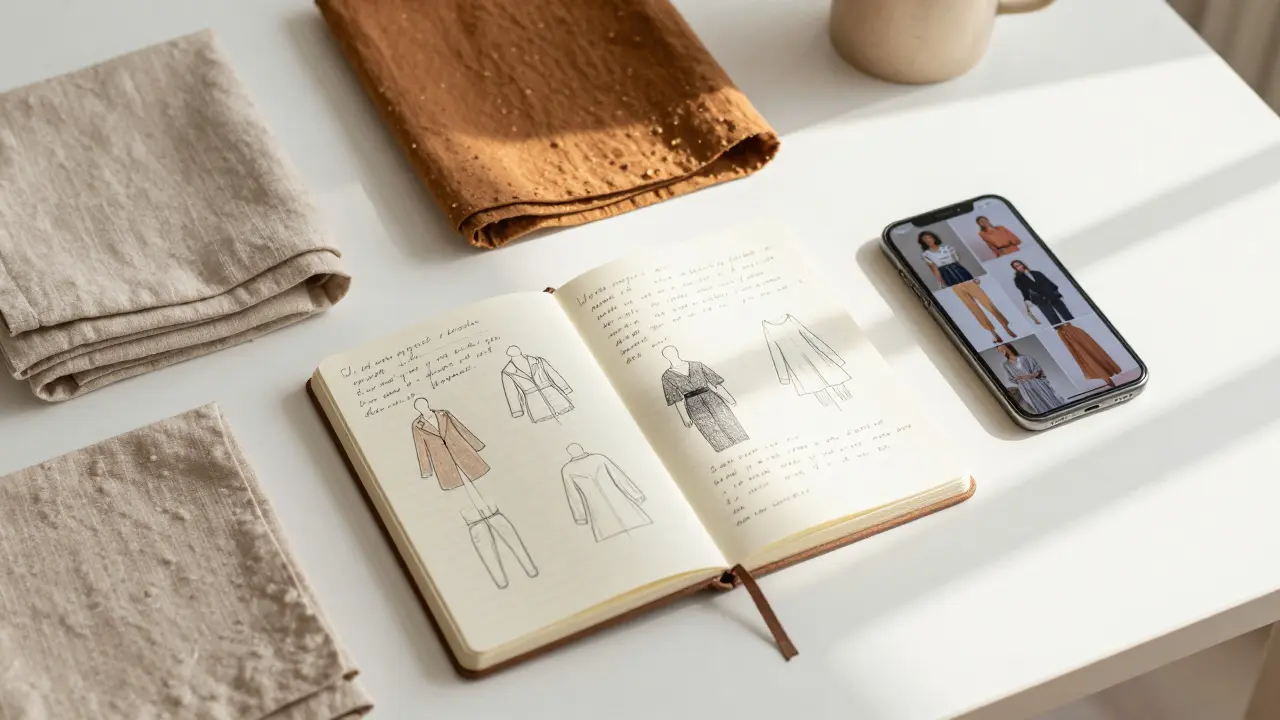
Curate a mood board or a simple folder of images on your phone. Include outfits you admire from social media, movies, or street style photography. Don’t worry about whether those clothes would look good on you yet; focus on the vibe, color palette, and silhouette. If you save five images featuring earth tones and loose linen, your stylist knows you lean toward relaxed, natural aesthetics. If you save sharp monochrome looks with leather accents, they know you prefer structured, urban styles.
Also, consider the context of your life. Are you traveling frequently? Do you work from home three days a week and go into the office two days? Do you have young children who spill juice on everything? These lifestyle factors dictate fabric choices and cut. A dry-clean-only wool suit is a nightmare for a parent of toddlers. A breathable cotton blend is a lifesaver. Share these logistical details openly. Your stylist’s job is to make fashion work for your life, not force your life to accommodate fashion.
Setting Realistic Budgets and Store Preferences
Money talks, and in styling, it dictates the menu. One of the biggest sources of friction in shopping sessions is price mismatch. If your budget is $50 per item and your stylist pulls $300 designer pieces, the session stalls. Be upfront about your total budget for the session and your average price point per garment.
It helps to define tiers. Maybe you want to invest heavily in outerwear and shoes ($150-$300 range) but keep basics affordable ($20-$40 range). Communicate this hierarchy. Additionally, discuss brand preferences and aversions. Some people have strong feelings about specific labels due to past fit experiences or ethical concerns. Knowing that you refuse to shop at certain fast-fashion retailers or that you exclusively buy sustainable brands allows the stylist to navigate the store floor efficiently.
| Category | Typical Investment Range | Stylist Strategy |
|---|---|---|
| Basics (Tees, Socks) | $10 - $30 | Focus on fabric quality and bulk buying options |
| Workwear (Blazers, Pants) | $80 - $200 | Prioritize tailoring potential and versatility |
| Statement Pieces (Dresses, Coats) | $150 - $400+ | Look for unique cuts and long-term durability |
Transparency here builds trust. It also speeds up the process because the stylist won’t waste time showing you items you’d never purchase.
Preparing Physically for the Session
Efficiency isn’t just mental; it’s physical. How you dress to the appointment affects how quickly you can try on clothes. Wear neutral-colored undergarments-black, nude, or white. Bright red lace bras show through sheer fabrics and distract from the fit of the garment itself. Nude underwear prevents visible panty lines, giving you a true sense of how pants sit on your hips.
Wear comfortable, easy-to-remove shoes. You will likely be changing multiple times. Lacing up heavy boots every ten minutes slows down the momentum. Flip-flops or slip-on sneakers are ideal. Bring hair ties if you have long hair; pulling your hair back helps assess necklines and collar fits accurately.
Consider bringing your own hosiery if you plan to test formal wear. The thickness of tights can change how a skirt drapes. Also, bring any essential items you currently own that you want to match against. If you have a favorite pair of heels or a beloved jacket, bring them. Seeing how new pieces interact with existing favorites validates the purchase decision instantly.
During the Session: Communication and Feedback
Once you are in the fitting room, the dynamic shifts from planning to execution. Your role is to provide immediate, honest feedback. Don’t say "maybe" or "it’s okay." Say "this feels restrictive" or "I love this color but hate the shape." Specificity is key.
Ask questions about construction. Why does this shirt fit better than the last one? Is this fabric wrinkle-resistant? Understanding the "why" behind a recommendation empowers you to shop independently later. A good stylist educates while they curate. They should explain why a V-neck elongates your torso or why a belt at the natural waist defines your silhouette.
Don’t be afraid to veto. If a piece makes you feel uncomfortable, put it down. Fashion is subjective. Your comfort and confidence are the ultimate metrics of success. The goal is not to collect expensive clothes; it’s to build a wardrobe that makes you feel capable and authentic.
Post-Session Integration and Follow-Up
The work doesn’t end when you check out. Bring your new purchases home and photograph them together. Create outfit combinations before you remove the tags. This ensures you know exactly how to wear each item. If you bought a bold print skirt, did you also buy a neutral top that matches it? If not, note that gap for your next shopping trip.
Schedule a follow-up review after wearing the new items for a month. Did you wear them? If not, why? Was it too hot? Too complicated to style? This feedback loop refines your understanding of your own style. Over time, you’ll rely less on the stylist and more on the framework they helped you build.
How much should I expect to pay for an in-person stylist shopping session?
Costs vary widely depending on location and experience level. Independent stylists may charge hourly rates ranging from $75 to $150 per hour, plus a markup on clothing purchases. Department stores often offer complimentary styling services if you meet a minimum spending threshold, typically between $200 and $500. Always ask about fee structures upfront to avoid surprises.
What if I don't have a clear idea of my style?
This is common and perfectly fine. Use the pre-shopping research phase to gather broad inspiration rather than specific outfits. Focus on colors and silhouettes you naturally gravitate toward in your current closet. A skilled stylist can interpret vague preferences and introduce you to new aesthetics that align with your personality.
Should I bring my partner or friends to the session?
It is generally recommended to go alone. Additional opinions can create confusion and dilute the stylist-client relationship. If you need external validation, schedule a separate "reveal" session afterward. During the shopping process, focus solely on your comfort and the stylist’s expertise.
How long does a typical styling session last?
Most comprehensive sessions last between 2 to 4 hours. This includes time for selection, fitting, alterations discussion, and checkout. Shorter express sessions may last 60 to 90 minutes but are better suited for specific needs, such as finding a single event outfit.
Can I return items purchased during a stylist session?
Return policies depend on the retailer, not the stylist. However, some stylists add a service fee that is non-refundable. Always confirm the return window and condition requirements (tags attached, unworn) before purchasing. Keep all receipts organized in one place for easy processing.