

You booked the appointment. You’re excited. Maybe you’re also terrified that you’ll sit in a chair while someone judges your closet choices from 2014. Here’s the truth: a styling session is not about them fixing you; it’s about them unlocking what already works. But here’s the kicker-if you show up empty-handed, you’re wasting money. If you show up prepared, you get a roadmap that saves you thousands on clothes you’ll actually wear.
Most people think preparation means cleaning their house or ironing their favorite shirt. Nope. It means doing the homework that turns a stylist into a strategic partner rather than just a shopper. We’re talking about hard data (measurements), visual direction (mood boards), and honest self-reflection (goals). Let’s break down exactly how to prep so you don’t end up with a bag full of clothes you hate.
Nail Down Your Body Data Before They Ask
Your stylist isn’t a tailor, but they need to know your fit issues before they pick out a blazer. If you say "I’m a size 8," that tells them almost nothing because vanity sizing varies wildly between brands like Zara and Nordstrom. Instead, give them facts.
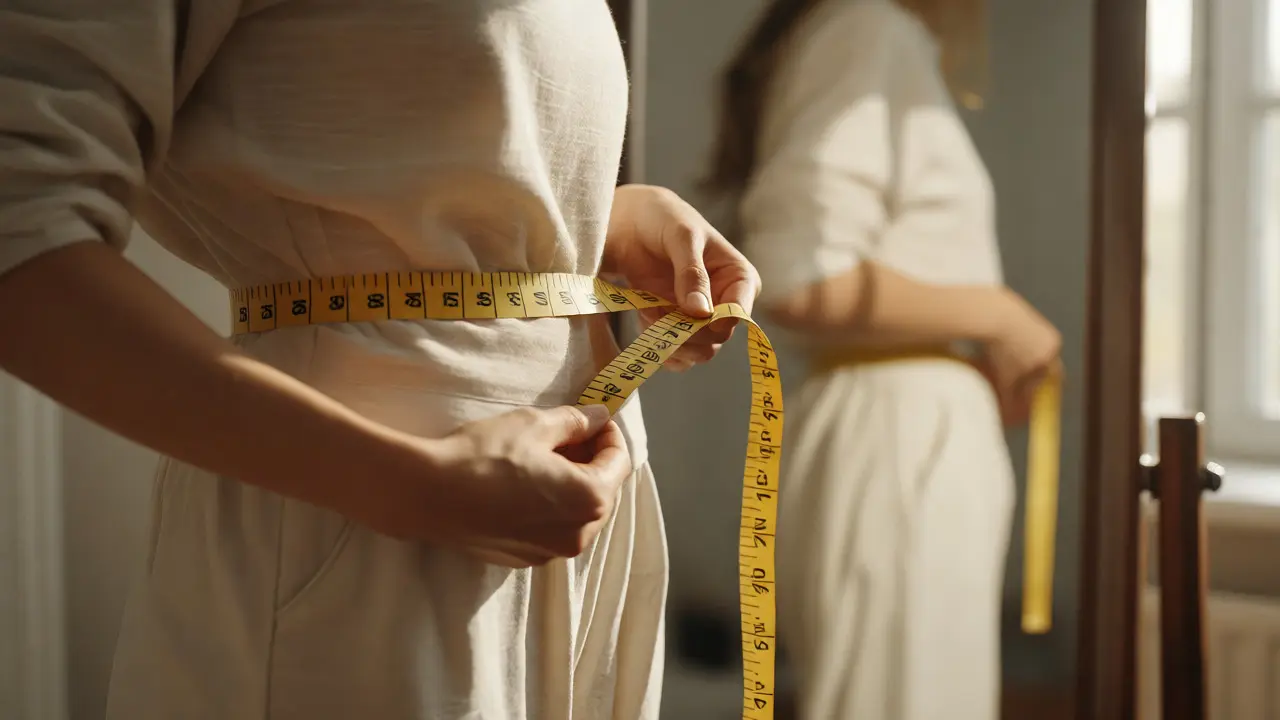
Grab a soft measuring tape. Stand in front of a mirror in your undergarments. Measure these five spots precisely:
- Bust/Chest: Around the fullest part.
- Waist: The narrowest part of your torso, usually above the belly button.
- Hips: Around the widest part of your buttocks.
- Inseam: From crotch to floor (for pants length).
- Sleeve Length: From shoulder seam to wrist bone.
Write these down. Then, add context. Do your shoulders slope? Is there a gap in the back of your necklines? Does your thigh rub against your jeans? These specific pain points help a stylist avoid cuts that will inevitably require expensive tailoring later. Remember, body measurements are the foundation of fit; without them, styling is just guessing.
Build a Mood Board That Actually Communicates
Words fail when describing style. Saying "I want to look professional but chic" is too vague. One person’s "chic" is another person’s "boring beige." A mood board bridges that gap by showing, not telling.
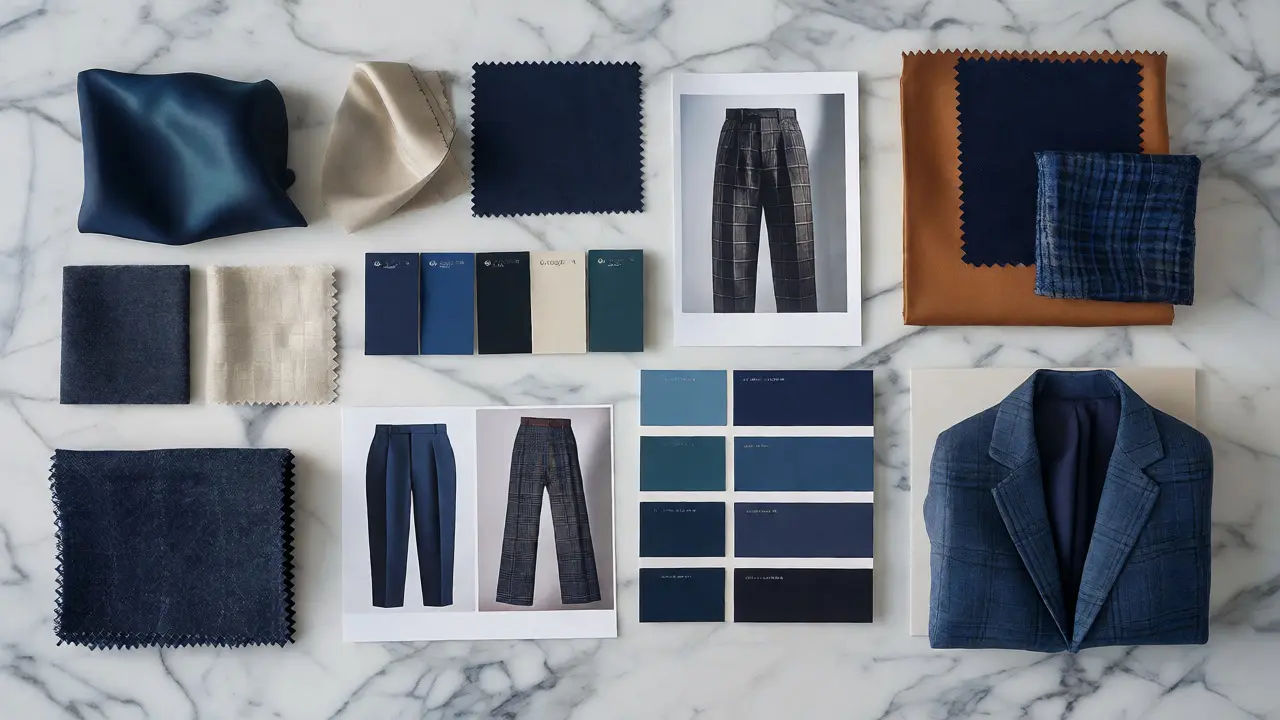
Don’t just screenshot random pretty pictures. Curate. Use Pinterest or Milanote. Create two distinct sections: "Love" and "Hate." This is crucial. Showing a stylist what you *don’t* want saves twice as much time as showing what you do. If you hate floral prints, pin three examples of florals you dislike. If you love oversized silhouettes, pin ten examples of coats or shirts that make you feel powerful.
Here’s a pro tip: Look at texture and color, not just garments. Pin images of fabrics you gravitate toward-silk, linen, heavy wool. Note the color palettes that catch your eye. Are you drawn to monochromatic neutrals or bold color-blocking? This visual language helps the stylist understand your aesthetic DNA better than any verbal description could.
| Element | Verbal Description | Mood Board Visual |
|---|---|---|
| Style Vibe | "Casual Friday" | Image of tailored trousers with sneakers and a blazer |
| Color Preference | "I like blue" | Palete of navy, teal, and denim washes |
| Fit Issue | "Jeans are tight" | Photo of wide-leg trousers vs. skinny jeans |
Define Your Lifestyle Reality, Not Your Fantasy Self
This is where most styling sessions go off the rails. You tell your stylist you want a wardrobe for "traveling and networking," but you haven’t traveled in six months and your last networking event was a Zoom call. Be brutally honest about your current life.
Break down your week. How many days do you work from home versus the office? What’s the dress code really like? Is it strict business formal, or does tech-casual reign supreme? Do you have kids who demand practicality over polish? Do you attend evening events monthly or yearly?
Create a simple percentage breakdown of your time. For example: 60% Home Office, 30% Client Meetings, 10% Weekend Errands. This ratio dictates the bulk of your shopping budget. If you buy 50% suits but spend 90% of your time in sweatpants, you’ve failed the assignment. Your style goals must align with your actual calendar, not the aspirational one.
The Closet Audit: Bring Your Own Evidence
If possible, invite the stylist to your home. If not, send photos. But don’t just send photos of your favorite outfits. Send photos of the items you struggle with. Why did you buy that neon green jacket? Why do you never wear those heels?
Tag your clothing in digital photos if you use an app like Acloset or Whering. Highlight items that are:
- Too small/large (fit issues)
- Damaged (needs repair or replacement)
- Outdated (doesn't match current vibe)
- Unworn (regret buys)
This inventory helps the stylist see gaps. Maybe you have ten white shirts but zero black ones. Maybe you have plenty of tops but no bottoms that fit your waist-to-hip ratio. Seeing the mess allows them to propose solutions that integrate with what you already own, rather than starting from scratch.
Set a Clear Budget and Scope
Money talk can be awkward, but hiding it hurts you. Decide beforehand: Are we shopping online, in-store, or both? What is the total cap? Is this a $500 refresh or a $5,000 overhaul?
Also, define the scope. Are we focusing on workwear only? Or do we need weekend casuals too? A common mistake is asking for a "complete wardrobe update" with a limited budget. That dilutes the impact. It’s better to master your work capsule first, then tackle weekends later. Tell your stylist: "My priority is looking confident in client meetings. Everything else is secondary." This focus ensures every dollar spent serves your primary goal.

Prepare Mentally: Leave Ego at the Door
A stylist might suggest something you’d never pick yourself. That’s the point. If you only wanted validation, you’d ask your best friend. You hired a professional for expertise. Be open to trying things outside your comfort zone, provided they fit your lifestyle constraints.
However, you retain veto power. If something feels physically uncomfortable or psychologically wrong, speak up. A good stylist respects boundaries. The goal is collaboration, not dictatorship. Come ready to listen, but also ready to advocate for your comfort.
Frequently Asked Questions
Do I need to clean my entire house before a home visit?
No, you don't need to deep clean. Just ensure the area around your closet or dressing space is accessible. If your closet is chaotic, that's actually helpful-it shows the stylist your real-life storage challenges. Focus on clearing a path and having enough light to see colors accurately.
What if I have no idea what my style is?
That's perfectly fine. In fact, it's common. Instead of forcing a label like "bohemian" or "minimalist," focus on feelings. Do you want to feel powerful? Approachable? Creative? Use your mood board to reflect emotions rather than categories. Your stylist will help translate those feelings into concrete clothing choices.
Should I bring my own clothes to try on during the session?
Yes, especially if you're doing a virtual consultation. Have your best-fitting jeans, your favorite top, and one item you're unsure about ready to go. This gives the stylist a baseline for your current fit and fabric preferences, helping them recommend new items that complement what already works.
How long should I wait after booking to prepare?
Start gathering materials immediately upon booking. Collecting measurements takes minutes, but curating a thoughtful mood board and auditing your closet can take a few hours. Doing this early prevents last-minute stress and ensures you present clear, considered information rather than rushed guesses.
Can I change my mind during the session?
Absolutely. Preparation is a starting point, not a contract. As you try on clothes, your understanding of your own taste may shift. If you realize you hate structured jackets despite your mood board, tell the stylist. Flexibility is key to finding pieces you genuinely love.