

Every season, fashion tells us what to wear next. But what happens when the trend runs its course? Too often, we toss it out-hanging clothes in the back of the closet, donating piles we never loved, or letting them sit until they’re outdated and unwearable. There’s a better way. Ending a trend gracefully isn’t about guilt or deprivation. It’s about intention. It’s about letting go without waste.
Why Trends Die, and Why We Should Care
Fast fashion made trends disposable. A style that sold out in March is considered "old" by June. But behind every discarded item is water used, chemicals released, and labor exploited. The average American throws away 81 pounds of clothing each year. Most of it ends up in landfills or is shipped overseas, where it often piles up in unregulated dumpsites.
When you retire a trend, you’re not just cleaning out your closet. You’re making a quiet statement: your style doesn’t need to be loud to matter. And it doesn’t need to be new to be valuable.
Step One: Audit What You Own
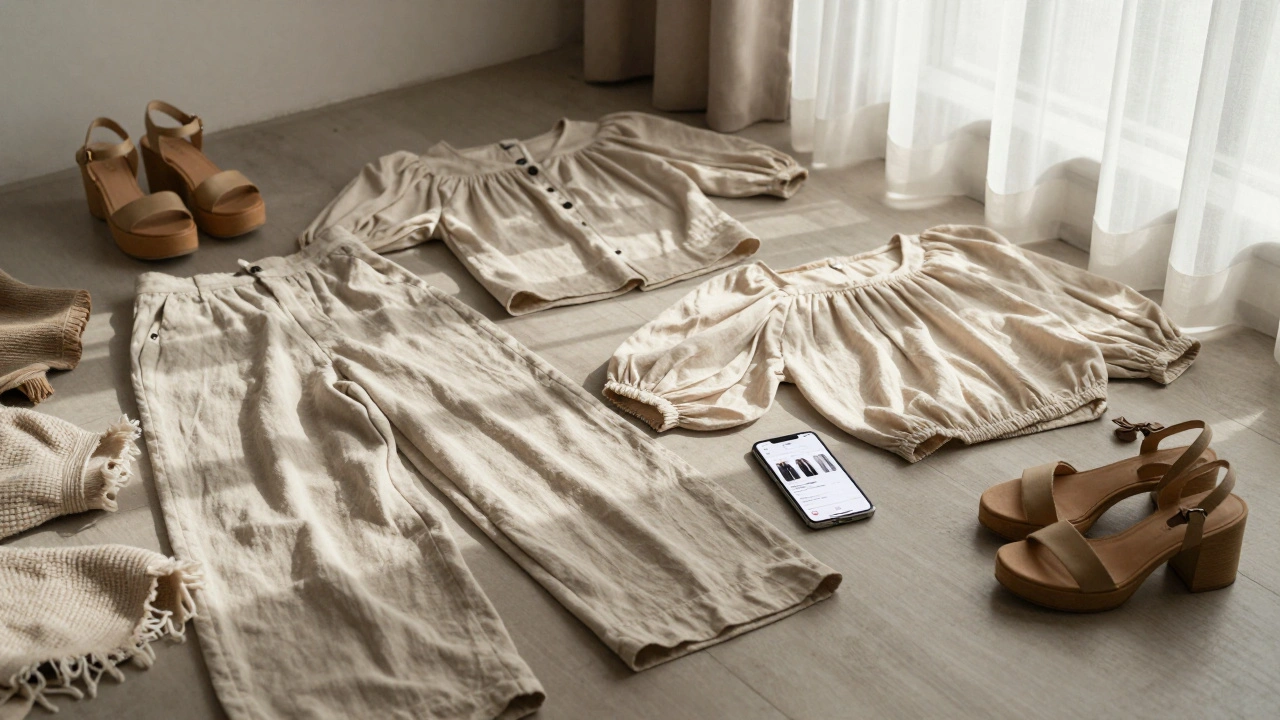
Before you decide what to retire, know what you actually have. Pull everything out. Lay it on the floor. Don’t judge yet-just observe.
Look for items that:
- Fit poorly now (not just because you lost weight-because the cut is dated)
- Feel uncomfortable or restrictive
- Are worn out, stained, or frayed beyond repair
- Make you feel like you’re pretending to be someone else
These aren’t "bad" clothes. They’re just no longer serving you. That’s okay. Trends come and go. Your personal style should evolve with you.
Take photos of each piece. Use an app like Stylebook or even your phone’s gallery to tag them by season, occasion, and how often you’ve worn them. After a month, you’ll see patterns. Which items did you reach for? Which ones stayed untouched?
Step Two: Repurpose Before You Replace
Not every trend needs to be thrown away. Many can be transformed.
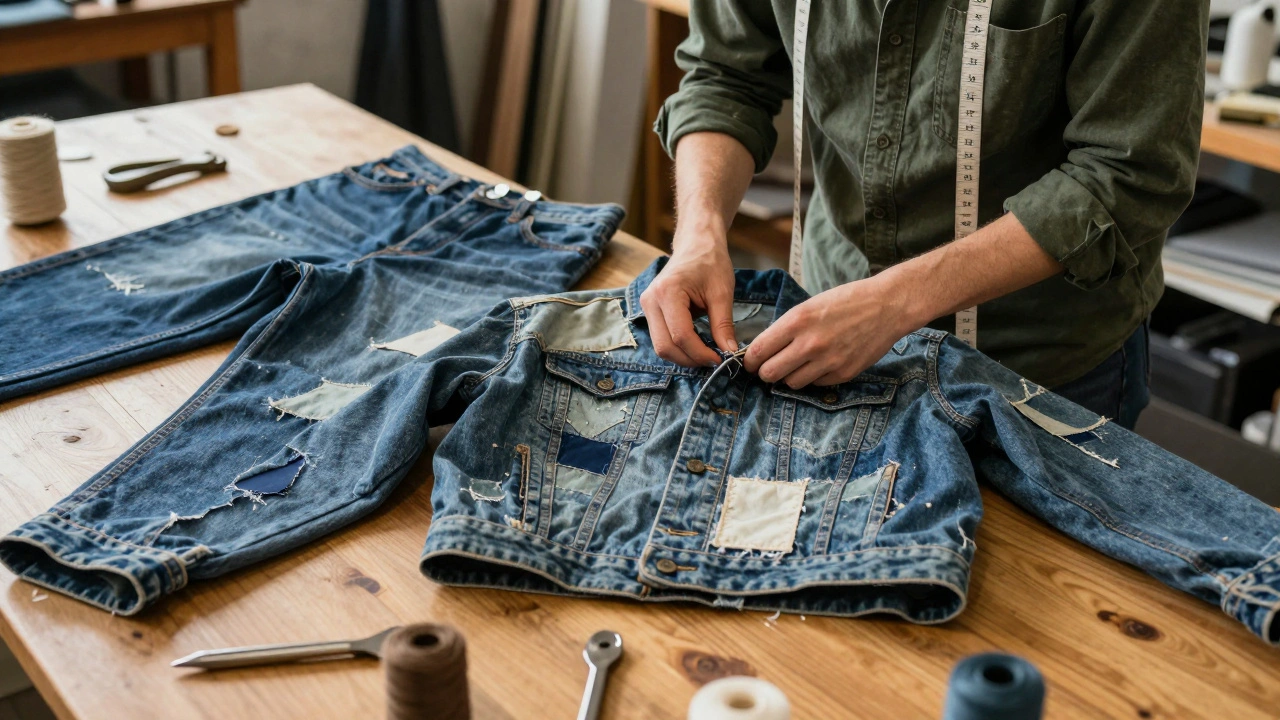
Remember those wide-leg linen pants from 2023? They’re not gone-they’re just waiting to be reimagined. Cut them into shorts. Turn them into a tote bag. Use the fabric to patch a denim jacket. A loose knit sweater? Slice off the sleeves and turn it into a cropped top. You don’t need to be a seamstress. Even simple alterations extend life.
Local tailors and repair shops are seeing a comeback. In Seattle, places like The Mending Room and Re:Thread specialize in fixing and redesigning clothes. Paying $20 to shorten a hem or replace a zipper is cheaper than buying a new pair-and infinitely better for the planet.
Step Three: Rotate, Don’t Replace
One of the biggest mistakes people make is thinking they need to buy new clothes to stay stylish. You don’t. You need to think differently.
Try this: every three months, pick one trend you’ve been ready to retire. Then, style it in three new ways using pieces you already own.
- That puff-sleeve blouse? Pair it with cargo pants and chunky boots for an edgy look.
- Those platform sandals? Wear them with a tailored blazer and jeans for a polished vibe.
- That micro-miniskirt? Layer it under a long coat with tights and ankle boots.
This isn’t about forcing yourself to wear something you hate. It’s about proving to yourself that your wardrobe has more potential than you thought. You’ll start seeing your clothes as building blocks, not single-use items.
Step Four: Let Go with Purpose
When you’re ready to retire something for good, don’t just drop it in a donation bin. Be thoughtful.
Here’s how:
- Give to local organizations that actually resell or repurpose: Goodwill’s Fashion Reuse Program, ThredUp (for clean, wearable items), or community swap events.
- For damaged or stained items, find textile recyclers. Companies like TerraCycle and Evrnu break down fibers to make new yarn-no landfill needed.
- Never throw away clothing with zippers, buttons, or functional hardware. Remove them first. These are gold for DIYers and repair shops.
And if you’re tempted to sell? Don’t rush. Wait until you’re emotionally ready. If you’re selling just to clear space, you’ll underprice and feel empty afterward. Wait until you’re genuinely excited to pass it on.
Step Five: Build a New Foundation
Retiring a trend isn’t the end-it’s the beginning of something better: your personal style.
Start with three questions:
- What do I feel most confident wearing?
- What pieces have lasted me more than two years?
- What do I wish I had more of in my closet?
Answer those honestly. Then, build your next season around those answers. Maybe you want more neutral tones. Maybe you crave structure. Maybe you love texture. Don’t chase the next viral item. Chase what feels like you.
That’s the real goal: a wardrobe that doesn’t need constant updating because it already fits your life.
What to Do When You Miss the Trend
It’s normal to feel a little nostalgic. You loved that puff-sleeve blouse. You had fun in those platform shoes. That’s okay. Missing a trend doesn’t mean you failed. It means you lived it.
Instead of buying it again, find a memory. Look at the photos. Remember how you felt. Then, let it go. You don’t need to own something to honor it.
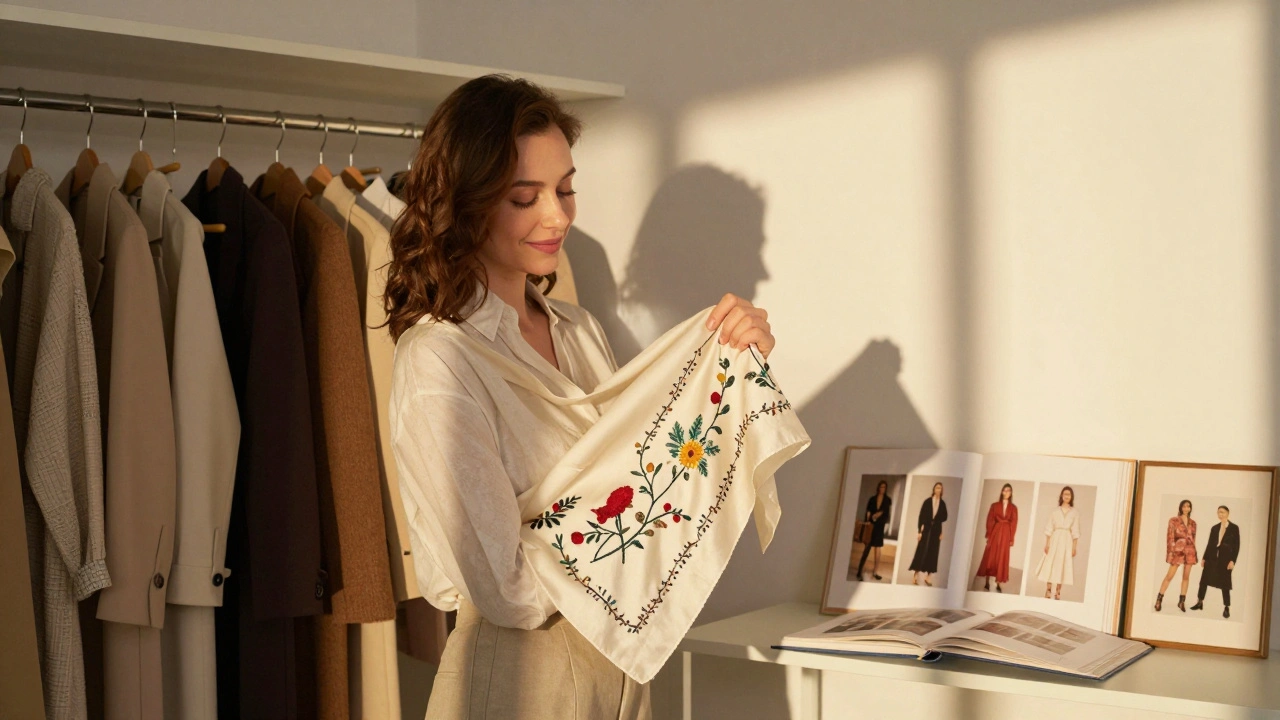
Some people keep one item from every trend they loved-a single accessory, a scarf, a pair of earrings. It’s a quiet tribute. Not a collection. Just a reminder that style isn’t about accumulation. It’s about expression.
Real People, Real Results
In Portland, a woman named Maya retired 47 items from her closet last year. She kept 12. Now, she gets dressed in under five minutes. "I used to spend hours scrolling, trying to find something new," she says. "Now I just pull out what fits, what feels right, and go. I feel lighter. Not just in my closet-in my head."
On Instagram, a user named @WornWithLove shares before-and-after photos of her wardrobe transformation. Her rule: "If I haven’t worn it in 18 months, it goes. Not because it’s old. Because it’s not me anymore."
These aren’t extreme cases. They’re examples of what happens when you stop chasing trends and start building a life that fits.
Final Thought: Style Is a Practice, Not a Purchase
Retiring a trend gracefully isn’t about being perfect. It’s about being present. It’s about choosing to care-not just about how you look, but how your choices affect the world around you.
You don’t need to be a minimalist. You don’t need to buy only organic cotton. You just need to be willing to let go.
One less item in the landfill. One more item in your heart. That’s how you end a trend. Not with a bang. Not with a sale. But with quiet, thoughtful intention.
How do I know when it’s time to retire a trend?
It’s time when the item no longer fits your body, your mood, or your daily life. If you avoid wearing it because it feels outdated, uncomfortable, or inauthentic, it’s already retired in your mind. The physical act of letting go is just the final step.
Can I still enjoy trends if I want to retire waste?
Absolutely. Trends aren’t the enemy-overconsumption is. You can love a trend without buying it new. Rent it, borrow it, thrift it, or swap for it. The goal isn’t to avoid trends-it’s to avoid buying them just because they’re popular.
What if I don’t have time to repair or upcycle clothes?
You don’t need to do it all yourself. Find a local tailor, join a clothing swap group, or use a textile recycling service. Many cities now have drop-off bins for worn-out fabrics. Even if you can’t fix it, you can still ensure it doesn’t end up in a landfill.
How do I avoid falling back into old habits?
Pause before you buy. Ask: "Do I need this, or do I just want it to feel current?" Keep a list of what you’re truly missing in your wardrobe. When you feel the urge to shop, check the list first. Most of the time, you’ll realize you already have what you need.
Is it possible to retire a trend without feeling guilty?
Yes. Guilt comes from thinking you "should" have done better. But style isn’t a moral test. Letting go of something that no longer serves you is an act of self-respect. You’re not throwing away value-you’re making space for what truly matters.
If you’re ready to move forward, start small. Pick one item from your closet today. Don’t throw it out. Don’t sell it. Just hold it. Ask: "What did this teach me?" Then, let it go with gratitude.


Write a comment