

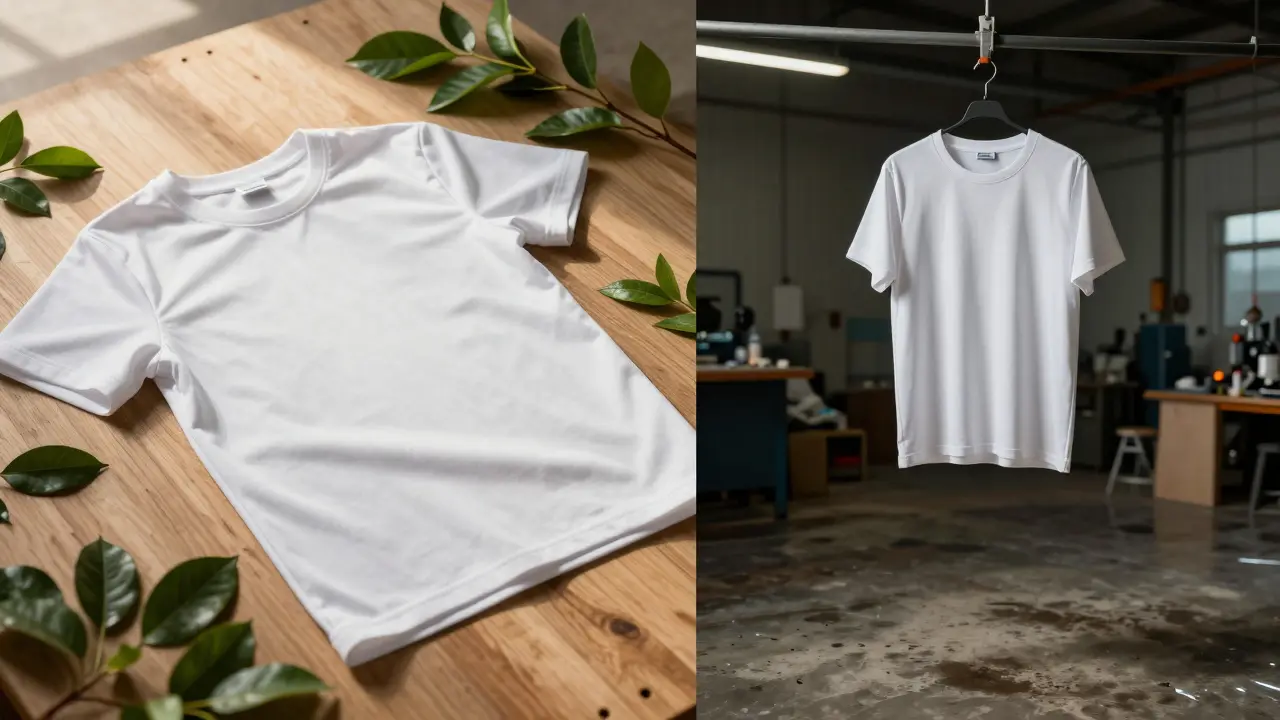
You've seen the ads. 'Eco-friendly collection.' 'Made with recycled materials.' '100% sustainable.' But here's the uncomfortable truth: more than 60% of fashion brands' environmental claims aren't backed by evidence.
Every time you buy that "conscious" hoodie or guilt-free denim, you might be falling for marketing that sounds responsible but doesn't deliver. That's greenwashing-and it's costing us real progress toward a truly sustainable industry.
This isn't about becoming suspicious of every label. It's about learning to separate genuine commitments from clever copywriting.
Quick Takeaways
- Most vague terms like 'eco-friendly' or 'sustainable' have no legal definition-look for specific data instead
- Credible third-party certifications beat self-made badges any day
- If a brand talks about sustainability but won't name its suppliers, that's a red flag
- Natural fibers sound better but aren't automatically sustainable; look at how they're grown and processed
- The best brands publish detailed reports, not just pretty pictures
What Is Greenwashing Exactly?
Greenwashing is when companies spend more on making themselves look environmentally responsible than actually being responsible. The term was coined by environmentalist Jay Westby back in 1986, describing hotels that put towel reuse signs in bathrooms while ignoring bigger environmental impacts.
In fashion, Greenwashing takes many forms:
- Saying something is "natural" even though organic cotton uses fewer pesticides than conventional cotton
- Highlighting one small "eco" line while the rest of production remains unchanged
- Using green packaging without changing manufacturing processes
- Dropping fake or meaningless certifications into product descriptions
Here's the problem: these tactics confuse people who want to do the right thing. You see "sustainable," you buy, you feel good-but nothing really changes. The industry keeps churning through resources, polluting water, and wasting materials while telling stories that don't match reality.
The Most Common Greenwashing Tacticst
I've tracked thousands of brand claims over the years. Here are the tactics you'll encounter most often, ranked by how deceptive they tend to be.
Vague Language Without Evidence
Terms like "conscious," "responsible," and "planet-friendly" sound nice but mean nothing specific. They're designed to trigger positive feelings without requiring proof.
When H&M launched their Conscious Collection, critics pointed out that the collection represented less than 5% of total production while fast fashion consumption patterns remained untouched. That's a classic example: creating a visible green option without changing the core business model.
Focusing on One Detail
"Made with 30% recycled polyester!" Sure, great. But what about the other 70%? Where does it come from? Who made this garment? How much dye runoff ends up in local rivers?
Brands spotlight the easy win because it's easier to measure and control than systemic change.
Misleading Imagery
Leaves. Trees. Natural colors. These visual cues suggest eco-friendliness without saying anything specific. Research from the Federal Trade Commission shows that overuse of nature imagery can create false impressions even when accompanied by qualifying language.
Self-Created Certifications
This is huge. Brands create their own badges like "EcoVerified" or "GreenCertified." They decide what standards matter and then audit themselves against those standards. Independent reviews show most of these programs lack transparency or verification.
| Credible Certification | What It Covers | Common Fake Alternative |
|---|---|---|
| GOTS | Organic textiles from farm to finished product | "Organic Certified" badge with no certifying body listed |
| OEKO-TEX Standard 100 | Tests for harmful substances in final fabric | "Chemical-Free" claim with no testing documentation |
| Fair Trade Certified | Worker wages, working conditions, community development | "Ethically Made" without factory names or audits |
| Bluesign | Resource efficiency, chemical safety throughout production | "Eco-Safe Dyes" without supplier information |
| BCorp Certification | Overall business impact across social/environmental metrics | Company-created "Sustainability Score" |

Credible Certifications That Actually Mean Something
Not all labels are created equal. Some require third-party audits, public disclosure, and regular re-evaluation. Here's what to look for.
GOTS (Global Organic Textile Standard) requires 95% organic fibers and tracks processing chemicals from raw material to final product. It's one of the few standards that covers both environmental and social criteria. If you see a GOTS certification, verify the license holder code on their website-it should match.
OEKO-TEX Standard 100 tests for over 100 harmful substances in fabrics. It doesn't cover farming methods, only whether the final product contains toxic residues. Still valuable, especially for children's clothing and items worn directly against skin.
Bluesign focuses on resource efficiency and chemical management during production. Manufacturers must prove they're using approved input streams and monitoring waste outputs. It's process-focused rather than product-focused.
GRS (Global Recycled Standard) verifies recycled content claims through chain-of-custody tracking. If something claims to be 100% recycled, GRS should trace where those materials came from.
The pattern here: credible certifications have third-party oversight, published verification documents, and clear scope definitions. If a brand can't answer what a specific certification covers, move on.
How to Investigate Brand Sustainability Claims
Investigating claims doesn't require special tools. It requires knowing where to look and what questions to ask.
Step 1: Find Their Sustainability Report
Legitimate brands publish annual or quarterly sustainability reports with specific data. Not a press release or a blog post-a formal document.
Good reports include:
- Carbon emissions by region and facility
- Water usage per garment produced
- Waste generation and recycling rates
- Supplier list (at minimum, tier 1 factories)
- Third-party audit results
If you're reading about goals for 2030 but no current data? That's a warning sign. Past performance predicts future behavior far better than future promises.
Step 2: Check Supply Chain Transparency
Where was this made? Good brands publish factory lists. Not just "made in China" or "manufactured overseas." Specific factory locations with names and addresses.
Look at organizations like Good On You or Remap Global that aggregate transparency data. Patagonia publishes complete supplier maps going back five years. Eileen Fisher shares factory details with worker contact information for accountability.
Step 3: Verify Material Claims
If a brand says something contains recycled content, ask for the breakdown. Is it pre-consumer recycled material from their own production waste? Post-consumer waste? Which percentage comes from certified sources?
"Made with some recycled polyester" means something different than "50% post-consumer recycled polyester certified by GRS." The difference matters.
Step 4: Watch for Goal Washing
Setting ambitious future goals is fine. What's problematic is presenting aspirational targets as current reality.
Example: "Committed to carbon neutrality by 2030" is different from "carbon neutral operations today." Many brands score points for future commitments while continuing business-as-usual practices now.
Ask yourself: Are the actions happening now or just promised later? Progress counts for more than promises.
Material Red Flags and What's Actually Eco-Friendly
Materials get complicated. Natural sounds good but isn't always better. Synthetic sounds bad but can be surprisingly sustainable depending on context.
Organic Cotton: Requires GOTS certification to matter. Conventional cotton uses massive amounts of water and pesticides. Even organic cotton grown inefficiently wastes water. Ask about farming location and irrigation methods.
Tencel/Lyocell: Often marketed as eco-friendly. True Tencel comes from sustainably sourced wood pulp with closed-loop processing that recovers 99% of solvents. But knockoff versions exist. Check if it's officially licensed Tencel brand fiber.
Recycled Polyester: Better than virgin polyester because it diverts plastic waste. Doesn't solve microplastic shedding issues during washing. Use a filter bag regardless of material.
Modal: Similar concerns as lyocell-depends entirely on sourcing and processing. Lenzing TENCEL™ Modal has verified credentials; unbranded modal may not meet same standards.
Hemp and Linen: Naturally resilient fibers that biodegrade. Hemp needs minimal water and pesticides compared to cotton. Flax for linen also grows efficiently. These are genuinely lower-impact choices when responsibly processed.
Real Brands That Got It Right (and Wrong)
Learning from mistakes helps spot patterns faster.
Case Study 1: Nudie Jeans
Nudie Jeans built a reputation on repair services and recycled denim. They provide free repairs for life, use high-percentage recycled cotton, publish factory names, and maintain transparent sustainability reporting. When you order online, you see which factory produced your jeans.
That level of detail signals commitment, not just marketing.
Case Study 2: Zara Life Wear
Zara's eco-conscious line received criticism for being too small within overall production volume. The collection itself used some recycled materials, but it represented maybe 3-5% of total offerings while the company continued rapid new styles and heavy discounting culture.
The green collection existed, but the business model didn't shift. That's tokenism-the essence of greenwashing.
Case Study 3: Reformation
Reformation gets credit for radical transparency. They publish sustainability reports showing environmental cost of each style. Customers can see water saved and carbon avoided versus industry average.
But scrutiny exists around labor practices at supplier facilities and questions about growth contradicting sustainability goals. Even good efforts face legitimate criticism as scale increases.
What You Can Do as a Consumer
Individual action matters when combined with broader awareness. Here's how to use your spending power effectively.
Prioritize Quality Over Quantity
The most sustainable garment is already in your closet. Buy less, choose well, make it last. Every item you wear for three seasons instead of one reduces overall demand.
Support Transparent Brands
Vote with your wallet. Brands that earn your loyalty will invest in sustainability infrastructure. Those relying on vague claims lose customers to competitors willing to disclose specifics.
Use Apps That Rate Brands
Tools like Good On You, Remake, and Fashion Revolution provide ratings based on research. They track supply chain disclosure, fair labor practices, animal welfare policies, and environmental impact.
Join Campaigns Calling for Accountability
Fashion Revolution's #WhoMadeMyClothes campaign happens annually during Fashion Revolution Week. Simple pressure campaigns force industries to improve standards over time.
One person asking "who made my clothes?" feels insignificant. Thousands asking simultaneously creates measurable change.
Can fast fashion ever be truly sustainable?
The fundamental model conflicts with sustainability. Fast fashion depends on volume and turnover-constant new styles, frequent discounts, high production volumes. True sustainability requires slower cycles, quality construction, and reduced consumption. Some brands reduce harm while keeping the model, but the underlying tension remains. Until the entire system slows down, "sustainable fast fashion" stays an oxymoron at scale.
Are all synthetic fibers bad for the environment?
Not necessarily. Recycled polyester diverts plastic waste and performs similarly to virgin polyester. However, synthetics shed microfibers during washing and don't biodegrade. Natural fibers degrade eventually but use more water and land resources during farming. Neither option is perfect-choose based on what matters most to you. Some prioritize avoiding microplastics, others focus on reducing agricultural impacts.
What if a brand has no sustainability report?
Assume they're not collecting or publishing meaningful data. Legitimate efforts leave paper trails. If you care about environmental impact, look for alternatives that document their work. Smaller brands may not have full reports yet but should still be able to answer basic questions about materials and factory locations.
Is buying secondhand better than buying new sustainable fashion?
Generally yes. Extending the life cycle of existing garments prevents demand for new production. The most impactful choice is wearing clothes longer and reselling them when done. New production always carries environmental costs, however small. Secondhand markets thrive on circular economy principles that keep clothes in use rather than landfills.
Do price points indicate quality and sustainability?
Sometimes but not always. Ethical production costs money-fair wages, safe facilities, environmental compliance add expenses. Ultra-cheap clothing almost certainly sacrifices somewhere. But premium pricing doesn't guarantee sustainability either. Luxury brands sometimes hide terrible labor practices behind expensive prices. Always check the details beyond price tags.
Should I trust influencer recommendations for sustainable fashion?
Approach with caution. Influencer marketing budgets often align with advertising budgets rather than research. Brands sponsor collaborations without sharing production details. Look for creators who independently verify claims before partnering. Some influencers have done serious journalism-style investigations-these tend to be more reliable than sponsored content. Always cross-reference with multiple sources.
Will regulation help stop greenwashing?
Government regulations are slowly catching up. The EU introduced rules requiring substantiation for environmental claims starting in 2024. Green Claims Directive mandates evidence backing sustainability assertions. The US FTC also updated Green Guides in 2023-2024 timeframe. Enforcement remains inconsistent, so consumer vigilance still matters alongside regulatory improvements.
Can a single sustainable collection justify a company's overall impact?
No. Token collections represent small portions of total business activity. If a brand produces 10,000 items but only 200 fall into their "eco line," that's greenwashing. Systemic change affects entire operations-materials, logistics, energy use, labor conditions-not isolated product lines. Meaningful impact requires proportional effort relative to business size.
What questions should I ask customer service before buying?
Good questions reveal transparency levels. Try asking: Which factory made this? What percentage of materials are recycled? Do you have third-party sustainability certifications? Can you share your latest sustainability report? Hesitation or scripted answers suggest limited internal knowledge. Detailed responses indicate genuine integration of sustainability into operations.
Does 'eco-friendly' mean the same thing as 'organic'?
No. "Eco-friendly" is unregulated marketing language with no consistent meaning. "Organic" refers specifically to farming methods that avoid synthetic pesticides and fertilizers. Only certified organic products meet USDA or equivalent standards. Organic cotton still requires significant water depending on growing region. One describes general environmental consideration while the other specifies agricultural practices.


Write a comment