

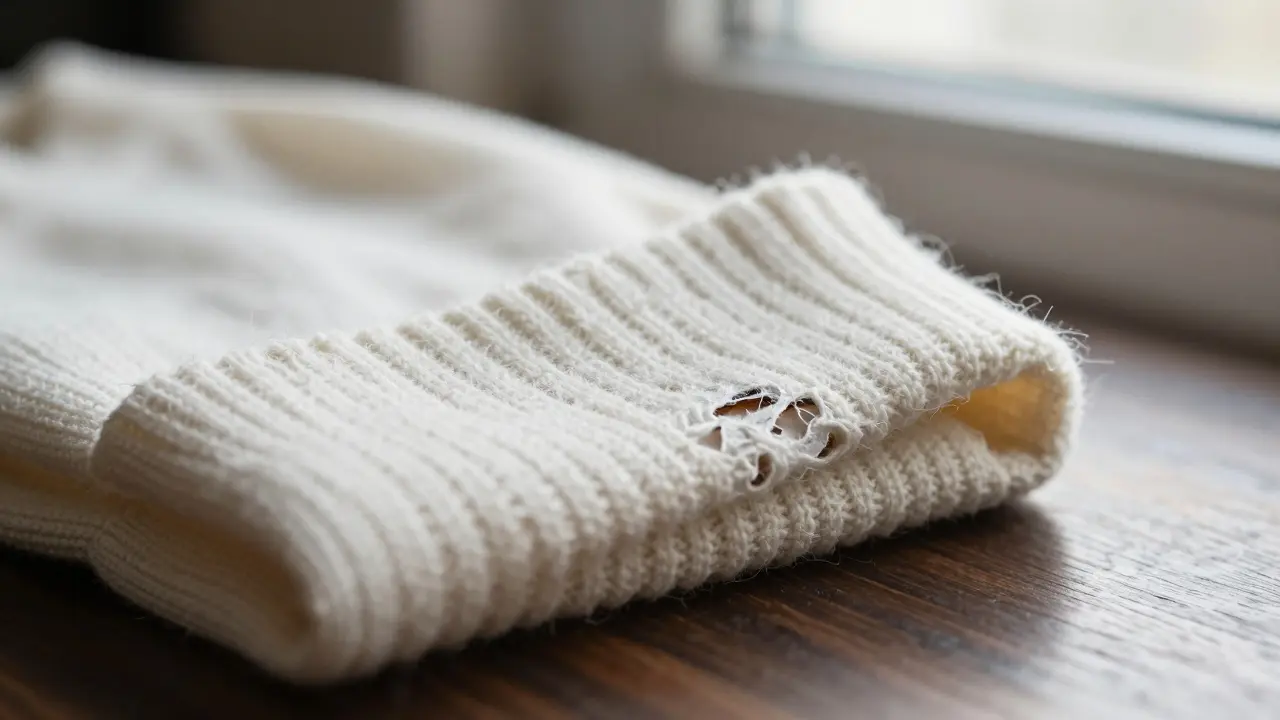
You open your closet for the third time this month, hoping to find that cashmere sweater you wore last winter. Instead, you spot a small hole near the cuff. It’s not just one hole; it’s a cluster of them. The fabric feels brittle. You’ve been bitten by moths. Specifically, clothes moths, tiny pests that don’t care about your favorite designer label-they only care about the protein in your natural fibers.
This is the nightmare scenario for anyone who invests in quality clothing. Losing a $300 coat or a vintage silk blouse to an infestation isn’t just a financial hit; it’s frustrating. But here is the good news: moth damage is almost entirely preventable if you understand how these insects work. They aren’t magical destroyers. They are opportunistic feeders looking for warmth, darkness, and unwashed natural fibers. By combining smart storage habits with the right use of cedar wood, you can keep your wardrobe pristine for years.
Understanding the Enemy: What Moths Actually Eat
Before we talk about solutions, let’s clear up a massive misconception. Many people believe moths attack any fabric they see. This isn’t true. Clothes moths (Tineola bisselliella) and carpet beetles have very specific dietary requirements. They lack the enzymes to digest synthetic materials like polyester, nylon, or acrylic. If your wardrobe is 100% synthetic, you likely don’t have a problem.
Their target is keratin, a structural protein found in animal-based fibers. This includes:
- Wool (cashmere, merino, alpaca)
- Silk
- Camel hair
- Angora
- Linen and cotton (only if soiled)
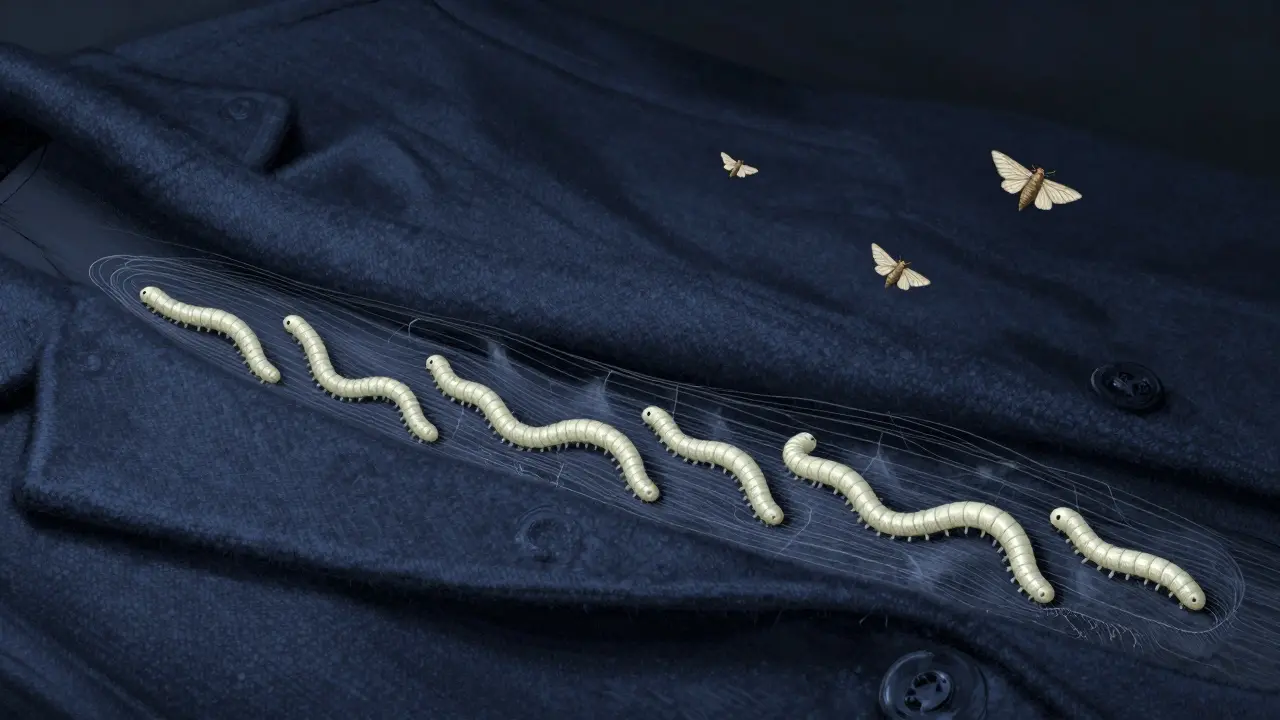
Here is the critical detail most people miss: adult moths do not eat your clothes. They don’t even have mouthparts capable of chewing fabric. The adults fly around, mate, and lay eggs. The real culprits are the larvae-the tiny, white, worm-like babies that hatch from those eggs. These larvae spin silken tubes as they move through your fabric, eating away at the fibers from the inside out. That’s why damage often appears suddenly after weeks of unseen activity.
They prefer dark, undisturbed areas. They love the folds of a hanging coat, the lining of a jacket, or the bottom of a drawer where dust accumulates. They are attracted to body oils, sweat, and food stains left on garments. A clean shirt is far less interesting to a moth than a slightly sweaty one.
The Truth About Cedar Wood: Does It Really Work?
Cedar has been the go-to solution for generations. You’ve seen cedar blocks, cedar hangers, and cedar chips sold in every department store. But does it actually repel moths? Yes, but with a major caveat. Cedar doesn’t kill moths. It acts as a repellent due to its natural aromatic oils, specifically thujone and cedrol. These compounds irritate the sensitive antennae of moths and larvae, making them seek other locations.
However, cedar is not a permanent shield. The oils evaporate over time. A fresh block of Western Red Cedar might be effective for six to twelve months. After that, it’s just pretty wood. To maintain its potency, you need to sand the surface lightly every few months to expose fresh oils, or apply a drop of cedar oil.
| Repellent Type | Effectiveness Duration | Maintenance Required | Best For |
|---|---|---|---|
| Fresh Cedar Blocks | 6-12 months | Sanding every 3-4 months | Hanging garments, closets |
| Cedar Hangers | 3-6 months | Replacing annually | Jackets, coats, suits |
| Dried Lavender | 1-3 months | Refreshing scent frequently | Drawers, small spaces |
| Mothballs (Naphthalene) | Long-term | None (but hazardous) | Sealed storage containers only |
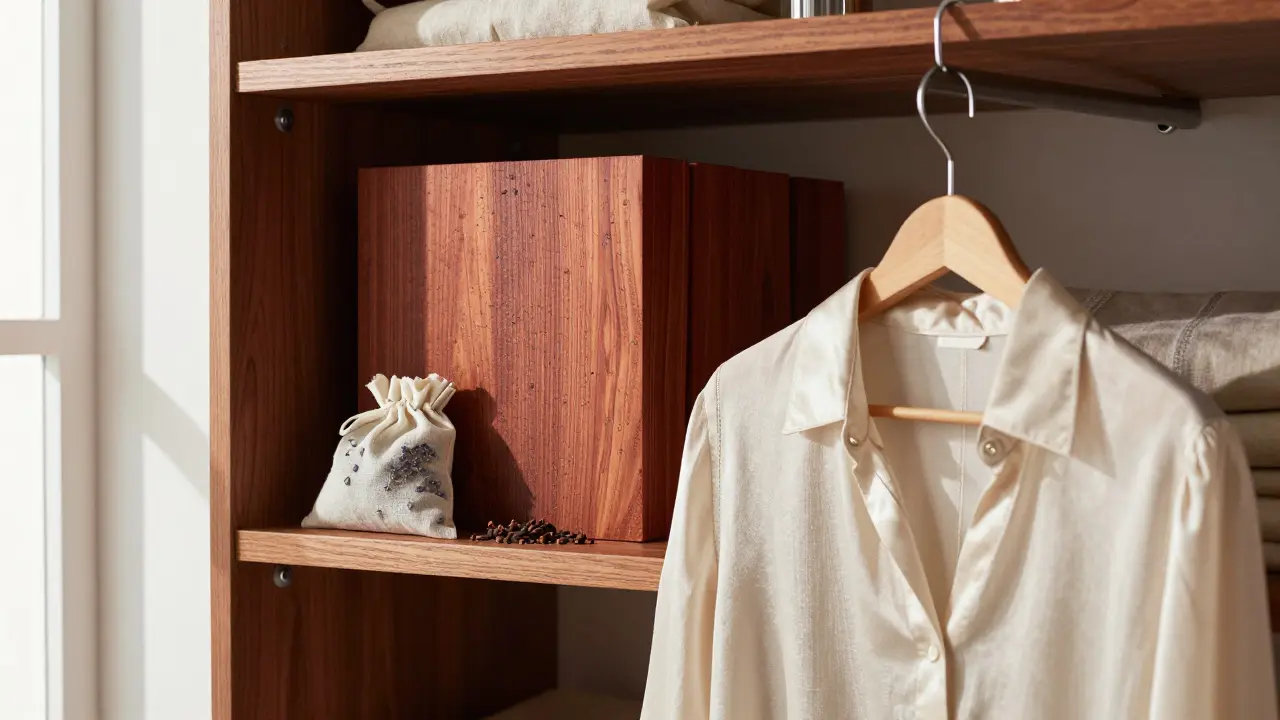
If you choose cedar, opt for solid wood rather than compressed sawdust blocks. Solid wood retains more oil and lasts longer. Place cedar blocks in corners of your closet, inside drawers, and directly against wool blankets. Avoid placing cedar directly on silk, as the oils can sometimes leave stains on delicate fabrics. Use a muslin bag to separate the cedar from the silk.
The Golden Rule: Clean Before Storing
No amount of cedar will save a garment that hasn’t been cleaned. This is the single most important step in moth prevention. When you wear clothes, you transfer microscopic amounts of skin cells, sweat, and oils onto the fabric. To a moth larva, these residues are a dinner bell. Even if you didn’t feel like you sweated, your body leaves traces.
For wool and cashmere, dry cleaning is often recommended, but frequent chemical cleaning can damage fibers. If the garment is not visibly soiled, you can air it out thoroughly. Hang it outside on a sunny day for 24 hours. Sunlight kills moth eggs and dries out moisture. Then, vacuum the garment gently with a brush attachment to remove any lint or debris that might attract pests.
For silk, always follow the care label. Most silk requires professional cleaning. Never store a silk dress that has been worn without having it professionally laundered. The proteins in silk are highly attractive to larvae, and a single egg laid in a fold can result in significant damage within weeks.
Storage Strategies: Creating a Hostile Environment
Moths thrive in stable, warm, and humid environments. To stop them, you need to disrupt their habitat. Here is how to structure your storage system.
1. Use Breathable Covers
Avoid plastic garment bags. Plastic traps moisture and creates a microclimate perfect for mold and moth development. Instead, use cotton garment bags. Cotton allows air circulation while providing a physical barrier. Ensure the bags are buttoned or zipped closed. Moths can squeeze through tiny gaps, so secure closures are essential.
2. Seal It Up for Long-Term Storage
If you are storing seasonal items like winter coats for summer, consider using airtight plastic bins with gasket seals. These containers create an oxygen-deprived environment. Moths and their larvae need oxygen to survive. Without it, they die. Before sealing, ensure the items are completely dry and clean. Add a few cedar chips or a lavender sachet inside the bin for extra protection. Check the seal every few months to ensure it remains tight.
3. Control Humidity and Temperature
Moths prefer temperatures between 60°F and 80°F (15°C-27°C) and humidity levels above 50%. If possible, keep your closet cool and dry. In humid climates like New York summers, use a dehumidifier in your bedroom or closet area. Lowering the humidity below 40% makes it difficult for moth eggs to hatch and larvae to survive. Air conditioning helps here too, not just for comfort, but for preservation.
Identifying an Infestation Early
Even with the best prevention, accidents happen. Early detection saves your wardrobe. Look for these signs during your monthly closet check:
- Silken Tubes: Small, flat, silken cases attached to fabric folds. These are the homes of the larvae.
- Fecal Pellets: Tiny, brownish specks that look like dust or dirt but don’t wipe away easily.
- Adult Moths: Small, beige or golden-colored moths flying near your closet. Seeing one means there are likely eggs nearby.
- Irregular Holes: Unlike accidental tears, moth holes are irregular and often clustered together.
If you find evidence of an infestation, act immediately. Remove all affected items from the closet. Wash or dry clean everything, even if it looks clean. Heat kills moth eggs and larvae. Washing in hot water (if the fabric allows) or dry cleaning will eliminate the pests. Vacuum the entire closet, including shelves, corners, and tracks. Dispose of the vacuum bag immediately outside your home.
Alternatives to Cedar: Lavender and Clove
If you dislike the smell of cedar, other natural repellents exist. Lavender is popular because of its pleasant scent. Dried lavender buds in muslin bags can deter moths, but they lose potency quickly. Refresh them every month by adding a drop of lavender essential oil.
Clove is another powerful option. Whole cloves contain eugenol, which is toxic to many insects. Sprinkle whole cloves in small mesh bags and place them among your woolens. The strong spice scent is effective but may linger on clothes, so test on a hidden area first.
Avoid naphthalene mothballs unless absolutely necessary. They contain toxic chemicals that can harm humans and pets, especially children and dogs. They also leave a distinct, unpleasant odor that is hard to remove from fabrics. If you must use them, place them in sealed containers away from living spaces, never loose in a closet.
Maintenance Routine: The Monthly Checklist
Prevention is not a one-time task. It’s a habit. Set a reminder once a month to perform a quick wardrobe audit. This takes less than 15 minutes and prevents major losses.
- Inspect Garments: Check wool and silk items for holes, tunnels, or silken tubes.
- Refresh Repellents: Sand cedar blocks, replace lavender sachets, or rotate clove bags.
- Vacuum Closet: Remove dust and lint from shelves and floors.
- Air Out Items: Take stored items out, shake them, and hang them up for a week before returning them to storage.
- Check Seals: Ensure garment bags and storage bins are tightly closed.
By integrating these steps into your routine, you transform your closet from a potential risk zone into a safe haven for your best pieces. Remember, moths are persistent, but they are also predictable. They want easy meals. Don’t give them the opportunity.
Do moths eat cotton and linen?
Generally, no. Clothes moths primarily eat animal-based fibers like wool and silk because they contain keratin. However, if cotton or linen garments are heavily soiled with food, sweat, or body oils, moths may consume the organic residue on the fabric, potentially causing damage. Always wash natural fiber clothing before storing it.
How long does cedar wood remain effective against moths?
Fresh cedar wood is typically effective for 6 to 12 months. The aromatic oils that repel moths evaporate over time. To extend its life, sand the surface lightly every 3 to 4 months to expose fresh oils, or apply a drop of cedar oil. Compressed cedar blocks lose potency faster than solid wood.
Can I use mothballs in my closet?
It is not recommended to use mothballs in open closets. Naphthalene and paradichlorobenzene, common ingredients in mothballs, are toxic to humans and pets. They can cause respiratory issues and leave a strong, lingering odor on clothes. If used, they should only be placed in sealed, airtight containers away from living areas.
What is the best way to store silk garments?
Store silk garments in a cool, dry place, preferably in breathable cotton garment bags. Never store silk with body oils or stains; professional cleaning is essential before storage. Avoid direct contact with cedar wood, as the oils can stain delicate silk. Use a muslin barrier between the silk and any repellent. Keep humidity low to prevent mildew.
How do I know if I have a moth infestation?
Signs include small, irregular holes in wool or silk fabrics, silken tubes or cases attached to fabric folds, tiny brownish fecal pellets, and the presence of small beige or golden moths flying near your closet. Larvae damage often starts in hidden areas like linings or cuffs. Regular inspection is key to early detection.