


The Science of Feeling Powerful in Your Clothes
Ever noticed how you feel different the moment you put on a sharp blazer or a pair of boots that make you feel invincible? This isn't just in your head. It's a phenomenon called enclothed cognition, which is the systematic influence that clothes have on the wearer's psychological processes. Essentially, your brain associates certain clothes with certain traits. If you wear something that represents creativity or leadership to you, your brain starts acting out those traits. When you choose a distinctive piece-maybe a bold vintage brooch, a pop of neon in a conservative setting, or a tailored suit in an unconventional color-you are sending a signal to yourself. You're telling your brain, 'I am confident enough to be different.' This internal signal reduces the anxiety of social judgment. Instead of worrying if you fit in, you focus on the value you bring to the table. It's a mental shift from seeking approval to owning your presence.Why Distinctiveness Beats Conformity
For decades, the corporate world pushed a 'uniform' mentality. The idea was that removing individuality would increase professionalism. However, the opposite is often true. In a sea of sameness, the person who manages to be professional yet distinct is often perceived as more creative, authentic, and confident. Think about it: who do you trust more? Someone who looks like a carbon copy of every other employee, or someone who has the confidence to wear a signature style while delivering top-tier results? When your external appearance matches your internal identity, you eliminate the 'cognitive dissonance' of pretending to be someone else. This frees up mental energy. Instead of spending brainpower on maintaining a corporate mask, you can use that energy to solve complex problems or lead your team.| Feature | Conformist Approach | Distinctive Approach |
|---|---|---|
| Psychological Goal | Avoidance of risk/criticism | Self-expression and authenticity |
| Perceived Trait | Reliability, predictability | Leadership, creativity, confidence |
| Mental Load | High (constantly checking 'fit') | Low (aligned with personal identity) |
| Impact on Self-Esteem | External validation dependent | Internally driven confidence |
Building Your Signature Style Without Breaking the Rules
You don't need to show up to a law firm in a sequined jumpsuit to be distinctive. The secret to workplace confidence is 'strategic distinctiveness.' This means finding the intersection between your personal taste and the professional context of your environment. Start with a high-quality base. A well-fitted pair of trousers or a crisp shirt provides the professional foundation. Then, introduce one 'anchor' piece that is uniquely yours. This could be a specific color palette, a unique texture like velvet or heavy linen, or an accessory with a story. For example, a project manager who consistently wears bold, architectural jewelry isn't just accessorizing; they are creating a visual shorthand for their attention to detail and artistic eye. Another great move is playing with proportions. Swapping a standard blazer for an oversized, structured silhouette or pairing a formal dress with clean, modern sneakers (where the culture allows) signals that you understand the rules well enough to know how to bend them. This subtle rebellion is a huge boost to self-esteem, as it reinforces your autonomy within a rigid system.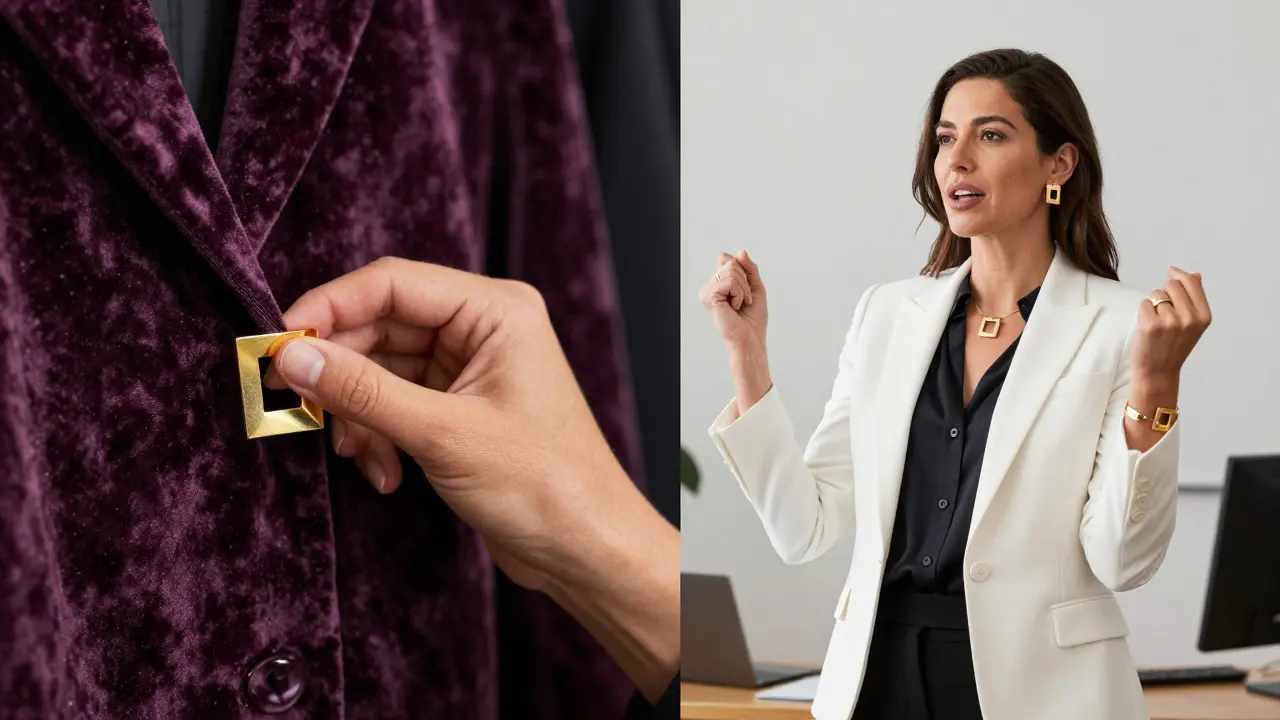
The Ripple Effect: How Others React to Your Uniqueness
When you dress with intention, it changes the chemistry of your interactions. People are naturally drawn to authenticity. When you embody your own style, you give others permission to do the same. This creates a culture of psychological safety where people feel they can be themselves and, consequently, be more innovative. In a study on social perception, researchers found that individuals who dressed slightly outside the norm but maintained a high level of grooming were rated higher in competence and social dominance than those who dressed strictly by the book. Why? Because the act of dressing uniquely is seen as a 'high-status signal.' It suggests that the person is secure enough in their skills that they don't need to rely on the safety of a uniform to be respected.Common Pitfalls to Avoid
There is a difference between being distinctive and being distracting. The goal is to enhance your confidence, not to create a barrier between you and your colleagues. If your clothing is so loud that it becomes the only thing people remember about your presentation, the clothes are wearing you, rather than you wearing the clothes. Avoid the 'costume' trap. Don't dress like a version of a professional you saw in a movie. Instead, look at your hobbies and passions. If you love architecture, maybe your style involves sharp lines and monochromatic tones. If you love nature, maybe you lean into organic textures and earthy greens. When your style is rooted in your actual interests, it feels natural, and that naturalness is what translates as confidence to others.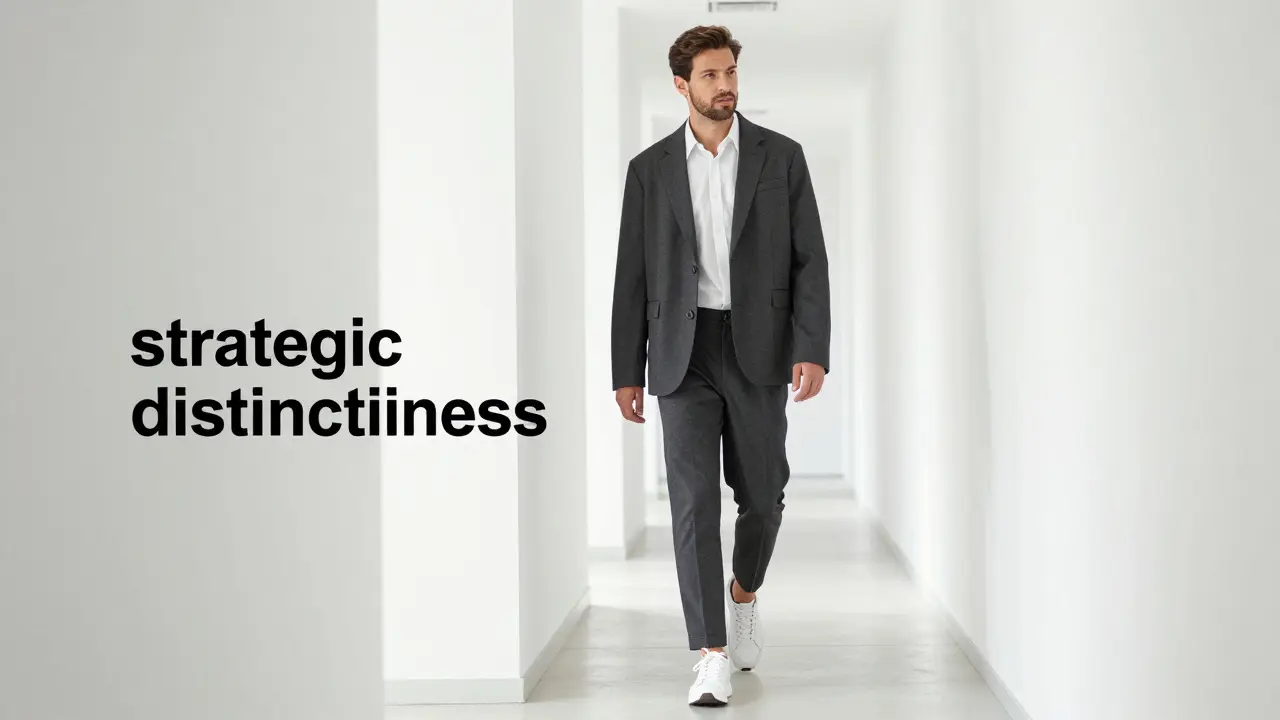
Turning Your Closet into a Tool for Growth
Your wardrobe is essentially a toolkit for your mood. On days when you have a high-stakes meeting or a difficult conversation, don't just reach for the 'safe' outfit. Reach for the one that makes you feel like the most capable version of yourself. Try the 'Power Piece' experiment for a week. Pick one item-a watch, a specific pair of shoes, or a bold tie-that you associate with success. Wear it during your most challenging tasks. Notice how your posture changes. Notice how you speak up more in meetings. By consciously linking a physical object to a positive mental state, you're using fashion psychology to hack your own productivity.Does dressing uniquely actually increase productivity?
Yes, indirectly. When you feel aligned with your identity and confident in your appearance, you experience less social anxiety and cognitive load. This allows you to focus more of your mental energy on the task at hand rather than worrying about how you are being perceived or trying to fit into a mold.
What if my workplace has a very strict dress code?
Focus on the 'invisible' or subtle details. You can express distinctiveness through high-quality fabrics, a unique color palette within the allowed range (e.g., switching navy for deep emerald), or a signature accessory like a unique watch or a piece of heirloom jewelry. The goal is to find the small gaps in the rules where your personality can shine through.
How do I know if my style is 'too much' for the office?
A good rule of thumb is the 'One Statement' rule. Limit yourself to one bold element per outfit. If you're wearing a vibrant, patterned blazer, keep the rest of the look neutral. This ensures that your style is a conversation starter and a confidence booster, rather than a distraction that overshadows your professional contributions.
Can fashion psychology help with imposter syndrome?
Absolutely. Imposter syndrome often stems from a feeling that you don't belong or are 'faking it.' By utilizing enclothed cognition-wearing clothes that you associate with competence and authority-you can trick your brain into feeling more secure. This physical anchor helps bridge the gap between how you feel and how you want to be perceived.
Is a signature style different from following trends?
Yes. Trends are external and temporary; they are about fitting into a current movement. A signature style is internal and lasting; it's about what consistently makes you feel confident. While you can incorporate trends into your style, a signature look is based on your personal proportions, favorite colors, and identity, making it far more effective for boosting self-esteem.


Write a comment