

You walk into a room and feel two conflicting energies at once. One side screams "clean lines, empty space, breathe." The other whispers "layered rugs, hanging plants, live here." Usually, these two worlds-Minimalism and Bohemian (or Boho)-are treated as enemies in the design world. One is cold and rigid; the other is chaotic and warm. But what if you didn't have to choose? What if you could strip away the clutter of traditional Boho while keeping its soul, and soften the sterile edges of Minimalism with genuine character?
This isn't about throwing random objects together. It's about creating Hybrid Aesthetics, specifically the "Minimalist Boho" or "Scandi-Boho" blend. This style has gained massive traction because it solves a real problem: people want spaces that feel curated but not clinical, cozy but not cramped. If you're tired of the stark white boxes of pure minimalism but overwhelmed by the visual noise of full-on Bohemian, this guide will show you exactly how to mix these elements without your living room looking like a thrift store explosion.
The Core Conflict: Why These Styles Clash
To mix them successfully, you first need to understand why they usually don't work together. Minimalism is rooted in the philosophy of "less is more." It prioritizes function, monochromatic palettes, and open negative space. Think of Japanese Zen gardens or high-end Scandinavian apartments. There is intentionality in every empty corner.
Bohemian style, conversely, is an expression of freedom, travel, and maximalism. It thrives on pattern mixing, vintage finds, global textiles, and organic imperfections. Where Minimalism subtracts, Bohemian adds. When you try to jam them together without a plan, you get a room that feels disjointed-a few sparse modern chairs sitting awkwardly next to a pile of mismatched pillows.
The secret to hybrid aesthetics lies in finding the common ground. Both styles value authenticity and natural materials. Both reject mass-produced, soulless plastic. Your goal is to use Minimalism as the structural skeleton and Bohemian elements as the skin and soul.
Step 1: Establish the Minimalist Foundation
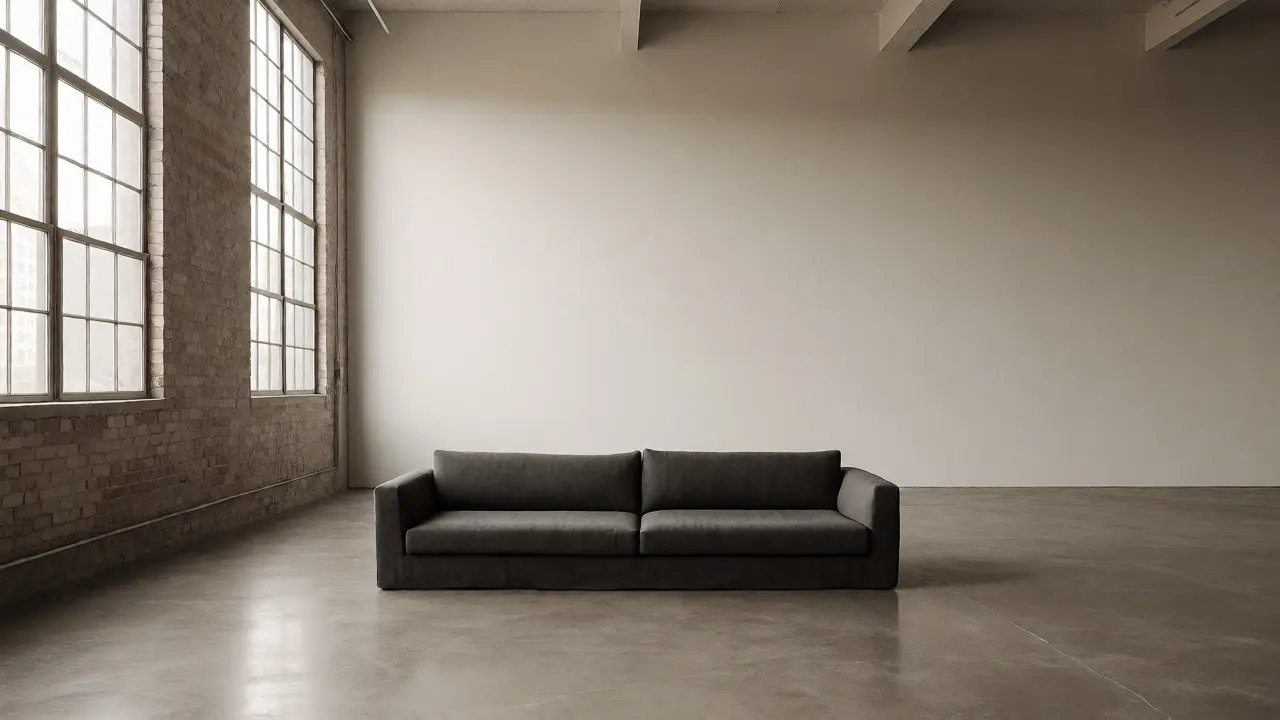
You cannot layer Boho chaos on top of a messy base. You need a clean canvas. Start by editing your space ruthlessly. If you are starting from scratch, focus on large furniture pieces that embody Modern Minimalism.
- Silhouette: Choose sofas and tables with clean, straight lines. Avoid ornate carvings or heavy, dark wood that fights for attention.
- Color Palette: Stick to a neutral base. Whites, creams, soft grays, and warm taupes should cover at least 70% of your visible surface area (walls, floors, large upholstery). This creates the "breathing room" essential to minimalism.
- Decluttering: Remove anything that doesn't serve a purpose or bring genuine joy. If it's just collecting dust, it goes. The fewer items you have, the more impact each Boho accent will have.
Think of your walls and floor as the silence in a song. Without that silence, the melody (your Boho accents) becomes noise. In my Chicago apartment, I painted my walls a matte off-white and chose a low-profile linen sofa. That was the stage. Now, we can add the actors.
Step 2: Introduce Organic Textures
Once the foundation is set, you introduce warmth through texture rather than color. This is where Natural Materials bridge the gap between the two styles. Minimalism loves natural wood and stone; Bohemian loves rattan, jute, and wool. They overlap perfectly here.
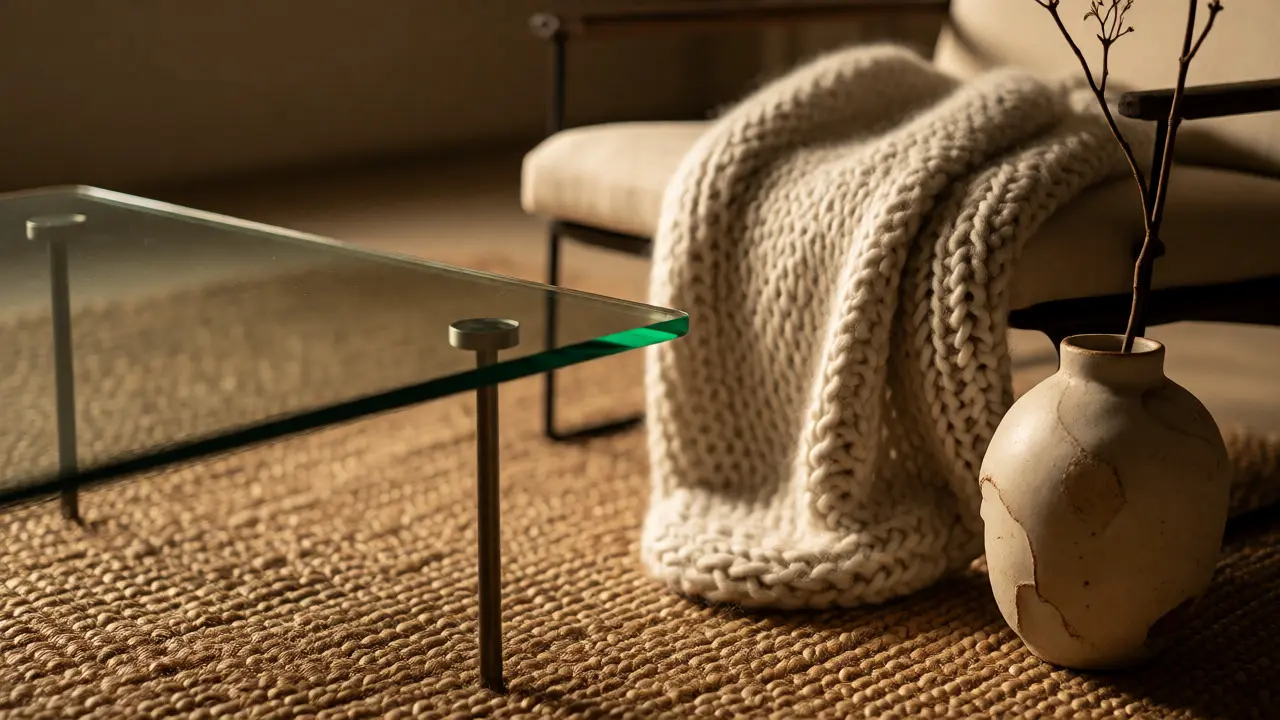
Instead of adding colorful throw pillows immediately, start with tactile elements. A chunky knit blanket draped over a sleek gray armchair instantly softens the room. A woven jute rug under a glass coffee table adds depth without visual clutter. These items provide the "cozy factor" missing from strict minimalism but do so with restraint.
Key textures to integrate include:
- Rattan and Wicker: Use these for light fixtures or storage baskets. Their open weave keeps the space feeling airy.
- Linen and Cotton: Opt for unbleached, natural finishes. Synthetic shiny fabrics look out of place in both styles.
- Ceramics: Hand-thrown pottery with irregular shapes fits the Boho ethos but looks sculptural enough for a Minimalist shelf.
Step 3: Curated Greenery
Plants are the ultimate hybrid element. They are alive, imperfect, and organic (Boho), yet they require care and structure (Minimalist). However, the way you display them matters. Traditional Boho might fill every corner with pots. Minimalist Boho treats plants as art pieces.
Choose one or two statement plants instead of twenty small ones. A large Fiddle Leaf Fig or a Monstera Deliciosa in a simple ceramic pot draws the eye and anchors the room. Place them in areas of negative space to break up straight architectural lines. Hanging plants, like Pothos or String of Pearls, add vertical interest without consuming floor space, maintaining the minimalist sense of openness.
| Element | Minimalist Approach | Bohemian Approach | Hybrid Strategy |
|---|---|---|---|
| Furniture | Streamlined, functional | Vintage, eclectic | Modern silhouettes in natural materials |
| Color | Monochrome, neutral | Jewel tones, earthy hues | Neutral base with muted earth-tone accents |
| Decor | Sparse, intentional | Layered, abundant | Curated collection of meaningful artifacts |
| Textiles | Smooth, uniform | Patterned, layered | Textured neutrals with subtle patterns |
Step 4: The Art of Restraint in Patterns
Here is where most people fail. They see a beautiful Moroccan rug and a geometric pillow and think, "More!" Stop. In Hybrid Aesthetics, you limit your patterns to one or two focal points per room.
If you have a patterned rug, keep the upholstery solid. If your curtains have a subtle stripe, let the bedding be plain. The goal is to avoid visual competition. A single Persian-style runner on a bare wooden floor acts as a piece of art. It provides the cultural richness of Bohemian style but is contained within the disciplined frame of Minimalism.
When choosing patterns, opt for those with a muted palette. Bright, saturated colors can overwhelm a minimalist space. Look for faded dyes, tribal prints in beige and terracotta, or botanical motifs in sage green. These colors harmonize with the neutral base while still telling a story.
Step 5: Lighting as Sculpture
Lighting is often overlooked, but it defines the mood. Minimalist lighting is typically recessed or track-based-functional and invisible. Bohemian lighting is often decorative-lanterns, string lights, colored glass.
For the hybrid look, choose fixtures that are sculptural but simple. A paper lantern (like the classic Noguchi style) casts a soft, diffused glow that feels warm and inviting, avoiding the harsh glare of LED strips. A brass floor lamp with a thin stem adds a touch of metallic elegance without bulk. Dimmer switches are non-negotiable; they allow you to shift the room from bright and crisp (minimalist) to dim and intimate (bohemian) depending on the time of day.
Common Pitfalls to Avoid
Even with good intentions, it's easy to slip back into extremes. Here are three traps to watch out for:
- The "Thrift Store" Effect: Buying too many cheap, trendy Boho items (think macrame wall hangings everywhere) can make a minimalist space look cluttered and dated. Invest in quality over quantity. One hand-carved wooden bowl is better than five plastic imitations.
- Ignoring Scale: Large, bulky Bohemian furniture (like a massive velvet sectional) can shrink a minimalist room. Keep furniture legs visible to maintain a sense of flow and airiness.
- Color Overload: Adding too many jewel tones (emerald, ruby, sapphire) breaks the calm. Stick to earth tones-terracotta, ochre, olive, and sand-which naturally complement neutrals.
Real-World Application: The Living Room Case Study
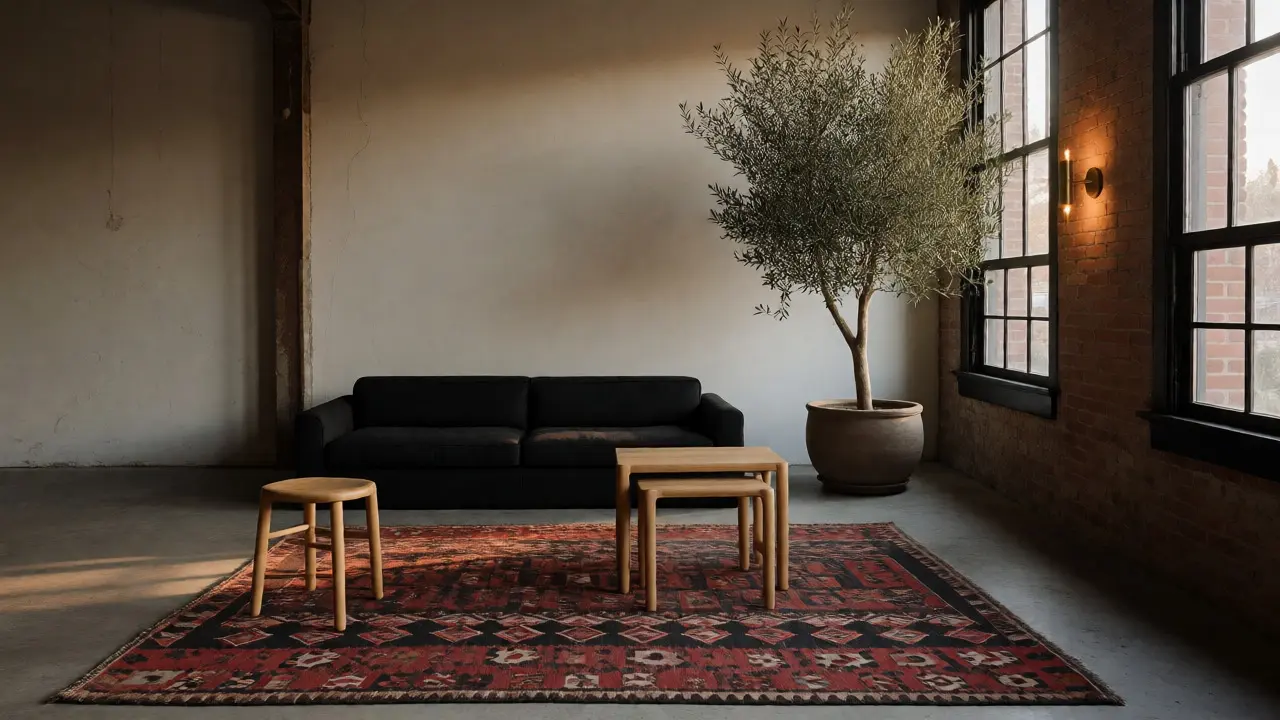
Imagine a 600-square-foot loft in downtown Chicago. The architecture is industrial: exposed brick, concrete floors, large windows. Pure minimalism would feel cold and echoing. Full Bohemian would look like a dorm room.
The hybrid solution starts with the concrete floor, left bare but polished. Against the brick wall, a low-profile charcoal gray sofa sits. On the floor, a large, flat-woven kilim rug in muted reds and blacks anchors the seating area. Instead of a coffee table, two nesting stools made of light oak provide flexibility. A single large potted Olive Tree stands in the corner near the window. Above the sofa, a simple brass sconce provides task lighting. The result? A space that feels grounded, historic, and serene.
This approach works because it respects the existing architecture (Minimalist respect for form) while injecting personality through curated objects (Bohemian respect for narrative).
Maintaining the Balance Over Time
Styles evolve. You might find yourself craving more color in winter or more simplicity in summer. The beauty of Hybrid Aesthetics is its modularity. Because your base is neutral and your furniture is timeless, you can swap out accessories seasonally.
In autumn, swap light linen throws for heavier wool blankets in rust colors. Add a few pumpkins or dried branches. In spring, switch to lighter cottons and brighter greens. The core structure remains unchanged, preventing the stress of a complete redecorating overhaul. This sustainability aspect appeals to both the minimalist desire for efficiency and the bohemian love for natural cycles.
Ultimately, mixing these styles is about self-expression. It’s rejecting the idea that you must fit into a single box. You can love clean lines and also love global textiles. You can value empty space and also value cherished memories displayed on a shelf. By using Minimalism as the container and Bohemian as the content, you create a home that is both peaceful and deeply personal.
Is Minimalist Boho suitable for small apartments?
Yes, it is actually ideal for small spaces. The minimalist base prevents the room from feeling crowded, while the bohemian textures add warmth without requiring extra square footage. Using mirrors and light-colored walls enhances the sense of space, which is crucial in urban dwellings.
How many colors should I use in a hybrid aesthetic room?
Stick to a 60-30-10 rule. 60% should be your neutral base (whites, creams, grays), 30% secondary neutrals (wood tones, darker grays), and only 10% accent colors (terracotta, sage, mustard). This ensures the space remains cohesive and calm.
Can I mix vintage and modern furniture in this style?
Absolutely. In fact, it's encouraged. A mid-century modern chair paired with a vintage Moroccan pouf creates interesting contrast. Just ensure the scale and proportion of the pieces are compatible so they don't fight for dominance.
What is the biggest mistake when trying this style?
The biggest mistake is lack of editing. People often add too many bohemian "clutter" items without removing existing ones. Always remove one item for every new decorative object you add to maintain the minimalist balance.
Does this style work in bathrooms?
Yes. Use a floating vanity (minimalist) with a woven basket for towels (boho). Add a trailing plant and a round mirror with a wooden frame. The combination of clean plumbing lines and organic textures creates a spa-like atmosphere.