

We often think of style as static, but it’s actually fluid. Your relationship with accessories changes because your life does. You’re not trying to shout for attention anymore; you’re communicating confidence through subtlety. This shift isn’t a loss of flair-it’s a gain in precision. Let’s look at how this graceful transition happens and why it matters for building an ageless style.
The Psychology Behind Changing Jewelry Preferences
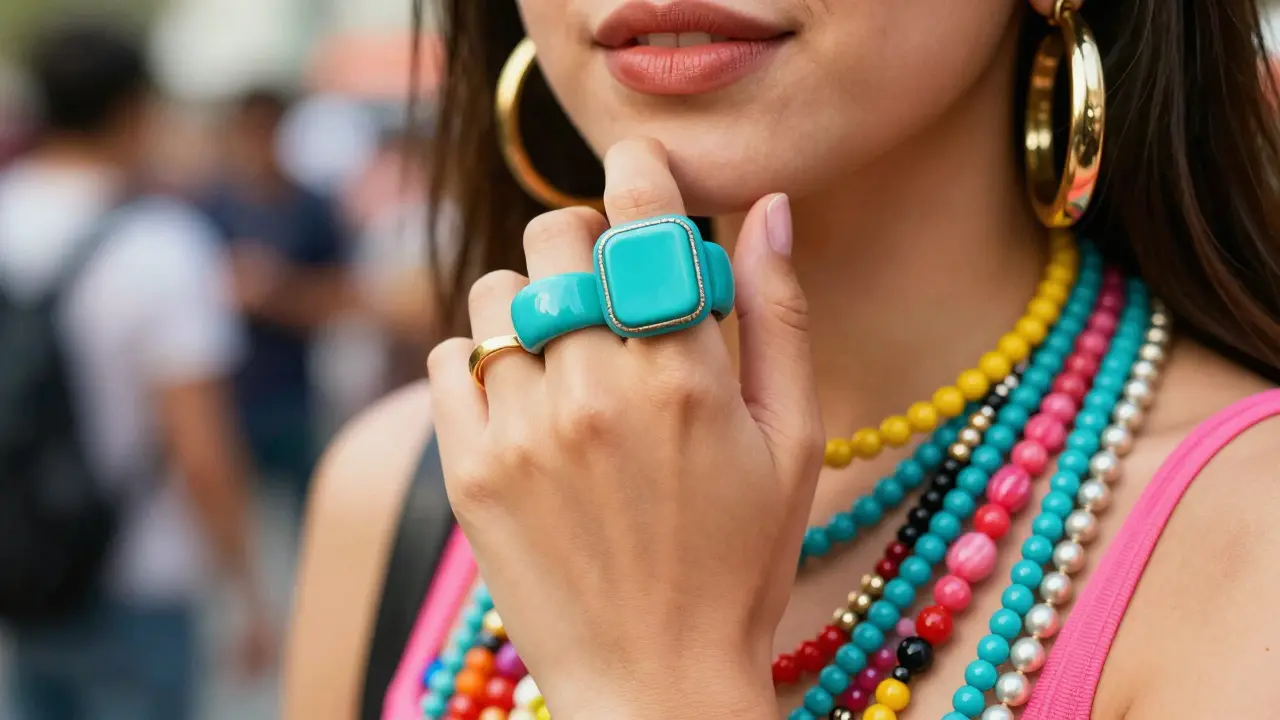
Why do we swap out bold chokers for delicate pendants? It’s rarely just about fashion magazines telling us what’s “in.” It’s deeply psychological. In our early adult years, jewelry often serves as a tool for identity formation. We use bright colors, large scales, and trendy designs to signal who we want to be or who we think others want us to be. A massive turquoise ring or a stack of bangles says, “I’m here, I’m vibrant, and I’m experimenting.”
As we mature, our need for external validation decreases. We become more secure in our own skin. This internal security allows us to strip away the noise. We start choosing pieces that feel good rather than pieces that look impressive. Comfort becomes king. You stop wearing earrings that tug at your lobes all day because you realize you deserve to feel light. You trade heavy metal chains for fine gold links because they drape better against the collarbone and don’t weigh down your neckline.
This shift mirrors a broader life trend: the move from accumulation to curation. We stop buying more and start keeping what matters. The jewelry box shrinks, but the value of each piece inside it skyrockets. This is the foundation of timeless elegance. It’s not about being boring; it’s about being specific.
Scale and Proportion: The Visual Language of Maturity
One of the most noticeable changes in accessory scale is the reduction in size. This isn’t a rule, but it’s a common pattern driven by proportion. As we age, our facial features often soften, and our posture may change slightly. Large, aggressive shapes can sometimes overwhelm a face that has gained wisdom and grace. Smaller, refined pieces tend to harmonize better with these subtle physical shifts.
Consider the earring. In your twenties, you might have worn dramatic drop earrings that swung wildly. Now, you might prefer a small stud or a modest hoop that sits close to the ear. Why? Because it draws attention to the eye and the cheekbone without distracting from them. It’s a matter of balance. If your outfit is simple-a crisp white shirt and dark trousers-a small diamond stud adds a touch of sophistication without competing with your presence.
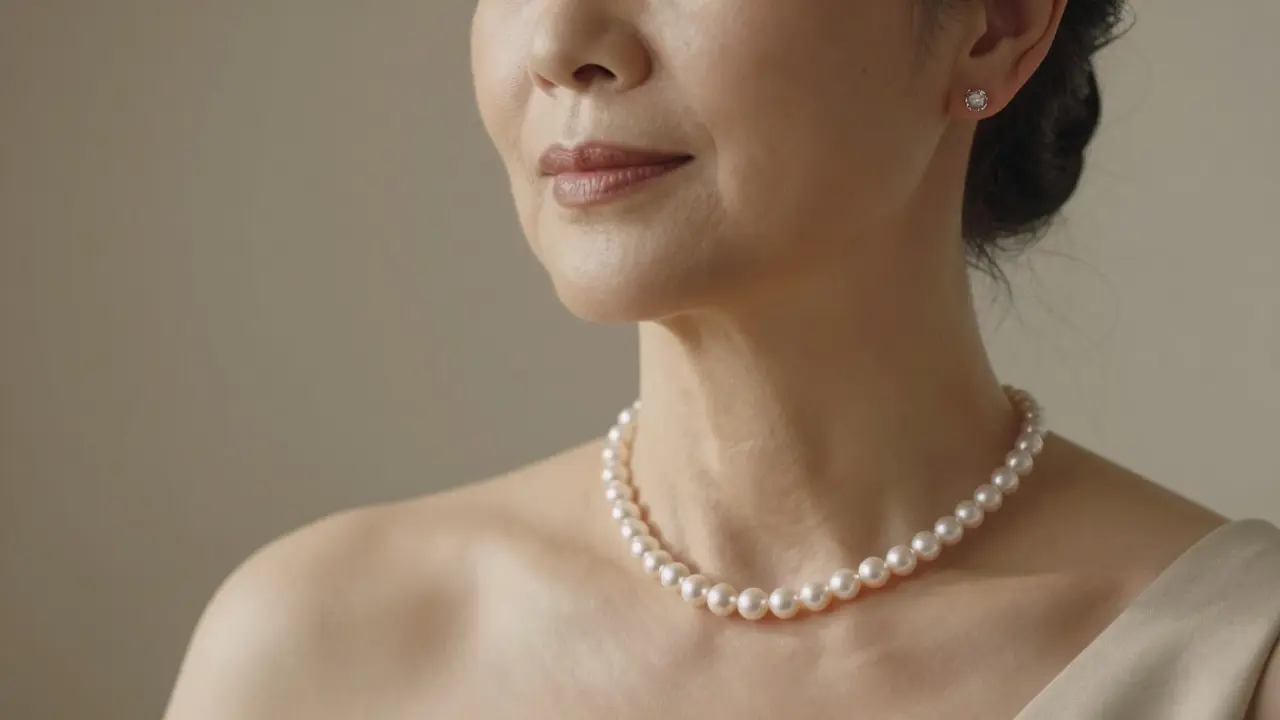
Necklaces follow a similar trajectory. Long, multi-strand beads give way to single strands of pearls or a delicate chain with a meaningful pendant. The focus moves from volume to texture. A smooth pearl reflects light softly, creating a glow that complements mature skin tones beautifully. Rough, textured metals might still work, but they’re usually chosen for their tactile quality rather than their visual bulk.
This doesn’t mean you can never wear big jewelry again. On special occasions, a statement piece can still make an impact. But in daily life, the scale shrinks because the intent shifts from decoration to enhancement. You’re not decorating yourself; you’re enhancing your natural beauty.
Material Shifts: From Trendy Metals to Precious Stones
Another key aspect of jewelry evolution is the material upgrade. Younger shoppers often gravitate toward costume jewelry-plastic, resin, base metals, and cubic zirconia. These materials are affordable, colorful, and disposable. They allow for frequent rotation based on weekly trends. There’s no harm in this; it’s part of the learning process.
However, as financial stability grows and taste refines, there’s a natural migration toward precious materials. Gold, silver, platinum, diamonds, sapphires, and emeralds take center stage. Why? Because they last. A well-made gold bracelet doesn’t tarnish after a few wears. A real pearl doesn’t crack when exposed to humidity. These materials hold value, both monetarily and emotionally.
There’s also a sensory component. Real gold feels warm against the skin. Sterling silver has a cool, clean weight. Synthetic materials often feel hollow or plastic-y. When you wear something precious, you feel its quality. That feeling translates into confidence. You know you’re wearing something that will outlast the season, the trend, and perhaps even yourself.
This shift also aligns with sustainability. Buying fewer, higher-quality pieces reduces waste. Instead of discarding a broken plastic necklace, you pass down a gold heirloom. This circular approach to fashion is increasingly important in today’s conscious consumer landscape. It’s not just about looking good; it’s about doing good.
| Life Stage | Primary Goal | Typical Scale | Common Materials | Key Pieces |
|---|---|---|---|---|
| 20s-30s | Self-Expression & Experimentation | Bold, Oversized | Base metals, Plastic, CZ | Statement rings, Layered necklaces |
| 40s-50s | Refinement & Comfort | Moderate, Balanced | Silver, Gold-filled, Semi-precious | Hoops, Pendant necklaces, Bangle stacks |
| 60s+ | Elegance & Legacy | Dainty, Precise | Precious metals, Gemstones, Pearls | Studs, Solitaire pendants, Bracelets |
Style Archetypes: Finding Your Permanent Voice
While scale and materials change, your core style archetype remains relatively stable. Understanding this helps you navigate transitions smoothly. Are you a minimalist? A romantic? An eclectic mix?
If you’re a minimalist, your evolution looks like subtraction. You remove clutter until only the essential lines remain. A thin band ring, a simple watch, and a pair of small studs might be your entire collection. This style ages exceptionally well because it relies on form and function rather than decoration.
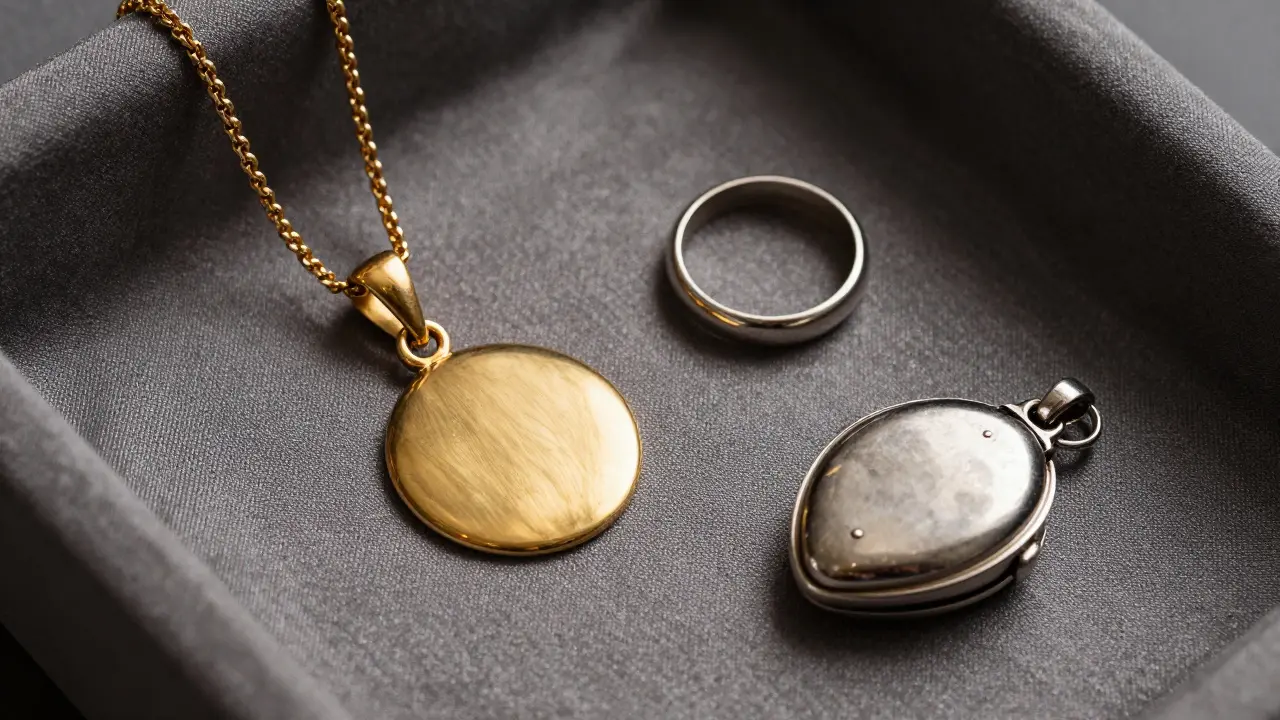
Romantics lean toward softness and sentimentality. Their jewelry evolves from floral motifs to heirloom pieces. A locket with a photo inside replaces a trendy heart charm. The emotion stays the same, but the execution becomes more sophisticated.
Eclectics enjoy mixing textures and eras. For them, evolution means becoming more selective about combinations. Instead of wearing everything at once, they learn to pair a vintage brooch with modern jeans. The chaos becomes curated chaos. It’s still interesting, but it’s no longer overwhelming.
Identifying your archetype helps you shop smarter. You won’t buy a piece just because it’s popular; you’ll buy it because it fits your narrative. This consistency builds a recognizable personal brand, which is the hallmark of true style.
Practical Tips for Navigating the Transition
Transitioning your jewelry collection doesn’t happen overnight. It’s a gradual process of editing and upgrading. Here are some practical steps to help you manage this shift gracefully:
- Audit your current collection: Take everything out of your jewelry box. Wear each piece for a week. Note which ones feel uncomfortable, outdated, or simply don’t spark joy. Donate or sell the rest.
- Invest in staples: Start with versatile basics. A pair of gold or silver studs, a simple chain necklace, and a classic watch. These pieces work with any outfit and any era.
- Focus on fit: Ensure your rings and bracelets fit comfortably. Swelling hands or tighter wrists are common as we age. Adjust sizes proactively.
- Mix old and new: Don’t discard your sentimental pieces. Find ways to integrate them. Resize a too-big ring to wear on a different finger. Turn a broken necklace into a pendant.
- Prioritize comfort: If an earring hurts, don’t wear it. If a necklace chafes, find a softer alternative. Comfort is non-negotiable for daily wear.
- Listen to your body: Pay attention to how jewelry feels physically and emotionally. Does it make you feel confident? Or does it feel like a costume? Choose the former.
Remember, there’s no right or wrong way to evolve. Some women keep their bold styles forever, and that’s wonderful. Others find peace in simplicity. The goal isn’t to conform to a standard; it’s to align your accessories with your current reality.
The Role of Occasion in Modern Jewelry Choices
Our lifestyles have changed, and so have our jewelry needs. In the past, formal events required specific attire and matching accessories. Today, dress codes are blurrier. Business casual meets creative professional. Casual Fridays blend with weekend brunches.
This ambiguity requires jewelry that is adaptable. A delicate gold chain can go from the office to dinner without missing a beat. A sturdy leather bracelet works with sweatpants and sundresses alike. Versatility is the new luxury.
For formal events, you might still reach for something larger, but it’s likely more refined. Instead of a glittering disco ball necklace, you might choose a single strand of South Sea pearls. The impact is quieter but deeper. It signals respect for the occasion without screaming for attention.
Understanding context helps you avoid mismatches. You wouldn’t wear tiny studs to a rock concert (unless that’s your vibe), and you wouldn’t wear giant gaudy rings to a job interview. Reading the room-and knowing your place in it-is part of the maturity process.
Is it okay to wear big jewelry if I'm over 50?
Absolutely. Age is just a number. If you love bold pieces and they make you feel confident, wear them. The key is intentionality. Make sure the piece complements your features and lifestyle rather than overpowering them. Confidence makes any style look good.
How do I transition from costume jewelry to fine jewelry?
Start small. Replace one staple item at a time. Begin with earrings or a necklace that you wear daily. Invest in high-quality materials like sterling silver or 14k gold. Look for pieces that are versatile enough to match multiple outfits. Gradually build your collection over time rather than replacing everything at once.
What is the most versatile jewelry piece for a mature wardrobe?
A pair of simple stud earrings in gold or silver is arguably the most versatile piece. They work with casual clothes, business attire, and evening wear. They’re comfortable for all-day wear and never go out of style. Pair them with a simple chain necklace for a complete, polished look.
Can I mix different metals in my jewelry collection?
Yes, mixing metals is a popular and stylish choice. However, as you refine your style, you might find that sticking to one metal tone creates a more cohesive look. If you mix metals, try to do it intentionally, such as pairing a gold watch with silver bracelets, rather than randomly combining everything. Consistency often reads as more sophisticated.
How do I know if a jewelry piece is worth investing in?
Ask yourself three questions: Will I wear this at least 30 times? Does it fit my current lifestyle? Is it made of durable materials? If the answer is yes to all three, it’s likely a good investment. Focus on quality craftsmanship and timeless designs rather than fleeting trends.