

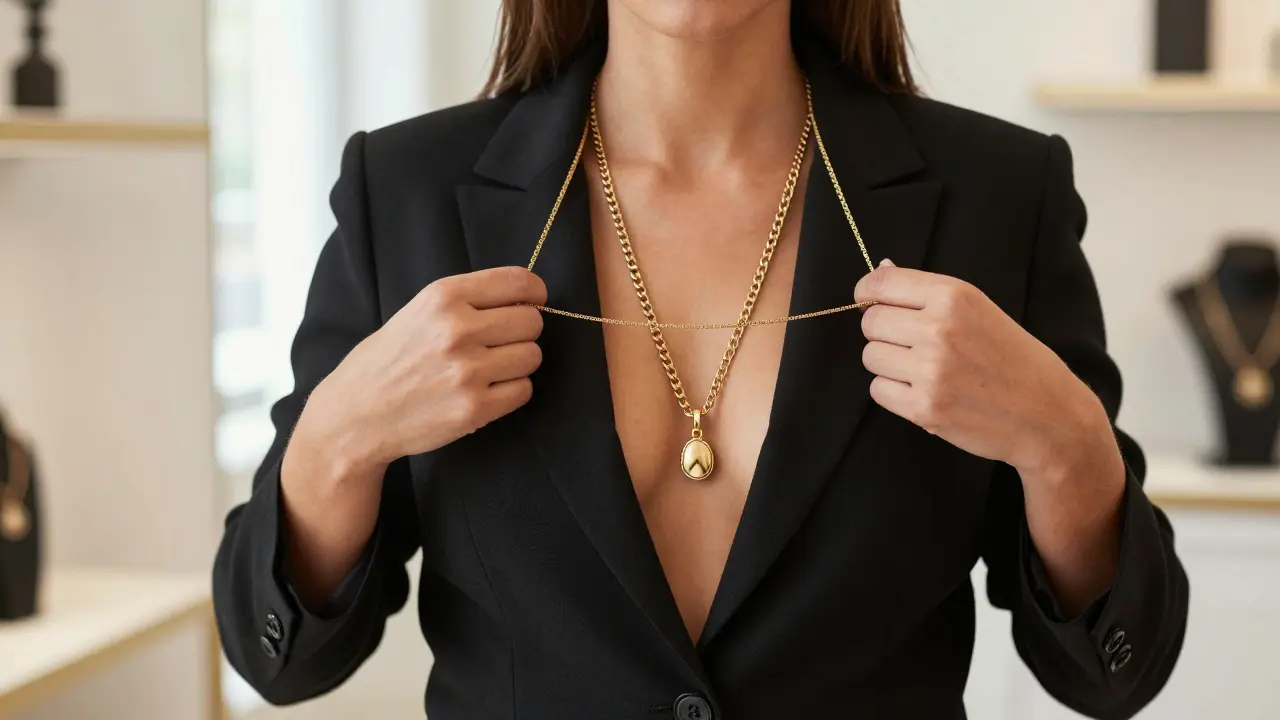
Ever put on a necklace that looked like it belonged on a child, or wore earrings so massive they made your head look small? It’s frustrating. You buy beautiful pieces, but they don’t sit right with your body. For those of us with curvy proportions, standard jewelry sizing often fails. The industry default assumes an hourglass figure with a narrow waist and average bust, leaving many of us guessing what scale actually works.
The good news? You don’t need to shrink yourself to fit the jewelry. You just need to change how you measure success. This isn’t about hiding curves; it’s about using accessories to frame them. We’re going to break down exactly how to pick scales that balance your silhouette, whether you’re rocking a full bust, wide hips, or both.
Why Standard Sizing Fails Curvy Bodies
Fashion brands design for a "sample size" that rarely matches reality. When you see a model wearing delicate chains and tiny studs, remember that her proportions are different from yours. A delicate pendant might get lost against a larger chest, making it look cheap rather than elegant. Similarly, thin bracelets can vanish on wider wrists, while oversized hoops might overwhelm a smaller face if your neck is thicker.
This mismatch creates a visual disconnect. If your jewelry is too small, it looks out of place, almost accidental. If it’s too large without intention, it drags your features down. The goal is harmony. We want the jewelry to complement your volume, not compete with it or disappear into it.
| Body Feature | Too Small Jewelry Result | Too Large Jewelry Result | Ideal Balance |
|---|---|---|---|
| Full Bust | Looks lost, childish | Can add unwanted width | Medium-heavy chains, V-necks |
| Wide Hips | Distracts upward | Balances lower half | Statement earrings, bold rings |
| Thick Neck | Strangles appearance | Overpowers face | Longer lengths (18-24 inches) |
| Wider Wrists | Vanishes completely | Looks bulky/clunky | Cuff styles, bangles |
Understanding Visual Weight and Scale
To fix the fit, we need to talk about visual weight. Think of your outfit as a canvas. Your body takes up space. Your clothes take up space. Your jewelry needs to occupy enough visual real estate to be seen but not so much that it dominates. This is where proportion theory comes in.
If you have a lot of volume in your upper body, you generally need more substantial metalwork or stone settings to match that energy. Delicate gold wire might snap visually under the weight of a thick knit sweater or a structured blazer. Instead, opt for links that have some thickness. A 3mm chain holds its own better than a 1mm chain on a fuller frame.
Conversely, if you have a smaller upper body but carry weight in your hips, you can play with contrast. Here, you don’t necessarily need heavy necklaces. Instead, draw attention upward with medium-sized earrings. This balances the visual equation without adding bulk where you don’t want it.
Necklines and Necklace Lengths: The Golden Rules
Necklaces are the trickiest because they interact directly with your cleavage and collarbone. The length matters more than the style. Here is a practical guide to finding your sweet spot:
- Choker (14-16 inches): Only wear these if you have a defined neck line. If your neck is shorter or thicker, chokers can make your head look like it’s sitting on your shoulders. Skip them unless you’re wearing a high-neck top and want a layered look further down.
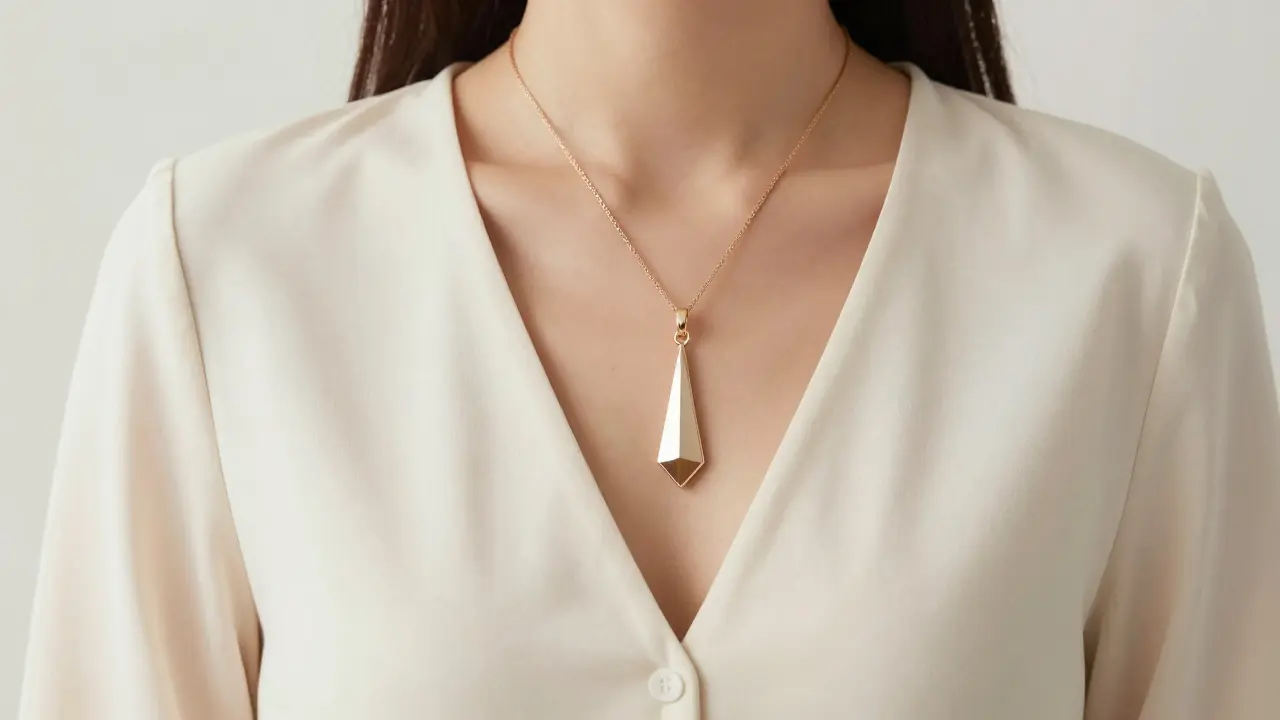
- Princess Length (18 inches): This is the standard. For curvy bodies, this often sits right at the base of the neck. If you have a full bust, this can sometimes dig in or look crowded. Try pushing it slightly lower or opting for a Y-chain.
- Matinee Length (20-24 inches): This is your best friend. It rests below the bust line, creating a vertical line that elongates the torso. It prevents the "choked" look and frames the face beautifully. Pair this with V-necks or scoop necks.
- Opera Length (28+ inches): Great for layering or wearing over turtlenecks. It adds length to your silhouette, which is great if you’re petite and curvy, as it breaks up the horizontal lines of your body.
A pro tip: Always check the clasp. Heavy pendants need secure clasps. If the chain is thin but the pendant is huge, the chain will stretch or break. Match the chain thickness to the pendant size. A 10x10mm stone needs at least a 2mm chain.
Earrings: Framing the Face, Not Overpowering It
Your face is the focal point. Earrings should frame it, not hide it. Many curvy women avoid big earrings because they fear looking "too much." But the opposite is often true. Tiny studs can get lost against a fuller face shape or hair volume.
If you have a rounder face shape, go for angular shapes. Geometric hoops, square drops, or rectangular bars create structure. Avoid perfect circles if you want to add definition. The length of the earring should stop around your jawline or just below. If it hits your shoulder, it’s likely too long and will drag your features down.
Hoops are versatile, but size matters. A 1-inch hoop is safe. A 3-inch hoop makes a statement. If you have a thicker neck, ensure there’s enough skin between the bottom of the hoop and the top of your necklace. You don’t want them tangling visually. Leave a gap of at least two fingers’ width between your earring bottom and any neckline jewelry.
Rings and Bracelets: Don’t Forget the Extremities
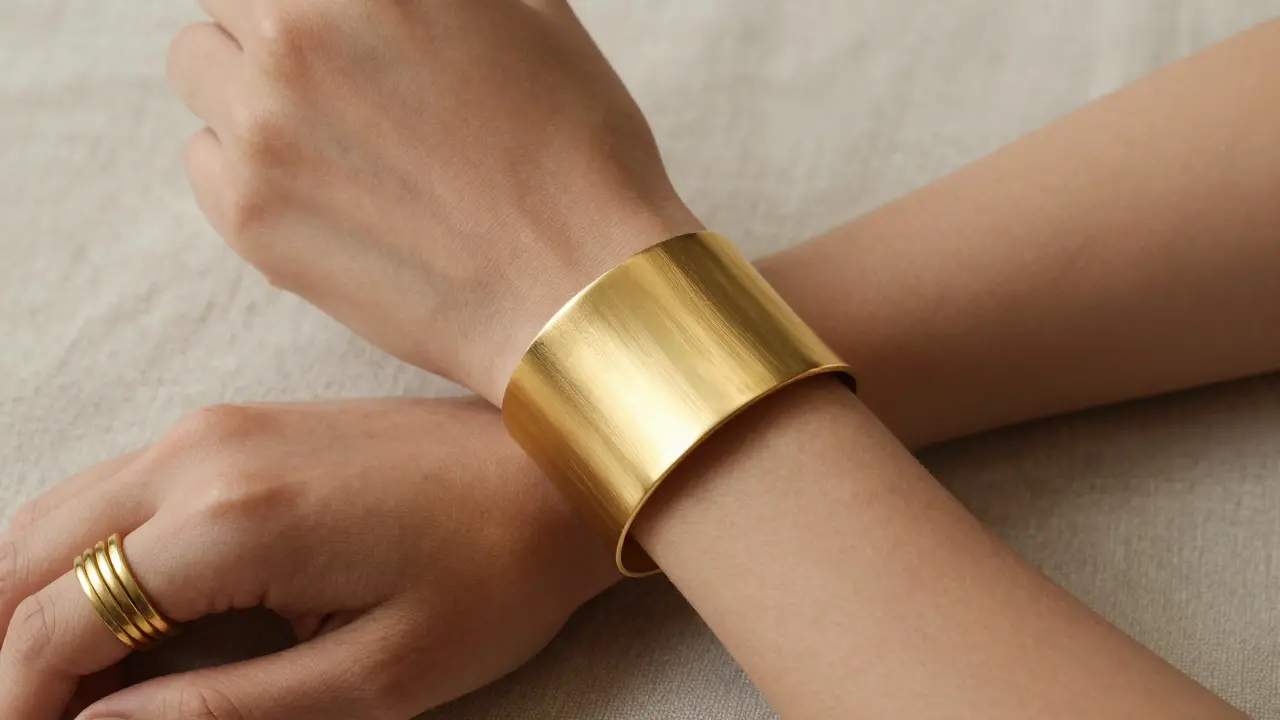
We often focus on the neck and ears, but hands and wrists matter. If you have wider wrists, delicate bangles will look fragile. They might even roll off easily. Opt for cuffs that wrap around the wrist or bangles with some width (at least 5mm). Cuffs also allow for movement, which is comfortable if your wrist swells slightly during the day.
For rings, consider finger length. If you have shorter fingers, avoid wide bands that cover too much knuckle. Stick to classic widths (2-3mm) or stackable thin sets. If you have longer fingers, you can pull off cocktail rings with large stones. The key is balance. If you’re wearing a bold ring, keep the bracelet simple. If the bracelet is chunky, let the rings breathe.
Mixing Metals and Materials for Cohesion
Inclusive fashion isn’t just about size; it’s about confidence in mixing styles. You don’t have to stick to one metal. However, when scaling up, consistency helps. If you’re wearing a large silver statement piece, pair it with other silver accents. Mixing metals works best when one dominates. Let your biggest piece dictate the metal tone.
Texture also adds weight without bulk. Matte finishes absorb light and look heavier than polished shines. If you want a piece to feel substantial but not shiny-bright, choose brushed gold or oxidized silver. These textures hold their own against dark fabrics and busy patterns.
Quick Checklist: Before You Buy
Before clicking "buy" or walking into a store, run through this mental checklist:
- Does the chain thickness match the pendant size?
- Will the necklace length clear my bust line comfortably?
- Do the earrings stop above or at my jawline?
- Is the bracelet wide enough to stay visible on my wrist?
- Does the metal finish match the vibe of my outfit (matte vs. shine)?
Try things on. Photos lie. A necklace that looks long on a flat lay might sit high on your chest. Use a string to measure your desired length before buying. Mark where you want it to fall, then measure that string. Compare it to the product specs.
Troubleshooting Common Issues
Problem: My necklace keeps sliding into my cleavage.
Solution: You need a longer chain or a pendant with a bail that sits higher. Consider a lariat style that ties behind the neck, allowing you to adjust the drop manually.
Problem: My earrings hurt after an hour.
Solution: Curvy bodies often have denser tissue, meaning pressure points are sharper. Switch to lightweight materials like hollow gold, titanium, or acrylic. Avoid heavy gemstones if comfort is an issue.
Problem: I look top-heavy with big earrings.
Solution: Add a subtle necklace. Even a thin chain draws the eye back to the center, balancing the outward pull of large earrings. It anchors the look.
What necklace length is best for a full bust?
A matinee length (20-24 inches) is usually best. It rests below the bust, avoiding digging in and creating a flattering vertical line. Avoid chokers or short princess lengths that sit right at the base of the neck, as they can emphasize width.
Should I wear big or small earrings if I have a round face?
Go for medium-to-large angular shapes. Perfectly round earrings can accentuate roundness. Square, rectangular, or teardrop shapes add structure. Ensure they don't hang below your jawline to maintain balance.
How do I choose bracelet sizes for wider wrists?
Choose cuffs or bangles with width (at least 5mm). Thin bangles can look fragile or slip off easily. Cuffs that wrap partially around the wrist offer a secure fit and a modern look that complements broader proportions.
Can I mix delicate and chunky jewelry?
Yes, but anchor with the chunky piece. Let the bold item dominate and use delicate pieces to fill gaps. For example, a thick cuff paired with thin stacking rings works well. Avoid competing statements, like a huge necklace and huge earrings simultaneously.
Why does my necklace look lost on me?
It’s likely too delicate for your frame. Increase the chain thickness or add a pendant with visual weight. A 1mm chain disappears on a fuller torso; try 2-3mm minimum. Texture also helps matte finishes appear more substantial.