

By now, you’ve probably noticed that jewelry isn’t just an accessory anymore-it’s a statement. And in 2026, the rules have changed. Gone are the days of matching your necklace to your earrings like you’re preparing for a formal event. Today’s jewelry is personal, layered, and bold. It’s not about perfection. It’s about personality. Whether you’re drawn to raw minerals, recycled metals, or stacked rings that tell a story, the trends this year are speaking directly to how we live now: messy, meaningful, and unapologetically individual.
Metals: The Rise of Mixed, Raw, and Recycled
The metal game in 2026 isn’t about choosing one. It’s about mixing. Gold, silver, and rose gold? Sure. But now you’re seeing bronze and vermeil mixed in, often with intentional patina. Think of it like denim-some pieces look brand new, others look like they’ve been worn for years. That’s the point.
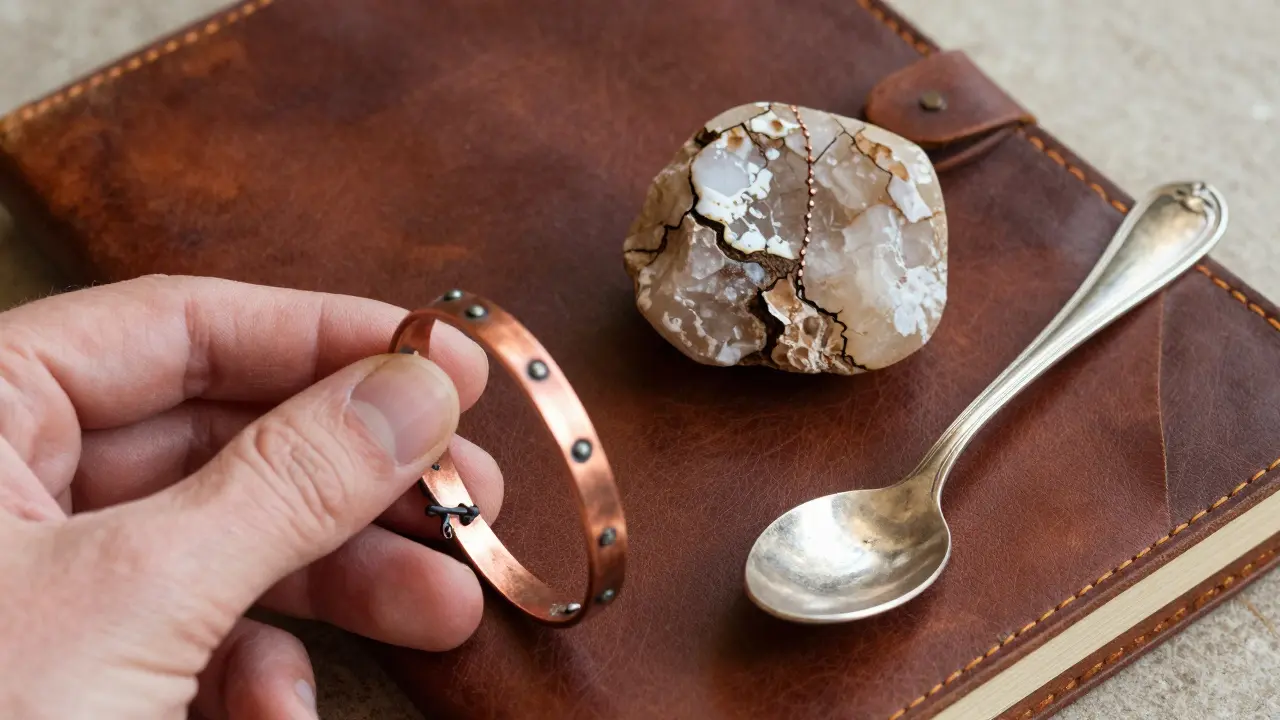
Brands like Apex & Co. a jewelry label known for using reclaimed silver and copper sourced from old electronics and vintage hardware are leading the charge. Their 2026 collection features unpolished brass cuffs with visible tool marks, and rings made from melted-down 1970s silverware. It’s not ‘vintage style.’ It’s reused history.
Even major retailers like Costco a wholesale retailer that expanded its fine jewelry line in 2025 with recycled platinum and nickel-free alloys now offer jewelry made with 95% recycled metals. The shift isn’t just ethical-it’s aesthetic. Raw, unfinished metals have a texture you can feel, not just see. They catch light differently. They age differently. And that’s what people want now: jewelry that changes with them.
Stones: From Diamonds to Desert Quartz
Diamonds? Still here. But they’re not the stars anymore. In 2026, the spotlight’s on stones with character. Desert quartz a naturally fractured, milky-white stone found in the American Southwest with unique internal fractures is everywhere. It’s not flawless. It’s not sparkly. But it’s got history. Each piece looks like it was shaped by wind and time.
Then there’s labradorite a feldspar mineral known for its iridescent blue-green flash, often called "spectrolite" in Finland. Once reserved for boho-chic boutiques, it’s now in high-end department stores. Why? Because it changes under different lights. Wear it indoors? It looks gray. Outside? It flashes electric blue. That kind of magic doesn’t come from a factory.
And don’t overlook black onyx a dense, opaque stone with a glassy finish, often used in minimalist bands and signet rings. It’s not about mourning anymore. It’s about grounding. Designers are using it in asymmetrical earrings and chunky bangles that feel heavy in the best way-like a weight you choose to carry.
Even traditional gemstones are being reimagined. Ruby isn’t just red anymore. Some are cut into raw, unpolished chunks. Sapphires are left with their natural inclusions. The message? Imperfection is beautiful. And authenticity beats polish every time.
Layering: How to Stack Without Looking Like a Joke
Layering jewelry isn’t new. But in 2026, it’s a science. And it’s not about piling on as much as you can. It’s about intention. You’re not just wearing chains-you’re building a visual language.
Start with a base. A simple 14k gold chain a 16-inch, delicate, solid gold chain with a spring ring clasp is the foundation. Then add one statement piece-a wide brass collar, a single pendant with desert quartz. Then, layer in texture. A thin leather cord with a tiny silver charm. A delicate silver hoop with a tiny diamond chip.
Here’s the rule most people miss: balance weight with space. If you’re wearing a chunky ring on your right hand, keep the left hand minimal. If your necklace is long and layered, don’t wear three bracelets on the same wrist. Let each piece breathe.
Stacking rings? Forget matching sets. Try this: one wide band, one thin engraved band, and one tiny signet. Place them on different fingers. A ring on your pinky, one on your index, one on your middle. It’s not random-it’s strategic. And it looks intentional because it is.
And don’t forget ear stacking. Three studs? Too basic. Try a helix piercing with a tiny silver hoop, a lobe with a 10mm geometric disc, and a conch with a small pendant. The result? A silhouette that turns heads without shouting.
What’s Out: The Trends That Faded
Not everything survives. Here’s what’s quietly disappearing:
- Matching sets-the idea that your necklace, earrings, and bracelet must be identical is dead. No one wants to look like they got dressed from a catalog.
- Thin, delicate chains-they still exist, but now they’re only worn as part of a layered look. Alone? They look lost.
- Clear quartz-once a staple for "energy healing" jewelry, it’s been replaced by more textured, naturally varied stones.
- Plated jewelry-with recycled metals becoming affordable, people are skipping the thin coating. Solid metal, even if it’s brass, lasts longer and looks richer.
Real People, Real Style
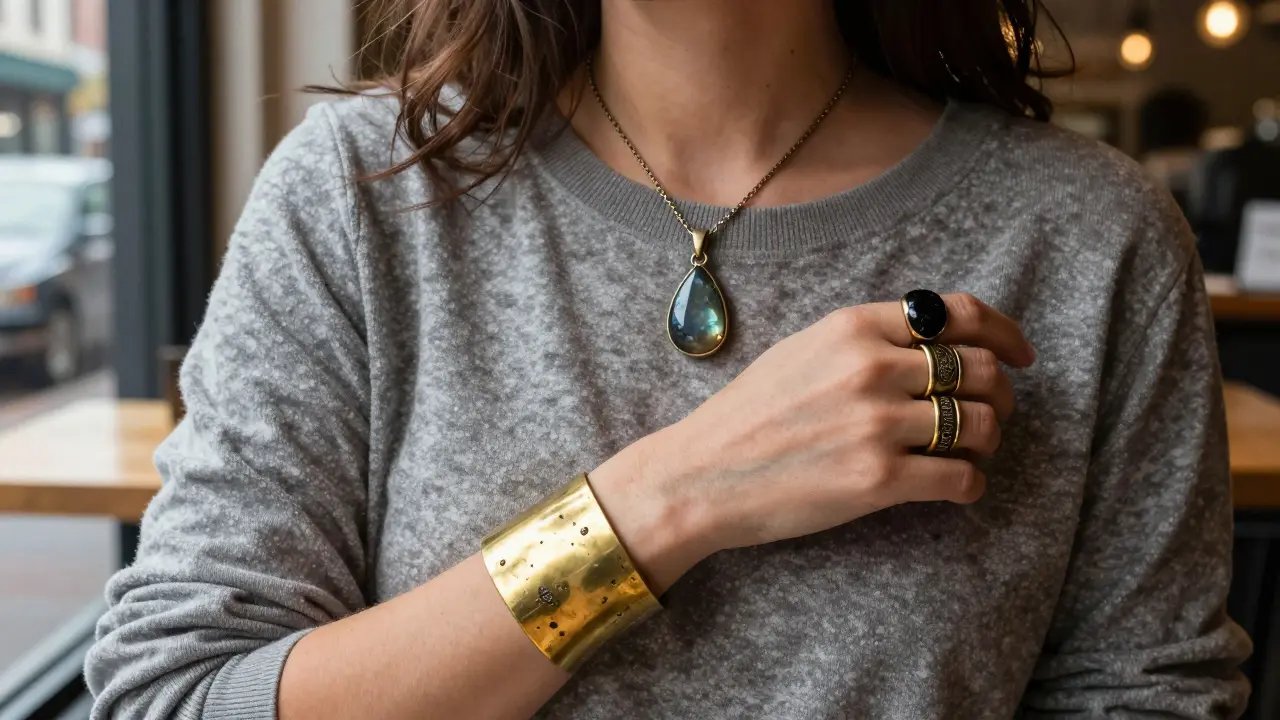
Take Maya, 28, from Portland. She works in a nonprofit and wears a recycled copper a bracelet made from reclaimed copper wiring, hand-forged into a twisted band on her left wrist, a labradorite pendant a teardrop-shaped stone set in hammered silver, worn on a 20-inch chain around her neck, and three stacked rings-one with a tiny black onyx chip, one engraved with her grandmother’s initials, one plain brass. She didn’t buy them to match. She bought them because each one has a story.
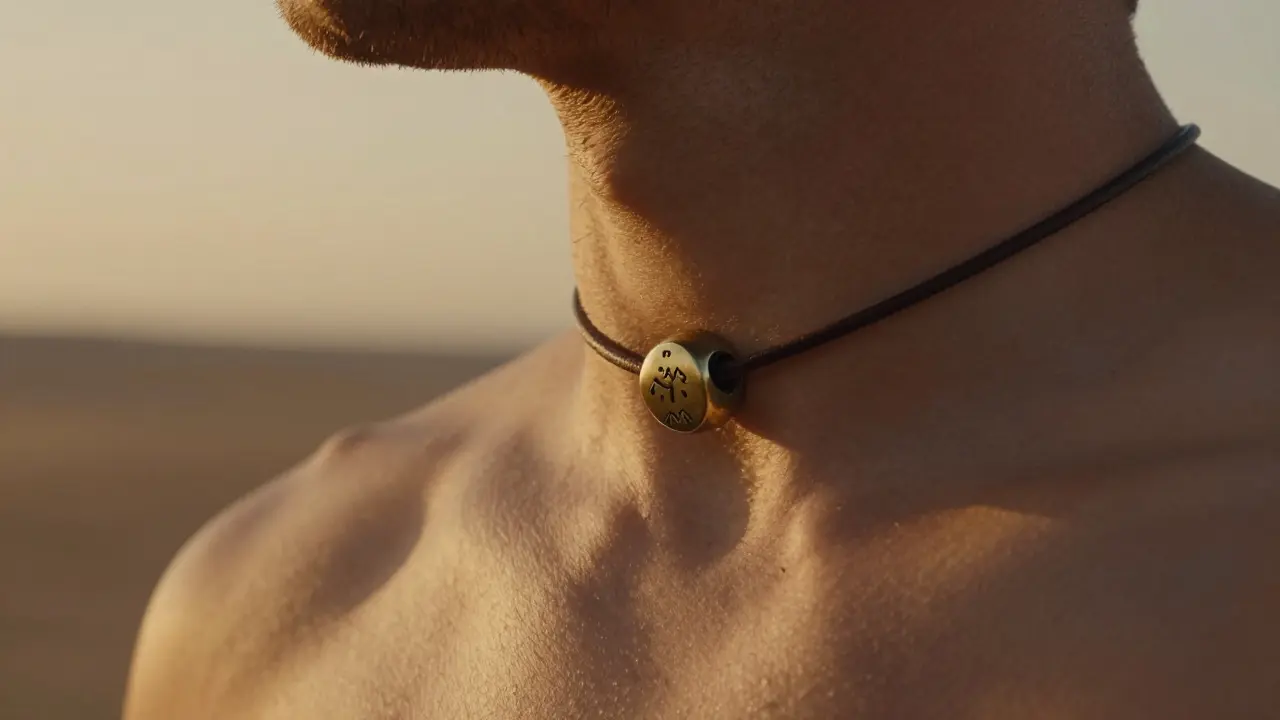
Or Jamal, 34, in Atlanta. He wears a bronze signet ring a wide, unpolished ring with a flat top, carved with his initials and a small mountain symbol on his right hand, a leather cord with a single brass bead a 24-inch cord strung with a hand-cast brass bead from a local artisan around his neck, and no earrings. He says, "I don’t need sparkle. I need substance."
That’s the shift. Jewelry isn’t about looking expensive. It’s about feeling true.
How to Build Your Own 2026 Jewelry Style
Start small. Pick one metal you love. If you’re drawn to warmth, go for bronze or rose gold. If you like cool tones, try brushed silver or recycled platinum. Then pick one stone that speaks to you-not because it’s popular, but because it catches your eye when you walk past it in a store.
Shop secondhand. Vintage shops, estate sales, even Etsy sellers who specialize in upcycled materials. You’ll find pieces with history, not just price tags.
And when you layer, ask yourself: Does this feel like me? Not like Instagram. Not like the influencer you follow. Like you.
| Element | 2026 Trend | What’s Replacing It |
|---|---|---|
| Metal | Mixed, raw, recycled | Plated, polished, matching sets |
| Stones | Desert quartz, labradorite, black onyx | Clear quartz, synthetic diamonds |
| Layering | Intentional, textured, asymmetrical | Matching necklaces, uniform rings |
| Style | Personal storytelling | Brand-driven trends |
Frequently Asked Questions
Are recycled metals really as durable as new ones?
Yes. Recycled gold, silver, and platinum have the same purity and strength as newly mined metals. The difference is in the source. Recycled metals are melted down from old jewelry, electronics, or industrial scrap, then refined to industry standards. Many labs now test recycled metals for trace contaminants, and top brands publish their sourcing reports. A 14k recycled gold ring is just as strong as one made from virgin ore.
Can I layer jewelry if I have sensitive skin?
Absolutely. Look for nickel-free alloys. Many 2026 collections use surgical-grade stainless steel, titanium, or 14k gold filled (not plated). If you react to certain metals, stick to solid metals rather than coatings. A brass piece with a clear lacquer finish might be better than a plated one that wears off. Test new pieces on your inner wrist for 24 hours before wearing daily.
Is labradorite fragile?
Labradorite is a feldspar mineral with a hardness of 6-6.5 on the Mohs scale-softer than quartz but harder than talc. It’s durable enough for rings and pendants if you avoid hard knocks. Avoid wearing it while gardening, lifting weights, or doing heavy chores. A simple cleaning with a soft cloth and mild soap keeps it looking vibrant. Avoid ultrasonic cleaners-they can strip the surface.
How do I clean raw metal jewelry?
Don’t polish it. Raw metals like bronze and brass are meant to develop a patina. Wipe them gently with a dry microfiber cloth. If they get grimy, use a soft toothbrush with soapy water, then air-dry. Avoid jewelry cleaners with ammonia or abrasives-they’ll strip the character. If you want to slow the darkening, store pieces in a sealed bag with a silica packet.
Where can I find authentic desert quartz jewelry?
Desert quartz is sourced primarily from Arizona and New Mexico. Look for artisans who list their stone origin-brands like Desert Stone Collective a small studio that partners with local rock collectors to source ethically mined quartz or High Desert Craft a jewelry line that uses only stones collected from public lands with permits. Avoid pieces labeled "desert quartz style"-those are usually just white quartz from overseas. Authentic desert quartz has cloudy, fractured patterns and a slightly uneven surface.
Next Steps
Start by looking at your current jewelry. What’s sitting in a drawer? Maybe that one ring you never wear because it’s too plain? Or that necklace you bought on vacation? Those are your starting points. Try mixing them. Pair a vintage silver pendant with a modern brass chain. Stack your grandmother’s thin band with a thick, raw copper ring.
Don’t wait for the perfect piece. The trend isn’t about buying more. It’s about wearing what you already have differently. Jewelry in 2026 isn’t about trends. It’s about truth. And you already know what that looks like.


Write a comment