

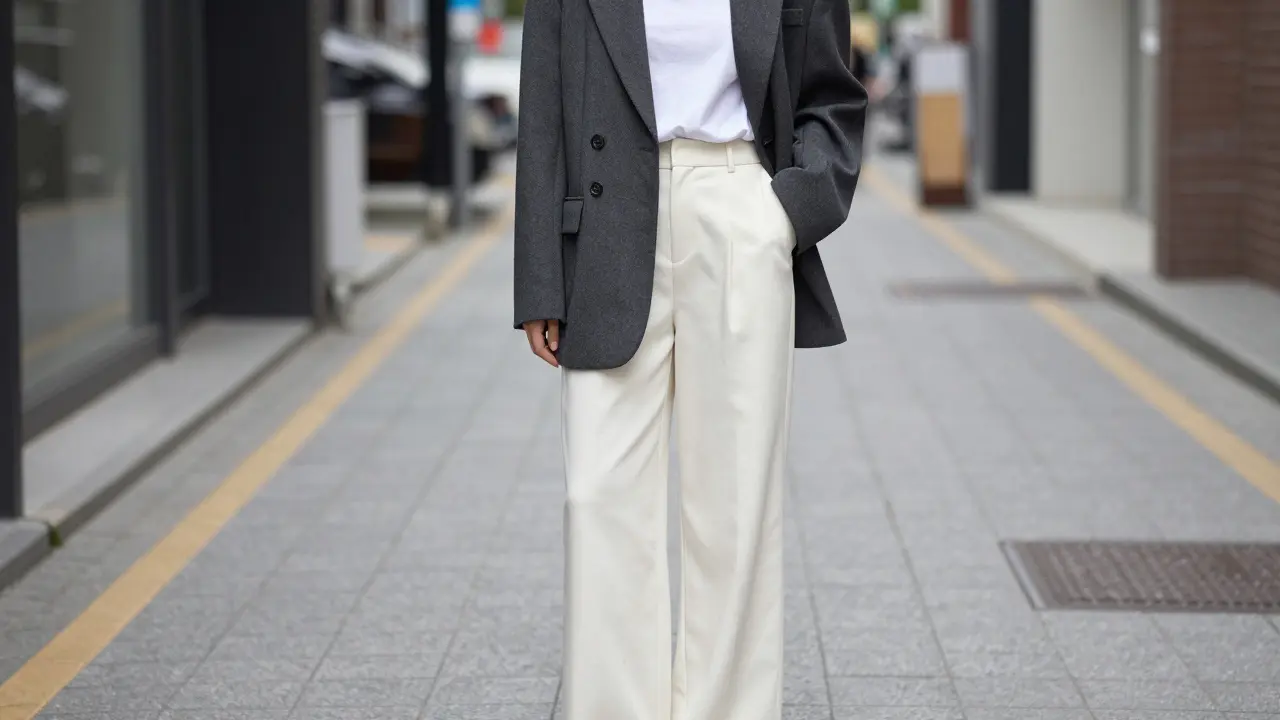
Walk down the streets of Gangnam or Hongdae in Seoul, and you’ll notice something distinct. It’s not just about looking expensive; it’s about looking effortless. You see people dressed in monochromatic layers, wide-leg trousers that skim the floor, and oversized blazers that drape perfectly over simple tees. This is Korean minimalist style, a fashion aesthetic characterized by clean lines, muted color palettes, and high-quality basics that prioritize comfort and subtle elegance over loud trends. Unlike Western minimalism, which can sometimes feel stark or utilitarian, the Korean approach adds warmth through texture and softness.
If you’ve ever felt overwhelmed by fast-fashion trends or wanted a wardrobe that actually works together, this aesthetic is your answer. It’s not about wearing less for the sake of deprivation. It’s about curating pieces that make you feel confident without trying too hard. Here is how you can adopt this look, whether you live in New York, London, or anywhere else.
The Philosophy Behind the Look
To get Korean minimalism right, you first need to understand what drives it. In Korea, there is a cultural concept often linked to fashion called "clean chic." It values order, hygiene, and harmony. When applied to clothing, this means avoiding clutter-both visual and physical. No giant logos, no clashing patterns, no unnecessary accessories.
This style draws heavily from Seoul street fashion, which has evolved into a global trend known as K-style. It blends traditional modesty with modern urban practicality. The goal isn’t to hide your body but to frame it with structure. Think of it as architectural dressing. Every piece has a purpose, and every layer adds depth rather than bulk.
Why does this matter? Because when you stop chasing micro-trends, you save money and reduce decision fatigue. You wake up, grab two items that match, and go. That freedom is the real luxury here.
Mastering the Color Palette
The foundation of this aesthetic is color. If you look at any Korean fashion blog or Instagram feed, you will see a consistent theme: neutral tones dominate. We’re talking shades of beige, cream, oatmeal, charcoal, black, white, and soft grays. Occasionally, you might see a muted sage green, dusty blue, or pale lavender, but these are always desaturated.
Here is why this works so well:
- Versatility: A beige trench coat goes with almost everything. A gray sweater matches both jeans and tailored trousers.
- Timelessness: Bright neon colors fade out of style quickly. Neutrals do not.
- Visual Calm: Muted colors are easier on the eyes, creating a sense of sophistication.
Start by auditing your closet. If you have bright reds, electric blues, or busy floral prints, consider setting them aside for now. Focus on building a base of neutrals. You don’t need fifty shades of gray; you need three or four key tones that work together. For example, pair an oat-colored knit with cream trousers and a darker camel coat. The variation in tone creates interest without breaking the minimalist rule.
Sleek Silhouettes and Fit
Color gets you halfway there. Fit gets you the rest of the way. Korean minimalism relies on sleek silhouettes that balance volume and structure. This doesn’t mean tight-fitting clothes. In fact, most of the staples are loose. But they are loose in a controlled way.
Key silhouette elements include:
- Oversized Blazers: Shoulder pads should be soft, not rigid. The jacket should drape over your hips, not end at your waist.
- Wide-Leg Trousers: High-waisted pants with a straight or wide leg create a long, lean line. They should barely touch the ground or sit just above your shoes.
- Structured Knits: Sweaters that hold their shape rather than slouching everywhere. Turtlenecks are a major staple here.
- Layered Vests: Sleeveless vests worn over shirts add dimension without adding bulk to the arms.
The trick is proportion. If you wear a baggy top, pair it with fitted bottoms or structured trousers. If you wear wide-leg pants, keep the top more fitted or tucked in. This balance prevents the outfit from looking sloppy. It looks intentional.
Texture Over Pattern
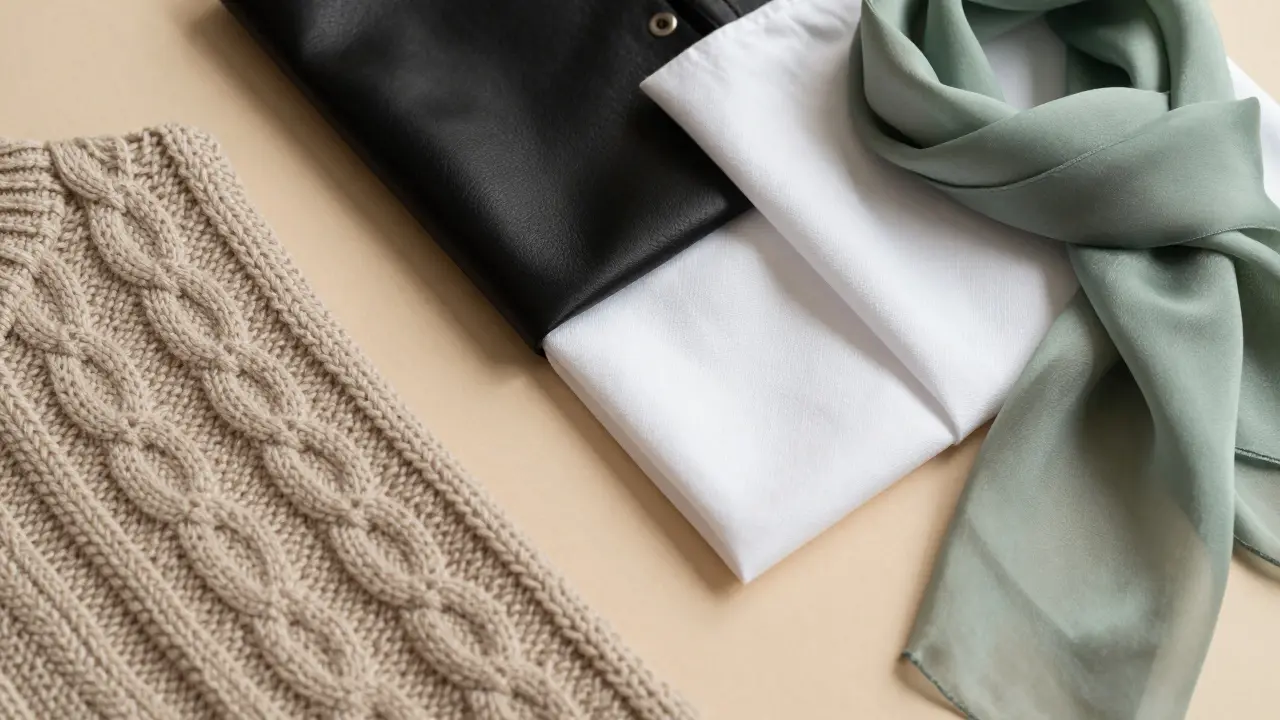
When you remove bold patterns and bright colors, texture becomes your best friend. Without it, an all-beige outfit can look flat or boring. Korean minimalists use fabric variety to add visual weight.
Mix materials like wool, cotton, silk, leather, and denim. For instance, pair a rough-hewn linen shirt with smooth satin trousers. Or wear a chunky cable-knit sweater with sleek leather pants. The contrast between matte and shiny, soft and stiff, keeps the eye engaged.
Pay attention to details like ribbing on cuffs, seam lines on jackets, or the weave of a scarf. These small textural differences signal quality. Cheap fabrics often look thin or shiny in a bad way. Invest in natural fibers where possible, as they age better and look more expensive.
Building Your Capsule Wardrobe
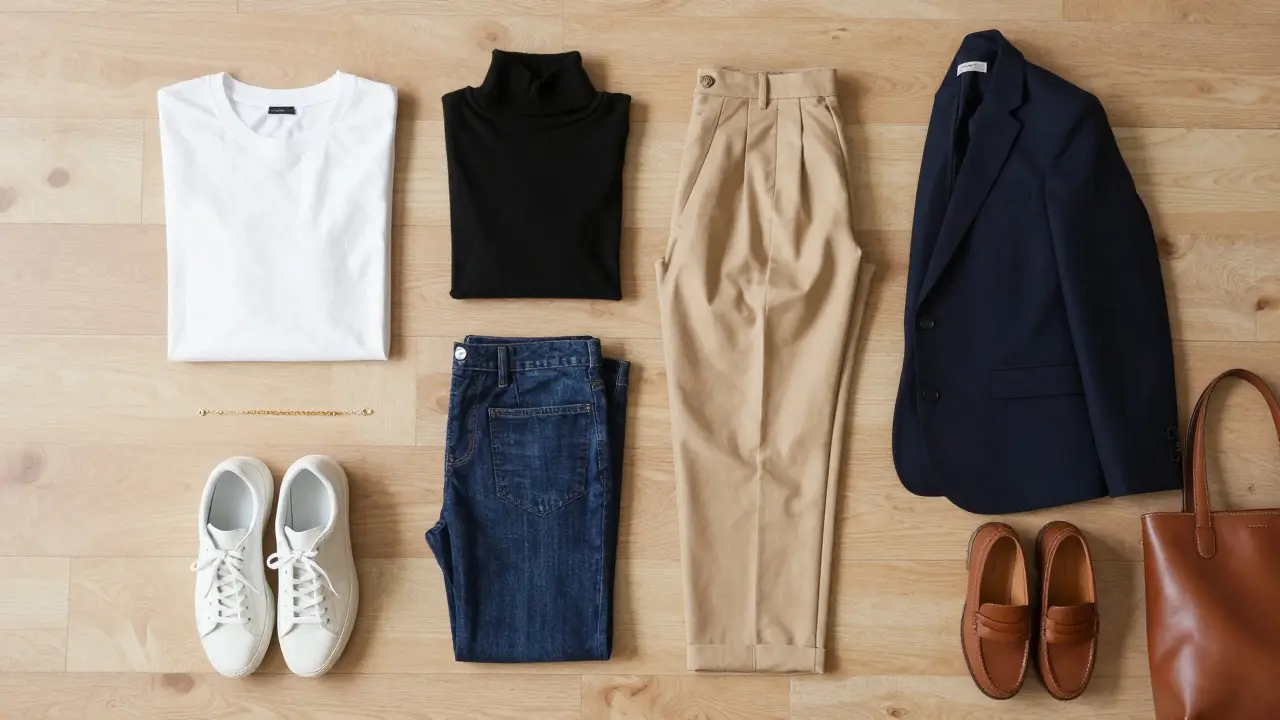
You don’t need a massive closet to pull this off. In fact, fewer items make it easier. Aim for a capsule wardrobe consisting of 30-40 versatile pieces. Here is a starter list based on the Korean minimalist approach:
| Category | Item | Color Options | Material Tip |
|---|---|---|---|
| Tops | White T-Shirt | White, Cream | Heavyweight cotton |
| Tops | Turtleneck Sweater | Black, Beige, Gray | Merino wool or cashmere blend |
| Outerwear | Oversized Blazer | Charcoal, Navy, Black | Wool blend with structure |
| Bottoms | Wide-Leg Trousers | Black, Khaki, White | Cotton twill or crepe |
| Bottoms | Straight Jeans | Dark Indigo, Black | Rigid denim (no distressing) |
| Shoes | Minimalist Sneakers | White, Black | Leather or canvas |
| Shoes | Loafers or Boots | Brown, Black | Smooth leather |
Notice how every item here can mix and match with the others. The white tee goes with the blazer, the trousers, and the jeans. The turtleneck works under the blazer or alone with the trousers. This interchangeability is the core benefit of the system.
Subtle Statements and Accessories
Does minimalist mean boring? Absolutely not. It means subtle statements. Instead of a giant logo belt, you choose a beautifully crafted leather strap. Instead of flashy jewelry, you pick delicate gold chains or simple stud earrings.
Accessories in this style serve two purposes: function and refinement. A large tote bag in neutral leather holds your laptop and books while looking polished. A silk scarf tied loosely around the neck adds a pop of texture. Sunglasses with a classic shape protect your eyes and add mystery.
Hair and makeup follow the same rule. Hair should look healthy and natural, often styled in a low bun or loose waves. Makeup focuses on skin care-glowing, hydrated skin with a tint of lip balm or mascara. The idea is to look rested and put-together, not done-up.
Where to Shop and What to Avoid
Finding these pieces requires patience. Fast fashion brands often copy the look but miss the quality. Thin fabrics pill after one wash. Seams unravel. Buttons fall off. To maintain the sleek silhouette, you need structure.
Look for brands that focus on basics. In the US, stores like Everlane, Arket, or COS offer good entry-level options. For higher-end pieces, Korean brands like Andaroom, Musinsa Standard, or Gentle Monster (for accessories) are worth exploring online. Thrift stores are also excellent sources for vintage wool coats and leather bags that have aged well.
Avoid anything with visible branding, excessive rips, or synthetic sheen. If a garment looks like it was designed to be seen from across the room, it probably doesn’t fit this aesthetic. You want pieces that invite closer inspection.
Common Mistakes to Avoid
Even with the best intentions, it’s easy to slip up. Here are three common errors:
- Too Many Layers: While layering is key, piling on five thin sweaters creates bulk. Stick to two or three layers max.
- Igoring Tailoring: Even minimalist clothes need to fit. If your trousers drag on the floor, get them hemmed. If your blazer shoulders droop, take it to a tailor.
- Monotony: Wearing head-to-toe beige every day can feel dull. Introduce slight variations in tone or texture to keep things interesting.
Remember, this style is a practice, not a perfect destination. Experiment with proportions. Try pairing unexpected textures. See what feels comfortable and confident for your body type.
Final Thoughts on Effortless Style
Adopting Korean minimalist style is more than a wardrobe change. It’s a shift in mindset. It asks you to value quality over quantity, simplicity over complexity, and authenticity over approval. When you dress this way, you spend less time worrying about what you’re wearing and more time living your life.
Start small. Pick one neutral outfit this week. Notice how it feels. Does it make you move differently? Do people comment on how polished you look? Use those moments to build momentum. Soon, this won’t feel like a costume. It will feel like you.
Is Korean minimalist style only for women?
No, absolutely not. Korean minimalism is gender-neutral. Men’s versions of this style feature similar principles: neutral colors, structured blazers, wide-leg or straight-fit trousers, and clean sneakers or boots. Brands like Common Projects or Uniqlo’s U collection cater heavily to this male demographic.
Can I incorporate Korean minimalist style if I have a colorful personality?
Yes. You can keep your vibrant spirit by using accessories or inner layers to show color. Wear a bright silk scarf under a neutral coat, or choose colorful socks with minimalist shoes. The outer shell remains calm, allowing your personality to peek through subtly.
How do I maintain minimalist clothes so they last longer?
Care is crucial. Wash clothes inside out in cold water to preserve color and fabric integrity. Air dry whenever possible instead of using a dryer, which can shrink and damage fibers. Store knits folded to prevent stretching. Regularly inspect seams and buttons for early repairs.
What is the difference between Scandinavian and Korean minimalism?
Scandinavian minimalism tends to be cooler, sharper, and more functional, often featuring stark whites and blacks. Korean minimalism is softer, warmer, and more romantic. It uses more pastels, textured knits, and flowing fabrics. Think crisp geometry vs. gentle curves.
Is this style expensive to maintain?
It can be, but it doesn’t have to be. The philosophy encourages buying fewer, better items. While some designer pieces are pricey, many affordable brands offer high-quality basics. Thrifting and sales are great ways to build this wardrobe on a budget. The cost per wear drops significantly because you wear each item more often.