

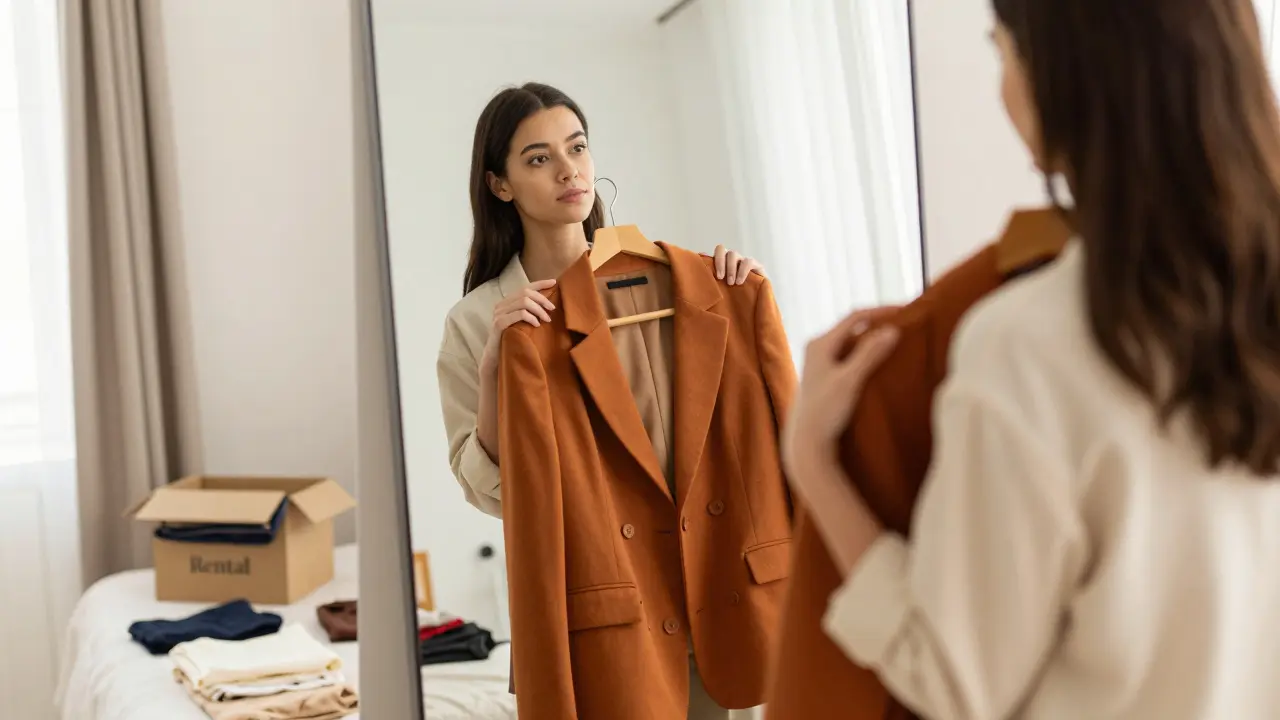
Have you ever stared at a rack of clothes, feeling that spark of curiosity about a look that feels completely alien to your usual uniform? Maybe it’s a bold print, an oversized silhouette, or a texture you’ve never worn before. The desire to experiment is natural, but the fear of wasting money on something you’ll only wear once holds most of us back. That hesitation is exactly why low-stakes fashion experimentation has become such a vital part of modern style foundations. It’s not about buying into every trend; it’s about testing the waters without sinking your budget.
In 2026, the fashion landscape is more accessible than ever, thanks to a shift in how we consume clothing. We are moving away from the 'buy and keep' mentality toward a more fluid approach where garments serve as temporary tools for self-expression. This mindset allows you to explore new aesthetics-whether it’s streetwear, minimalist chic, or vintage revival-without the heavy financial commitment or closet clutter that usually follows impulsive shopping. By adopting these strategies, you can build a deeper understanding of what truly works for your body and lifestyle, all while keeping your wallet intact.
The Psychology of Style Safety
Before we talk about where to find clothes, let’s talk about why we stick to our comfort zones. Most people have a 'style safety zone'-a set of brands, cuts, and colors they know will work. Stepping out of this zone triggers a specific type of anxiety: the fear of looking foolish or, worse, wasting resources. Low-stakes experimentation dismantles this fear by removing the permanence of ownership. When you don’t own the item, the pressure drops. You’re not making a long-term investment; you’re conducting a short-term audit of your personal taste.
This psychological shift is crucial for building confidence. Think of it like trying a new cuisine. You wouldn’t buy a lifetime supply of ingredients after eating one dish. You’d order a small plate first. Fashion works the same way. By treating new styles as 'samples' rather than 'investments,' you give yourself permission to fail. And in fashion, failure is just data. If an oversized blazer makes you feel bulky, you now know that’s not your vibe. That knowledge is worth more than the garment itself.
Renting: The Ultimate Zero-Risk Tool
If there is one method that defines low-stakes experimentation, it is clothing rental. The subscription model has matured significantly since its early days. Platforms like Rent the Runway, Nuuly, and Le Tote have expanded beyond formal wear to include everyday staples. This is your golden ticket to trying high-end fabrics, avant-garde cuts, or niche designers without paying full price.
Here is how to use rental services effectively for style exploration:
- Test Silhouettes: Want to see if wide-leg trousers flatter your proportions? Rent a pair from three different brands. See which rise and fabric weight feels best. Once you know, you can buy a cheaper version or stick with renting for special occasions.
- Explore Color Palettes: If you always wear black and navy, rent a vibrant emerald green dress or a burnt orange suit. Wear it for a week. Does it energize you? Do you feel confident? Or does it clash with your skin tone? The answer comes quickly when you live in the color for a few days.
- Assess Quality vs. Price: Sometimes, a $300 jacket looks great online but feels cheap in person. Renting lets you touch the material, check the stitching, and see how it drapes on your actual body before you consider purchasing a similar item elsewhere.
The key here is intentionality. Don’t just rent random items. Pick one variable to test at a time. Are you exploring volume? Texture? Color? Keep the rest of your outfit familiar so you can isolate the impact of the new element.
| Platform | Best For | Price Range (Monthly) | Return Policy |
|---|---|---|---|
| Rent the Runway | Designer pieces, formal wear | $89 - $199 | Free shipping both ways |
| Nuuly | Trendy casuals, indie brands | $88 | Keep up to 6 items/month |
| Le Tote | Everyday basics, workwear | $49 - $79 | Unlimited swaps |
Thrifting and Secondhand Sampling
Thrift stores are the original low-stakes playground. The prices are so low that even if you buy five things and only love one, you haven’t really lost anything. In 2026, with the rise of curated secondhand platforms like Depop, Vinted, and ThredUp, you can also shop online with filters for specific styles, sizes, and conditions.
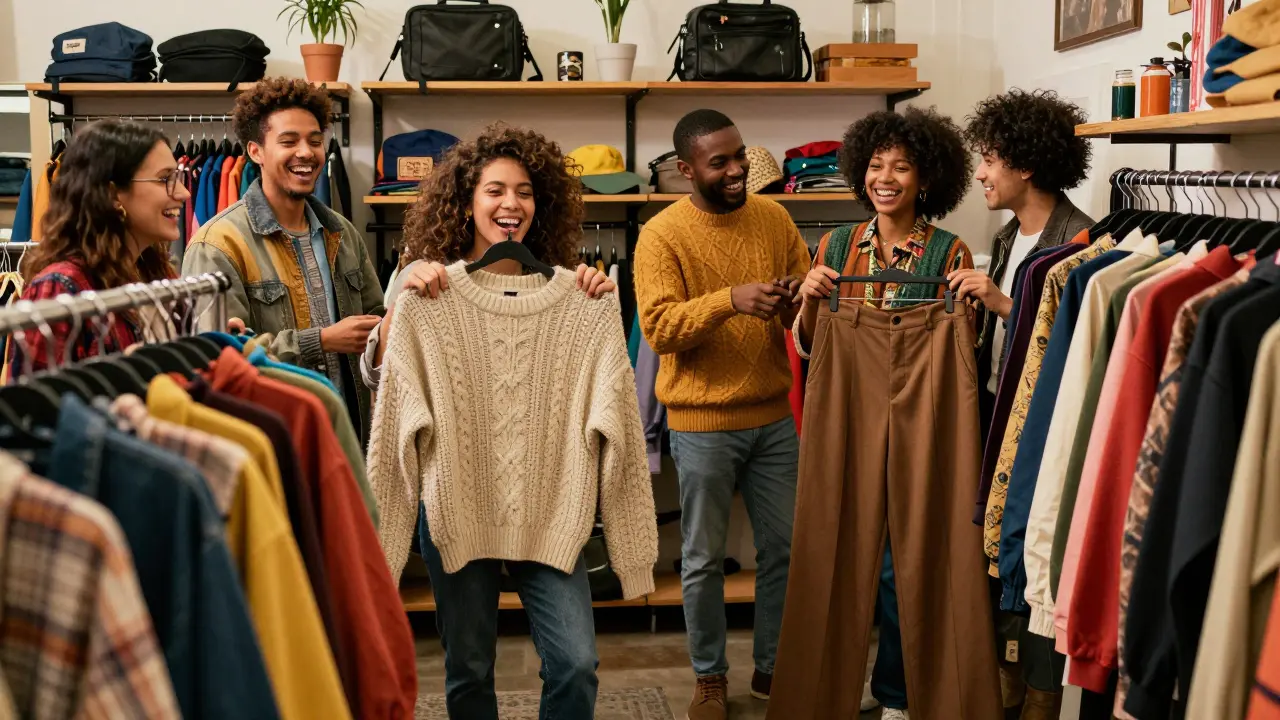
The strategy here is 'bulk sampling.' Instead of hunting for one perfect vintage piece, go in with the goal of finding three potential experiments. Buy a chunky knit sweater, a pair of pleated pants, and a graphic tee-all for under $50 total. Take them home. Wash them. Try them on with your existing wardrobe. If the sweater itches or the pants ride up, donate them back. You’ve paid a tiny fee for valuable information about your preferences.
This approach also aligns with sustainable fashion principles. By extending the life of garments, you reduce waste. But more importantly, it removes the emotional attachment that comes with spending hundreds of dollars. When a $15 shirt doesn’t work, you toss it without guilt. That freedom encourages bolder choices.
The Power of Accessories
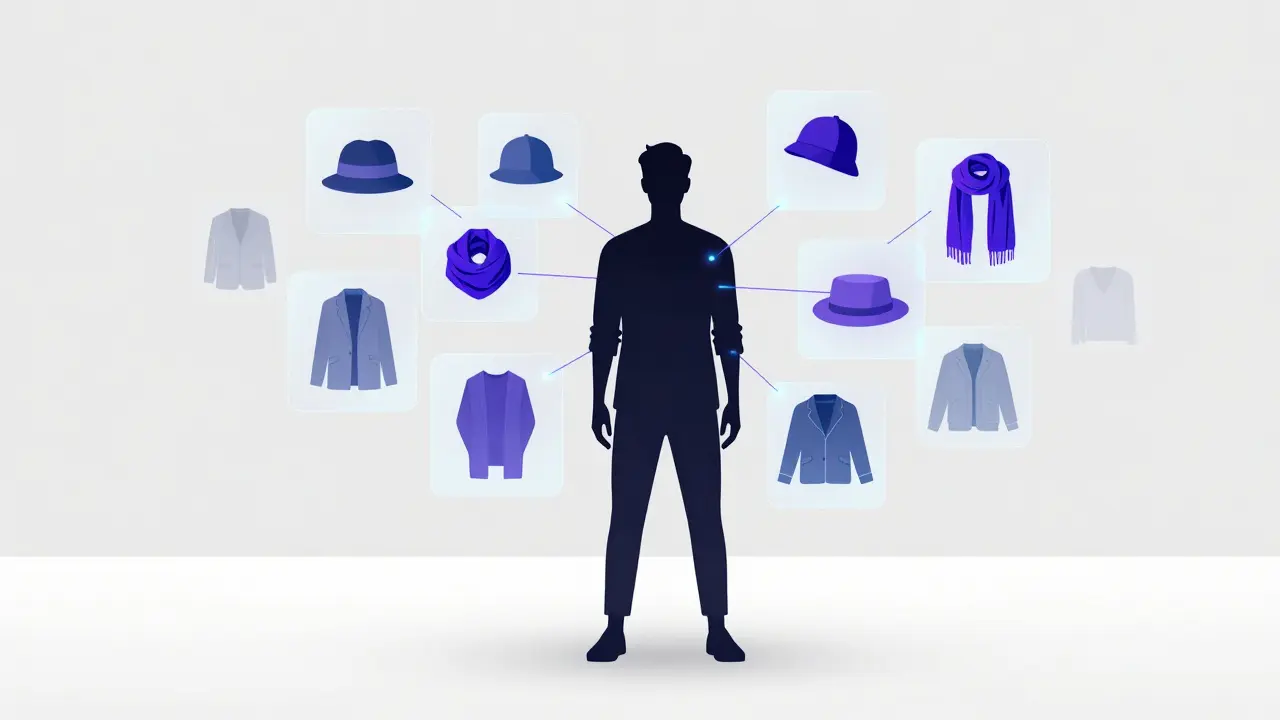
Sometimes, you don’t need new clothes to change your look. Accessories are the lowest-risk entry point into a new style. A hat, a scarf, a pair of shoes, or a statement bag can completely alter the vibe of an outfit you already own. They are inexpensive, easy to return, and highly versatile.
For example, if you want to dip your toes into bohemian style, you don’t need to buy a whole maxi dress collection. Start with a wide-brimmed hat and some layered necklaces. Pair them with your favorite jeans and t-shirt. Suddenly, you’re experimenting with the aesthetic without overhauling your wardrobe. If you hate it, you’ve spent less than $30. If you love it, you can gradually add more pieces.
Shoes are another powerful tool. Switching from sneakers to loafers, or from heels to ankle boots, changes your posture and how you carry yourself. This physical shift can make a new style feel more authentic. Try borrowing shoes from a friend or buying a cheap pair online to test the terrain before investing in designer footwear.
Digital Styling and Virtual Try-Ons
Technology has made it easier than ever to experiment without leaving your house. Augmented reality (AR) and virtual try-on features are becoming standard on major retailer websites and apps. While they aren’t perfect, they provide a good sense of scale and proportion. Apps like PoseID or features within Amazon and Zara allow you to upload a photo and see how certain items might look on your body type.
Additionally, digital styling platforms offer AI-driven recommendations based on your past purchases and preferences. These tools can suggest combinations you might not have considered. Use them as inspiration boards. Create mood boards on Pinterest or Instagram, saving images of outfits that catch your eye. Look for patterns. Do you keep saving leather jackets? Are you drawn to monochromatic looks? Your digital footprint often reveals your subconscious style desires before you’re ready to act on them physically.
You can also engage in 'digital dressing' games. There are numerous online simulators where you mix and match virtual clothing items. It sounds trivial, but it helps you understand color theory and silhouette balance without any financial risk. It’s practice for the real thing.
Borrowing from Friends and Family
Don’t underestimate the power of your social circle. Many people have closets full of items they rarely wear. Ask friends if you can borrow a piece for a weekend. This is particularly effective for larger items like coats, dresses, or suits. Not only is it free, but it also adds a layer of social validation. If your stylish friend loves a certain brand or cut, they might be willing to lend it to you.
This creates a community-based approach to fashion. You can organize a 'closet swap' night with friends. Everyone brings items they no longer wear, and you all take turns trying them on. It’s fun, social, and incredibly low-stakes. You might discover that you look amazing in a floral blouse you would have never bought for yourself because it wasn’t 'your style.' But wearing it borrowed, you realize it actually fits your personality better than you thought.
Building a Style Foundation Through Iteration
The ultimate goal of low-stakes experimentation isn’t just to have fun-it’s to build a solid style foundation. Every time you try something new, you gather data. What fits well? What makes you feel confident? What drains your energy? Over time, these small experiments coalesce into a clear picture of your personal aesthetic.
This process prevents the common mistake of buying into trends blindly. Instead, you develop a filter. When a new trend emerges, you can ask: "Does this align with the elements I’ve tested and loved?" If yes, you invest. If no, you skip it. This leads to a more intentional, sustainable, and satisfying wardrobe. You stop chasing fashion and start curating it.
Remember, style is not a destination; it’s a continuous conversation with yourself. By keeping the stakes low, you keep the conversation open, honest, and enjoyable. So, pick one small step today. Rent a weird coat. Thrift a bold shirt. Borrow a friend’s sunglasses. The risk is minimal, but the reward-a clearer sense of who you are-is immense.
What is low-stakes fashion experimentation?
Low-stakes fashion experimentation refers to trying new clothing styles, silhouettes, or colors through methods that minimize financial cost and long-term commitment. This includes renting, thrifting, borrowing, or using accessories to test looks before buying expensive items.
How can I try new styles without spending much money?
You can try new styles affordably by using clothing rental subscriptions like Nuuly or Rent the Runway, shopping at thrift stores for bulk samples, borrowing items from friends, or focusing on inexpensive accessories like hats and scarves to change your look.
Is renting clothes better than buying secondhand?
It depends on your goals. Renting is better for trying high-end designer pieces or testing specific silhouettes for a short period without keeping the item. Secondhand shopping is better if you think you might keep the item and want to support sustainability by extending the garment's life.
Can accessories really change my style significantly?
Yes, accessories are powerful style modifiers. A statement bag, unique shoes, or bold jewelry can transform a basic outfit into a new aesthetic. They are low-cost, easy to return, and allow you to experiment with details like texture and color without committing to a full new wardrobe.
How do I know if a new style is right for me?
Pay attention to how you feel when wearing the item. Do you feel confident and comfortable? Does it fit your lifestyle? If you find yourself adjusting it constantly or feeling self-conscious, it may not be the right fit. Use low-stakes methods to gather this data before making a purchase.
What are some popular clothing rental services in 2026?
Popular services include Rent the Runway for designer and formal wear, Nuuly for trendy casuals and indie brands, and Le Tote for everyday basics and workwear. Each offers different pricing models and return policies to suit various experimentation needs.
How can technology help me experiment with fashion?
Technology aids experimentation through virtual try-on features, AR filters, and AI styling recommendations. These tools help you visualize how items might look on your body type and suggest combinations based on your preferences, reducing guesswork before you try items physically.
Why is it important to have a style safety zone?
A style safety zone provides a baseline of comfort and confidence. Experimenting from this safe base allows you to take calculated risks. Without it, stepping into unknown styles can feel overwhelming. The goal is to expand this zone gradually, not abandon it entirely.